


Free written scope consultation - allowances, timeline, and change-order rules on paper before a single trade is scheduled
Silestone Kitchen Remodeling: The Garden Grove Owner’s Guide
Silestone kitchen remodeling in Garden Grove typically runs $14,000 – $45,000 installed, and the number that worries most homeowners is the countertop line: Silestone quartz slabs, cut, edged, and set over your existing cabinets, usually land between $2,000 and $6,500 depending on square footage, edge profile, and whether a waterfall or island return is involved. We handle the templating, the fabrication, the tear-out, and the plumbing reconnection; the countertop itself is a scheduled install, not a same-day drop-in, so plan on a week or two from template to set.
Owners usually find out something is wrong in one of two ways. Either a seam lifts a hairline shadow across a run of Silestone and catches a fingernail, or a chip appears at the sink cutout or the dishwasher cutout where the slab was thinnest. In Garden Grove’s older ranch homes, built mostly between 1955 and 1975, we also see failures that trace back to the cabinet box underneath, not the stone. Particleboard cabinets sag, the slab follows, and a counter that looked flat in 2019 reads as a low spot in 2026. Knowing which problem you have changes what you’re pricing.
Which Silestone Models This Applies To
Silestone is engineered quartz made by Cosentino, and the practical compatibility question isn’t a model number the way it is with a garage door or a window sash. Quartz is quartz. What varies by line is slab size, thickness, and finish, and those variables decide how your kitchen gets templated and joined. The current lines we template against most often in Garden Grove are Calacatta Gold, Eternal Calacatta, White Zeus, Charcoal Soapstone, and the Miami Vena palette. Standard jumbo slabs run roughly 63 by 128 inches, which is what lets a peninsula or a modest island come out as a single piece with no seam. Narrower slabs force a seam, and a seam is where most of the complaints start.
Thickness matters just as much. Twenty millimeter slabs have become the default for full-height backsplashes and waterfall edges because they read lighter and waste less material, but a 20mm slab spans differently over a dishwasher cutout than a 30mm one. If your kitchen is going to carry a cooktop cutout, an undermount sink, or a tap hole close to an edge, we brace the substrate rather than trust the stone to bridge the gap. Identification is simple for us: we measure the existing slab footprint, verify cabinet rail position and dishwasher clearance, and check whether the original install used a plywood subtop or skipped it. Skipping the subtop is the single most common shortcut we find in older Garden Grove remodels, and it’s the reason a perfectly good piece of Silestone cracks at year twelve.
Styles & brands we work with
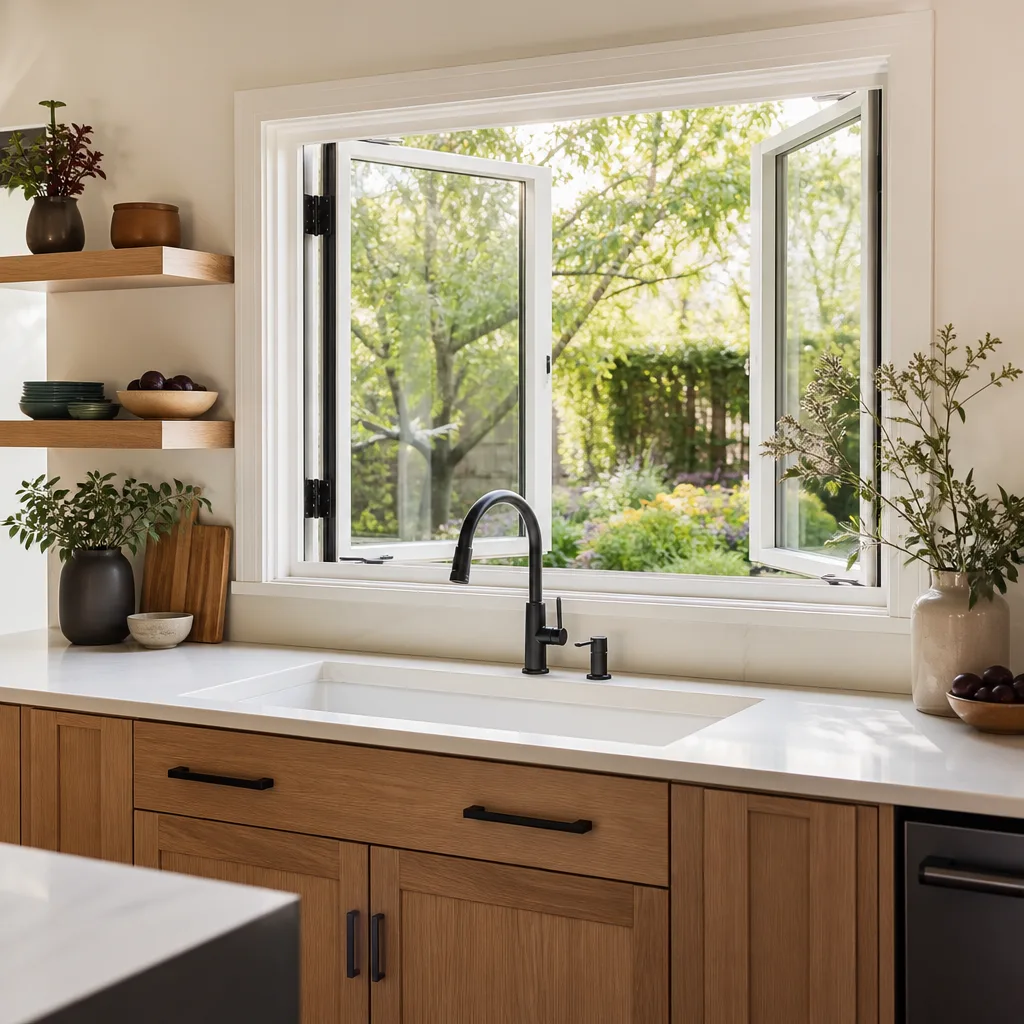
- Kitchen remodeling
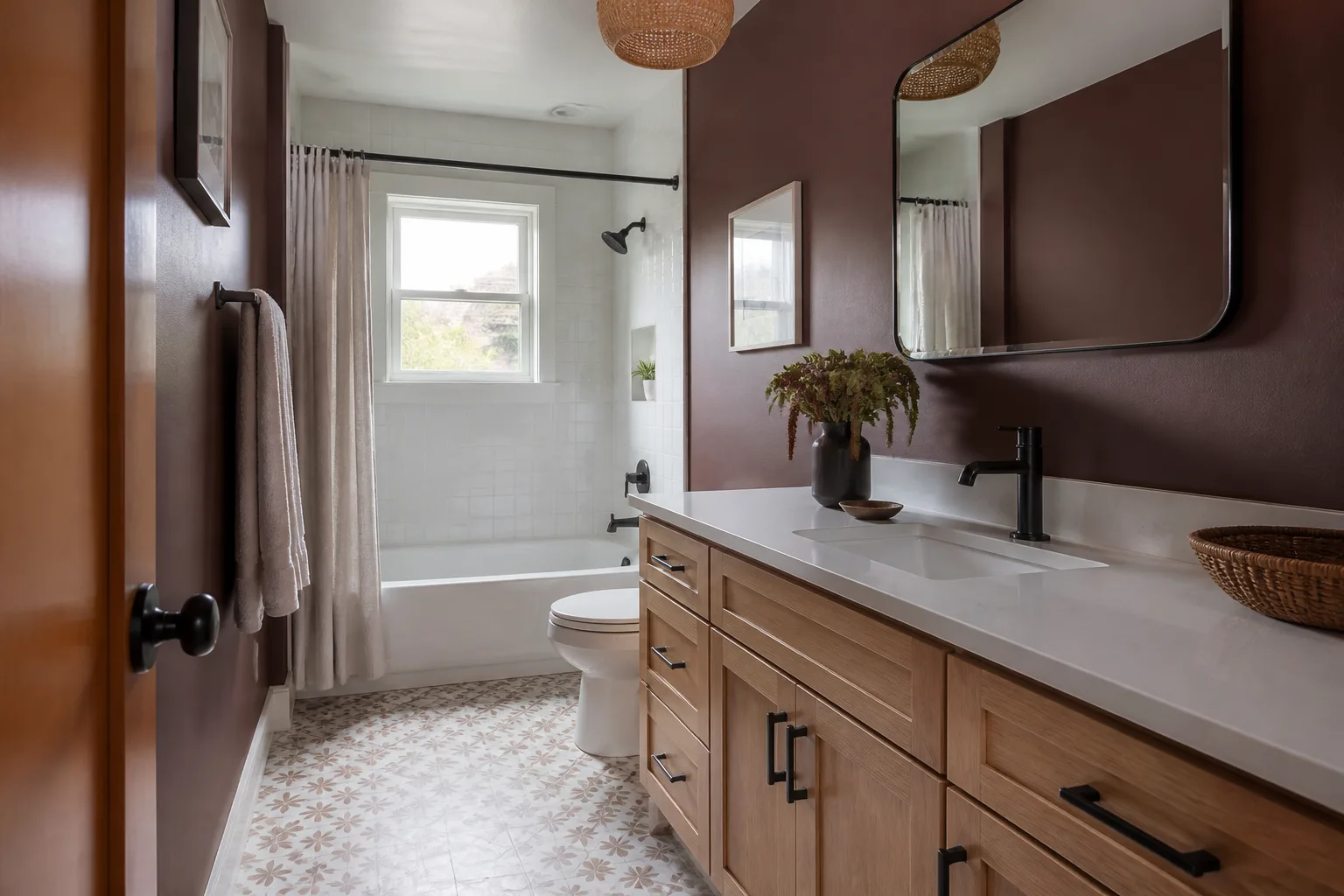
- Bathroom remodeling
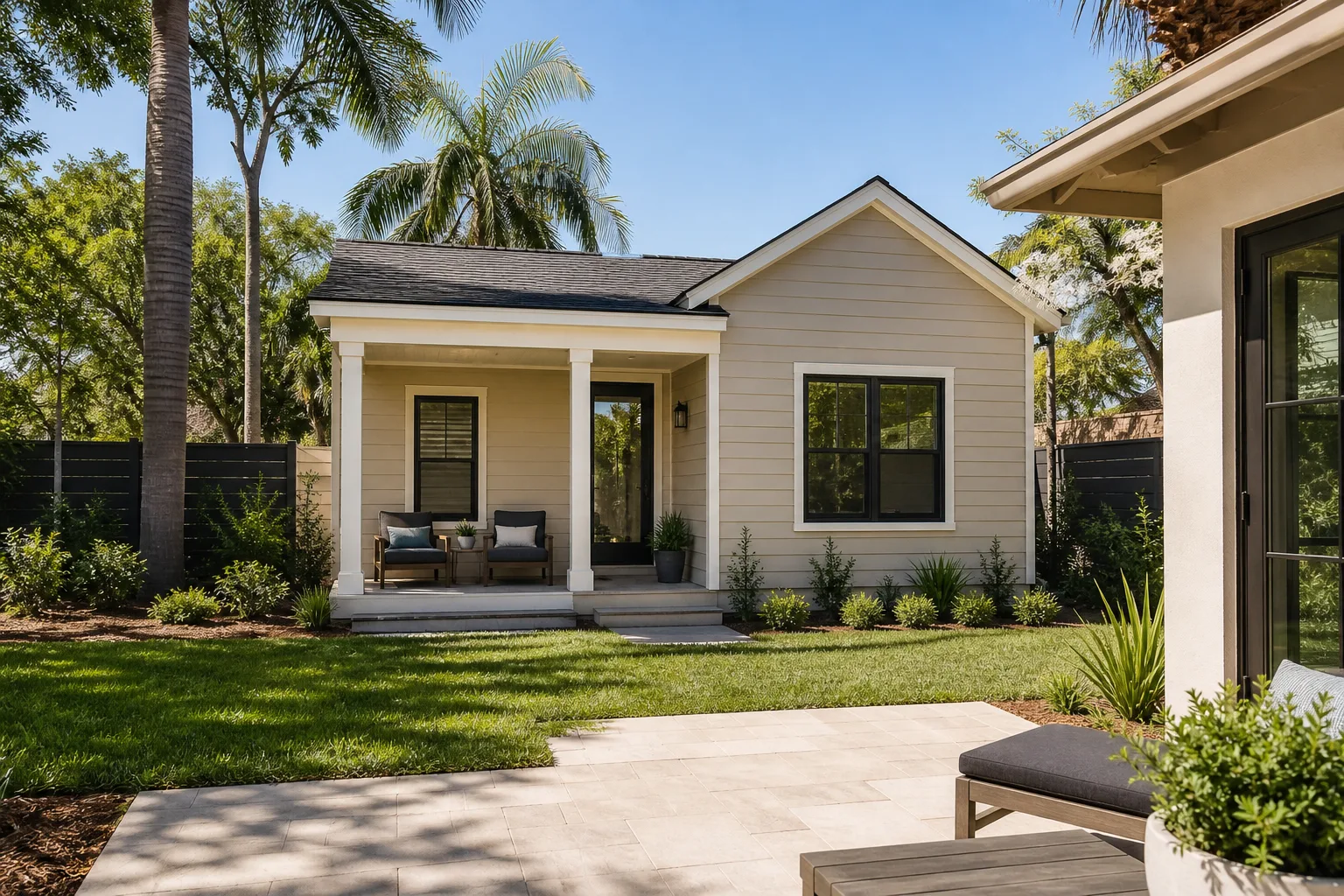
- Home additions & ADU
- Roofing
- Windows & doors
- Driveway & pavers
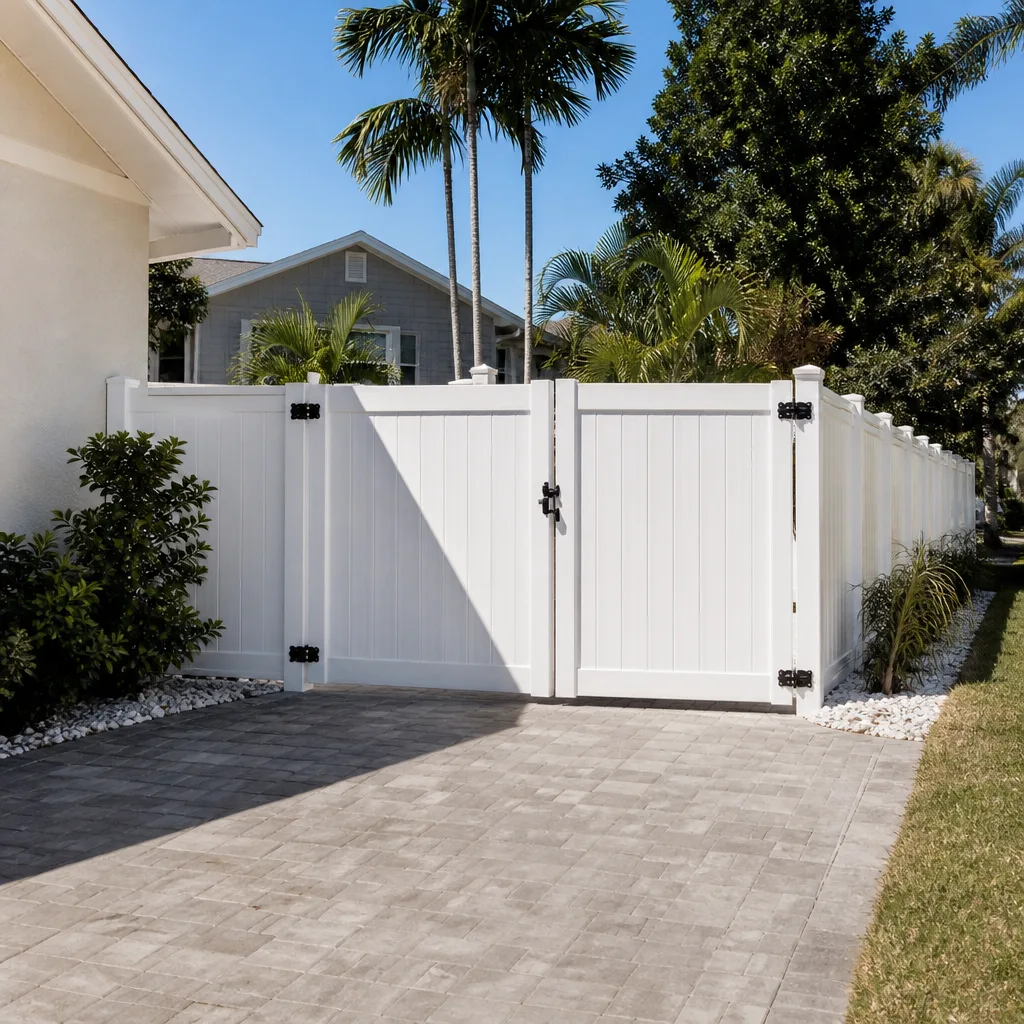
- Fence
Signs Your Silestone Kitchen Remodeling Is Failing
Quartz is dense and non-porous, so a Silestone failure is almost never the stone itself. It’s the installation, the substrate, or the seam, and each has its own signature.
- A seam that catches a fingernail or shows a dark line. The epoxy in the joint has failed, usually from thermal cycling near a dishwasher or oven. It’s repairable, but a seam that keeps reopening means the two slabs are moving independently and the substrate below needs attention.
- A chip at a sink or cooktop cutout. Cutouts concentrate stress at the inside corner, and a router that left a sharp corner instead of a radius turns it into a crack starter. This is the most common quartz damage we see in Garden Grove kitchens, and it’s a fabrication defect, not household wear.
- A low spot or rock in the middle of the run. The cabinet box has sagged or the subtop was never installed. Silestone is rigid, not flexible; it doesn’t settle, it cracks. Look for a gap between the slab and the cabinet rail.
- Ghosting or discoloration along a heavy-use zone. Heat from a pan set down near an edge, or a cleaning product with an abrasive, can leave a dull patch that won’t polish back by hand. This is cosmetic and fixable, but it forecasts where the finish is thinning.
- Water staining at the backsplash joint. Caulk at the counter-to-wall joint has let go, and water is tracking behind the slab. In Garden Grove, where summer humidity and winter rain both push on exterior walls, this joint takes more abuse than it does inland.
See the difference
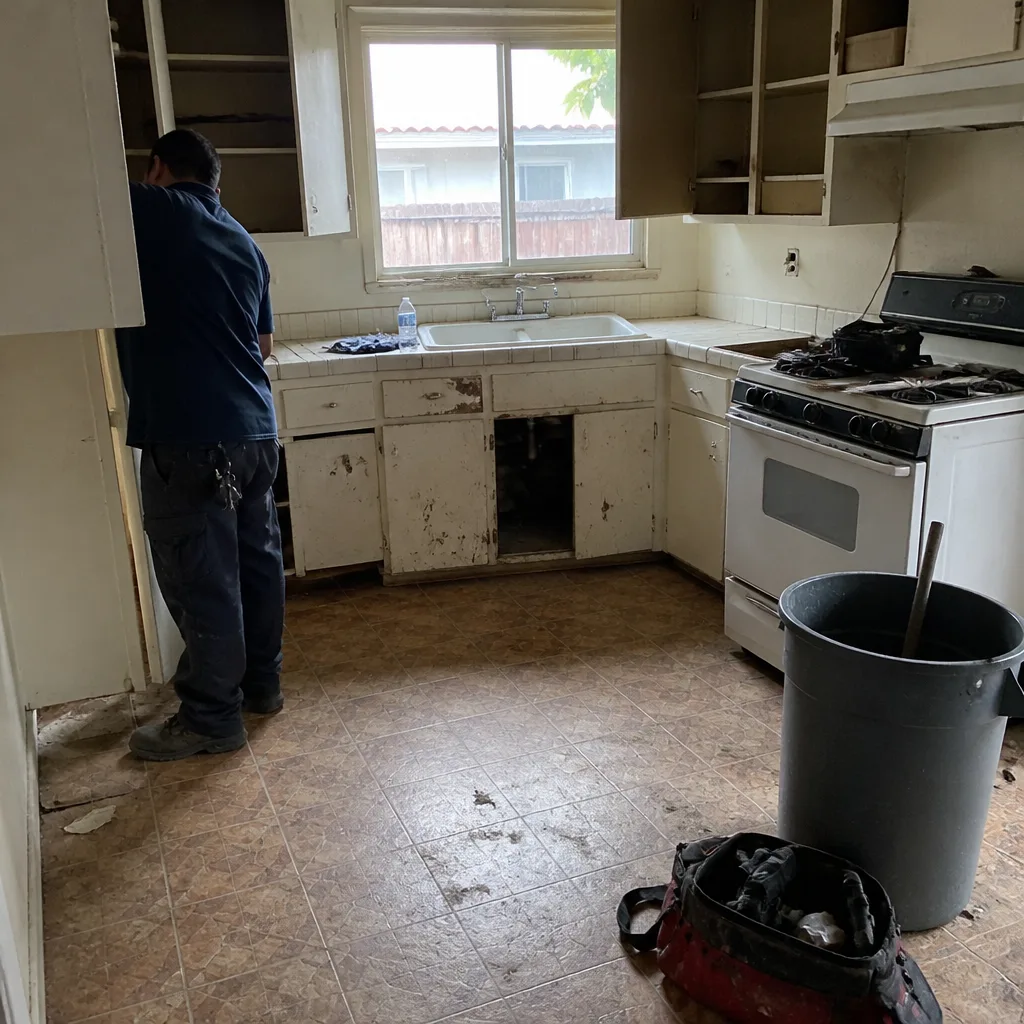 Before
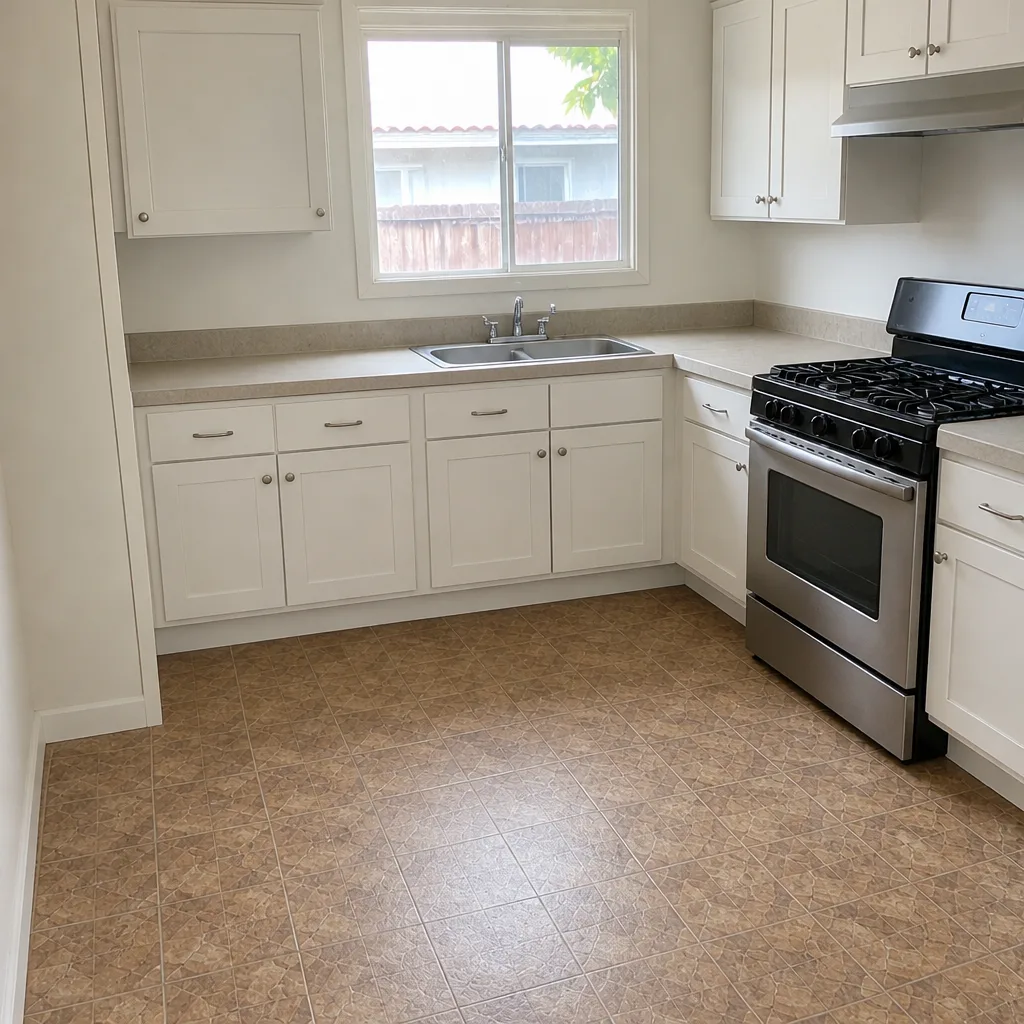 After
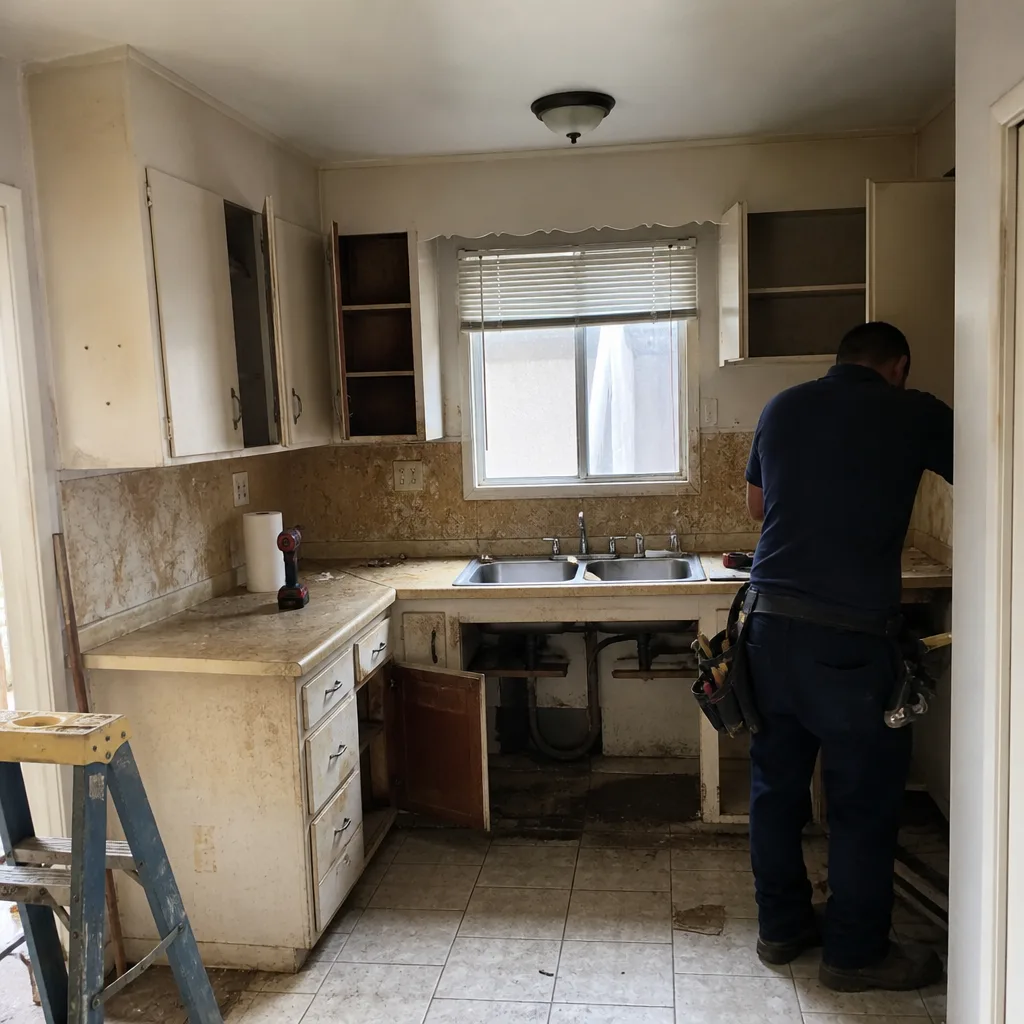 Before
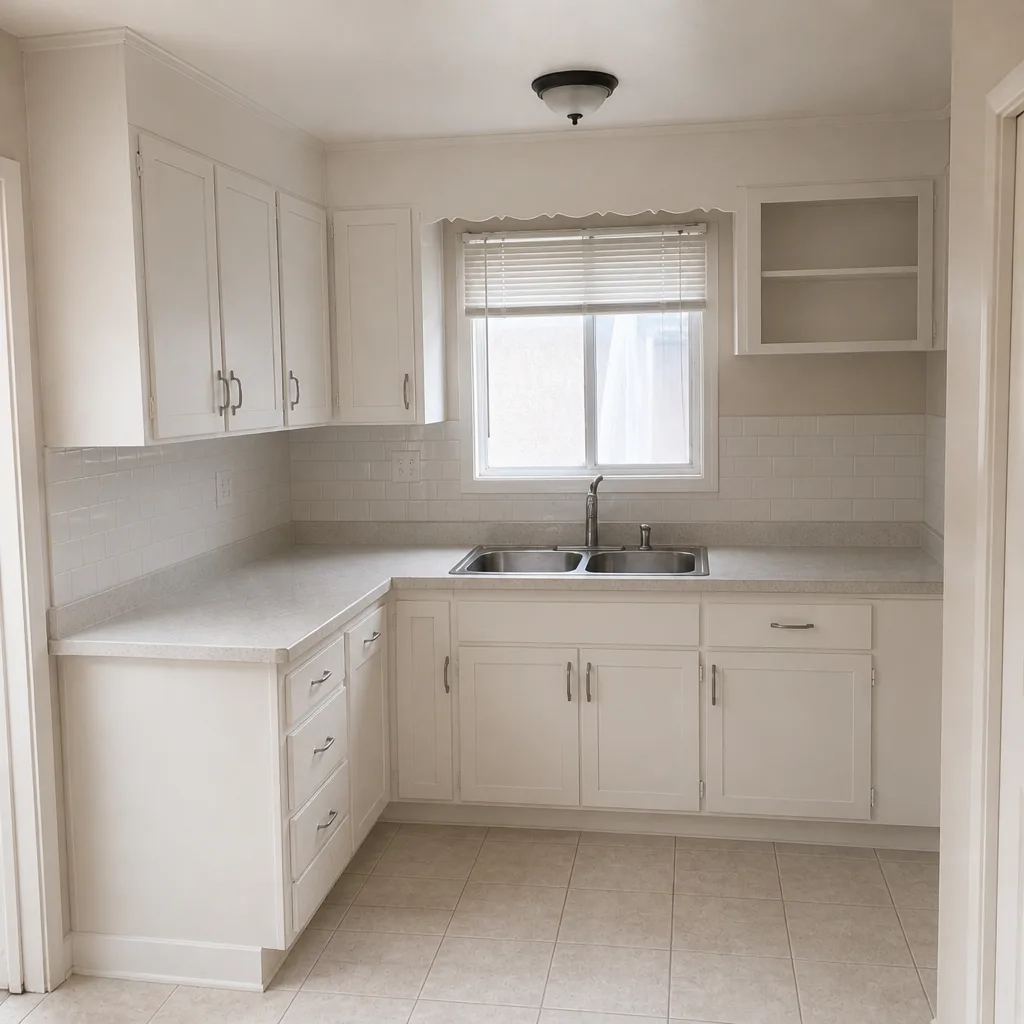 After
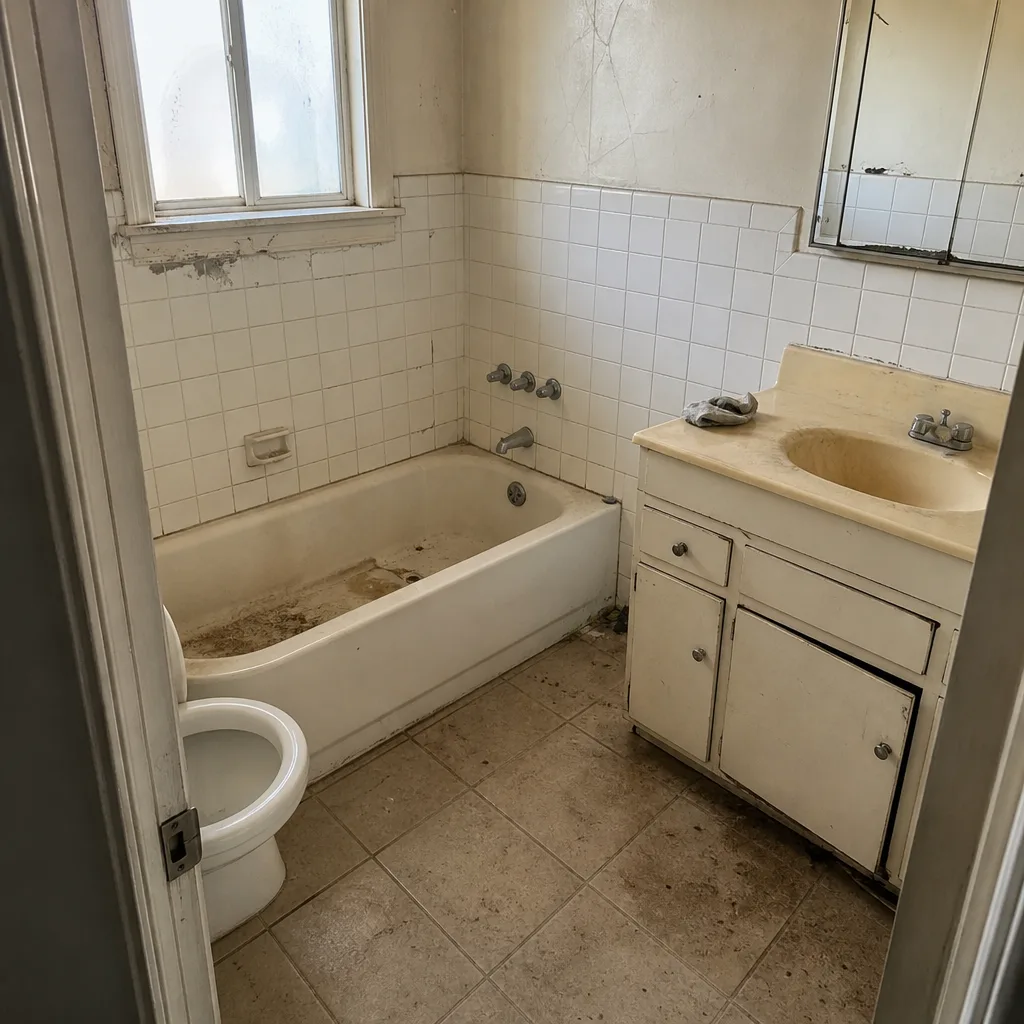 Before
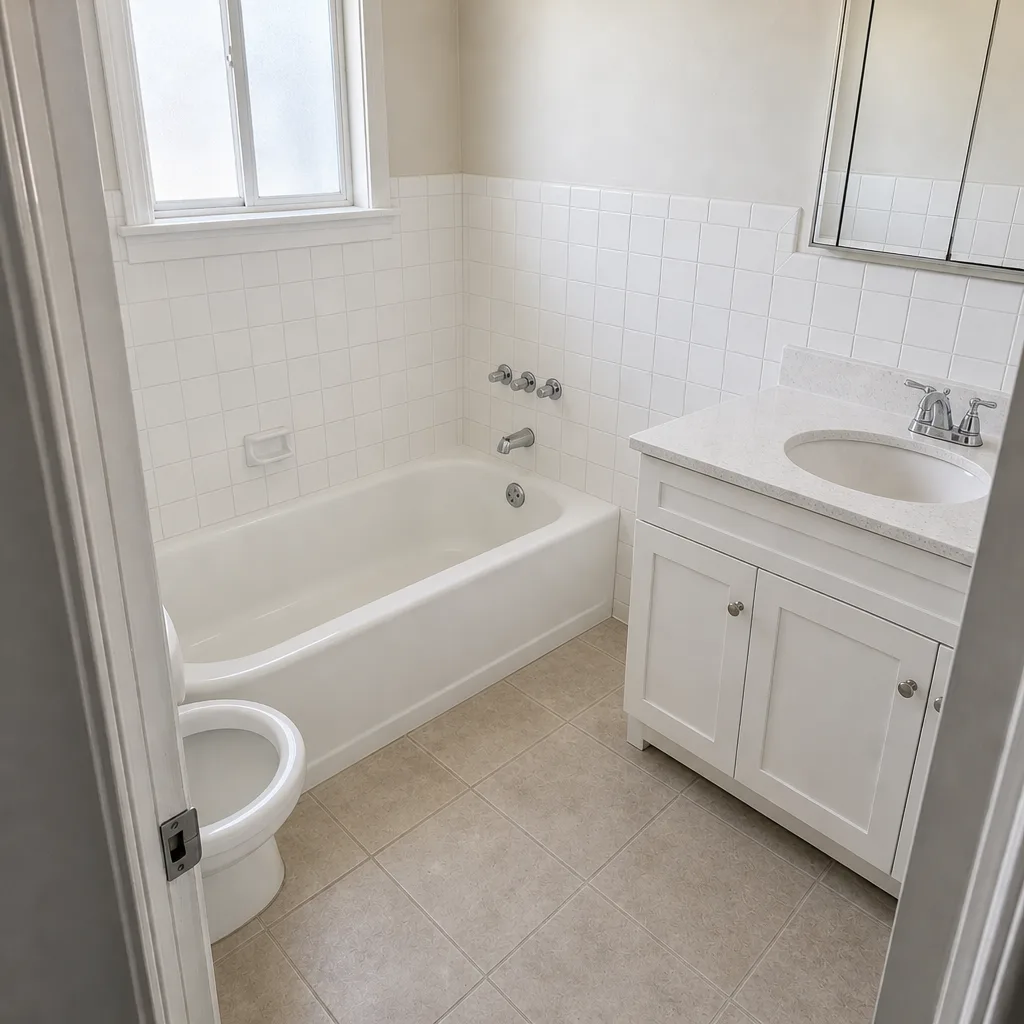 After
Replacement Cost & What’s Included

Here are the Garden Grove numbers, in dollars, with the scope that goes with each line.
| Scope | Installed range | What’s included |
|---|---|---|
| Full kitchen remodel | $14,000 – $45,000 | Cabinets, Silestone counters, sink, plumbing, tile, electrical, permits, debris haul-away |
| Small kitchen remodel | $9,000 – $20,000 | Refreshed layout, counters, sink, backsplash, minor electrical |
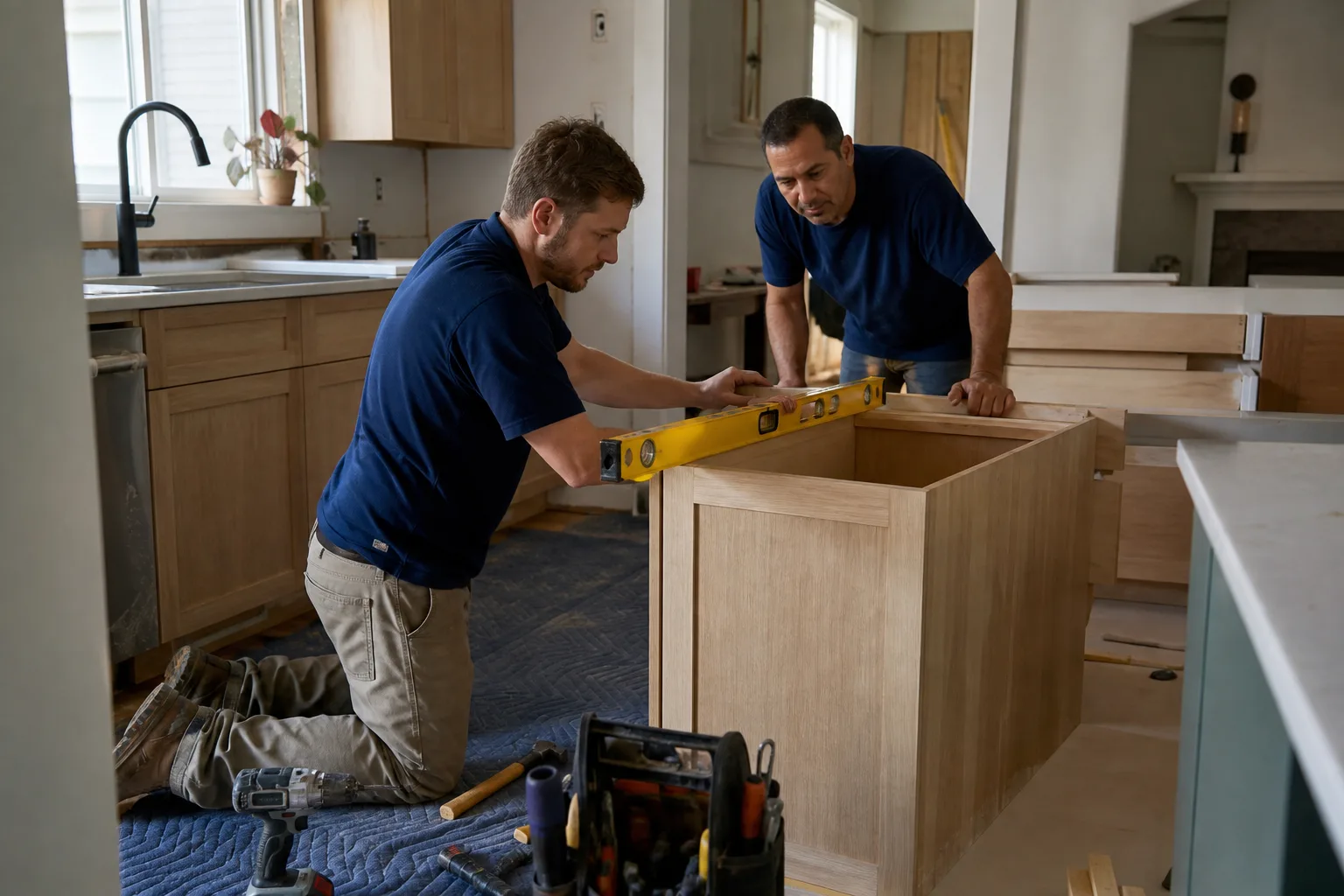
| Cabinet installation | $4,000 – $13,000 | Boxes, doors, hardware, shimming and leveling for quartz substrate |
| Countertop installation | $2,000 – $6,500 | Template, fabrication, edge profile, cutouts, set, caulk, disposal |
| Backsplash installation | $800 – $2,500 | Tile or slab, substrate prep, grout, sealing |
| Kitchen island installation | $3,000 – $10,000 | Base build, Silestone top with overhang, electrical for outlets, paint |
What drives the range is straightforward: slab choice (a Calacatta-style line costs more per square foot than White Zeus), edge detail (eased versus mitered), number of cutouts, whether the sink is being replaced, and whether we’re removing and disposing of the old top. Labor is itemized separately from material on the written quote, so you see exactly what the stone costs and exactly what the install costs. Silestone carries a manufacturer warranty against staining, but that warranty doesn’t cover fabrication, seams, or physical damage, which is why we back the installation work with our 365-Day Done Right Promise: if it’s not done right, we make it right. The quote is a flat price, written before anyone starts, and if a cabinet turns out to be rotted or the plumbing needs re-routing, we stop, document it, and you sign a change order before any of that work proceeds. No signed change order, no change.
DIY or Call Us?
Here’s the honest split. You can safely measure your existing countertop footprint, note where the seams are, and photograph the sink and dishwasher cutouts. You can check whether the cabinet rail sits tight under the slab by sliding a piece of paper into the joint. What you can’t do safely is lift, cut, or transport a quartz slab. A 20mm Silestone piece for a typical Garden Grove galley run weighs well over 200 pounds, it’s brittle, and a dropped edge shatters. Cutting it requires water-cooled diamond tooling; dry-cutting quartz produces respirable silica dust, which is a genuine health hazard and is regulated as such in California. Seam-setting is a two-person epoxy job with a working time measured in minutes.
The part most owners get wrong is the template. A home-cut piece that’s off a quarter inch at the backsplash wall leaves a gap you’ll end up hiding with caulk, and that caulk fails in a year. We template to the actual wall, we deliver a written quote first, and we leave you a documented photo record of what we found and what we set. Call (888) 303-8980 and we’ll get you a written price before anything gets touched.
FAQs

How long does a Silestone countertop last? Fifteen to twenty-five years is realistic for a properly installed slab over a sound substrate; the stone itself will outlast the kitchen, and the failures you’ll read about online almost always trace to a missing subtop, a bad seam, or a sharp cutout corner rather than the quartz. Maintain the seams and the caulk lines, and the slab outlives the cabinets under it. Call (888) 303-8980 for a straight answer about your specific top.
Can my chipped or cracked Silestone be repaired instead of replaced? Yes, often. A chip at a cutout or edge can be filled with a color-matched epoxy and polished flush, and a lifted seam can be re-set. A crack that runs across the body of the slab, or a low spot caused by a sagging cabinet, usually means the substrate has to be fixed first or the repair won’t hold. We’ll tell you honestly which you’re looking at, and there’s no charge for the second opinion if you already have a written estimate from someone else.
How long does a countertop swap take? Plan on two trips. The template visit takes about an hour; fabrication takes roughly a week depending on the line and edge profile you pick; the install itself is usually a single day, with the sink and dishwasher reconnected before we leave. We don’t quote it as same-day because quartz isn’t cut to order on a truck – anyone telling you otherwise is either stocking your exact slab or guessing at the template.
How do you source the Silestone slab? We work through Cosentino’s distribution network and our vetted supplier list, which is how we get honest per-square-foot numbers rather than inflated ones. We can pull a sample of the exact line and finish so you’re approving the slab, not a photo on a screen.
Rowan Construction Group Garden Grove is an independent construction contractor. We’re not affiliated with Silestone or Cosentino, and we install Silestone alongside other brands we’re asked for, including KraftMaid cabinets, Cambria quartz, and Kohler fixtures, so the recommendation you get is matched to your kitchen rather than to a single supplier.
Call (888) 303-8980 for a free estimate on your Garden Grove Silestone kitchen project. You’ll get a flat written price with an itemized scope before any work starts, a background-checked and uniformed crew, and a documented photo record of every visit. If you’ve already got a written estimate from another contractor, bring it – the second opinion review is free.
Written by the team at Rowan Construction Group Garden Grove, serving Garden Grove and nearby areas.