
Free written scope consultation - allowances, timeline, and change-order rules on paper before a single trade is scheduled
Barrette Driveway & Pavers: The Garden Grove Owner’s Guide
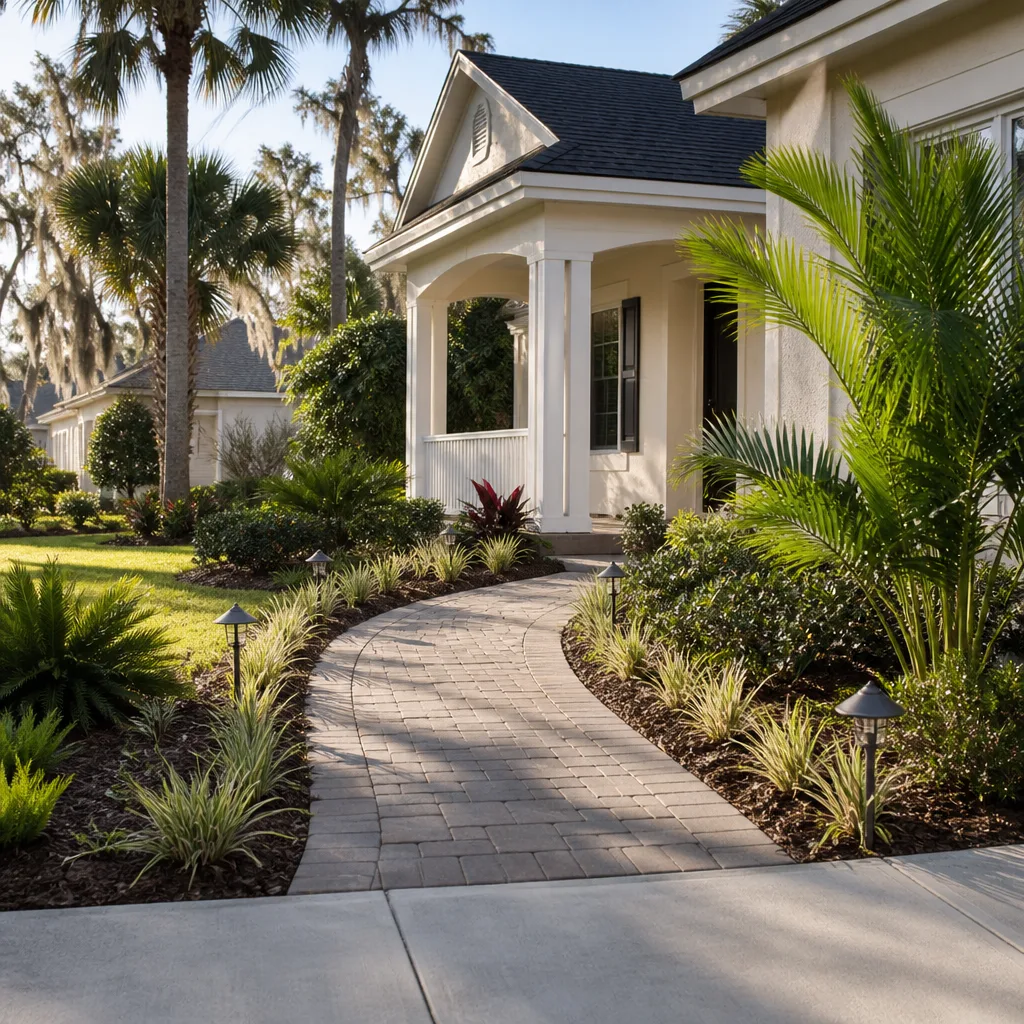
We install and repair Barrette-compatible driveway and paver systems across Garden Grove, and a full paver driveway typically runs $7,000 – $18,000 installed depending on square footage, base depth, and pattern. Barrette’s hardscape line covers segmental pavers, retaining wall blocks, and the edging and joint-sand system that holds the field together, so when an owner calls us, the failed “part” is usually one of three things: a settled or heaved paver field, a cracked retaining block, or joint sand that has washed out and let the base move.
Most Garden Grove owners find the problem the same way. A section of driveway near the garage apron dips after a wet winter, or a course of pavers along the street edge rides up a half inch and catches a tire. Sometimes the symptom is quieter: weeds threading through the joints in a straight line, which almost always traces back to a base that wasn’t compacted in lifts. This page is written for the owner who already knows the brand on the paver and wants the failure explained, priced, and fixed by someone who has handled the system before.
Which Barrette Models This Applies To
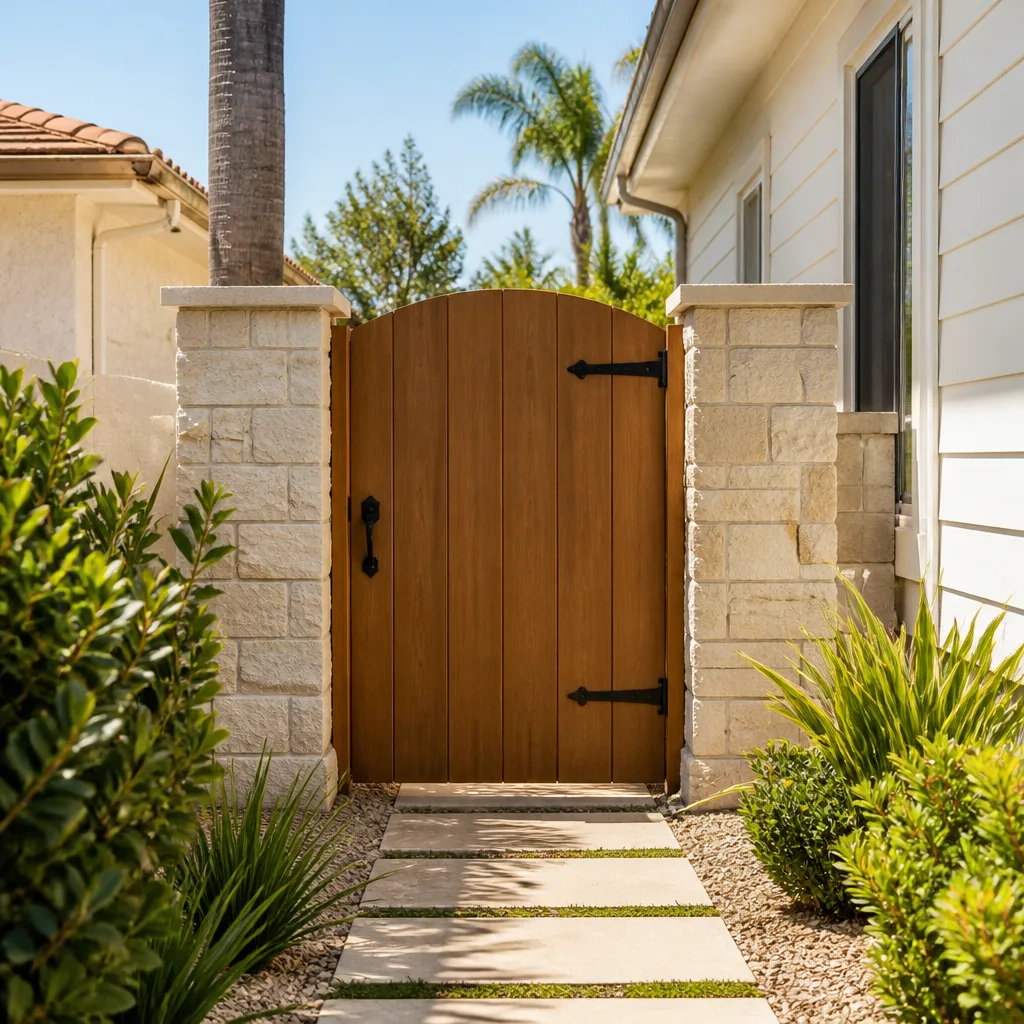
Barrette’s outdoor hardscape line is broad, and the part numbers that matter to a repair are not always obvious. The company’s segmental pavers fall under families like its Bella, Aberdeen, and Tremron-style profiles (Tremron joined the Barrette Outdoor Living family, so older literature and new literature sometimes disagree on the label). Retaining blocks run through the Rinn and related wall systems. The practical way to identify what you have is to lift one loose paver from an edge where the field meets the driveway apron or a planter, measure its face dimensions and thickness to the eighth of an inch, note the color name stamped on the carton if you kept one, and photograph the interlock pattern before anything gets reset.
That measurement matters because Barrette profiles are not interchangeable across families. A 60mm paver and an 80mm paver sit at different finished heights, so replacing a failed course with the wrong thickness creates a lip at the joint that will crack within a season. It also determines the OEM question: matching Barrette pavers are the right call when the field is visible and the color must match. For base aggregate, edge restraint, and polymeric joint sand, a quality aftermarket equivalent is completely appropriate and often what a careful installer reaches for anyway. On retaining blocks, stay with the same system; a lookalike wall block from another maker will not interlock with the Barrette course above it.
We are an independent contractor and are not affiliated with Barrette. We source what the job actually needs.
Styles & brands we work with
- Kitchen remodeling
- Bathroom remodeling
- Home additions & ADU
- Roofing
- Windows & doors
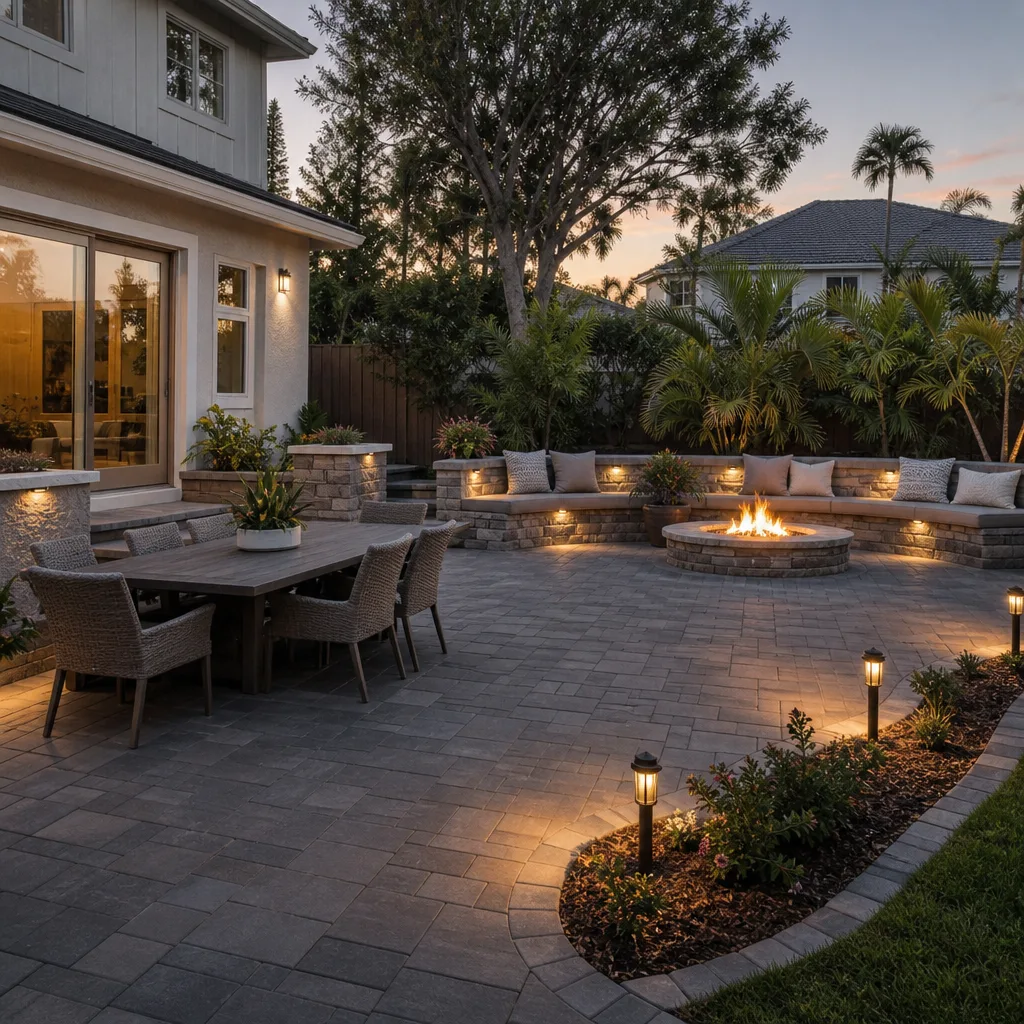
- Driveway & pavers
- Fence
Signs Your Barrette Driveway & Pavers Is Failing
Pavers are a system, not a surface. When one part of the system gives, the symptom shows up somewhere else. These are the five we see most in Garden Grove:
- Dipping or rocking pavers near the garage apron or street edge. This usually means the base aggregate underneath wasn’t compacted in lifts, or water has been getting under the field and washing the fines out. A single rocking paver is a base problem, not a paver problem.
- Joint sand washing out after rain. Polymeric joint sand that was installed too dry, or over a wet surface, never cures into the semi-solid lock it’s supposed to form. Once it fails, the joints open, water enters, and the base starts to move.
- Cracked or spalled retaining wall blocks. Freeze-thaw is rare here, but our wet winters and summer heat cycling still stress block faces. A crack running through a block face usually points to a wall that’s draining poorly behind it, so the block is taking hydrostatic load it wasn’t designed to carry.
- Weeds growing in a straight line through the joints. A line of weeds is the signature of a seam in the base or a missing edge restraint. It’s the cheapest failure to catch early and the most expensive to ignore.
- Efflorescence (white chalky bloom) that keeps returning. A one-time bloom is normal on new pavers. A bloom that comes back after every wet season usually means moisture is wicking up through a base with no drainage path, and the fix is below the surface, not on it.
See the difference
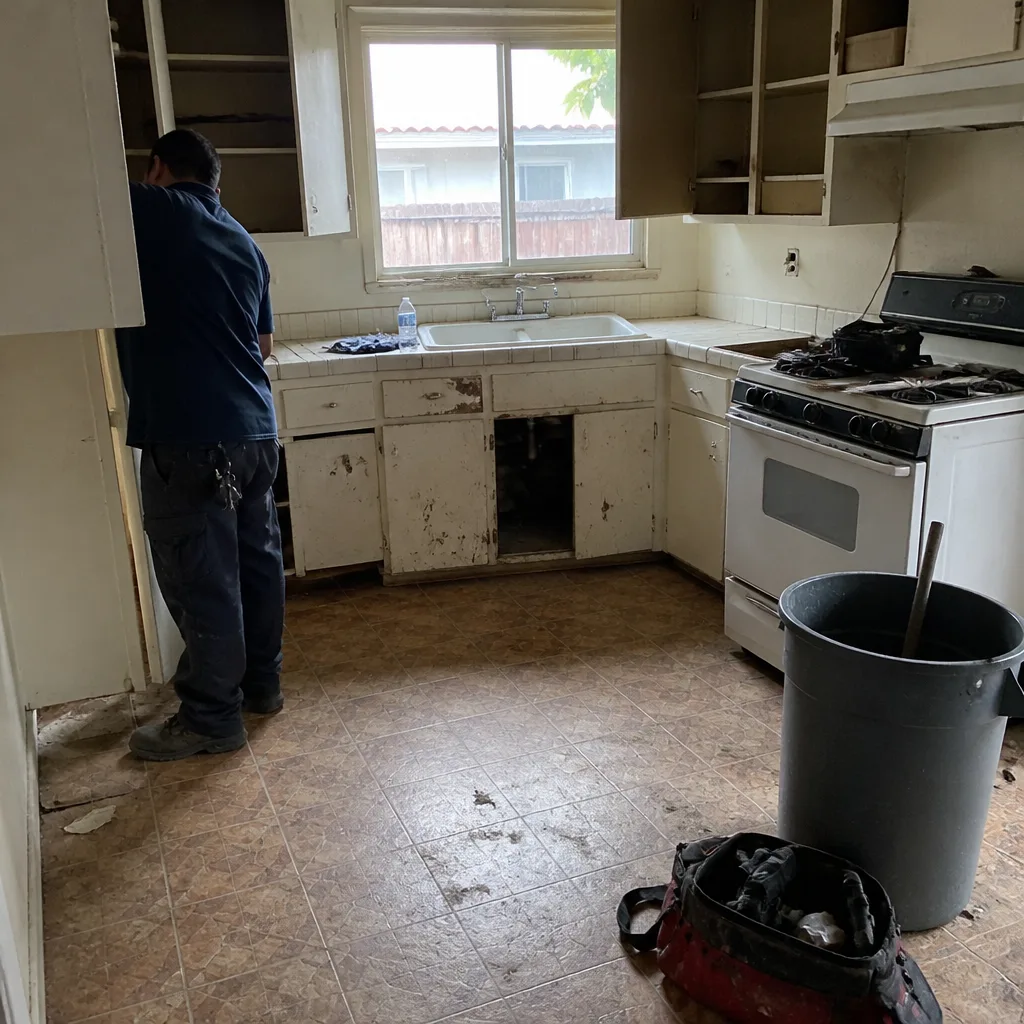 Before
 After
 Before
 After
 Before
 After
Replacement Cost & What’s Included
Here are installed ranges for Garden Grove, calibrated to what the work actually costs here:
| Work | Installed Price Range |
|---|---|
| Paver driveway installation (full) | $7,000 – $18,000 |
| Concrete driveway installation | $4,500 – $12,000 |
| Asphalt driveway paving | $3,500 – $9,000 |
| Driveway replacement (remove and redo) | $5,000 – $14,000 |
| Driveway sealing | $250 – $700 |
| Paver patio installation | $3,500 – $11,000 |
What drives the range: square footage first, then base depth (a driveway carrying vehicles needs more compacted aggregate than a patio), then pattern complexity and whether the existing field has to be lifted and the base rebuilt. A targeted repair of a settled section sits well below the full-install numbers; a full replacement of a failed system sits at the top. Our quotes are flat prices with a written scope and a written warranty, delivered before any work starts. If the scope changes mid-job, no work proceeds on the change until a change order is signed. Any quote we write for you is covered by the 365-Day Done Right Promise, and we’ll review a competitor’s written estimate line by line at no charge.
DIY or Call Us?
Some of this is genuinely owner-level. Lifting a loose paver to measure it, photographing the joint pattern, and clearing weeds from a joint line are all safe, useful checks that help whoever does the repair. Re-sanding a small patio with polymeric sand is a reasonable weekend job if the base is sound and you follow the cure instructions exactly.
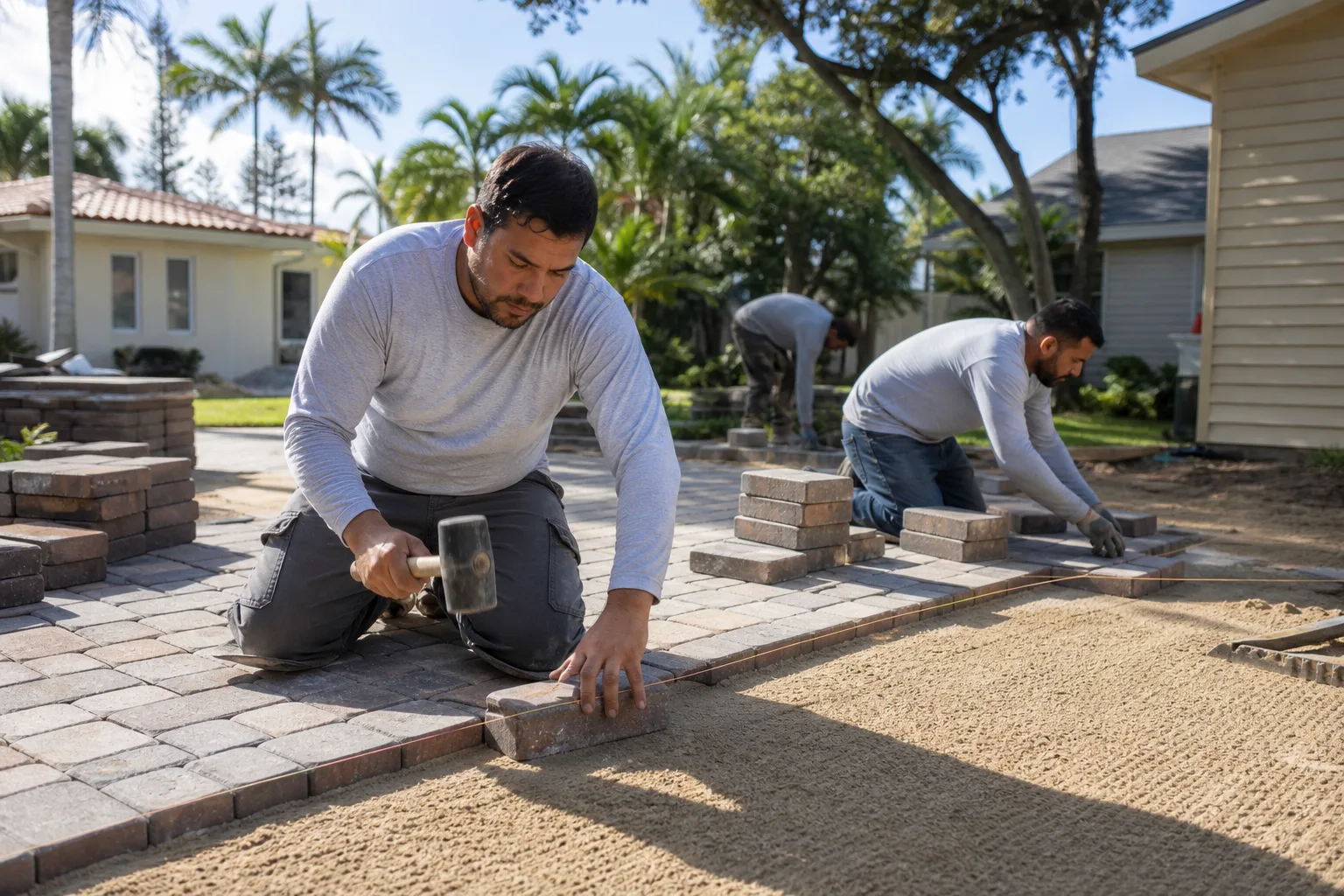
Where DIY goes wrong on a paver driveway is the base. Resetting a settled section without addressing why it settled just moves the problem down the driveway. Base repair means excavation, aggregate compacted in lifts, and an edge restraint installed correctly, and that’s the part that fails silently if it’s rushed. On a retaining wall the stakes are higher: a wall that’s holding back soil and draining poorly can fail suddenly, and a block wall that leans is not something to shore up with a bag of gravel. If the wall is leaning, bulging, or showing a continuous crack, have it looked at.
Call (888) 303-8980 for a free estimate and a plain description of what we found under the surface.
FAQs
The pavers themselves routinely last 25 to 50 years; the base and joint sand are what fail first. In our climate, expect to re-sand joints every 3 to 5 years and to inspect the base after any winter where standing water sat on the field for days. Call (888) 303-8980 for an assessment.
Yes, most single-section failures can be repaired by lifting the affected pavers, rebuilding the base underneath, and resetting the original field. A repair makes sense when the pavers themselves are intact and the failure is localized; a full replacement is the honest answer when the base has failed across the whole driveway or the color run can’t be matched.
A targeted repair of one section usually takes a day or two, including the base rebuild and re-sand cure time. A full paver driveway replacement typically runs 3 to 7 working days depending on square footage and excavation. You’ll get the schedule in writing with the price.
We identify the paver profile by measuring a sample and matching the color and thickness to the current Barrette catalog, then order through a supplier that carries the line. Where an exact match is unavailable, we’ll tell you honestly and show you the closest options. Call (888) 303-8980 to start with a free estimate.
We also work alongside the other brands our customers bring us on adjacent projects, including KraftMaid, Cambria, and Silestone for interior work. If you’re planning a driveway and a kitchen in the same season, one written price per project keeps the whole thing honest.
Call (888) 303-8980 to schedule your free estimate. We’ll put the number in writing before anyone picks up a tool.
Written by the team at Rowan Construction Group Garden Grove, serving Garden Grove and nearby areas.