
Free written scope consultation - allowances, timeline, and change-order rules on paper before a single trade is scheduled
Sakrete Roofing: The Garden Grove Owner’s Guide
We install and repair Sakrete roofing assemblies in Garden Grove, and the typical installed price for a full Sakrete roof replacement runs $8,000 – $20,000, with repair work on a failed section usually landing between $400 and $1,800. Sakrete is a materials brand, not a fixture brand, so “your Sakrete roofing” means the mortar, underlayment, and coating system already on your roof – and the part that fails is almost always the same: bedding mortar that has cracked loose, or a coating that has chalked through to the substrate. Most Garden Grove owners find out the way everyone does – a hairline crack in a ridge line widens into a visible gap after a Santa Ana wind event, or a ceiling stain shows up in the hallway during the first real rain of the season.
We’re an independent service provider, not affiliated with Sakrete. What we do is match the replacement material system to what’s already up there, quote it in writing, and photograph the substrate before and after so you know exactly what was under that failed layer.
Which Sakrete Models This Applies To
Sakrete doesn’t sell “roof models” – it sells packaged mortar mixes, bonding agents, and elastomeric coatings that roofing crews use on tile and low-slope assemblies. That changes the compatibility question. It isn’t “which model do I have”; it’s “which Sakrete product family is on my roof, and what mix or coating is compatible with it.”
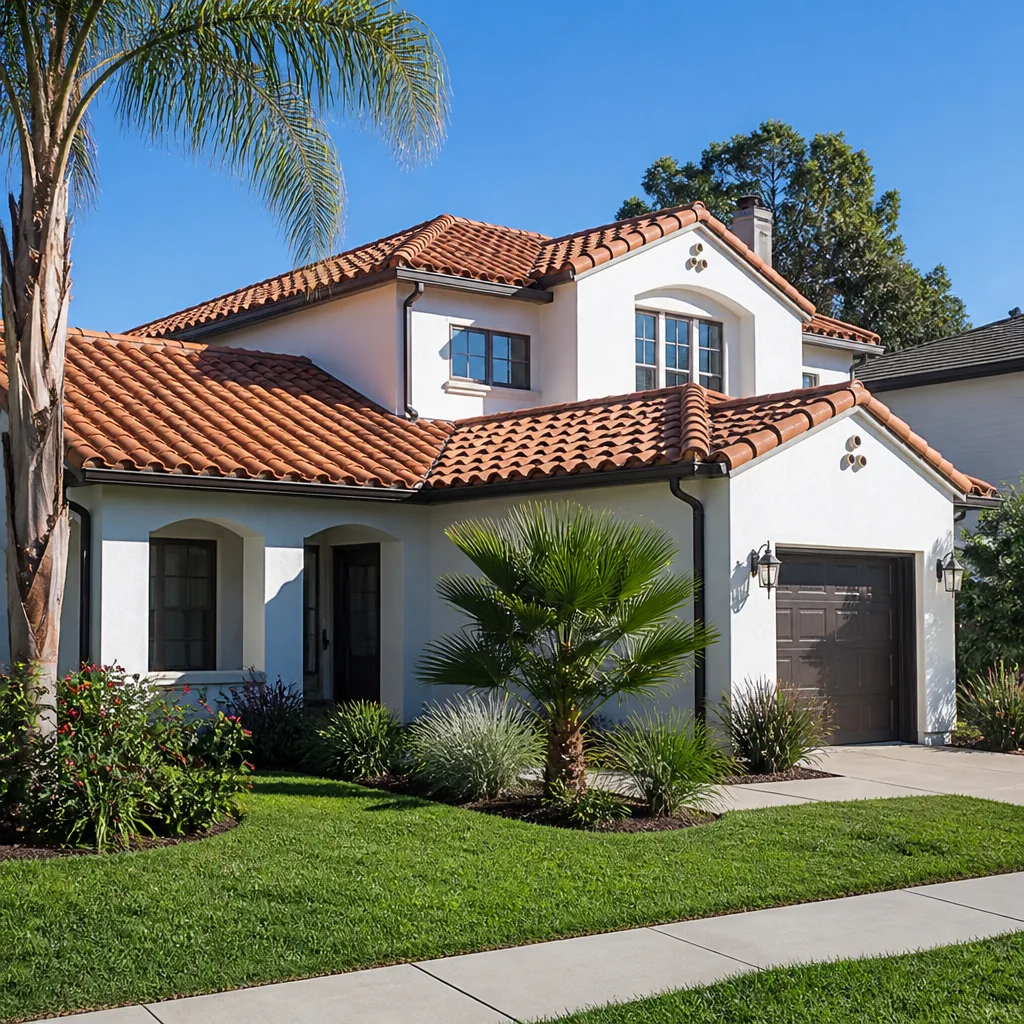
Here’s how to identify what’s there. Look at the ridge and hip lines for the original mortar bed in a tile roof – Sakrete’s Type S and Type N mortar mixes are the two you’ll find, and Type S (higher compressive strength, better for load-bearing bedding) is what a proper tile roof should have. If you see a whiter, more crumbly bed that erodes under a fingernail, that’s likely a Type N mix that was underspecified for the job. On flat or low-slope sections, look for a coated membrane – Sakrete’s elastomeric coating lines are white or grey and should still be flexible, not cracked.
OEM versus aftermarket matters here more than in most trades. Sakrete’s own mortar lines are the standard, but a quality equivalent like a Quikrete Type S mix performs to the same ASTM C270 spec and costs less on a large repack job. On coatings, match the original chemistry – acrylic over acrylic, not acrylic over silicone – because silicone won’t accept an acrylic topcoat later. Tell us what’s on the roof and we’ll tell you the honest swap.
Styles & brands we work with
- Kitchen remodeling
- Bathroom remodeling
- Home additions & ADU
- Roofing
- Windows & doors
- Driveway & pavers
- Fence
Signs Your Sakrete Roofing Is Failing
- Crumbling or hollow mortar at the ridge and hips. Sakrete bedding mortar under tile shrinks as it cures and takes on water at the crown of the ridge first. A hollow sound under a tap means the bond is gone, even if nothing has fallen yet.
- Visible cracks tracking along tile joints. Hairline cracks in the mortar bed let water behind the tile and under the underlayment. In Garden Grove’s dry season a crack looks cosmetic; the first winter rain turns it into a leak path.
- Chalky white residue or powder on the coating. Elastomeric coatings break down under UV and start chalking – the surface rubs off white on your hand. Once chalk reaches the substrate, the coating is no longer protecting the membrane.
- Ceiling or wall stains below a flat section. A stain inside the house almost always means a coating failure or a seam opening on the low-slope portion, not a problem with the tiles above it. This is a schedule-now item, not a spring project.
- Tiles lifting or slipping out of line. When the mortar bed fails, individual tiles come loose and slide. That’s a structural warning – the tile is the visible symptom, the bed is the cause.
One realistic lifespan note for Southern California: a properly installed Sakrete mortar bed under clay tile should last well past 20 years, but Garden Grove’s inland heat – hotter than the beach cities by 10 to 15 degrees on a summer afternoon – accelerates coating breakdown. Expect an elastomeric coating to need renewing sooner here than it would in Long Beach.
See the difference
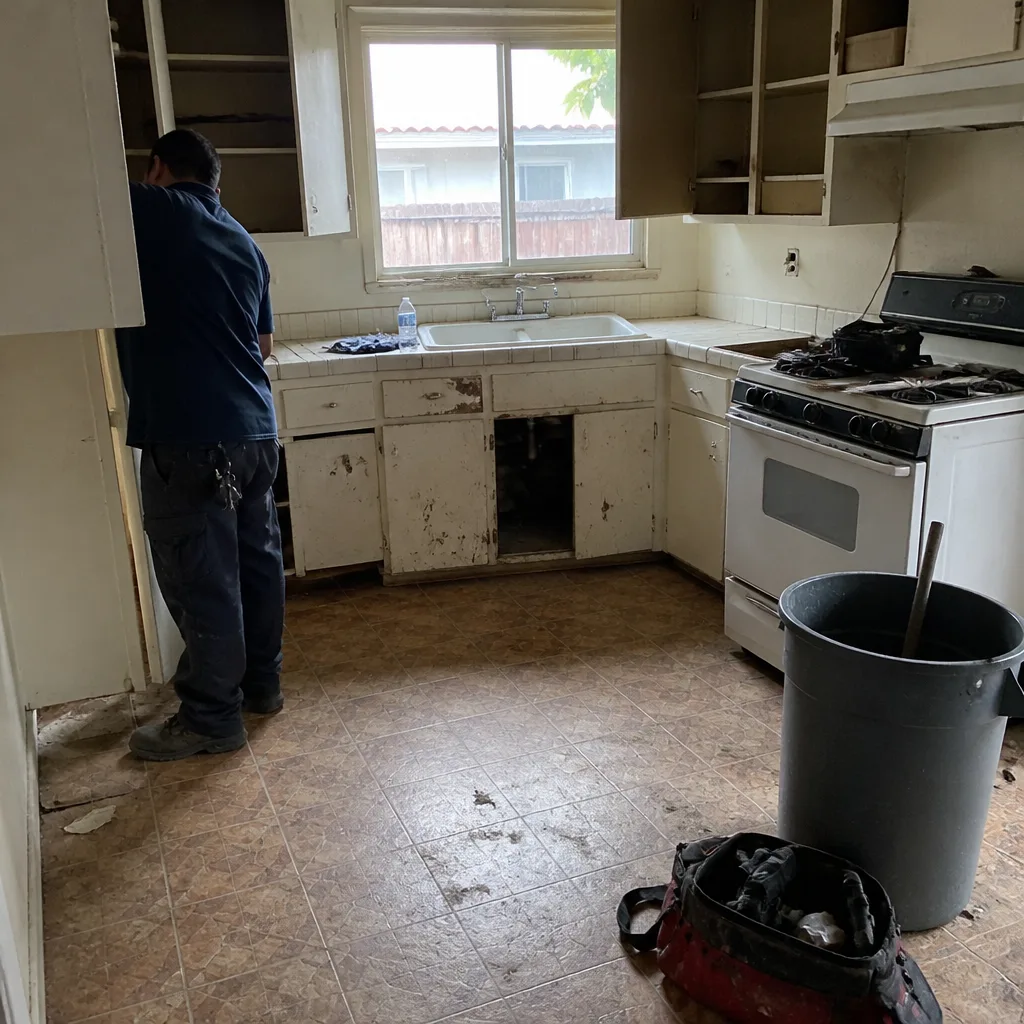 Before
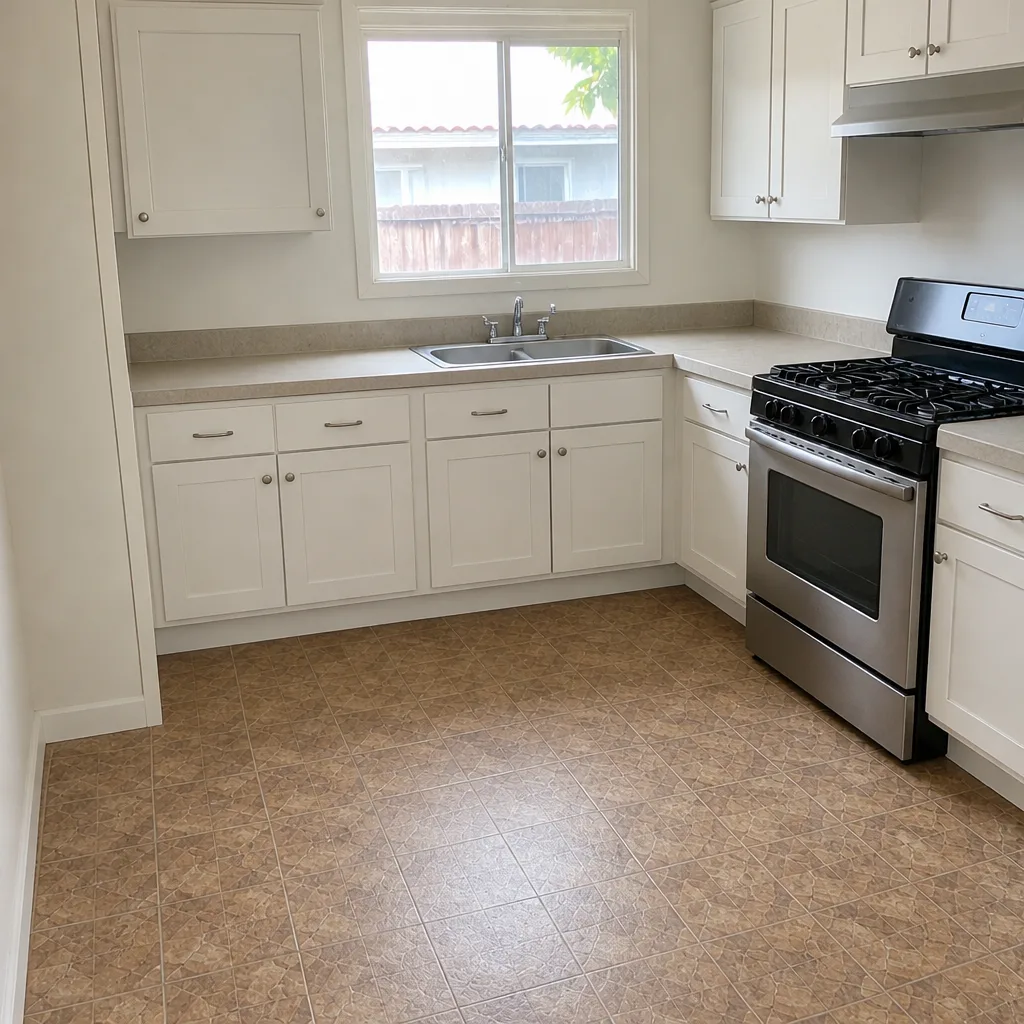 After
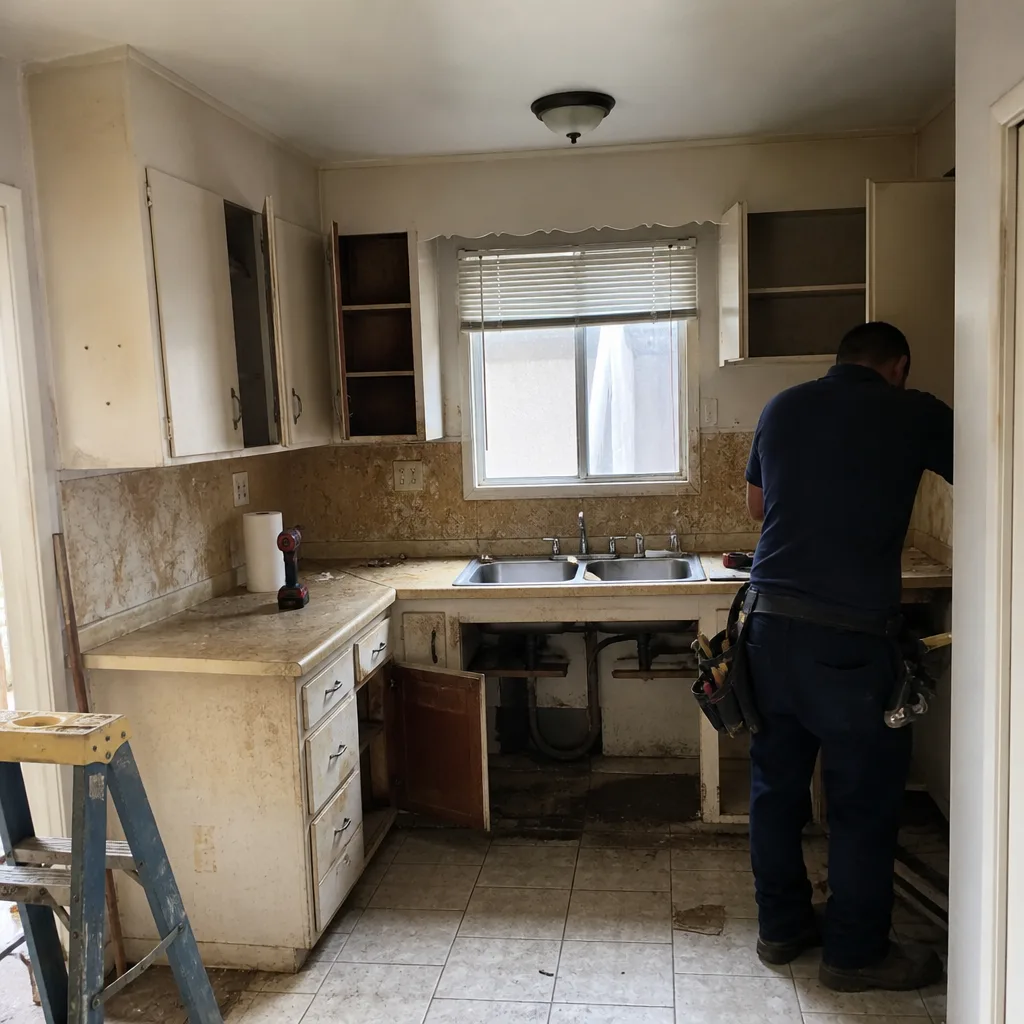 Before
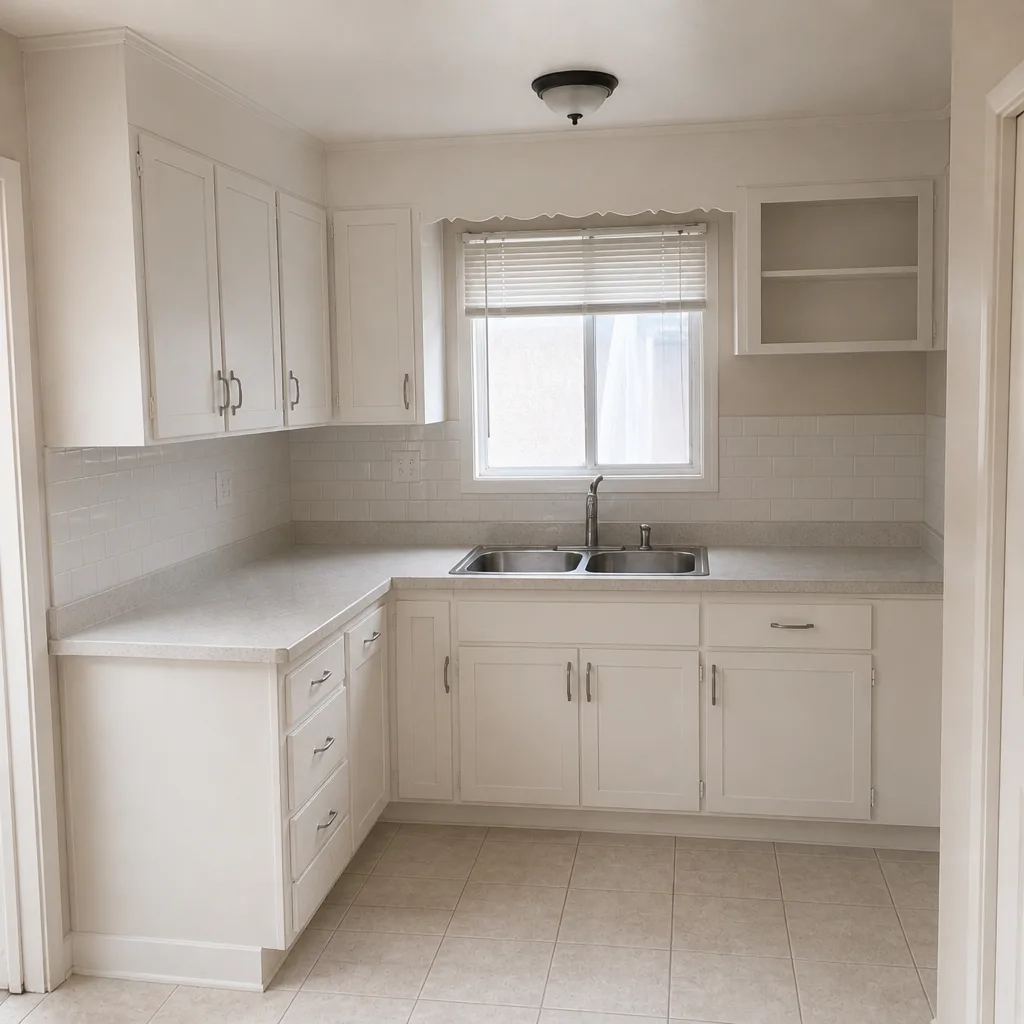 After
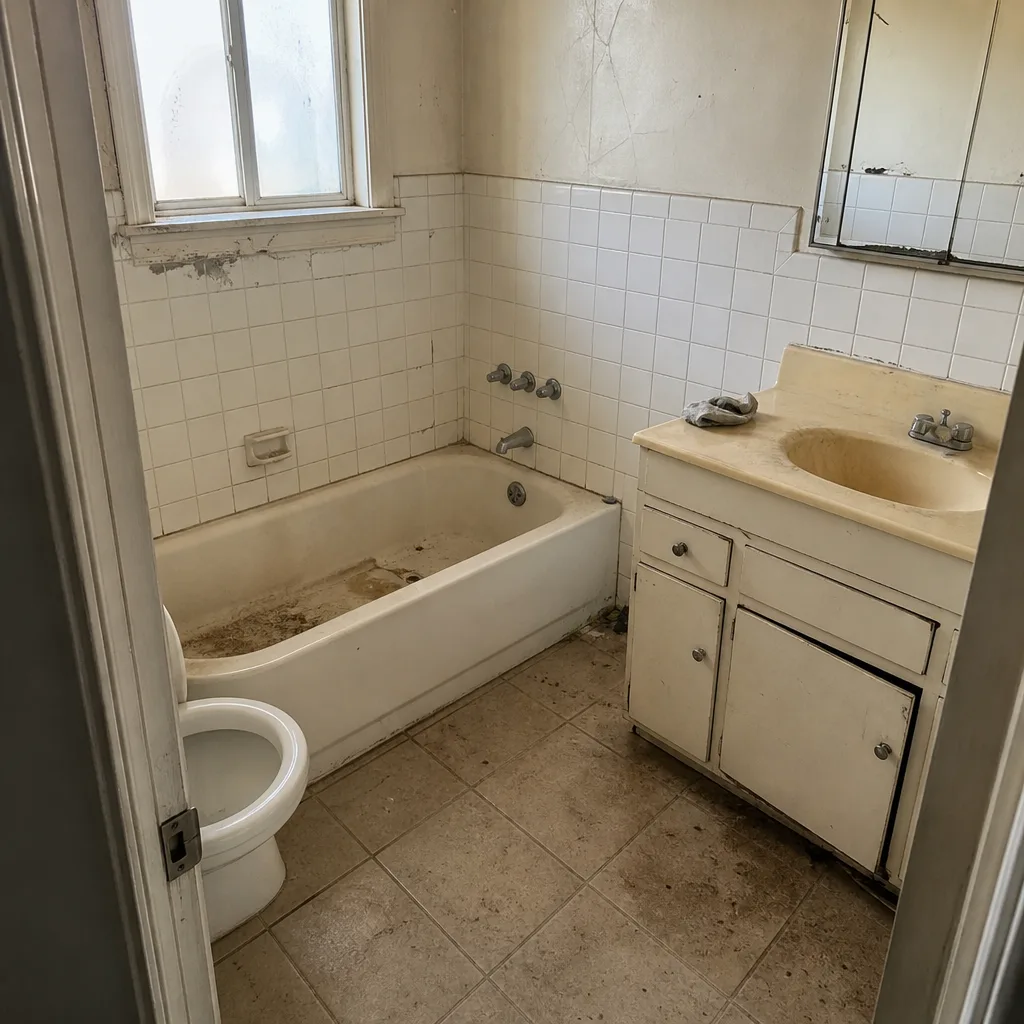 Before
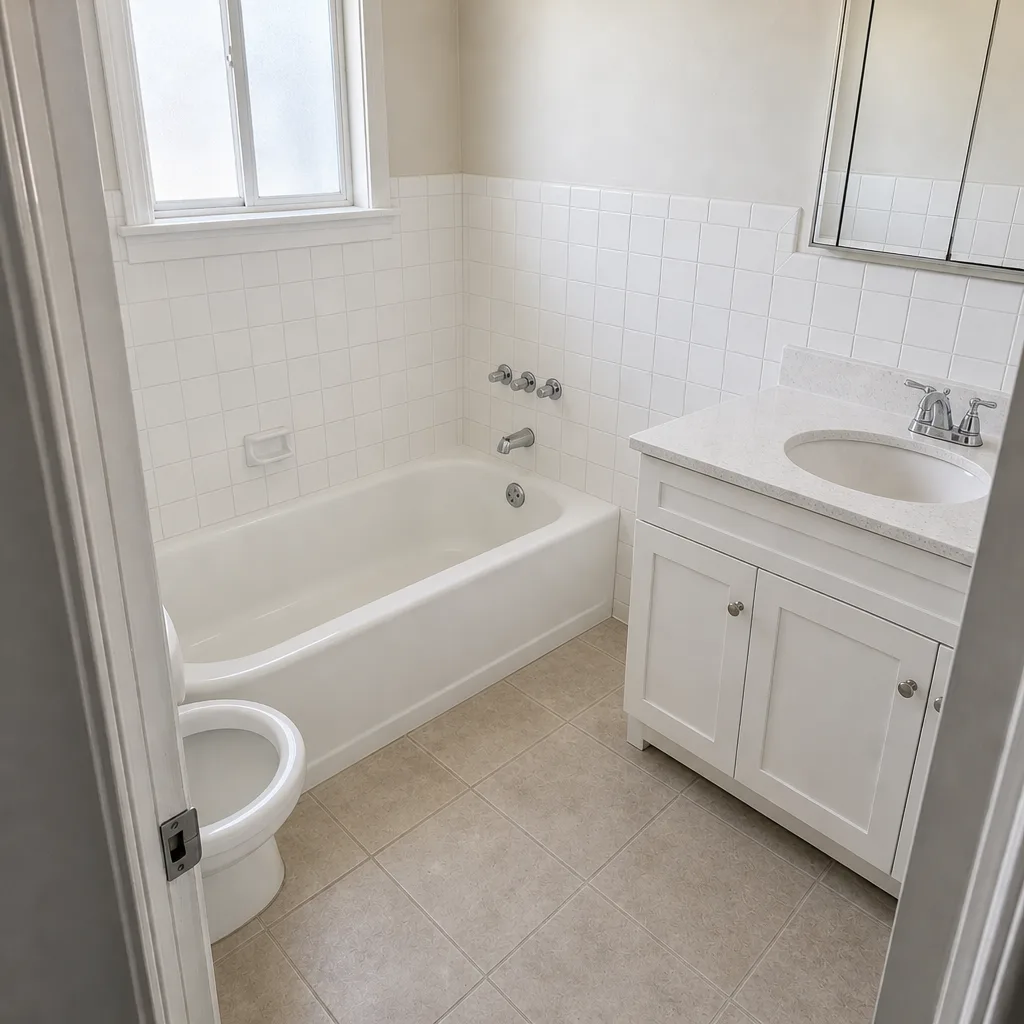 After
Replacement Cost & What’s Included
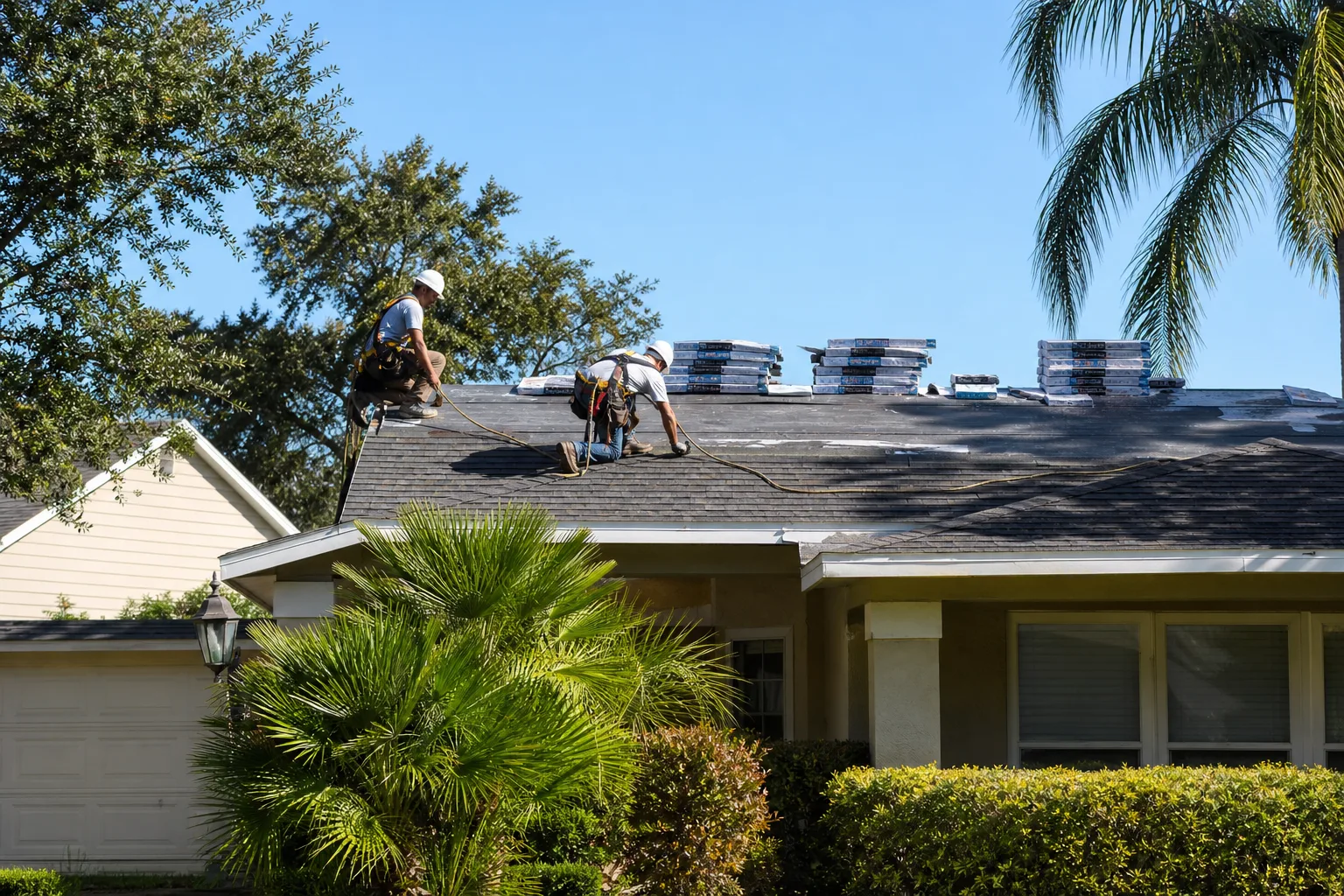
Here’s what the work actually runs in Garden Grove, and what’s inside the number.
| Scope | Installed price range |
|---|---|
| Roof repair (isolated mortar or coating failure) | $400 – $1,800 |
| Tile roof repair (re-bedding ridge, replacing slipped tiles) | $600 – $2,500 |
| Full roof replacement (Sakrete-compatible assembly) | $8,000 – $20,000 |
| Metal roof installation (where the existing system is being converted) | $15,000 – $40,000 |
What drives the range: roof square footage, how many tile fields need re-bedding versus simple re-coating, whether the underlayment is also compromised, and whether permits are required for a full replacement. Under Clause 1 of The Haven Standard, we put the flat price and written scope on paper before anyone picks up a tool. No work proceeds on a change until you’ve signed a change order. Every visit includes a documented photo record of the substrate we found and what we installed. And the 365-Day Done Right Promise backs the workmanship.
DIY or Call Us?
Some of this you can safely check. Walk the perimeter on the ground, use binoculars to look at ridge lines and flat sections, and note chalky coating or loose tile. Inside, check the attic for staining under flat roof sections. Those observations save time on the quote call.
What you shouldn’t do is climb onto a steep tile roof to re-bed mortar or re-coat a membrane. Wet clay tile is slippery, aged mortar gives under weight, and an unsecured ladder on a two-story house is the leading cause of roofing injuries we hear about. Re-coating a flat section wrongly – wrong chemistry, wrong thickness – also traps moisture and turns a $600 repair into a $3,000 one.
Call (888) 303-8980 for a free estimate. We’ll review any written quote you already have, line by line, at no charge.
FAQs
How long does a Sakrete roofing system last in Garden Grove? A Sakrete mortar bed under tile should hold well past 20 years; an elastomeric coating topcoat typically needs renewal in 6 to 10 years in Garden Grove’s inland heat, sooner on unshaded south-facing slopes. Call (888) 303-8980 for an exact quote – estimates are free.
Can it be repaired instead of replaced? Often yes. Isolated mortar failure at a ridge or a failed coating on one flat section can be repaired for $400 – $1,800 rather than replaced. Replacement makes sense when the underlayment is also compromised or failures are spread across multiple fields. Call (888) 303-8980 and we’ll tell you which one the photo record supports.
How long does the repair or swap take? An isolated repair typically finishes in a single day; a full roof replacement runs two to five days depending on square footage and weather. We’ll give you the schedule in writing with the price before we start. Call (888) 303-8980 for a free estimate.
How do you source the matching Sakrete part or material? We source Sakrete Type S and Type N mortar and the matching elastomeric coating through our vetted brand network, and we’ll tell you when a spec-equivalent like Quikrete is the honest, lower-cost swap. We don’t carry parts on a truck – each job gets the material quoted. Call (888) 303-8980 to start.
We also handle other material brands across the trades, including KraftMaid, Cambria, and Silestone for interior work, and GAF and Owens Corning roofing systems where a Sakrete assembly isn’t the right fit.
If you’re in Garden Grove and the roof has started talking – a crack, a stain, chalky coating, a loosened ridge – the next step is a written number, not a guess. Call (888) 303-8980 for a free estimate. We’ll look at what’s there, photograph what we find, and put the price in writing before anyone starts.
Written by the team at Rowan Construction Group Garden Grove, serving Garden Grove and nearby areas.