
Free written scope consultation - allowances, timeline, and change-order rules on paper before a single trade is scheduled
Unilock Home Additions & ADU: The Garden Grove Owner’s Guide
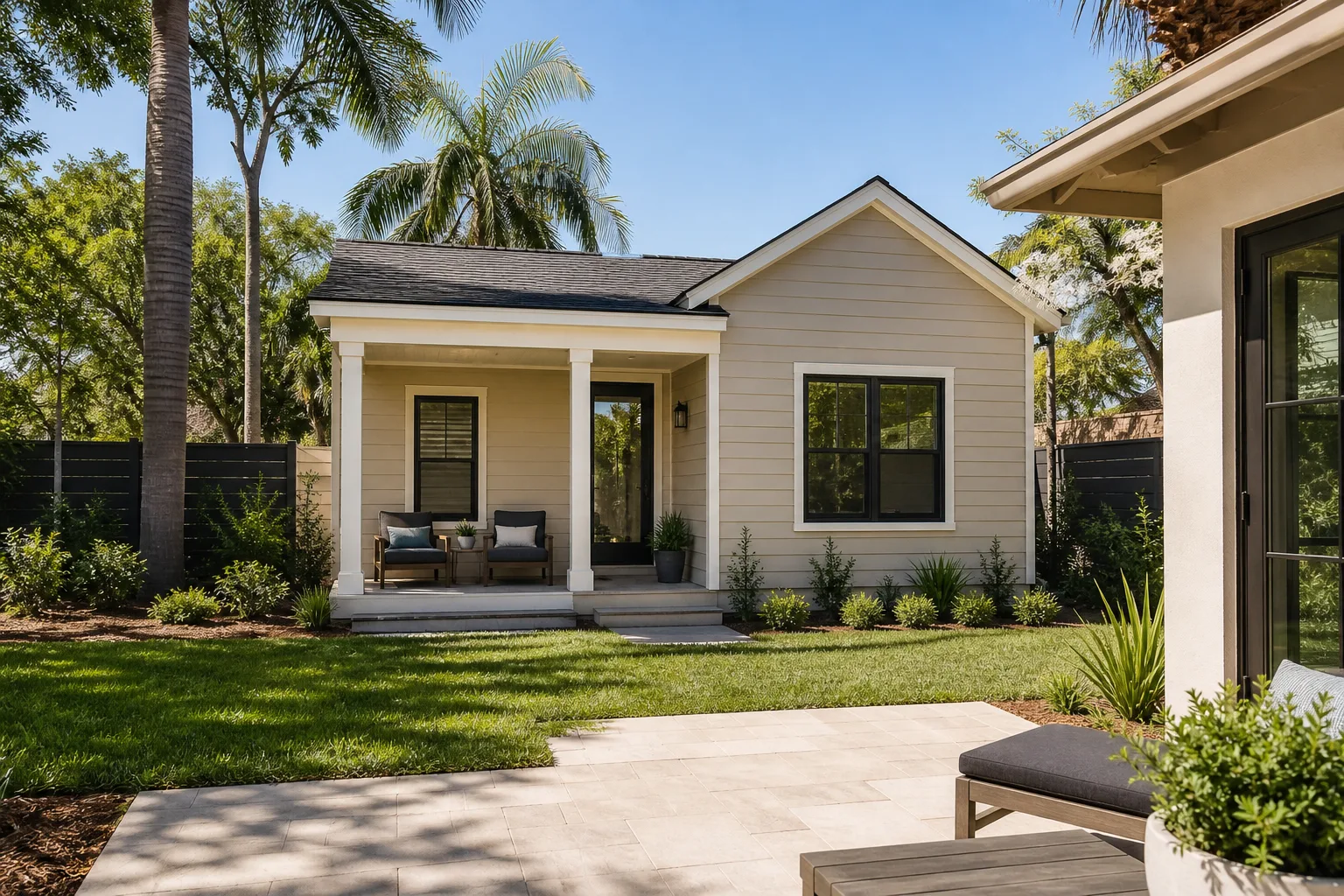
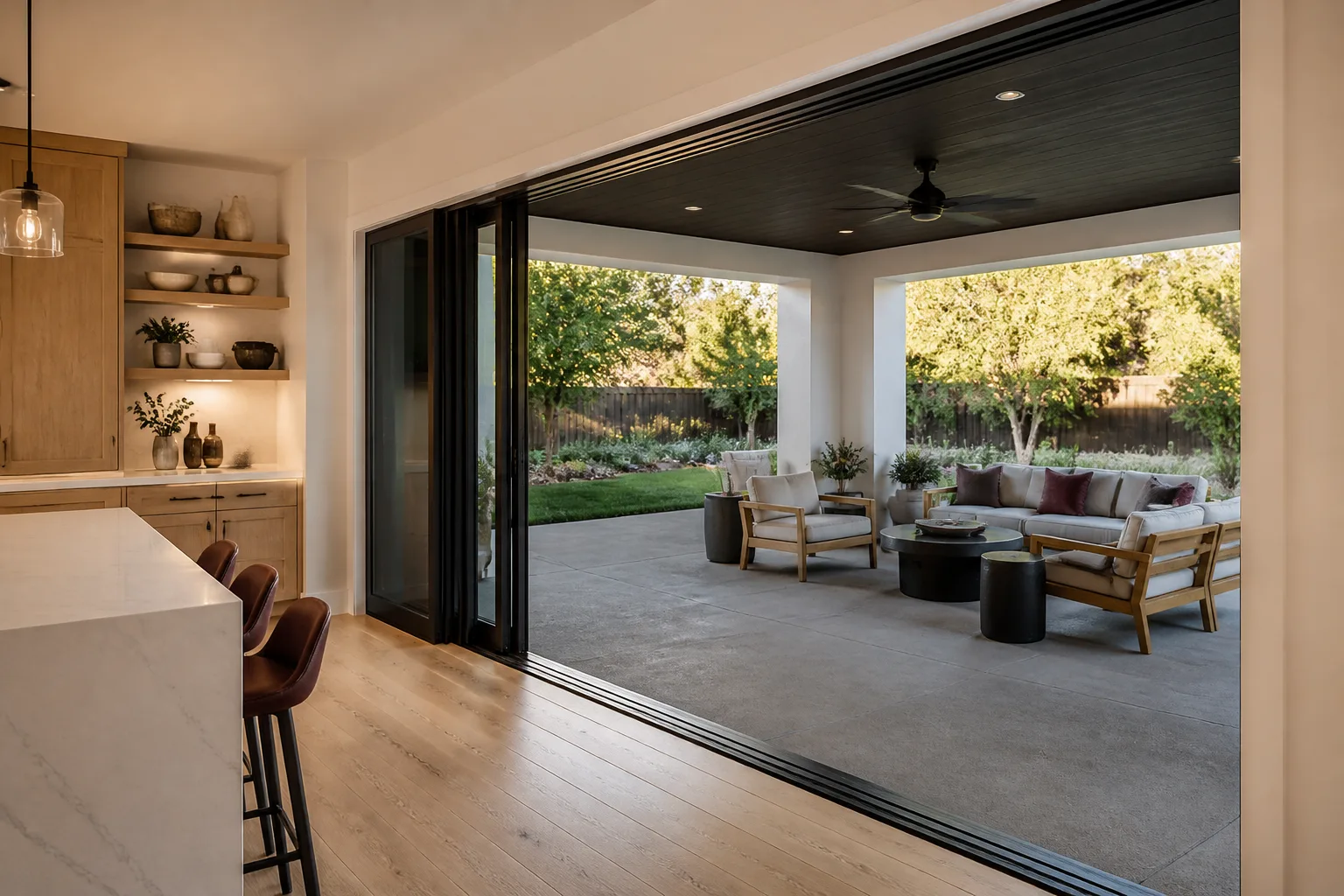
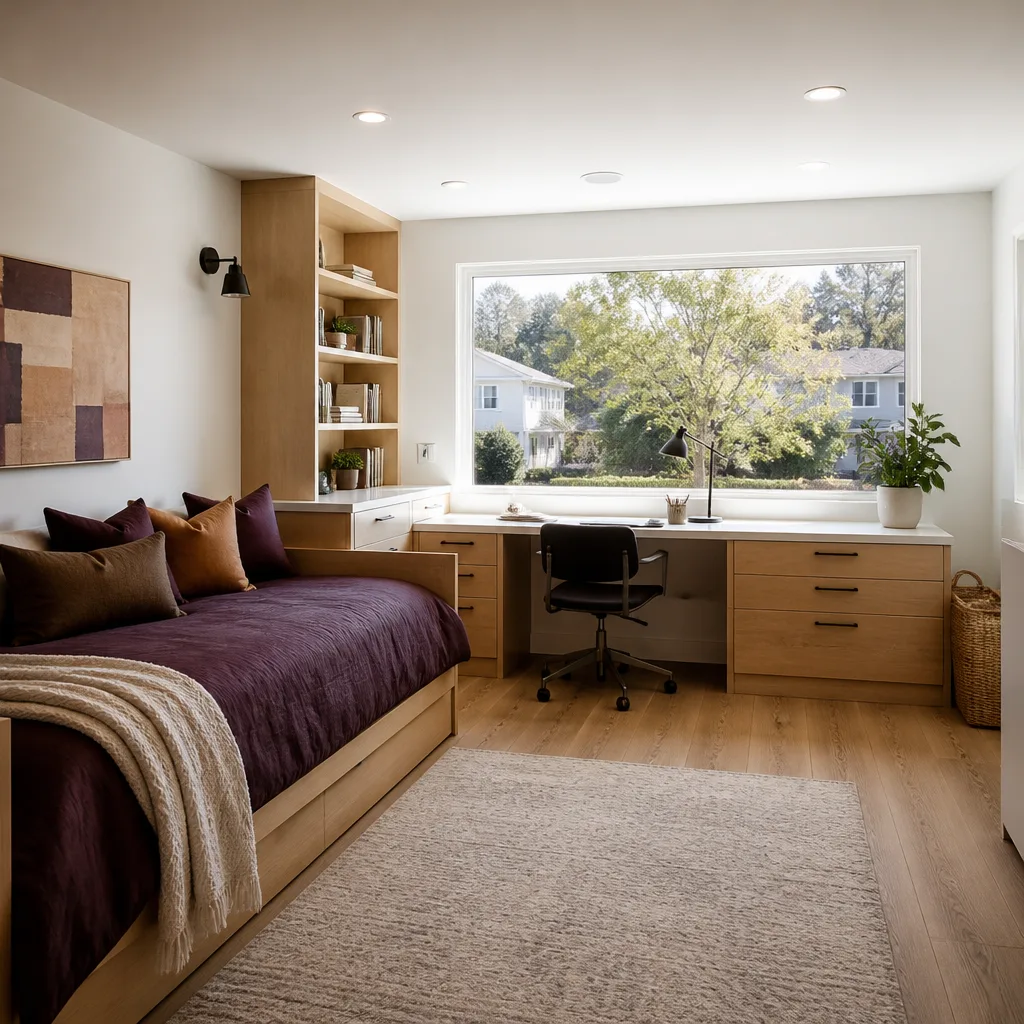
We install Unilock-compatible home additions and ADU work in Garden Grove, and a full addition typically runs $45,000-$130,000, while a detached or attached ADU lands between $90,000 and $220,000. Every project starts with a flat written price and a written scope before any work begins. On planned construction like this, there is no same-day service to promise – the honest timeline is measured in weeks and months, and we’ll tell you the real one upfront.
Owners usually discover a failure at the connection, not the finish. Water pooling against a slab edge, a hairline crack running through a patio pour that ties into the new foundation, or a settled threshold where the addition meets the original house. Those are the symptoms that send people searching for answers at 10pm. Unilock makes segmental retaining walls, pavers and permeable systems, and it’s that outdoor-to-structure transition where most Garden Grove addition problems surface first.
Which Unilock Products This Applies To
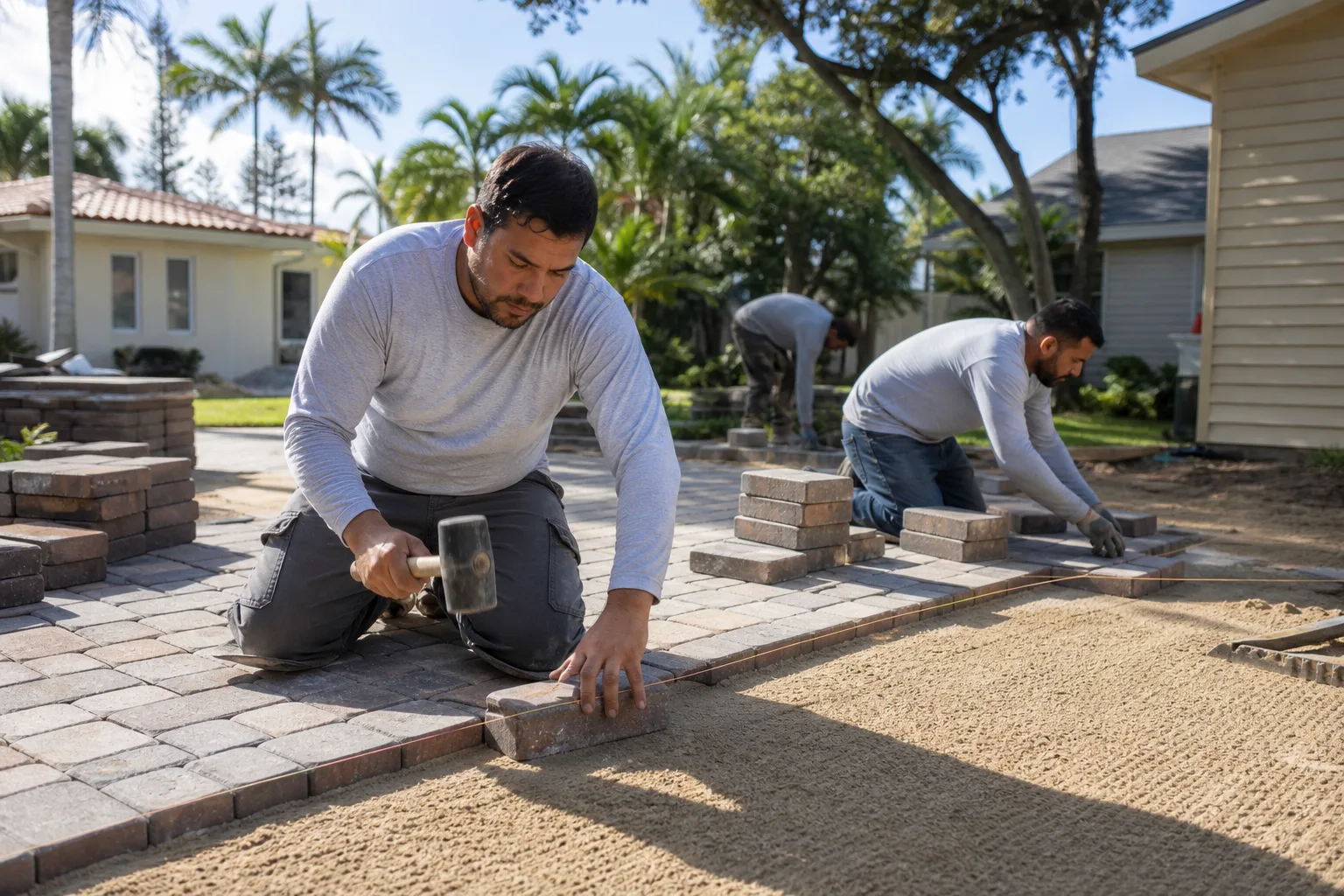
Unilock’s wall systems and pavers are the pieces that interface with an addition foundation or an ADU’s exterior hardscape. If you’re matching hardscape to a new structure, you’re likely working with a segmental retaining wall block series or a paver line, and the compatibility question is almost never the color – it’s the dimensional thickness and the coping or cap unit that completes the wall at grade. Retaining wall blocks are sold by face area, not by the pallet, and a bag of the wrong cap profile will not sit flush no matter how carefully it’s set.
To identify what you have, measure the exposed face height and the depth of the block where it meets the soil, then photograph the label on any leftover packaging. Unilock runs several wall series – some with a pinned connection, some gravity-set – and the two don’t interchange. On the OEM-versus-aftermarket call: for structural wall units, stay with the original series. A visually similar block from another maker will have different shear values, and mixing them along one retaining run is a real failure risk. For caps and cosmetic trim, a close match from a comparable producer is usually fine. We source Unilock-compatible materials as part of the seven trades we run, and we’re independent – not affiliated with Unilock – so we’ll tell you plainly when an exact match matters and when it doesn’t. We also work with KraftMaid, Cambria and Silestone when an addition or ADU brings cabinet and countertop work into scope.
Styles & brands we work with
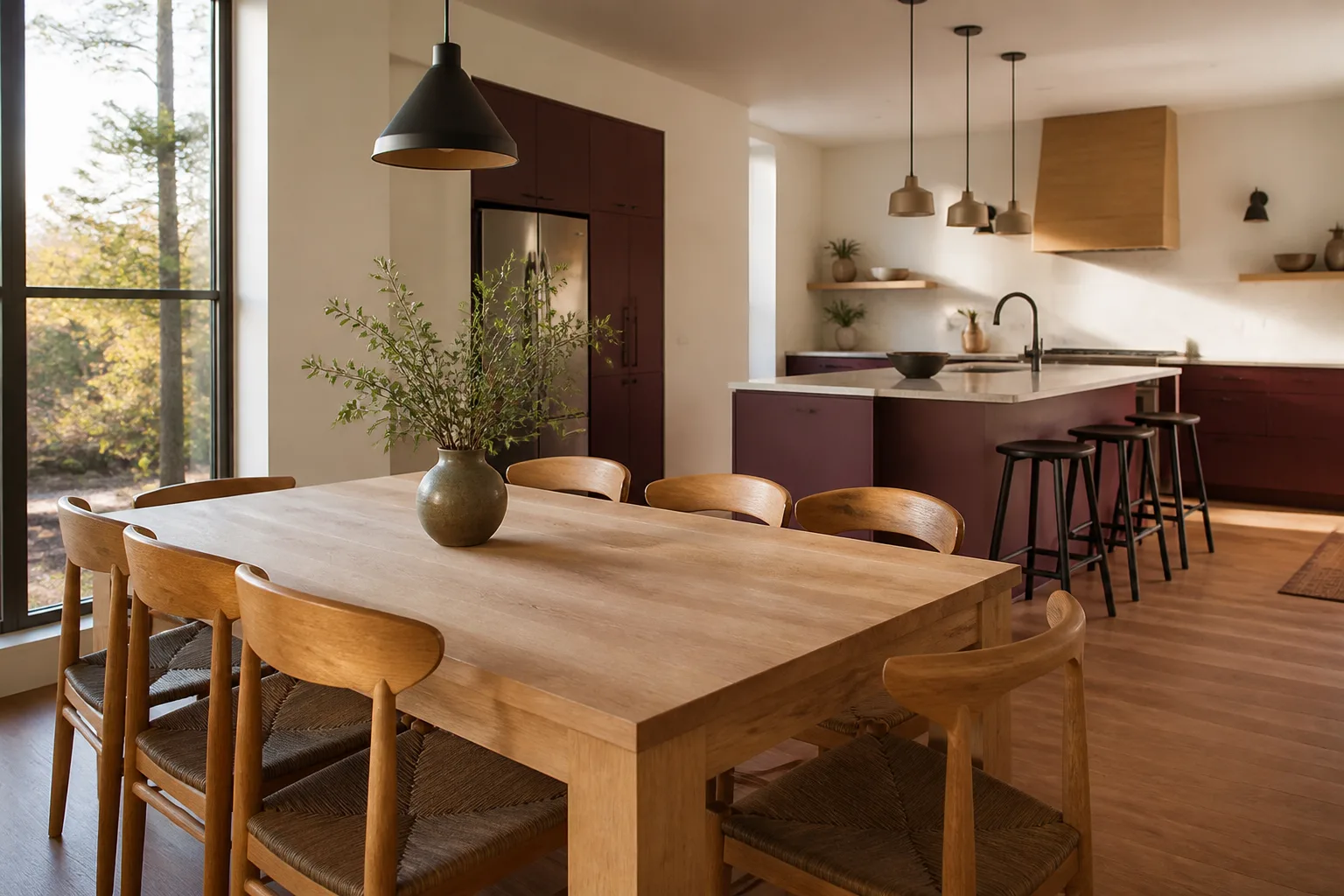
- Kitchen remodeling
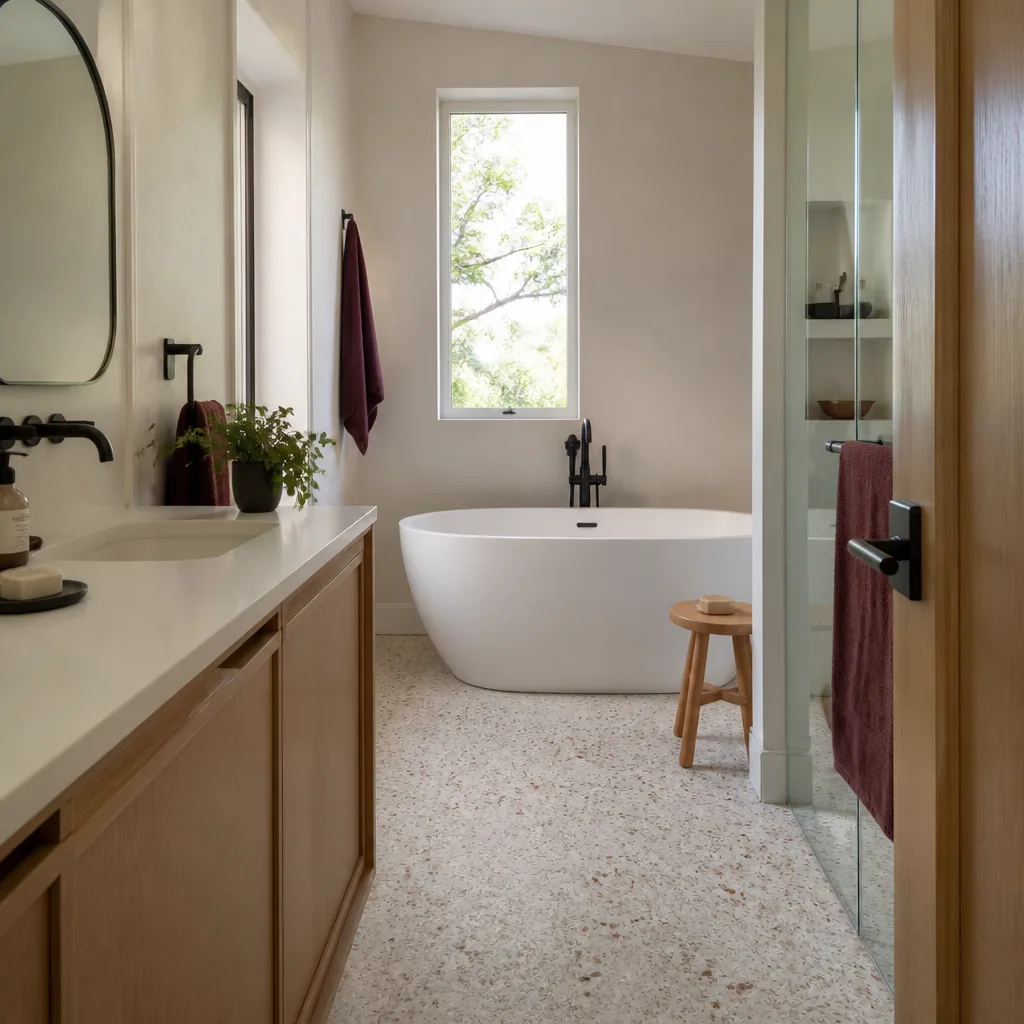
- Bathroom remodeling
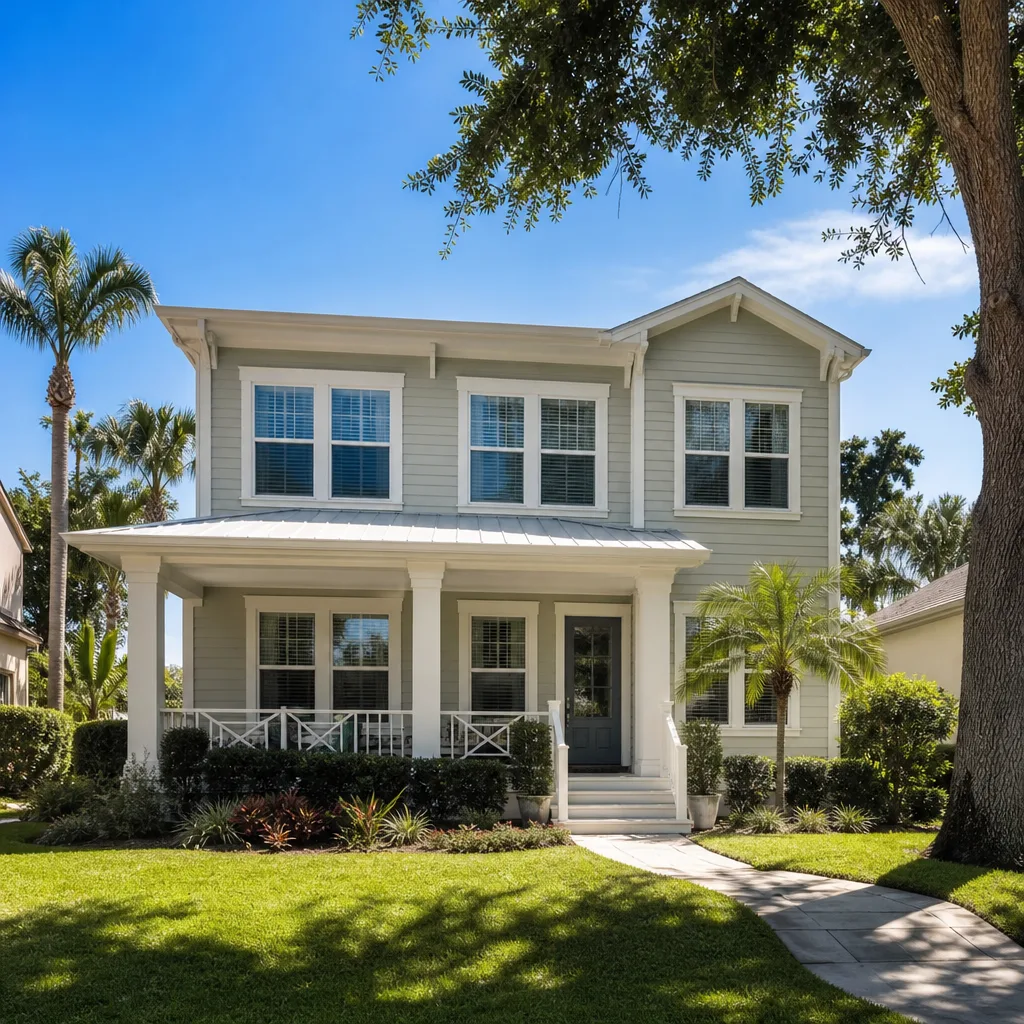
- Home additions & ADU
- Roofing
- Windows & doors
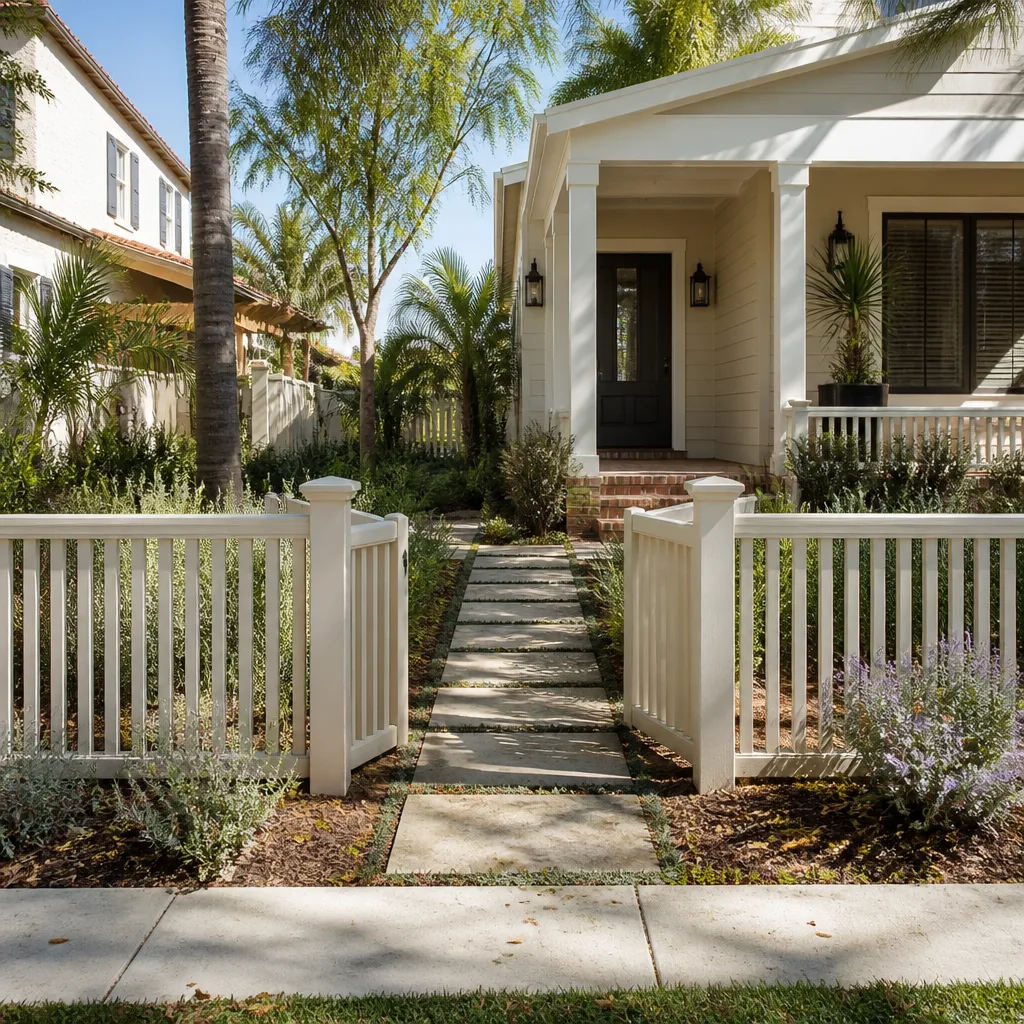
- Driveway & pavers
- Fence
Signs Your Unilock Home Additions & ADU Is Failing
- Soil staining or efflorescence on the wall face. White mineral bloom that keeps returning after rain points to water moving through the block from behind – usually a drainage or backfill problem, not a bad batch of stone.
- Bulging or leaning in a segmental wall. A wall that curves outward at the top is showing that the geogrid reinforcement and the tier setback have stopped working together. This is the one you don’t wait on.
- Settling at the threshold where the addition meets grade. Common in Garden Grove’s older inland lots where fill was never compacted to a structural standard. A dip here lets water track toward the new foundation.
- Paver displacement or joint sand washing out. When the pavers in front of a new ADU shift after the first wet season, the base layer underneath is the suspect – not the pavers.
- Hairline cracks running from a wall corner toward the structure. Often movement at the tie between hardscape and foundation. Cosmetic on its own; a sign to check the drainage before it becomes structural.
See the difference
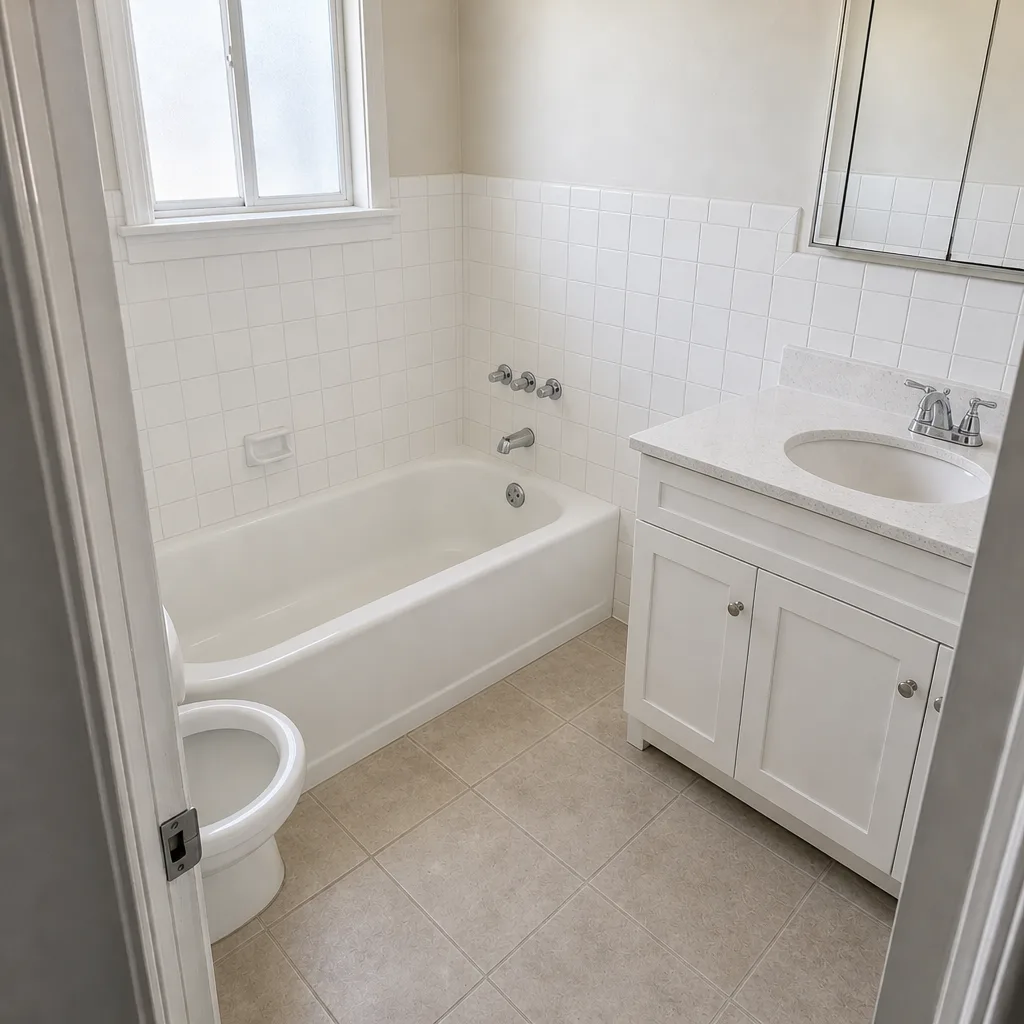
 Before
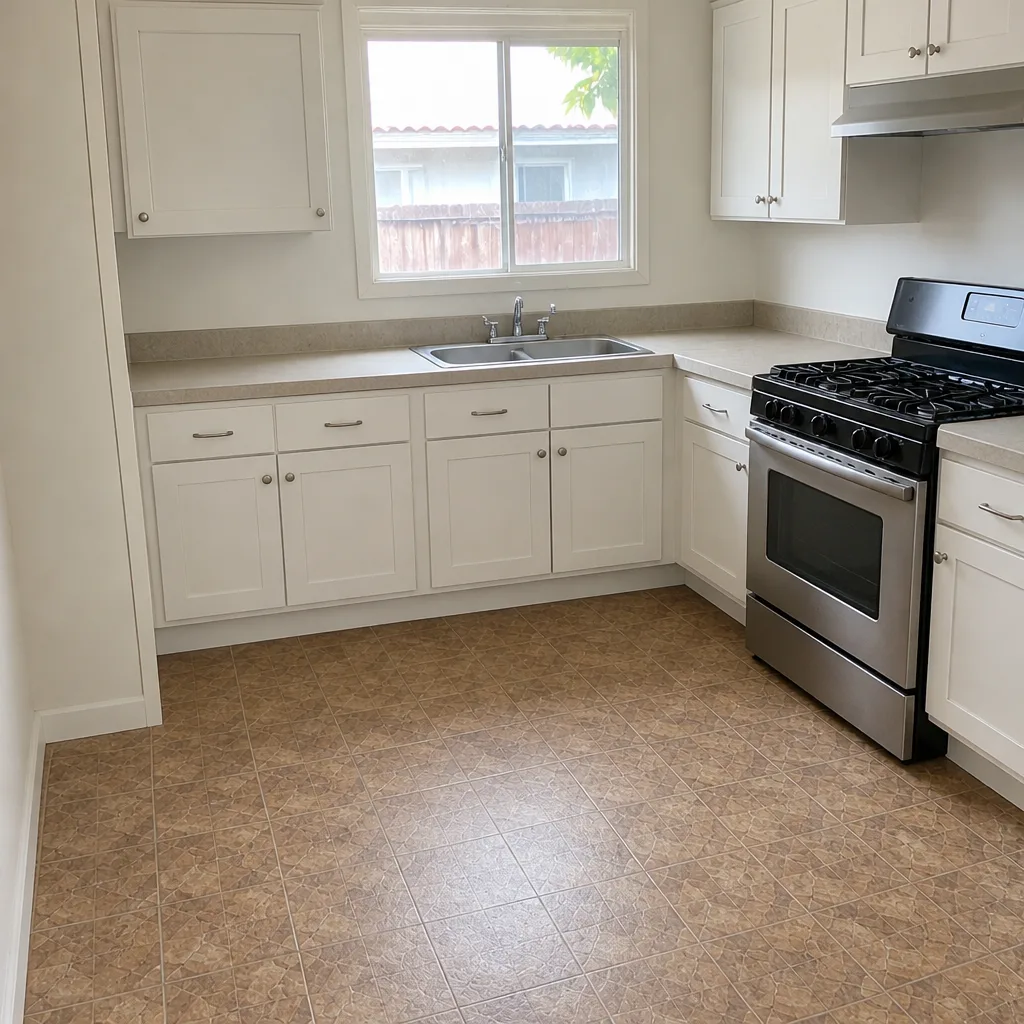 After
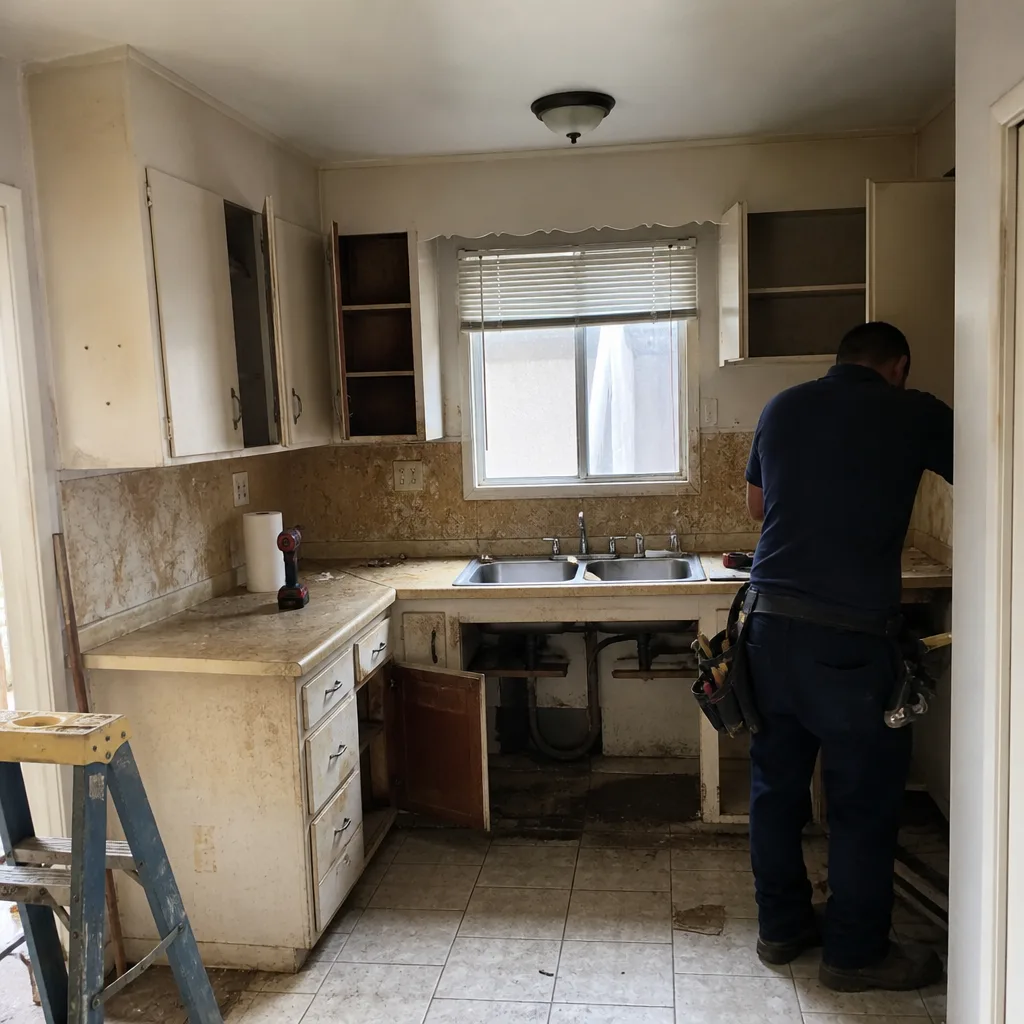 Before
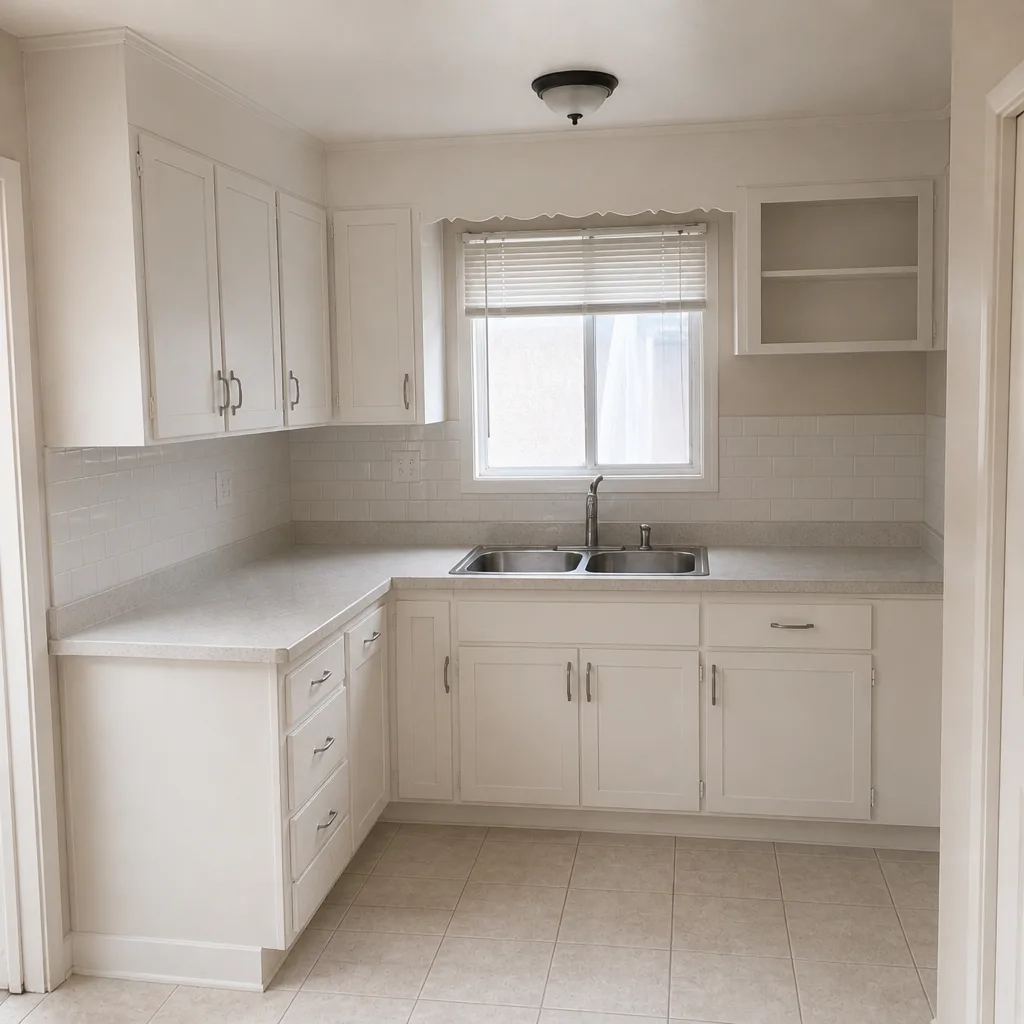 After
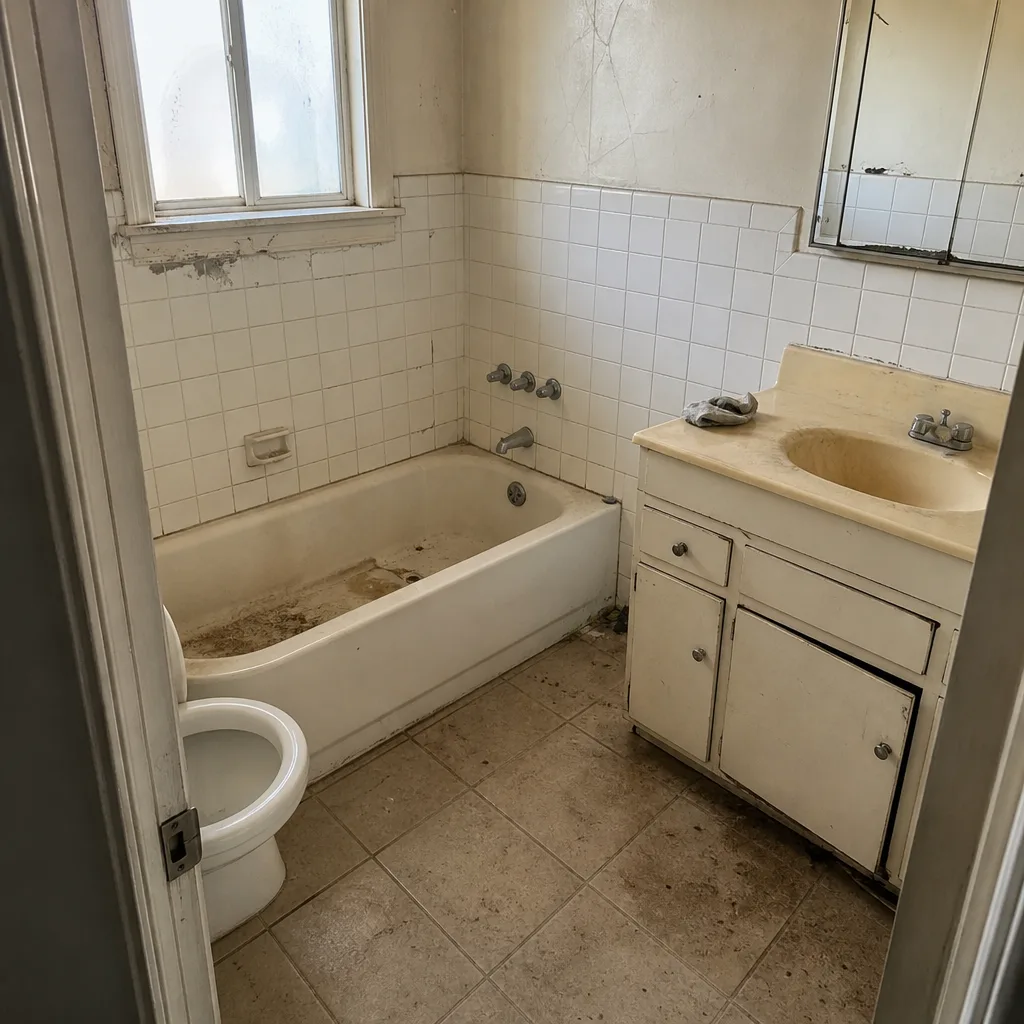 Before
 After
Replacement Cost & What’s Included
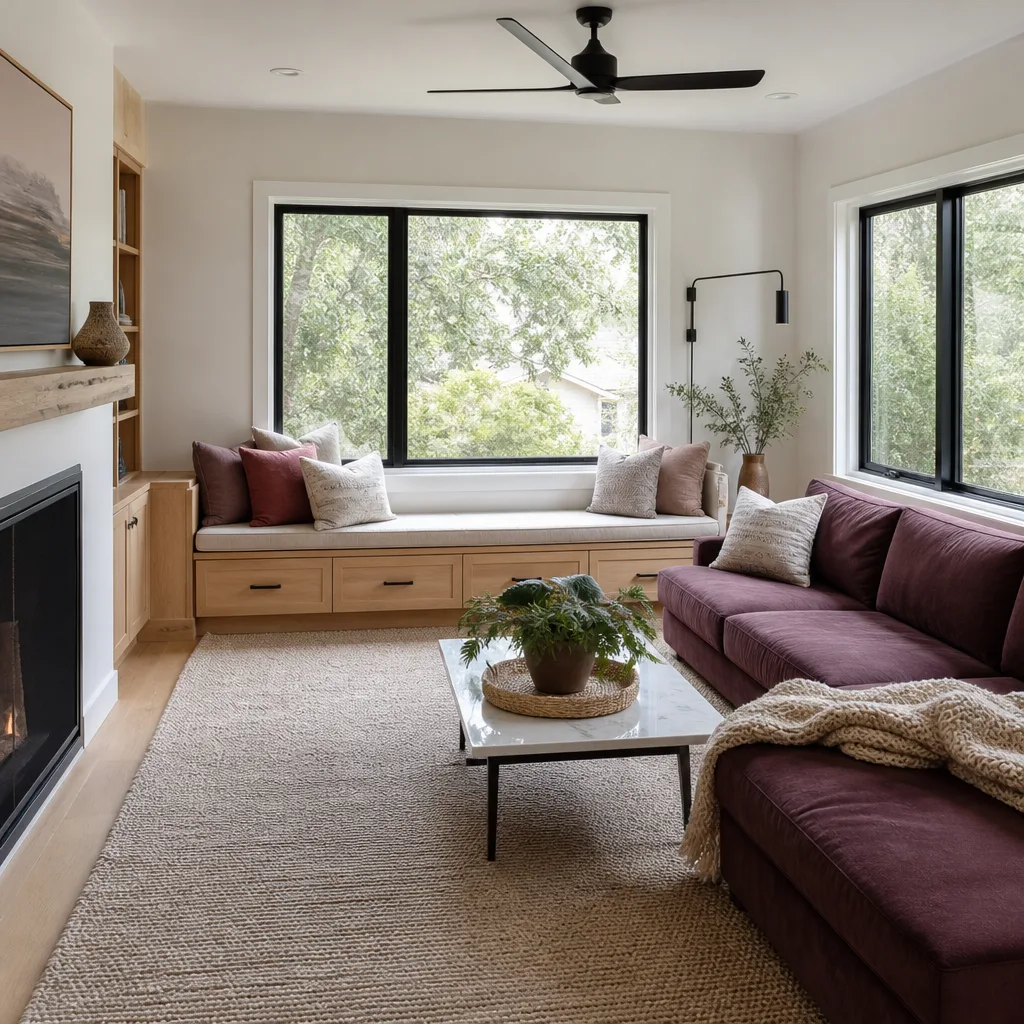
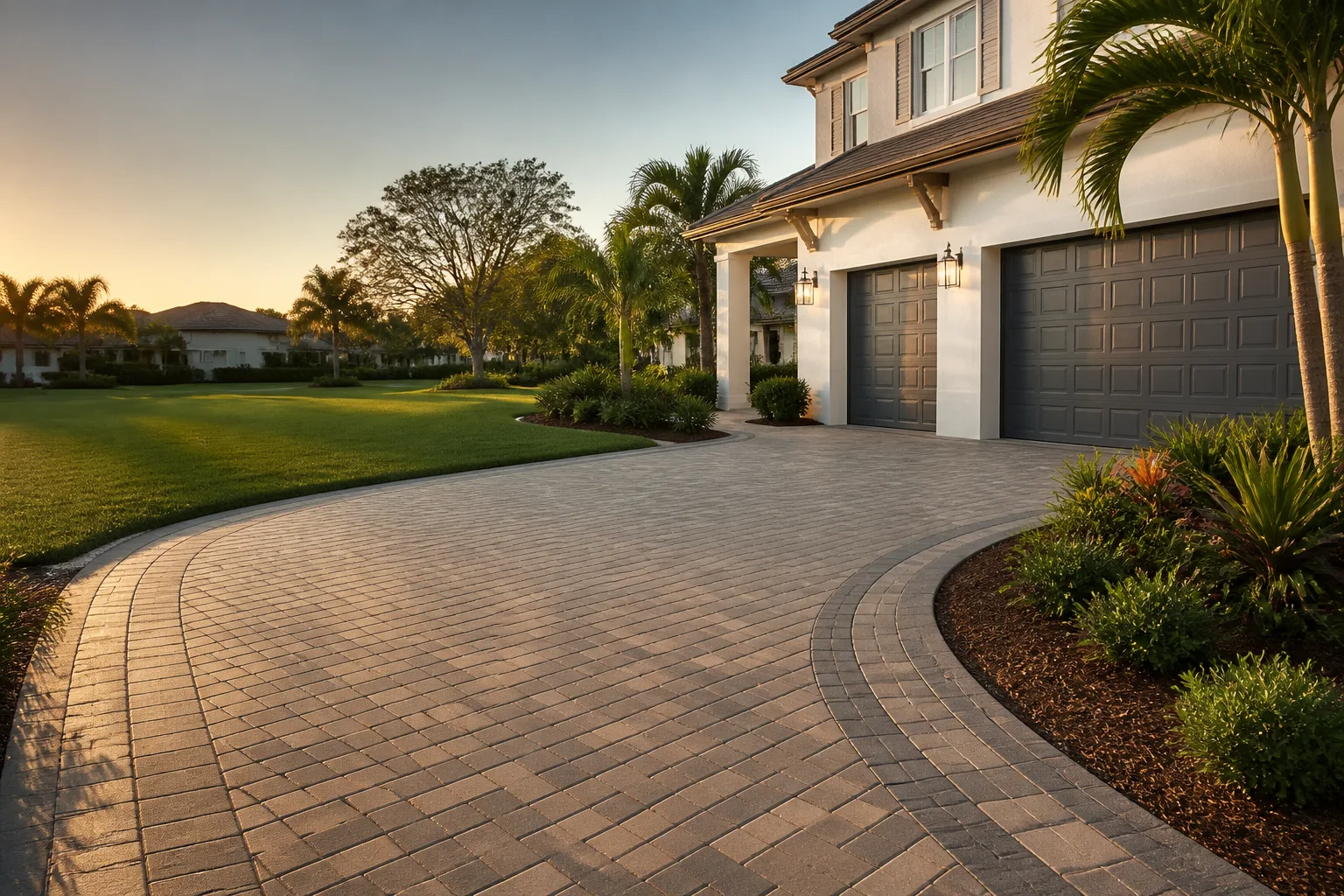
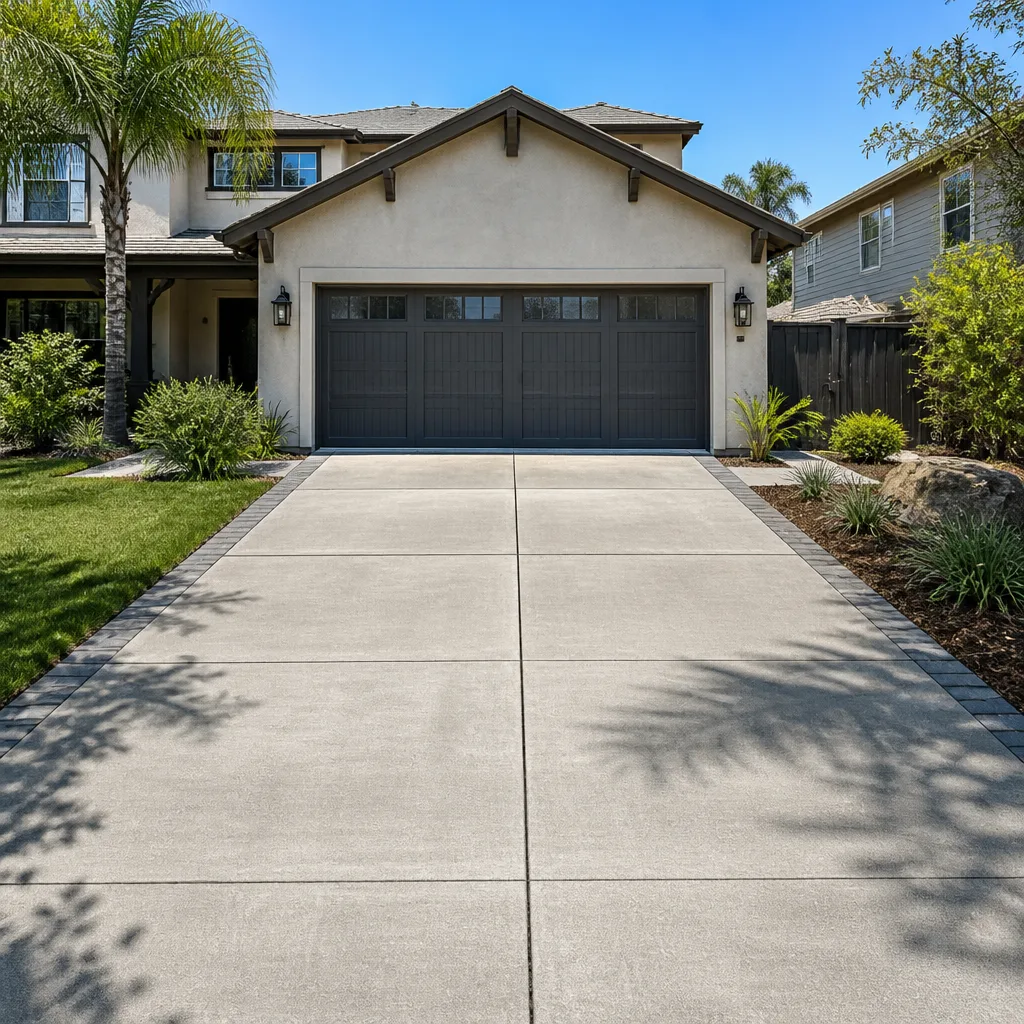
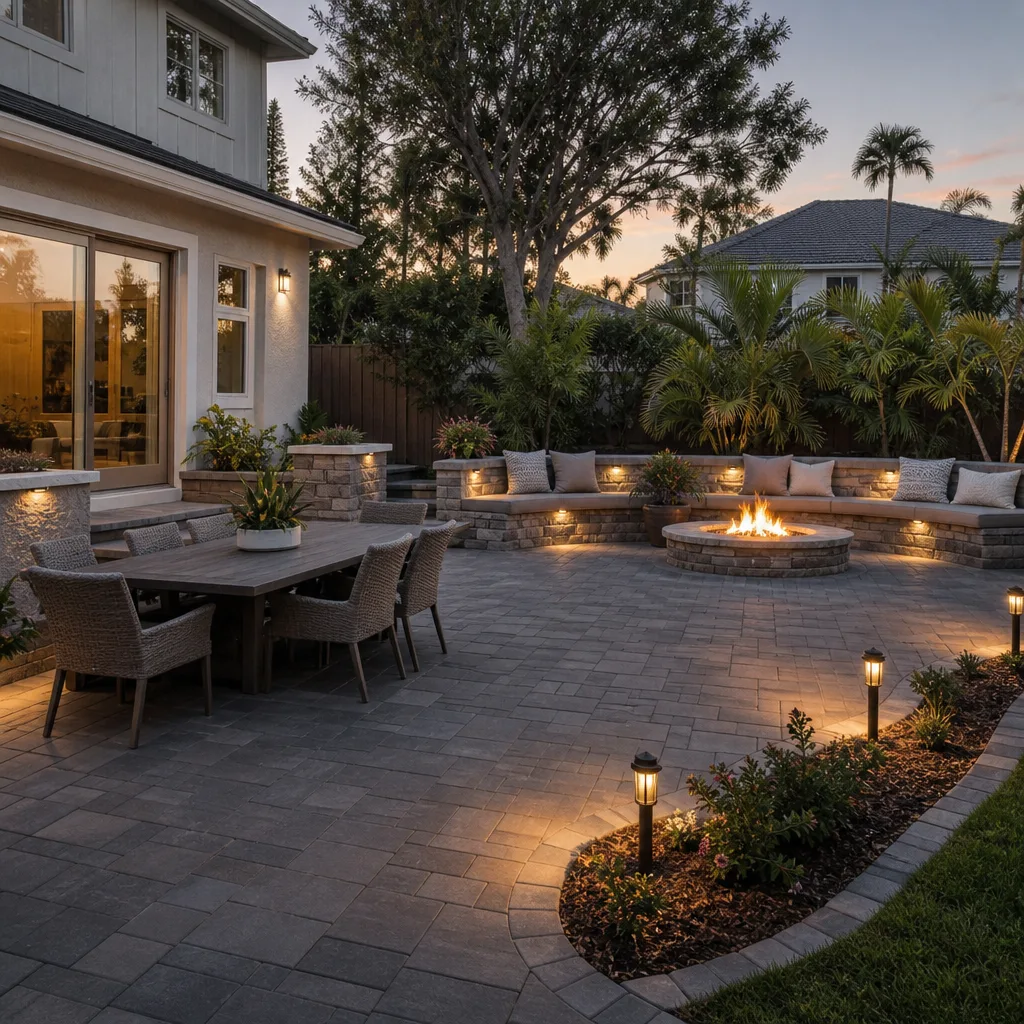
For Garden Grove, budget $45,000-$130,000 for a home addition and $90,000-$220,000 for ADU construction. A garage conversion sits lower, at $30,000-$80,000. If the failing piece is hardscape tied to the structure, a paver patio runs $3,500-$11,000 and a paver driveway $7,000-$18,000 – those numbers help you separate a wall-and-paver fix from a structural one. What drives the range is foundation depth, the length of the retaining run, whether drainage has to be rebuilt, and how much of the existing hardscape can be salvaged.
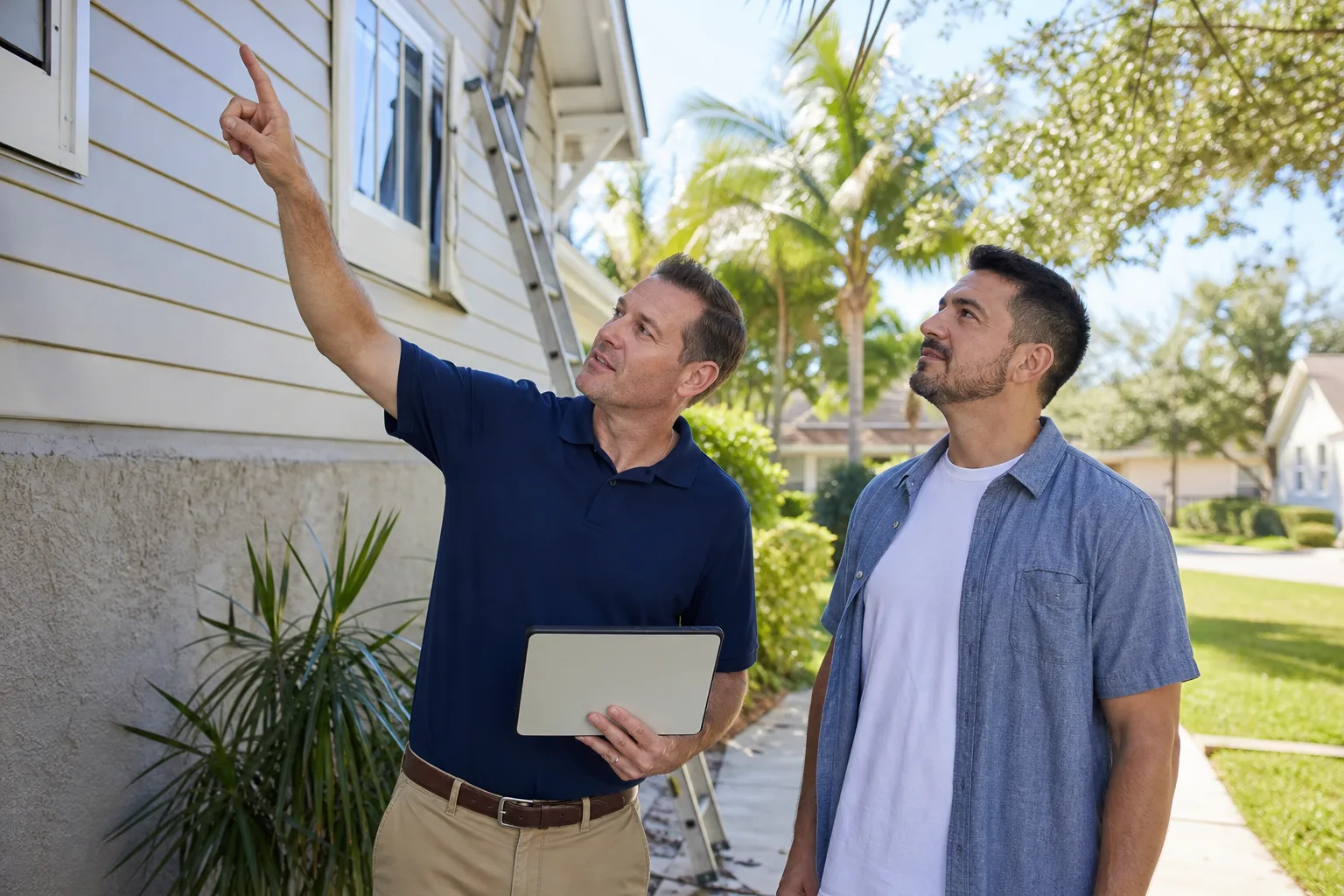
The price we give you is flat, with the scope and the warranty written down, and no change proceeds until a change order is signed. That discipline is why projects here finish within a few percent of the agreed number. Every visit includes a documented photo record of what we found and what we did.
DIY or Call Us?
You can safely do three things on your own: photograph the wall and any visible labels, measure the exposed face height, and note where water pools after rain. That’s a solid fact-finding pass you can text us. What you should not do yourself is reset a segmental retaining wall – a leaning wall carries real lateral load, and pulling blocks from the face can release it. That’s a job for trained hands, not a Saturday.
On the structural side, foundation and threshold work should always go to a professional; the cost of getting it wrong dwarfs the labor. Our technicians have up to 19 years of experience, and they’re background-checked and uniformed. Call (888) 303-8980 to schedule your free estimate; we’ll review a competitor’s quote line by line at no charge if you have one.
FAQs
How long does a Unilock retaining wall or the hardscape around an addition last in Garden Grove? A properly built segmental wall with functioning drainage lasts 30-plus years; the units themselves outlast the base and drainage, which is what usually fails first. Our inland climate’s dry summers and wet winters stress the backfill more than the block. Call (888) 303-8980 for an exact quote on your situation – estimates are free.
Can a failing wall or settled threshold be repaired instead of replaced? Often yes – a wall that’s only shifted a little can be reset with new base and drainage, and a settled threshold can be lifted and re-supported. It comes down to how far it moved and whether the foundation is involved. We’ll tell you honestly which side of that line you’re on.
How long does the repair or replacement take? A paver or wall reset typically runs a few days; anything touching the addition foundation or an ADU takes weeks, and we chart that in the written scope before we start. No surprises mid-project.
How do you source the part? We match your series by measurement and label, then source the exact wall or coping unit from the original maker when structural compatibility matters, and a comparable producer when it doesn’t. You get a written line-item price noting the spec either way. Call (888) 303-8980 for a free estimate.
If you’re looking at a leaning wall, a settled threshold, or hardscape that’s pulling away from a new addition in Garden Grove, don’t guess at the fix. Call Rowan Construction Group at (888) 303-8980 for a free estimate – we’ll put the price in writing with a documented scope, and the work is backed by our 365-Day Done Right Promise.
Written by the team at Rowan Construction Group Garden Grove, serving Garden Grove and nearby areas.