Free written scope consultation - allowances, timeline, and change-order rules on paper before a single trade is scheduled
Styles & brands we work with
- Kitchen remodeling
- Bathroom remodeling
- Home additions & ADU
- Roofing
- Windows & doors
- Driveway & pavers
- Fence
See the difference
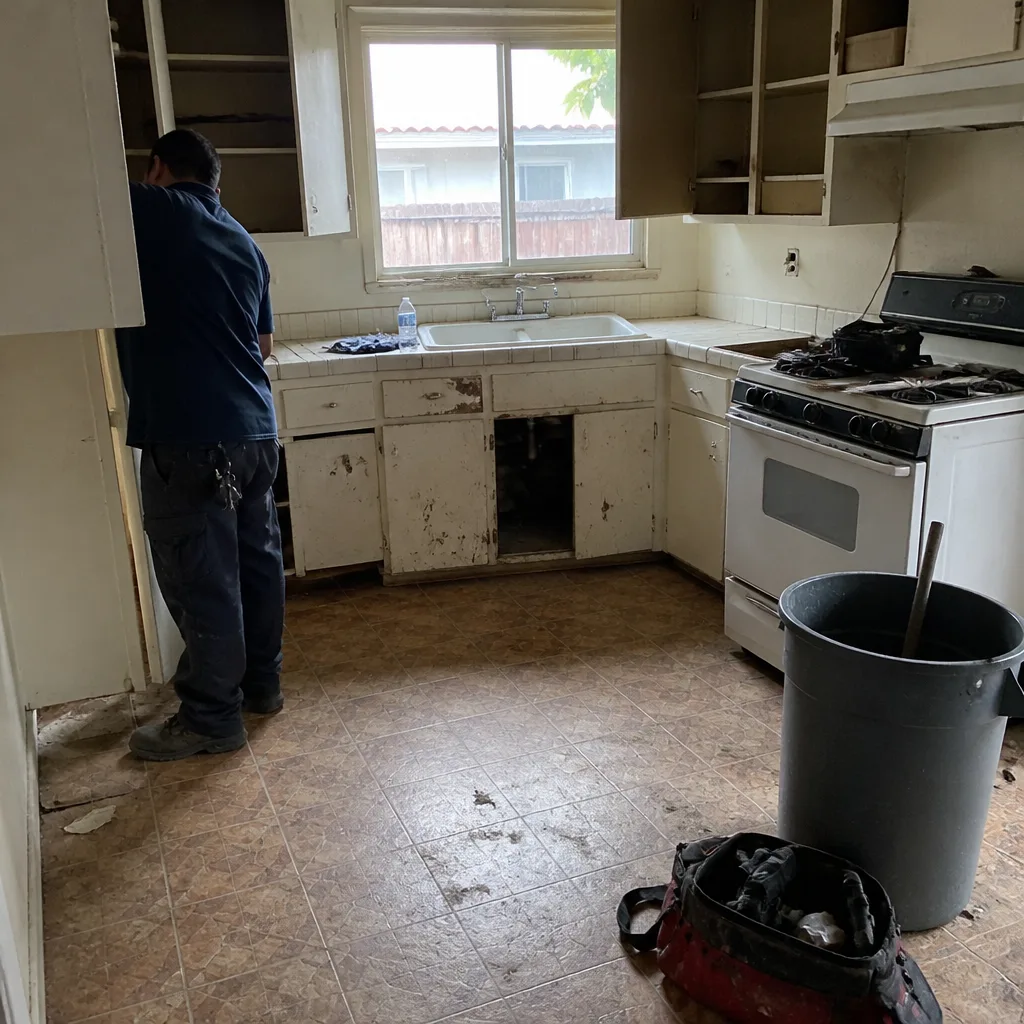 Before
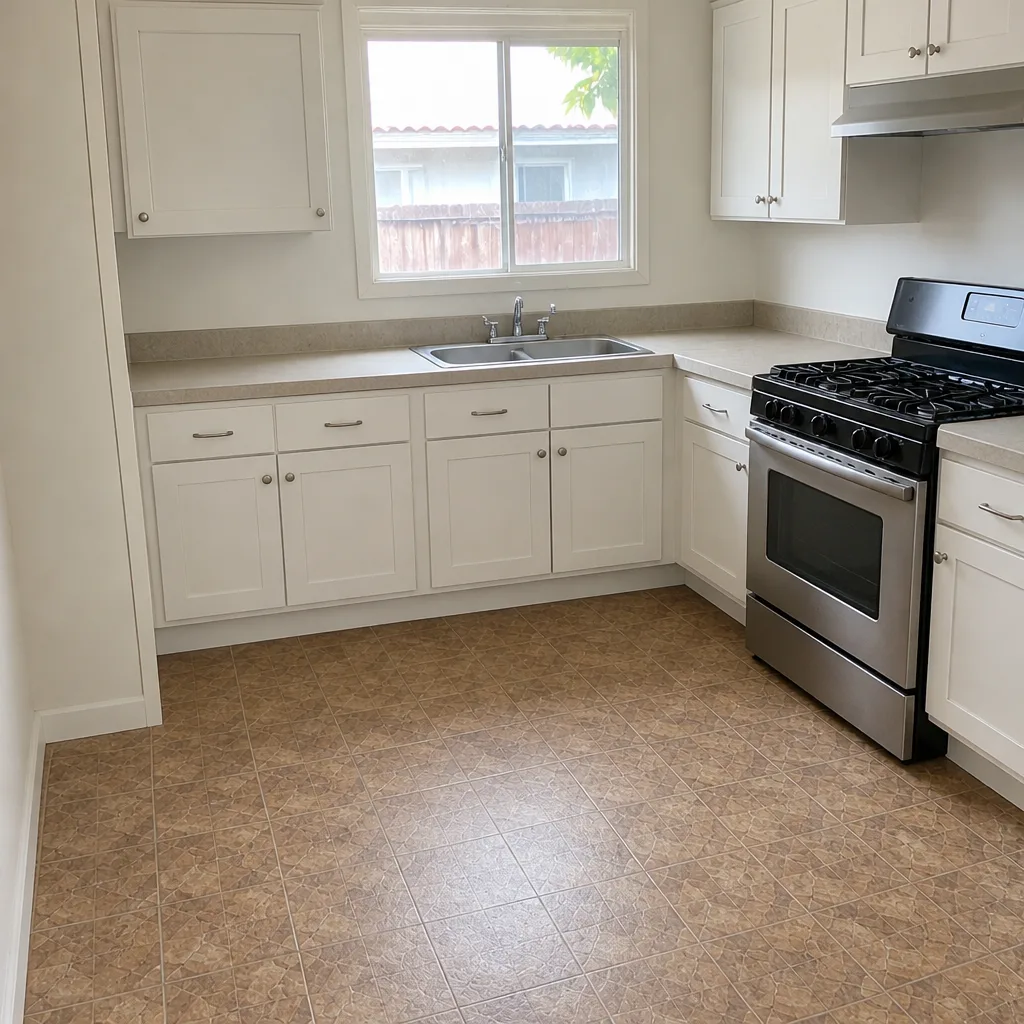 After
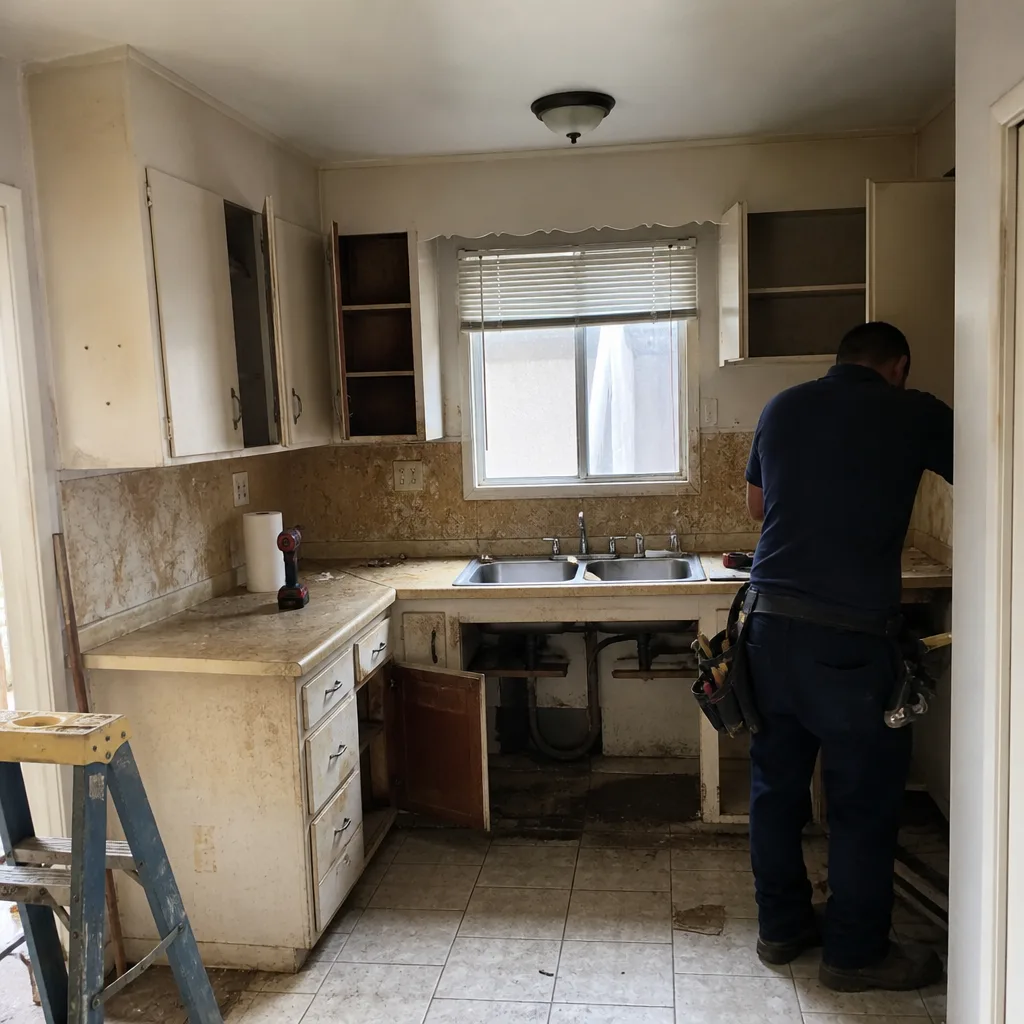 Before
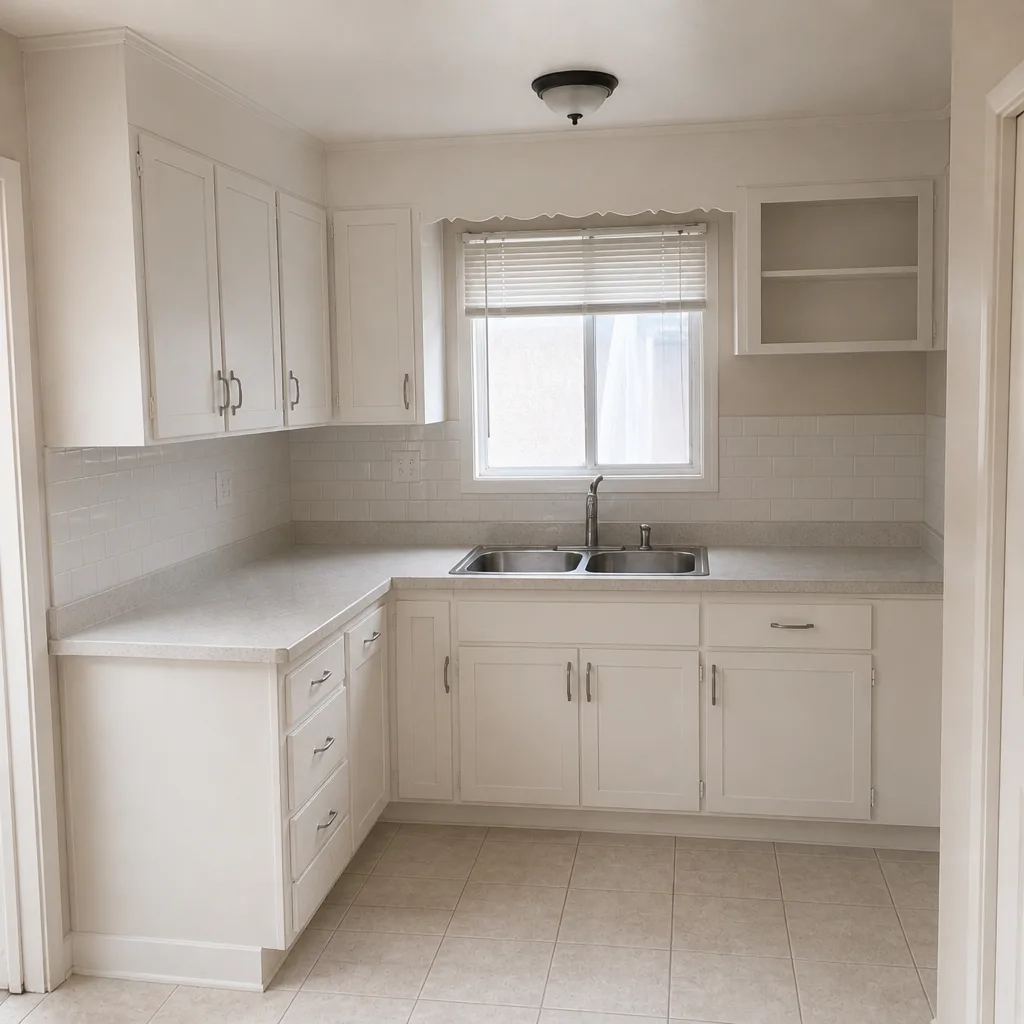 After
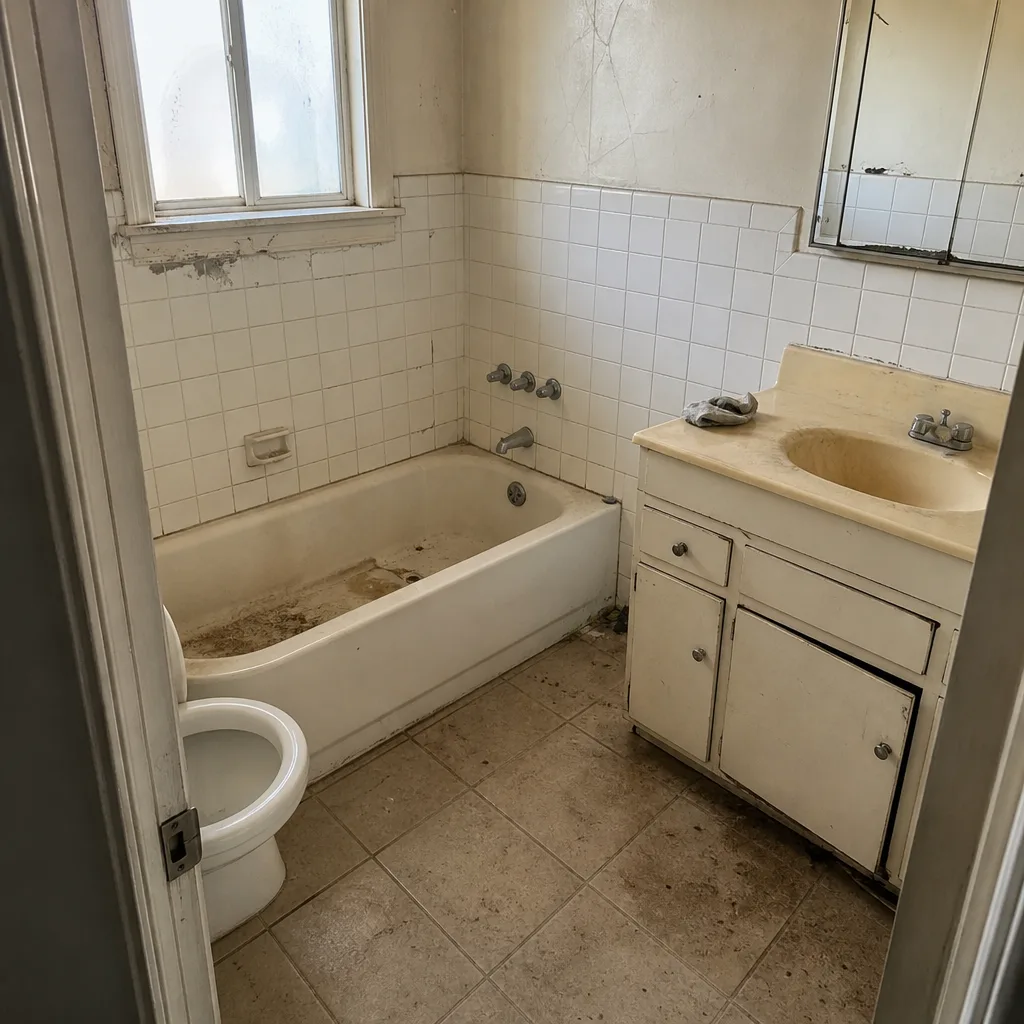 Before
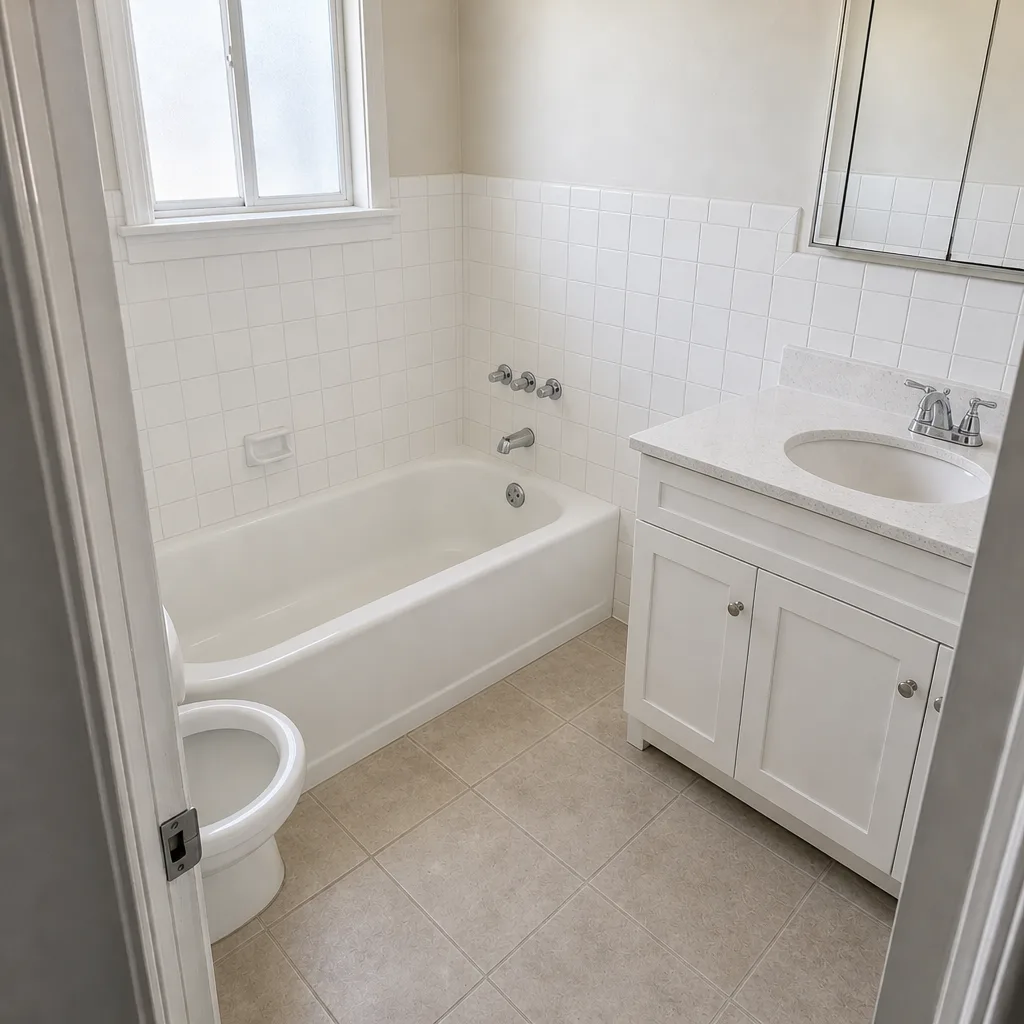 After
Home Addition vs ADU in Garden Grove, CA: Choose Based on Your Lot, Not Your Budget
Choose an attached ADU if you want rental income or a legal separate dwelling; choose a room addition if you need space for your own household and have coverage room to build. In Garden Grove, that second condition is where most projects stall. On a typical 6,500 sq ft lot where the detached garage already sits close to the rear property line, lot coverage and rear setbacks are often maxed out, so a detached ADU can be legally impossible without a variance. A survey decides it, not a preference. Call (888) 303-8980 and we’ll walk you through what your lot can actually carry.
Key Takeaways
- A room addition shares utilities and walls with the main house and cannot be rented as its own unit. An ADU is a separate, rentable dwelling with its own kitchen and bath.
- In Garden Grove, lot coverage and rear setbacks usually decide the project type before cost does. Nearly all postwar housing was built tightly together on small lots.
- Plan on a property survey ($800-$1,500) as the first paid step. That figure goes straight into the written quote.
- A 400-600 sq ft ADU in the 92841 and 92843 ZIP codes can realistically rent for $2,200-$3,200 a month, which changes the payback math entirely.
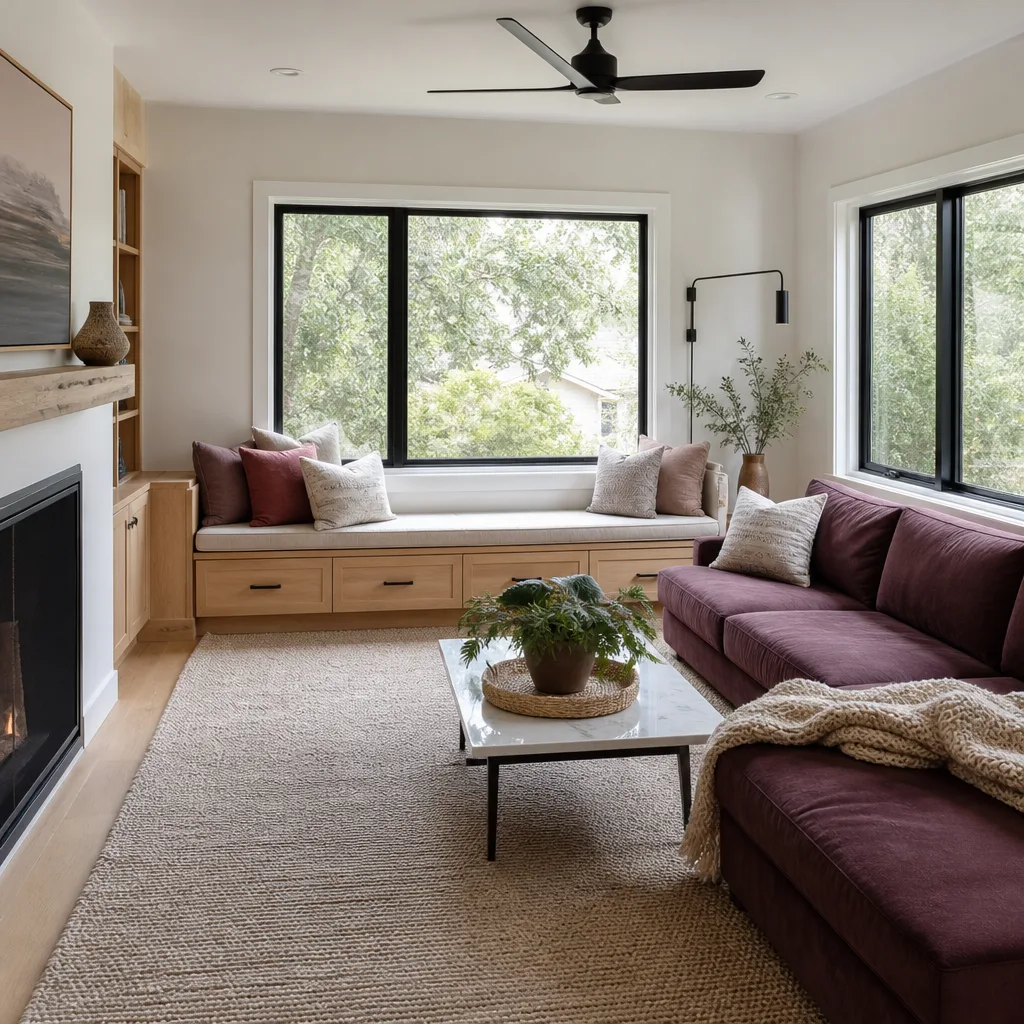
Why the Garden Grove Lot Comes First
The comparison pages online tend to start with price per square foot. That’s the wrong end of the telescope here.
Garden Grove’s housing stock was largely built out between the 1950s and 1970s: single-story ranch and minimal-traditional stucco homes with attached garages, packed onto lots of roughly 6,000-7,000 sq ft. Rear yards got built right up to the property line. Detached garages and patios were added over the decades with whatever coverage room was left at the time.
By now, many of those lots are 40-45% covered. Garden Grove’s municipal code caps how much of the parcel can be covered and requires minimum rear and side setbacks. So when a homeowner asks us whether an ADU or an addition fits, the honest answer is often “neither, not the way you’re picturing it.”
What usually works instead is one of two paths:
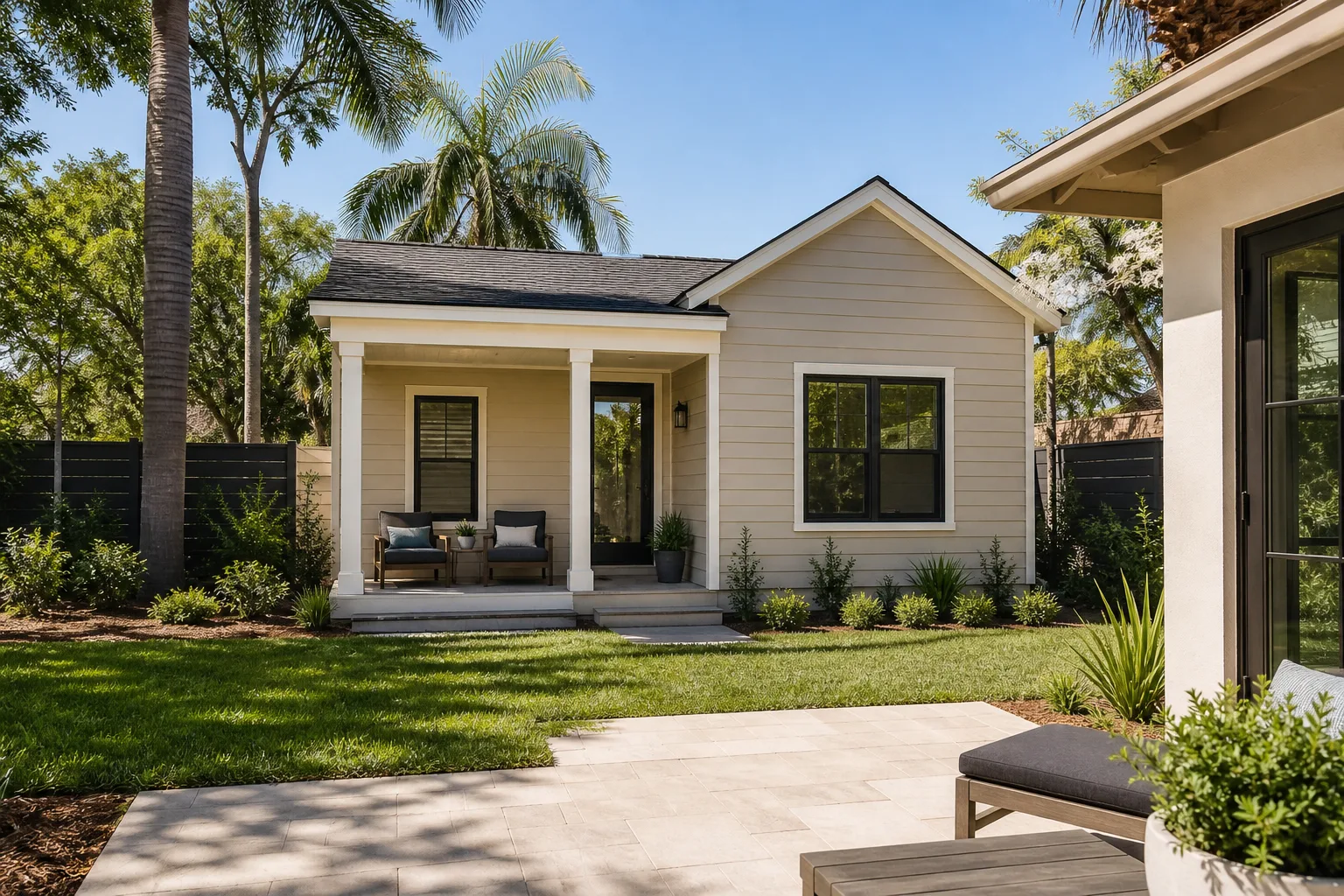
- An attached ADU built onto the existing footprint, sharing a wall and a utility run with the main house.
- A second-story addition over the existing garage, which gains square footage without adding new ground coverage.
Neither is a compromise. Both are the plan that actually clears review. The difference gets settled by a licensed surveyor measuring the real rear setback and the real lot coverage, because county records and reality drift apart over 60 years of unpermitted patios.
Room Addition vs. ADU: The Legal Difference That Changes Everything
Start here, before any number gets discussed.
A room addition is attached to the main dwelling, shares its utilities and usually its roofline, and cannot be rented as an independent household in most cases. It’s square footage for you.
An ADU (accessory dwelling unit) is a complete, separate dwelling: its own entrance, kitchen, bathroom, and sleeping area. It carries legal rental rights an addition does not. Many Garden Grove families build one for an in-law, then rent it out years later. In this city, with its large multi-generational households and room additions for in-laws already the norm, that flexibility gets used.
That single legal distinction drives every downstream decision: financing, permit type, utility tie-ins, and resale value. If you want income, it has to be an ADU. If you want your household to have more space and nothing else, an addition is the simpler structure and the simpler permit.
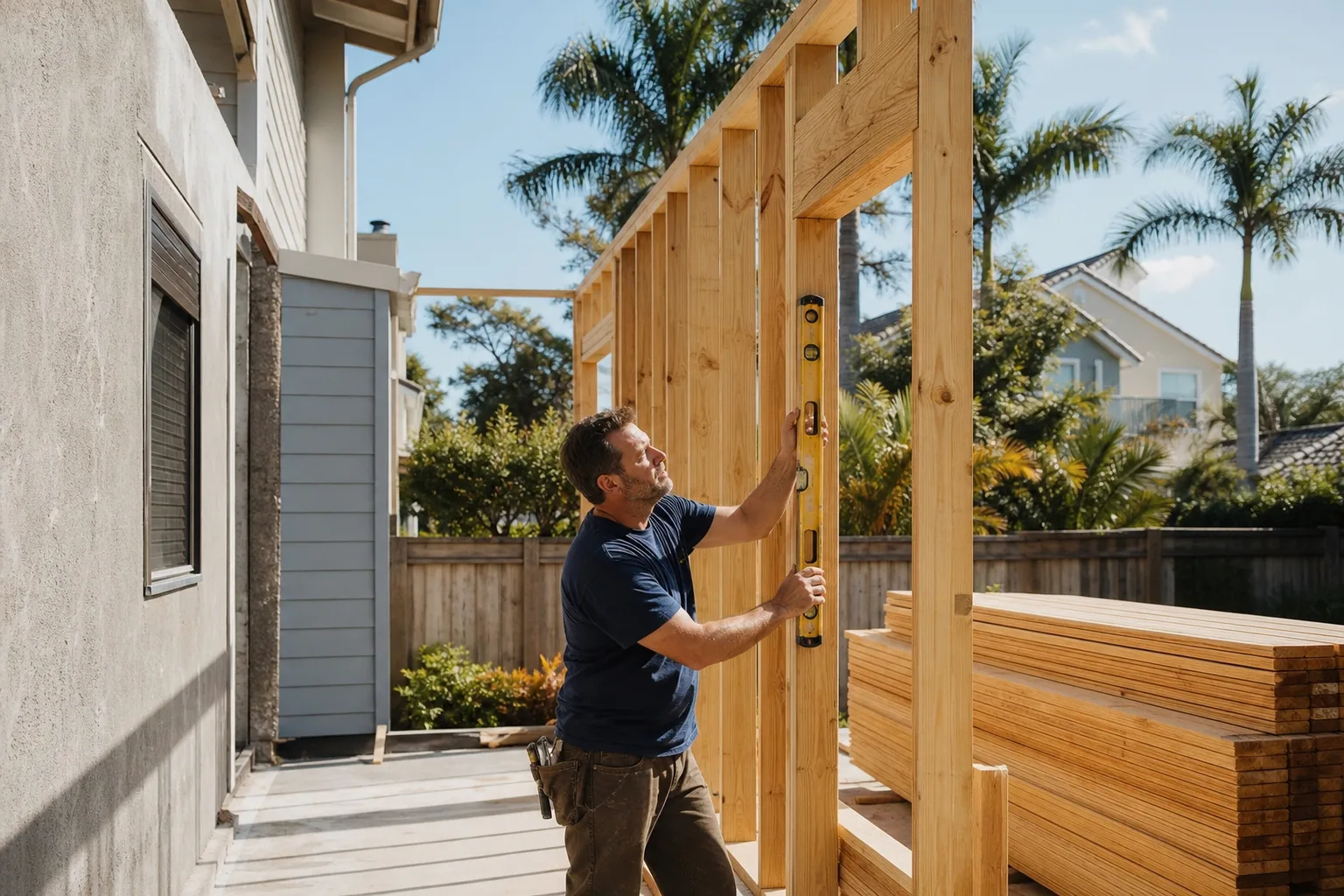
What Does Each Option Cost in Garden Grove?
Room additions in Garden Grove run $45,000-$130,000 depending on size and whether structural rework is involved. ADU construction runs $90,000-$220,000. Garage conversions, the middle path, land between $30,000 and $80,000.
| Project | Typical Range | Rentable? | Adds ground coverage? |
|---|---|---|---|
| Home Addition | $45,000-$130,000 | No | Yes |
| ADU Construction | $90,000-$220,000 | Yes | Usually yes |
| Garage Conversion | $30,000-$80,000 | Yes | No |
| Property Survey (first step) | $800-$1,500 | – | – |
The garage conversion line matters more than most comparison pages admit. A conversion reuses a structure already on the lot. It doesn’t add ground coverage, so it sidesteps the exact problem the rear setback creates. If a fully detached ADU isn’t legal on your parcel, a garage conversion or attached ADU is often the cleanest way to get rental income anyway.
Before quoting either path, we send a surveyor. That survey cost is written into the flat price rather than buried afterward. It’s the same discipline we apply across every trade, from kitchen remodeling through Home Additions & ADU work.
Which Option Pays You Back?
A finished 400-600 sq ft ADU in the 92841 and 92843 ZIP codes rents for roughly $2,200-$3,200 a month in today’s Garden Grove market. Run the arithmetic: at the midpoint, a $120,000 garage conversion pays back in about four years of occupancy. A $175,000 detached ADU takes closer to seven.
A room addition pays back differently. It raises the appraised value of the house, but it doesn’t generate monthly income, and appraisers value it on comparable square footage, not on rent. If you want the space for your own family, that’s a fine return. If you’re building for cash flow, an ADU wins on paper almost every time.
Financing the Two Paths
Additions usually get funded through a HELOC or a cash-out refinance against the existing home’s equity. ADUs have a broader runway: California’s CalHFA ADU Grant Program is a concrete starting point for pre-development costs like surveys, architectural plans, and permit fees, and several lenders now write ADU-specific loans using projected rental income. Ask your lender which route fits before you sign anything. A Garden Grove homeowner with a $175,000 project will find very different terms between the two.
How Rowan Prices Both Paths
Rowan Construction Group Garden Grove delivers a written, flat price with a written scope and a written warranty before any work starts. Under Clause 1 of The Haven Standard, no work proceeds until the price is in writing, and no change proceeds until the change order is signed. That rule is why our projects land within a few percent of the agreed number across 4,000-plus jobs. It applies equally to a room addition and an ADU, so the comparison happens on documented numbers instead of rough guesses.
If a competing contractor has already quoted you, our Free Second Opinion reviews that estimate line by line at no charge. Crews are background-checked and uniformed, every visit includes a documented photo record as a standard deliverable, and a live person answers the phone around the clock. Our technicians bring up to 19 years of experience to both project types.
For a deeper look at the full scope of what an addition or ADU involves on a Garden Grove parcel, the Home Additions & ADU in Garden Grove page covers the permit sequence and site conditions in detail. From the home page you can see all seven trades Rowan handles under one written-price discipline.
FAQs
A home addition is cheaper upfront, running $45,000-$130,000 versus $90,000-$220,000 for an ADU, but the ADU is the only one that generates rent. A 400-600 sq ft ADU in 92841 or 92843 rents for roughly $2,200-$3,200 a month, which can recover the extra cost within a few years. Call (888) 303-8980 for a written quote on both so you can compare side by side.
Often no, not without a variance. When the existing garage and patio have already used most of the lot coverage allowance and the rear setback is tight, a detached ADU won’t clear review. An attached ADU or a garage conversion usually fits instead. A surveyor confirms the numbers. Call (888) 303-8980 to schedule one.
Yes, in practically every case. A licensed survey runs $800-$1,500 and establishes the true rear setback, side setbacks, and lot coverage, which is what the planning review checks. We include that cost in the written quote upfront rather than adding it later. Estimates are free; call (888) 303-8980.
Sometimes, and it’s one of the strongest options on a tight Garden Grove lot, because a second-story addition above the existing garage footprint adds living space without adding new ground coverage. Whether the garage structure can carry a second story depends on its framing and foundation, which a site inspection settles. Call (888) 303-8980 to have it looked at.
If you’d rather have it looked at, Rowan Construction Group Garden Grove offers a no-pressure assessment in Garden Grove. We’ll bring the survey conversation, the coverage math, and a written price before anyone picks up a tool. Call (888) 303-8980 for a free estimate.
Written by the team at Rowan Construction Group Garden Grove, serving Garden Grove, CA.