Last updated November 17, 2026


Free written scope consultation - allowances, timeline, and change-order rules on paper before a single trade is scheduled
Windows & Doors Warning Signs Every Homeowner Should Know
Condensation on the inside of a window is a humidity problem. Condensation trapped between the two panes of a double-pane window is a failed seal. They look nearly identical from three feet away, they cost wildly different amounts to fix, and one of them means the insulating value of that unit has already dropped by roughly half once the argon gas has escaped. That single distinction is where most homeowners get it wrong in Garden Grove. This guide teaches you to separate performance failures from structural failures, gives you a 15-minute self-inspection you can run with a flashlight and a dollar bill, and explains when a warning sign is a comfort issue and when it is a phone call.
Quick Answer
Most window and door warning signs fall into two buckets: performance failures (drafts, sticking, surface condensation, foggy glass) that you can plan around, and structural failures (water staining around frames, soft floors below a door, visible daylight at the frame, doors or windows going out of square) that need a professional assessment now. Surface condensation means humidity; condensation between panes means a failed seal; water in the wall cavity or a spongy threshold means rot is already spreading. In Garden Grove’s pre-1980 housing stock, single-pane aluminum sliders and decades-old door thresholds without pan flashing are the two most common sources of that second, more urgent bucket.
Styles & brands we work with
- Kitchen remodeling
- Bathroom remodeling
- Home additions & ADU
- Roofing
- Windows & doors
- Driveway & pavers
- Fence
Table of Contents
- Performance Failures vs. Structural Failures
- The Three Types of Window Condensation (and What Each Means)
- Five Structural Warning Signs That Need A Professional Now
- Garden Grove’s Pre-1980 Housing Stock: What to Look For
- The 15-Minute Self-Inspection: Flashlight and Dollar Bill
- What a Warning Sign Means for Scope and Budget
- Common Mistakes to Avoid
- Frequently Asked Questions
Performance Failures vs. Structural Failures
The first useful skill is telling your warning signs apart by urgency. Performance failures degrade comfort and energy efficiency over months and years. Structural failures cost real money, and the cost accelerates by the month because water keeps doing what water does.
Performance failures include drafts around a sash, a door that scrapes the jamb in summer and moves freely in winter, glass that fogs between the panes, and condensation beading on the interior glass. None of these compromise the house. A Garden Grove homeowner living with one drafty slider in a spare bedroom can budget the fix on a reasonable schedule.
Structural failures include drywall staining beside a window or door frame, a soft or spongy floor directly inside an exterior door, visible daylight around a closed door from inside, windows or doors that have gone out of square over 6 to 12 months, and paint blistering on exterior wood casings. Each of these signals that moisture or movement has reached the framing, the subfloor, or the sill plate – the wood that ties the wall to the foundation. That is not a scheduling decision. That is an inspection.
- Performance: plan and budget.
- Structural: call now.
Getting this split wrong is the most expensive mistake we see. Homeowners who live with a foggy pane for two years lose a little comfort. Homeowners who live with a stained casing for two years often discover that the sheathing behind it has been wet since the last El Niño. Households across Garden Grove run into this every rainy season, and the difference between a $200 sash replacement and a $6,000 framing repair is usually timing.
The Three Types of Window Condensation (and What Each Means)
Condensation is the warning sign most homeowners misread. There are three kinds, and only one of them indicates a failed window.
1. Interior surface condensation. The glass itself is cold and interior humidity is high – typically above 50% relative humidity in cool weather. This is a ventilation and humidity problem, not a window problem. Run the bath fan, use the range hood, and consider a dehumidifier. Fix the humidity and the beading stops.
2. Condensation between the panes. On a sealed double-pane insulating glass unit (IGU), fog or water appearing between the layers of glass means the perimeter seal has failed. Once the seal is broken, the sealed gas – usually argon – escapes and the vacuum of performance is gone. That unit loses roughly 50% of its insulating value almost immediately. Repair options run two ways: replace the sash or IGU alone at roughly $150 – $400 per unit, or replace the full window when the frame is also compromised. Options we source for this type of work include CWS, ES Windows, and ECO Window Systems – different price tiers, same warranty discipline.
3. Exterior surface condensation. Dew forming on the outside of your glass in the early morning is normal dew-point behavior. It means your window is well insulated – the interior heat is not reaching the outer pane. Leave it alone.
The test to tell them apart:
- Wipe the glass with a dry cloth. If the moisture comes off the surface you can touch, it is interior surface condensation.
- Position a flashlight against the glass at a low angle. If the fog is on the far side of the inner glass, between the panes, it is a failed seal.
- Check the outside face on a cool morning. If moisture is only on the exterior, no action is needed.
Run this test on every window in the house; the results typically splinter into two or three categories. Homeowners in Garden Grove with mixed-vintage homes (a 1962 bedroom wing, a 2010 addition) often find one cluster of failed IGUs on the old side and healthy glass on the new side.
Five Structural Warning Signs That Need A Professional Now
These are the signs we treat as urgent. Each one means moisture or movement has already reached structure – not just trim, not just a finish.
- Interior drywall staining adjacent to a window or door frame. A brown ring, a soft spot, or bubbling paint on the drywall returns beside a frame means water is entering the wall cavity. That cavity holds the insulation, the sheathing, and the rough frame. We’ve opened walls in Garden Grove where a small stain on the drywall pointed to three feet of wet sheathing behind it.
- Soft or spongy floor directly below an exterior door threshold. Press your foot into the flooring just inside the door. If it gives, the pan flashing under the threshold has failed and the subfloor is rotting. On older thresholds built without a pan, water has been running into the sill plate for years.
- Visible daylight around a closed door from inside. A sliver of light at the edges of a fully closed door means weatherstripping and frame gaps have both failed. It is the most direct indicator of air and moisture infiltration a homeowner can see without tools.
- Windows or doors that have shifted out of square over 6 to 12 months. If a door that closed cleanly last winter now drags in the top corner, the problem is more often the frame or the foundation than the hardware. Foundation movement in older Garden Grove neighborhoods shows up at frames long before it shows up on a floor level.
- Paint bubbling on exterior window casings. Blistered or peeling paint on wood casing usually means moisture is trapped in the wood substrate and pushing out. Do not just repaint – that traps the water further.
Any of the five above justifies a professional look. Under Clause 1 of the Haven Standard, we put a written scope and a flat written price in front of you before anyone picks up a tool – that is the standard for a warning-sign inspection too, not just a full replacement.
Garden Grove’s Pre-1980 Housing Stock: What to Look For
Most of Garden Grove’s single-family housing was built between 1950 and 1980, and three specific failure patterns repeat in this inventory. They are worth knowing before you buy in this city, and they are worth documenting now if you already own here.
Original single-pane aluminum sliders with failed fin seals. These slider windows were standard when much of the west Garden Grove housing went up. The interlock between the two sashes and the perimeter fin seal both degrade over decades. Once the fin seal is gone, wind-driven rain wicks into the rough opening. The windows themselves still look fine – the water is invisible until the interior trim starts to warp.
Deteriorated glazing compound in wood-framed windows. Wood casings from the 1950s through the 1970s were set with glazing compound (putty) that hardens and shrinks with age. Once it cracks, moisture gets between the glass and the wood, rots the sash, and eventually swells the frame. Check every wood window for putty that has pulled away from the glass in a visible gap.
Original door thresholds without pan flashing. Building codes that require pan flashing under exterior door thresholds came later than most Garden Grove housing. On homes built before that requirement, water has been running into the sill plate for decades every rainy season. The telltale sign is soft flooring right inside the door – a sign we find often on the front doors of homes in and around the Chapman and Garden Grove Boulevard corridors.
When we’re replacing windows or doors in Garden Grove, the rough opening matters as much as the unit. We size the new window against the existing opening and inspect the rough frame before installation, because a new sash in a rotted opening just hides the problem for one more rainy season. You can see the full scope of our window and door work on our Rowan Construction Group Garden Grove home page.
The 15-Minute Self-Inspection: Flashlight and Dollar Bill
You can catch most of the warning signs in this guide with two tools and 15 minutes. Do it in daylight, with a pen and phone camera to record what you find.
Step 1: The dollar-bill weatherstrip test (5 minutes). Close a door with a dollar bill caught between the door and the jamb. Pull the bill. Resistance means the weatherstripping is still making contact. Easy extraction – the bill slides out with almost no effort – means the seal has failed. Test at three points: top hinge side, strike side, and bottom. Do the same across the interlock of any slider window. On a good slider, the bill catches; on a failed one, it slides straight through.
Step 2: The flashlight sweep of exterior caulk joints (5 minutes). From outside, run a flashlight along every caulk joint: window perimeter, door frame perimeter, sill, head flashing. You are looking for cracks, gaps, or a bead of caulk that has pulled away from the frame. On a sunny day the flashlight will catch hairline gaps the naked eye misses. Photograph each crack and its location.
Step 3: The threshold inspection (5 minutes). On every exterior door, press a screwdriver handle into the wood inside the threshold. Firm wood is fine; give means rot. Check the threshold saddle itself for cracks or a raised, water-stained lip indicating the storm door or threshold has already failed once.
Write down what you found in three columns: performance, structural, and unclear. Anything in “structural” deserves a professional call. Anything in “unclear” is a candidate for a free second opinion – bring your notes and your photos, and we’ll review the findings at no charge against any written estimate you have.
What a Warning Sign Means for Scope and Budget
Here is where documentation separates a well-run project from a moneypit. When a contractor opens a wall during a window replacement and finds a rotted rough frame, there are two possible ways the project unfolds:
- Oral estimate: “Yeah, we’ll add a couple hundred for framing while we’re in here.” That number is a guess, no one has written it down, and by the time the invoice arrives it has grown.
- Written change order: the specific condition found (a description of the rot, a photo, a measurement of the affected framing), the price to repair it, the new completion date, and a signature before the work proceeds.
The written change order is the difference between a project that finishes near the number you agreed to and one that drifts. Under the Haven Standard, no work proceeds on a change until the change order is signed. That discipline has kept our projects within a few percent of the agreed price across 4,000-plus jobs since 2007. Warning-sign discoveries get the same treatment as planned work – a written scope, a written price, and a photo record of what we found before anybody touches a tool.
Two specific warning signs are the most common in-scope discoveries in windows and doors work: a rotted sill plate under an exterior door threshold, and rotted sheathing around a rough window opening. Both are framing repairs, both need a written change order, and both should include a documented photo record so you know what was under the wall when we opened it.
If you’re planning an exterior project – a new fence, a new driveway, a new set of sliders – pair the window and door work with the shell. Our Fence Installation in Garden Grove page covers privacy and wind-load concerns that interact with how water drains away from your window walls, and our Driveway & Pavers in Garden Grove page covers the grading side of the same story: how the ground outside a wall drains is often the reason the wall inside a frame goes soft.
Common Mistakes to Avoid
- Treating surface condensation as a window problem. Homeowners in Garden Grove regularly replace perfectly healthy glass because the interior surface fogged in winter. That is a $6,000 decision for what is often a $40 bathroom fan repair. Fix the humidity first.
- Painting over bubbled exterior casing without finding the water source. Paint bubbling is a symptom, not a cause. Repaint over trapped moisture and it will blister again by the next rainy season – usually worse, and now with the casing too far gone to repair cleanly.
- Confusing a failed IGU with a failed window. A single foggy pane on a five-year-old double-hung often means one failed IGU, not a whole-window replacement. On an older aluminum slider, it might mean the frame is also compromised and the whole unit is the honest answer. Get the diagnosis before the estimate.
- Accepting an oral change order during a window replacement. If a contractor finds a rotted rough frame and quotes the fix out loud, ask for it in writing before proceeding. This is the single biggest cause of construction budget drift in Garden Grove.
- Ignoring a soft threshold because “it’s just the trim.” Soft flooring right inside an exterior door is often subfloor rot from a failed pan flashing. Left alone, that water works its way along the floor joists into the subfloor of the adjacent room – a $400 threshold repair turning into a $4,000 subfloor repair.
- Skipping the out-of-square check over time. Doors and windows that shift slowly over 6 to 12 months are giving you the earliest evidence of foundation movement you will get. Most homeowners notice it after the drag becomes severe and the repair becomes larger.
- Replacing windows without inspecting the rough frame. A new window installed into a rotted rough opening looks fine until the first winter rain. Insist that the rough frame is inspected and documented before the new unit goes in.
When to Call a Professional
Call for a professional inspection when you find any of the five structural signs in this guide – interior drywall staining at a frame, a soft floor below an exterior door, visible daylight around a closed door, doors or windows out of square over 6 to 12 months, or paint bubbling on exterior casings. Call when more than one IGU on the same window wall has fogged between the panes, or when a slider or door can no longer be opened without force. Call before you repaint a bubbling casing, before you install a new window over a rough frame you haven’t inspected, and before you accept an oral change order during any window or door replacement. Our technicians have up to 19 years of experience and every crew is background-checked and uniformed, with a documented photo record included on every visit. Rowan Construction Group Garden Grove offers free estimates in Garden Grove – call (888) 303-8980.
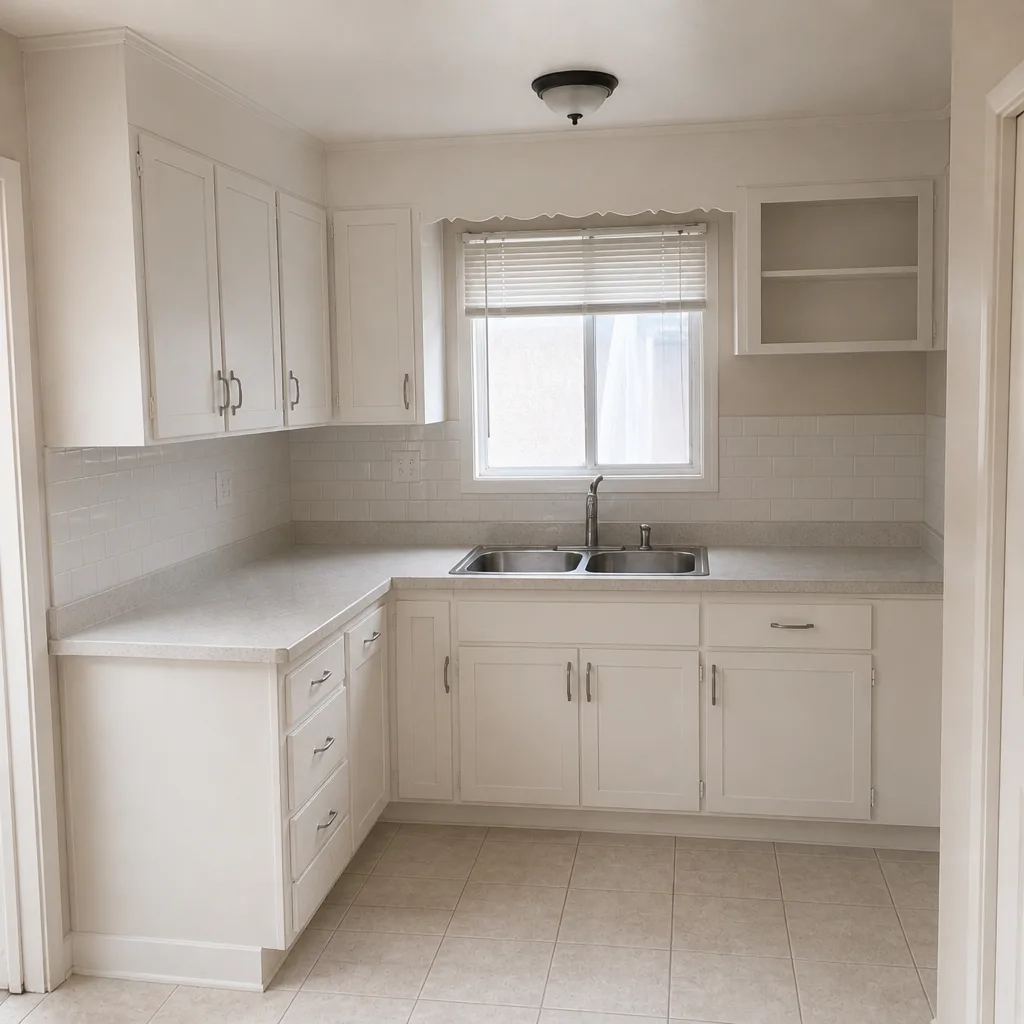
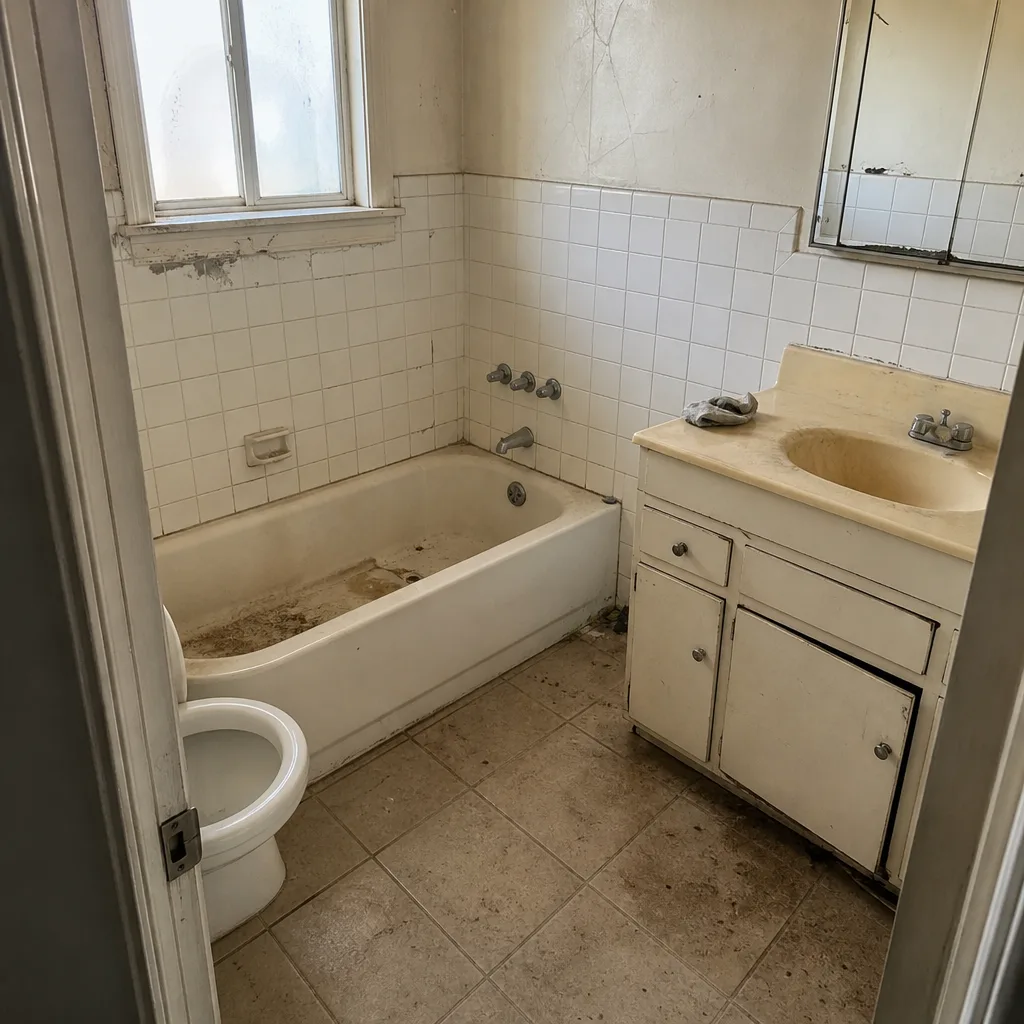
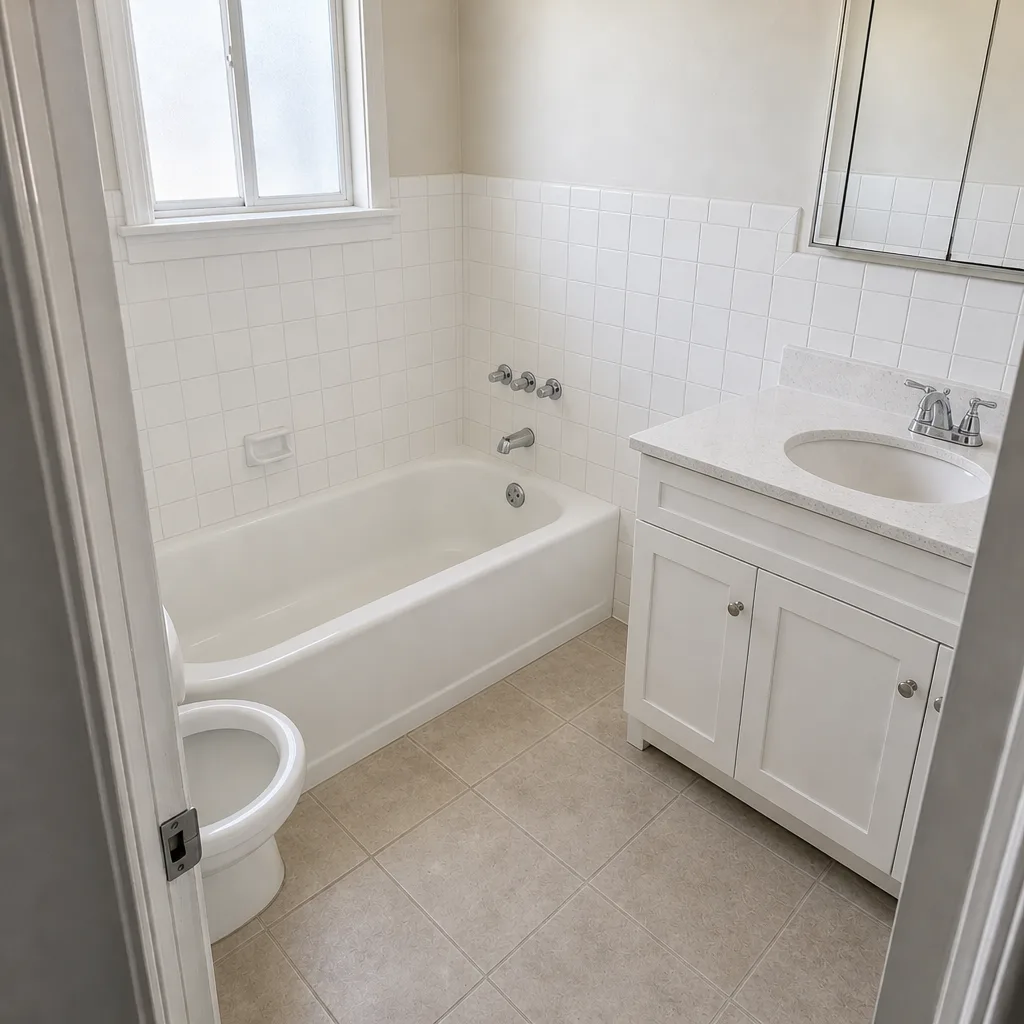
See the difference
 Before
 After
 Before
 After
 Before
 After
Frequently Asked Questions
Not necessarily – condensation on the interior surface of the glass is a humidity and ventilation problem, not a window failure. The sign of a failed window is condensation between the two panes of a double-pane unit, which means the perimeter seal has failed and roughly half the insulating value is already gone. Run the flashlight test described above to tell them apart before you budget a replacement. If it’s between the panes, call (888) 303-8980 for an exact quote – estimates are free.
Replacing a failed insulating glass unit or sash typically runs $150 – $400 per unit when the frame is healthy. If the frame is failing too – common on original aluminum sliders in Garden Grove’s pre-1980 housing – full unit replacement runs higher, and we size the number against the specific opening. Call (888) 303-8980 for an exact quote on your windows – estimates are free, and we bring a written line-item scope with the number.
Not always, but it needs to be inspected before you install anything. Visible daylight around a closed exterior door means weatherstripping and frame gaps have both failed, and on older Garden Grove thresholds built without pan flashing it often means water has already reached the sill plate. Sometimes it’s a weatherstrip and threshold replacement; sometimes it’s a new door and framing repair. Call (888) 303-8980 for a professional look – the estimate is free.
If the sign is water damage or movement, it’s urgent. Specifically: drywall staining beside a frame, a soft floor inside an exterior door, visible daylight around a closed door, frames or doors gone out of square over 6 to 12 months, or paint blistering on exterior casings. If it’s a draft, a sticking sash, or fog between the panes, it’s a performance issue you can plan and budget. Call (888) 303-8980 to schedule a free assessment if you’re not sure which bucket you’re in.
Not without your signature. Under Clause 1 of the Haven Standard, the price is written before anyone picks up a tool, and if a hidden condition (like a rotted rough frame or failed threshold pan) shows up during the work, no change proceeds until a written change order is signed. That written change order includes a description of the condition, a photo, the price, and the new completion date. Bring a competitor’s written estimate to us for a free second opinion – we review it line by line at no charge.
Yes. Window and door replacements that alter the rough opening or exterior envelope require permitting in Garden Grove, and we pull the permits and schedule inspections as part of the scope. The written quote includes the permit line item, so you know what’s included before work starts. Call (888) 303-8980 to schedule a free estimate on your windows or doors.
Every visit includes a documented photo record as a standard deliverable, not an upgrade. You get photos of the condition we found – the failed IGU, the rotted pane return, the soft threshold – and photos of the work after. That record is your evidence of what was found and what was done, and it’s the same record behind our 365-Day Done Right Promise: if it’s not done right, we make it right. Call (888) 303-8980 for a free estimate in Garden Grove.
The Bottom Line
Two buckets. Performance failures – drafts, sticking, surface condensation, fog between panes – you can plan and budget. Structural failures – drywall staining at a frame, a soft floor inside a door, visible daylight, doors and windows drifting out of square, paint bubbling on casings – are a call now, not next quarter. In Garden Grove’s pre-1980 housing stock, the two recurring sources are failed fin seals on original aluminum sliders and door thresholds built without pan flashing. Run the flashlight-and-dollar-bill inspection once, photograph what you find, and insist on a written change order if anything is discovered mid-project. That is how a warning sign stays a repair instead of becoming a remodel. If you’re considering an addition or a larger exterior project alongside the windows and doors, our Home Additions & ADU in Garden Grove page covers how we sequence envelope work into a larger build.
Schedule Your Free Estimate
If you’ve found a warning sign in this guide – a foggy pane, a spongy threshold, a stained casing, or a door that won’t close cleanly – get a written number before you commit to anything. Rowan Construction Group Garden Grove gives you a flat written price with a written scope, a photo record of what we found, and a signed change order for anything unexpected. Our technicians have up to 19 years of experience, every crew is background-checked and uniformed, and a live person answers the phone. Call (888) 303-8980 for your free estimate, or bring your existing written estimate for a free second opinion – line by line, at no charge.
Written by the team at Rowan Construction Group Garden Grove.