Last updated November 17, 2026
Free written scope consultation - allowances, timeline, and change-order rules on paper before a single trade is scheduled
Choosing the Right Construction Brand: A Buyer’s Guide for Garden Grove
Two roofing products can carry the same “30-year limited warranty” label. One requires a certified installer and a registered installation to honor it. The other requires only a dated receipt. The difference lives in the warranty document, not the marketing sheet, and nobody explains it at the point of sale. Brand selection is a decision made once and lived with for 15 to 30 years, yet most Garden Grove homeowners make it at the end of a conversation with a contractor who has already decided. This guide reverses that sequence. We’ll cover what brand tiers actually mean across seven material categories, how to verify a manufacturer-certified installer, and the contract language that keeps the named brand on the job.
Quick Answer
The right construction brand in Garden Grove is the one whose warranty terms, certification requirements, and performance ratings you can verify in writing before signing. That means choosing brands by their data sheets, not their brochures, and locking the specified brand into the contract with an anti-substitution clause. Price tiers matter less than whether the installer holds the manufacturer certification your warranty depends on. A mid-tier brand installed by a certified crew will outperform a premium brand installed by anyone else.
Styles & brands we work with
- Kitchen remodeling
- Bathroom remodeling
- Home additions & ADU
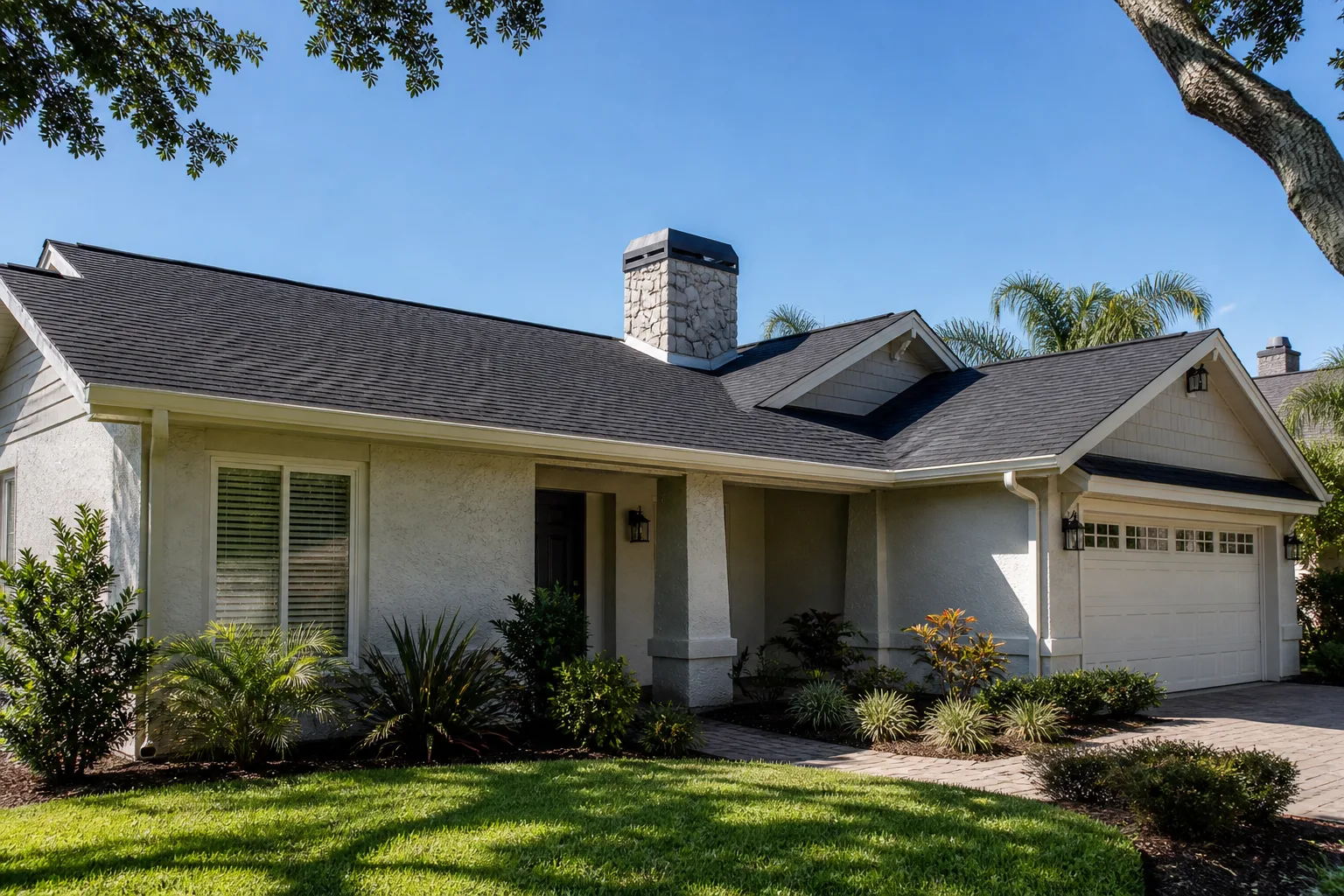
- Roofing
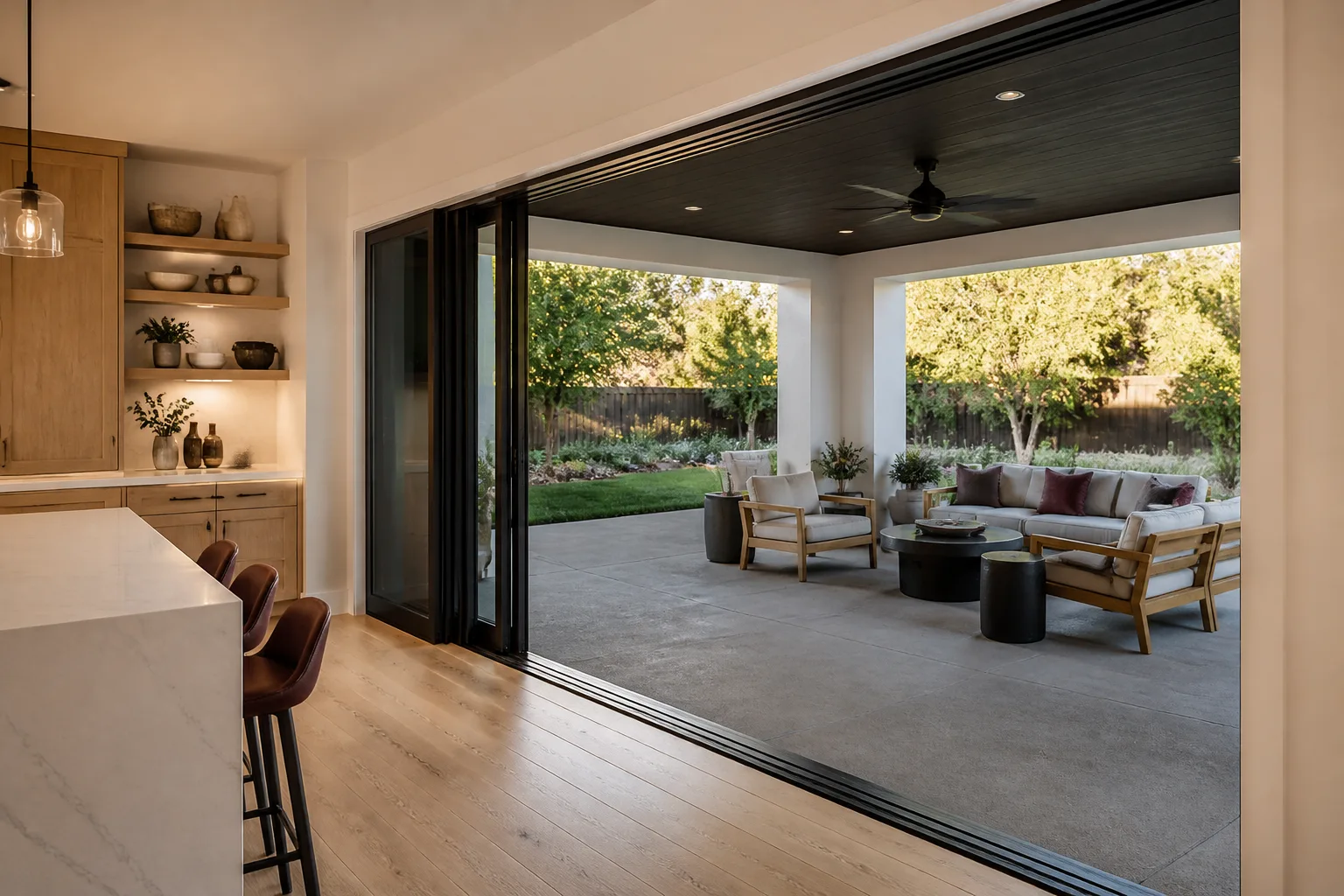
- Windows & doors
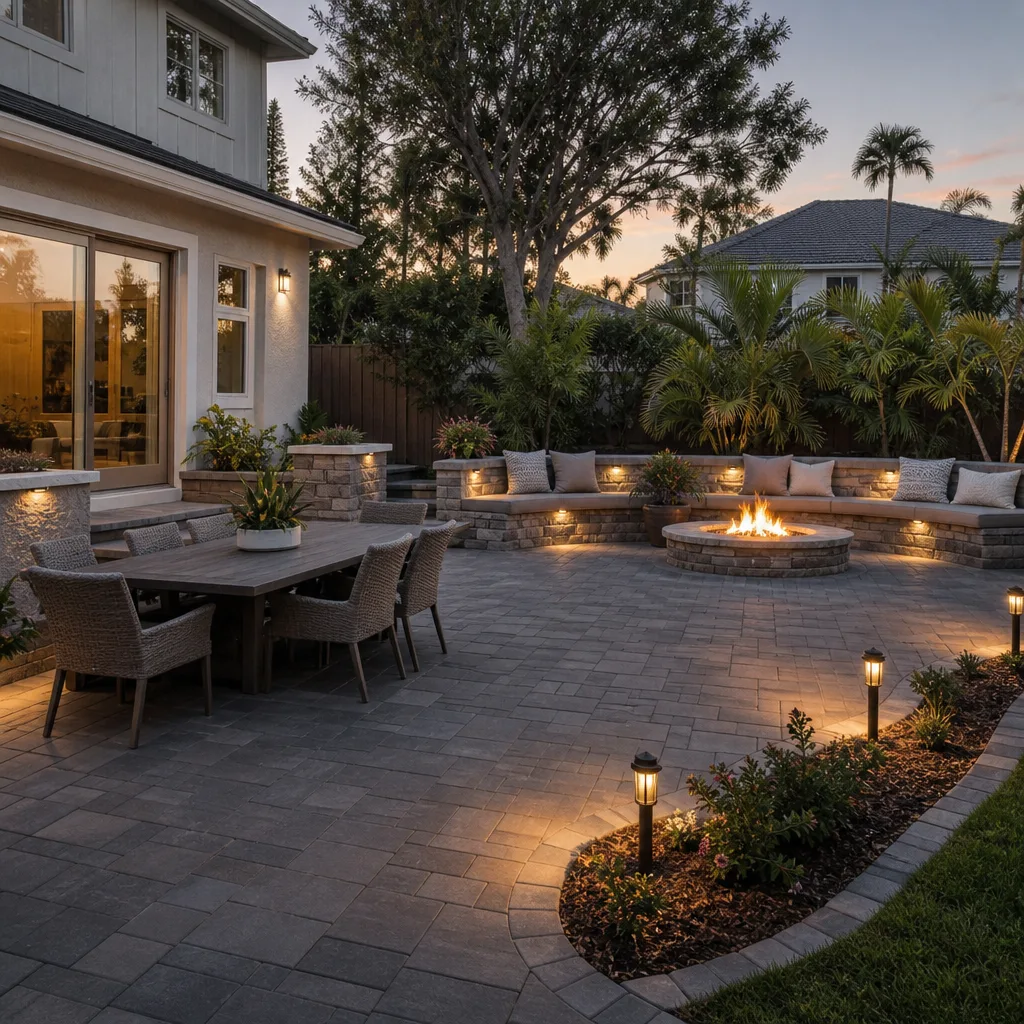
- Driveway & pavers
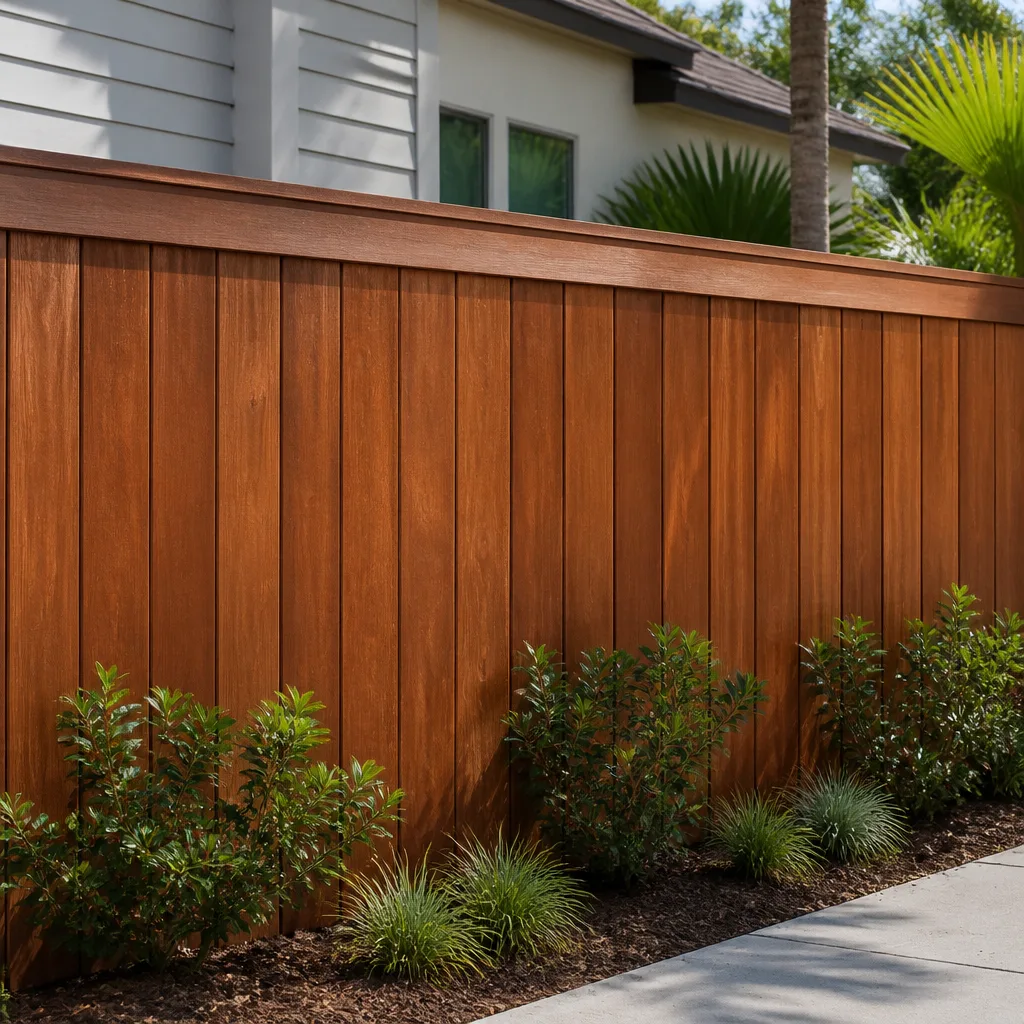
- Fence
Table of Contents
- Why Brand Selection Is a Single-Decision, Multi-Decade Commitment
- How to Read a Product Data Sheet vs. a Marketing Brochure
- Roofing Brands: What the Warranty Label Doesn’t Tell You
- Windows and Exterior Doors: NFRC Labels and What They Measure
- Insulation and Flooring: Price Tiers in Dollars
- Plumbing Fixtures, Electrical, and Structural Connectors
- What “Manufacturer-Certified Installer” Actually Means
- The Brand-Substitution Clause: The Contract Language That Matters
- Common Mistakes to Avoid
- When to Call a Professional
Why Brand Selection Is a Single-Decision, Multi-Decade Commitment
A roof installed in Garden Grove in 2026 is still a roof in 2050. The asphalt shingles you pick, the window glass package, the paver color and finish, the cabinet box construction: these are decisions you’ll live with through roughly three refinance cycles and at least one home sale. The people who research a refrigerator for three weekends often pick a roofing brand in eleven minutes because they’re handed a sample board and asked to choose a color.
Here’s what changes the equation. Southern California’s climate punishes materials in specific ways. Garden Grove sits close enough to the coast to catch marine air most mornings and far enough inland to bake through August afternoons that push past 95°F. That swing stresses roofing membranes, window seals, and exterior paint films in a pattern that a builder in Minnesota never sees. UV exposure on west-facing glass and shingles near the south edge is roughly double what the manufacturer’s average test conditions assume.
Our technicians have up to 19 years of experience across these trades, and the pattern is consistent: the failures we see in Garden Grove trace back to a specification mismatch, not a bad brand. A premium shingle rated for a Class A fire assembly underperforms when the installer skips the certified installation registration that activates the stronger warranty. A mid-tier paver outperforms a premium one when the base course is compacted properly. The brand is half the decision. The specification and the installer are the other half.
How to Read a Product Data Sheet vs. a Marketing Brochure
A marketing brochure sells a feeling. A product data sheet is where the claim either holds up or doesn’t. Ask any contractor for the data sheet on a material they’ve specified and watch how fast the conversation sharpens. These five fields determine whether a brand claim is real:
- Tested standard. Look for the specific ASTM, ANSI, or UL standard the product was tested against. “Meets building code” is not a standard. “ASTM D3462” (for asphalt shingles) or “AAMA/WDMA/CSA 101/I.S.2/A440” (for windows) are.
- Performance class or rating. The measured number, not the adjective. For windows it’s a performance grade; for roofing it’s a wind uplift rating in mph and a fire class (A, B, or C). For structural connectors it’s a published load value in pounds.
- Installation requirement. What the manufacturer requires the installer to do for the warranty to be valid. Fastener pattern, underlayment type, and, in many cases, holder of a specific installer certification.
- Warranty exclusions. The paragraph manufacturers hope you skip. Common exclusions: installation by a non-certified crew, failure to register, coastal exposure beyond a stated distance, and foot traffic on the roof.
- Product code. The exact SKU or model number. This is what goes in the contract, not the brand name. “GAF shingles” is a brand. “GAF Timberline HDZ, product code XXXX” is a specification.
When we prepare a written quote, we put the product code in the scope document so the homeowner can compare line by line. If a brand is being switched, the paperwork can’t hide it. That’s the whole point of pricing before work starts: you get the specification in writing while you can still change it.
Roofing Brands: What the Warranty Label Doesn’t Tell You
Roofing is where brand-tier confusion costs the most. The major brands you’ll see named in Garden Grove estimates are GAF and Owens Corning, both familiar names in Southern California, and both split their lines into tiers with materially different warranty structures.
- Entry tier: typically around $1.75 to $2.50 per square foot for the material alone, with a standard 25 to 30-year limited warranty. The limited warranty prorates after a short period, meaning the manufacturer’s payout declines over time.
- Mid tier: roughly $2.50 to $3.75 per square foot, with a longer non-prorated period and an enhanced wind warranty, often contingent on a certified installer and installation registration.
- Premium tier: $3.75 per square foot and up, frequently with a system warranty that covers the shingles, underlayment, and accessories together, but only when every component in the system is from the same manufacturer and installed by a crew holding the manufacturer’s certification.
Here’s the part the marketing sheet glosses over: the strongest system warranties require certified installation and registration. A homeowner who buys a premium shingle and hires an uncertified crew ends up with the warranty that requires only a dated receipt, which is the entry-tier warranty. The premium price bought nothing the entry tier didn’t already have.
Fire class matters in Garden Grove too. Most asphalt shingles qualify for Class A, which is the rating the California Wildland-Urban Interface code expects in designated zones. Ask to see the UL 790 classification on the data sheet. “Fire resistant” is not a class.
Windows and Exterior Doors: NFRC Labels and What They Measure
Every window sold in the United States must carry an NFRC label. The National Fenestration Rating Council label publishes four numbers that tell you how the window will perform in Garden Grove’s climate:
- U-factor: how fast heat escapes. Lower is better. In our climate, a U-factor of 0.30 to 0.35 is a sensible target.
- Solar Heat Gain Coefficient (SHGC): how much solar heat passes through. Lower is better on west-facing glass.
- Visible Transmittance (VT): how much daylight comes through. Higher is brighter.
- Air Leakage (AL): expressed in cubic feet per minute per square foot of frame. Lower is tighter.
Premium window brands charge more because of frame construction, glazing packages, and hardware, but the NFRC numbers are what actually determine performance. A mid-tier vinyl window with a strong NFRC rating can outperform a premium brand installed with poor flashing and air sealing. The installation detail, not the badge on the frame, determines whether the window leaks.
Entry-tier windows land around $400 to $650 per unit installed; mid-tier $650 to $1,100; premium wood-clad and fiberglass products $1,100 to $2,000 and up per unit. Exterior door brands follow a similar pattern, with fiberglass and steel options bridging the tiers. The performance question is always the same: does the product’s NFRC label match what your Garden Grove exposure requires, and is the installed assembly flashed and sealed to the manufacturer’s spec?
Insulation and Flooring: Price Tiers in Dollars
These two categories are where homeowners most often overpay for a brand name without a performance gain. Insulation is largely a commodity; the brand matters far less than the R-value, the coverage depth, and the air sealing that goes with it. Flooring is a category where the brand genuinely matters because the product’s construction (wear layer, core, locking mechanism) determines lifespan.
Insulation: blown-in fiberglass and cellulose run roughly $1.50 to $3.50 per square foot installed, depending on R-value target and attic access. Spray foam is higher, typically $3 to $6 per square foot installed. The brand names you’ll encounter in Garden Grove are largely interchangeable at a given R-value. The installation quality controls performance.
Flooring: luxury vinyl plank runs $3 to $6 per square foot installed at entry tier, $6 to $10 at mid tier with thicker wear layers, and $10 to $15 at premium with rigid cores and enhanced locking systems. Engineered hardwood runs $8 to $14 installed. Solid hardwood runs $12 to $20 installed. Brands in this category distinguish themselves through wear-layer thickness, core stability, and warranty terms that range from 15 years to lifetime residential. A premium brand with a thin wear layer will wear through before an entry brand with a thick one.
Ask for the wear layer in mils (thousandths of an inch), not a brand name. Below 12 mils is builder grade; 20 mils and up is a long-term residential product.
Plumbing Fixtures, Electrical, and Structural Connectors
Plumbing fixtures are where brand tier and price correlate most honestly in the construction trades. Kohler and Toto both occupy the mid to premium tiers for a reason: internals, finish durability, and warranty length. Entry-tier fixtures at the big-box level often carry a 1-year warranty and use less durable cartridge valves that require replacement sooner.
- Entry-tier toilets and faucets: $150 to $350, 1-year warranty typical, serviceable but shorter-lived.
- Mid-tier: $350 to $900, often 5 to 10-year warranties, better cartridges and finishes.
- Premium: $900 to $2,500+, lifetime limited warranties on some lines, wider parts availability for decades.
Electrical components are less about brand tier and more about code compliance. That said, we name brands in written quotes for panels, breakers, and devices so the homeowner knows exactly what’s being installed. Never accept a written quote that says “electrical panel” without a brand and model. This is a safety-critical system and should be installed by a licensed electrician, not handled as a DIY project. Same for gas lines: those always warrant a licensed trade.
On structural connectors, Simpson Strong-Tie is the named standard for seismic hardware in California. If your project involves anchoring a foundation to a frame, retrofitting a cripple wall, or reinforcing a deck ledger, the connector brand matters. Ask for the model number and the published load value. In Garden Grove, seismic performance is not theoretical, and connectors rated to a published load are the difference between a system that moves with the house and one that doesn’t.
What “Manufacturer-Certified Installer” Actually Means
When a contractor says “certified installer,” you should ask: certified by whom, at what level, and verifiable where? The phrase has real meaning in some trades and almost none in others.
For roofing, manufacturer certification (GAF Master Elite, Owens Corning Preferred, and similar programs) typically requires:
- Holding a current state contractor license in good standing.
- Carrying general liability insurance and workers’ compensation at or above the manufacturer’s threshold.
- Completion of the manufacturer’s installation training and, in many cases, periodic recertification.
- A minimum number of completed installations and a record of customer complaint resolution.
- Registration in the manufacturer’s online directory, which is where verification happens.
To verify, don’t take the contractor’s word for it. Ask for the exact program name, then check the manufacturer’s dealer locator on their website. The listing should show the contractor under the program name. If it doesn’t, the certification does not exist, and the enhanced warranty you paid for may not apply.
For windows, certification often runs through the American Window and Door Institute or the manufacturer’s own program. For pavers, the Interlocking Concrete Pavement Institute runs an installer certification that appears on the contractor’s credential list. Same verification process: ask for the program, then check the listing.
The Brand-Substitution Clause: The Contract Language That Matters
Here’s the contract language that quietly costs homeowners what they thought they were buying. A typical substitution clause reads something like: “Contractor may substitute materials of equal or greater quality.” That sentence gives the contractor legal room to install a brand different from the one specified in the written quote, as long as they can argue it’s “equal.”
In practice, “equal” is subjective. A contractor whose margin runs thin on a premium brand has an incentive to substitute an entry-tier product and call it equal. The homeowner discovers this after the shingles are on the roof or the pavers are set. By then, removing them costs more than living with the substitution.
The fix is a named-brand lock-in clause. Written well, it looks like this: “Contractor will install [Brand, Product Name, Product Code] as specified in Attachment A. No substitution of specified materials is permitted without the homeowner’s written approval, signed before installation of the affected material. Substitution without written approval is a breach of this agreement.”
Attach the product data sheets. Attach the specification table with product codes. Attach the certificate showing the installer’s manufacturer certification. If a contractor won’t sign that language, that tells you something. Our written quotes are built so each brand is specified with the product code, and no change to a specified material proceeds without a signed change order. That’s the discipline that keeps projects finishing within a few percent of the number agreed to at the outset, and it’s why we offer the 365-Day Done Right Promise: if it’s not done right, we make it right. What we’re protecting isn’t the paperwork. It’s the manufacturer’s warranty, which is only as good as the specification behind it.
Common Mistakes to Avoid
- Choosing a brand by brochure color, not data sheet. The color chip tells you nothing about warranty terms or wind ratings. Ask for the ASTM or ANSI standard and the product code.
- Accepting “or equal” substitution language. If the quote says “or equal,” the specified brand isn’t locked in. Require the written approval clause before signing.
- Skipping the manufacturer certification check. For any brand whose warranty requires certified installation, look up the contractor on the manufacturer’s dealer directory. Two minutes of checking protects a warranty that runs 30 years.
- Buying the premium product without the premium installation. A premium shingle on a poorly prepped deck performs like an entry product. The installation detail is where the money goes.
- Ignoring UV and fire class ratings for Garden Grove exposure. West-facing glass wants a low SHGC; roof assemblies in WUI-adjacent zones want a documented Class A rating. Neither comes from a brochure.
- Assuming brand tenure equals brand performance. A long-established brand with thin warranties and no installer certification may underperform a newer, technically stronger option. Read the spec, not the reputation.
- Treating the product code as a detail. It’s the difference between the brand you paid for and the brand that showed up. Every line item should carry one.
When to Call a Professional
Some brand decisions are safe to research and select on your own. Others carry safety implications that put the brand question in second place behind getting the work done correctly. Call a professional when the decision involves high-tension garage door spring systems, electrical panel and wiring work, gas line installation or modification, or any roof work at height beyond inspection from the ground. These all require a trained, licensed trade who can verify the specification and warranty registration as part of the installation.
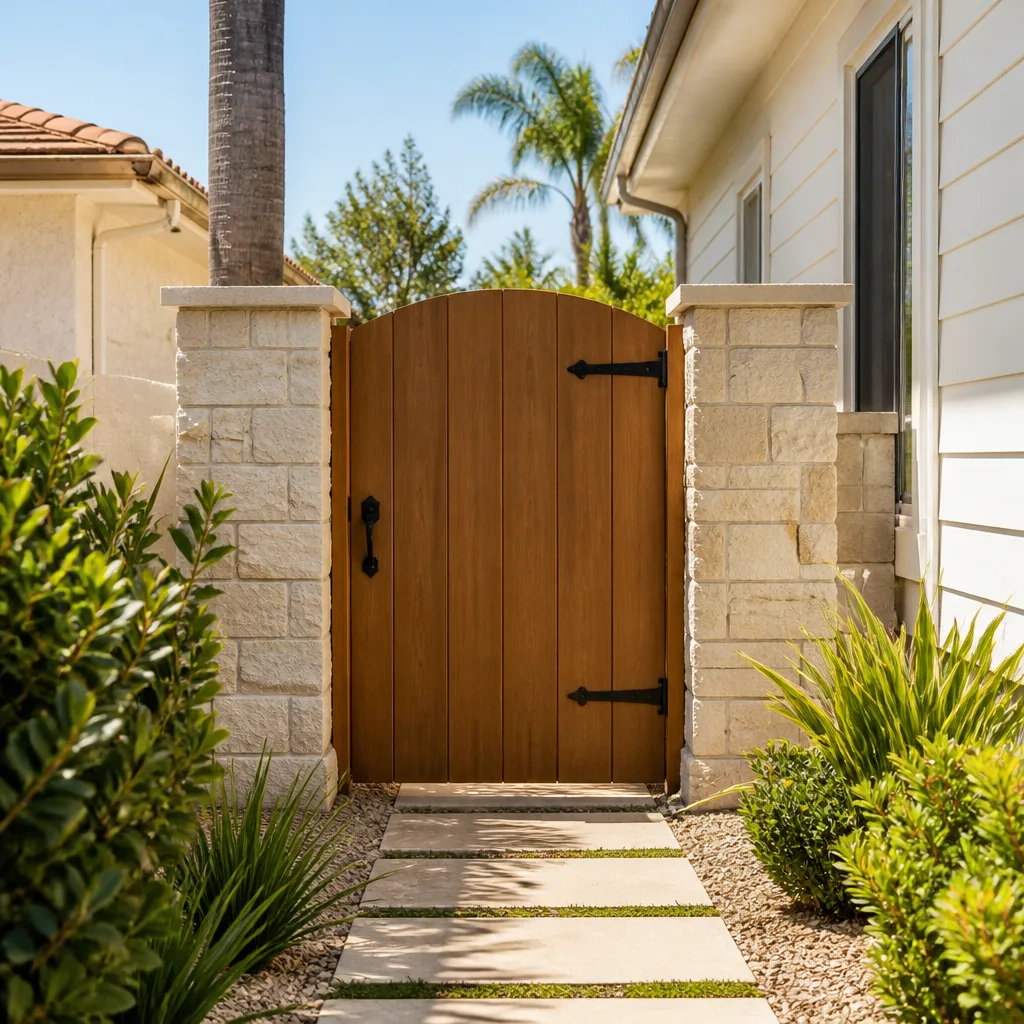
For projects like driveway and pavers in Garden Grove, fence installation in Garden Grove, and home additions and ADU in Garden Grove, brand selection is a decision we’d rather help you make before the contract is signed than inspect after it’s built. We offer a free second opinion on any written estimate you’ve received, reviewed line by line at no charge. Bring the competitor’s quote and your own list of questions, and we’ll tell you exactly what the specification says and where it’s vague. Call (888) 303-8980 to schedule a free estimate.
See the difference
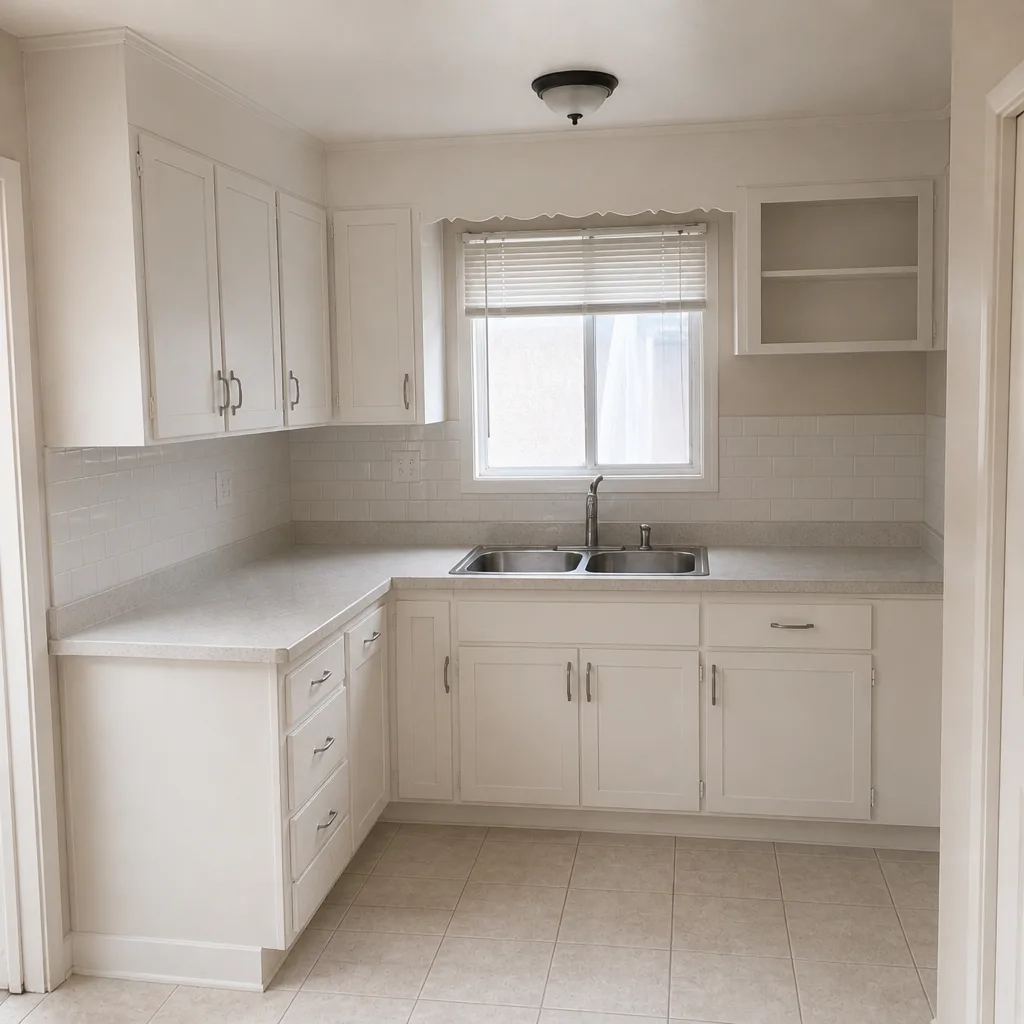
 Before
 After
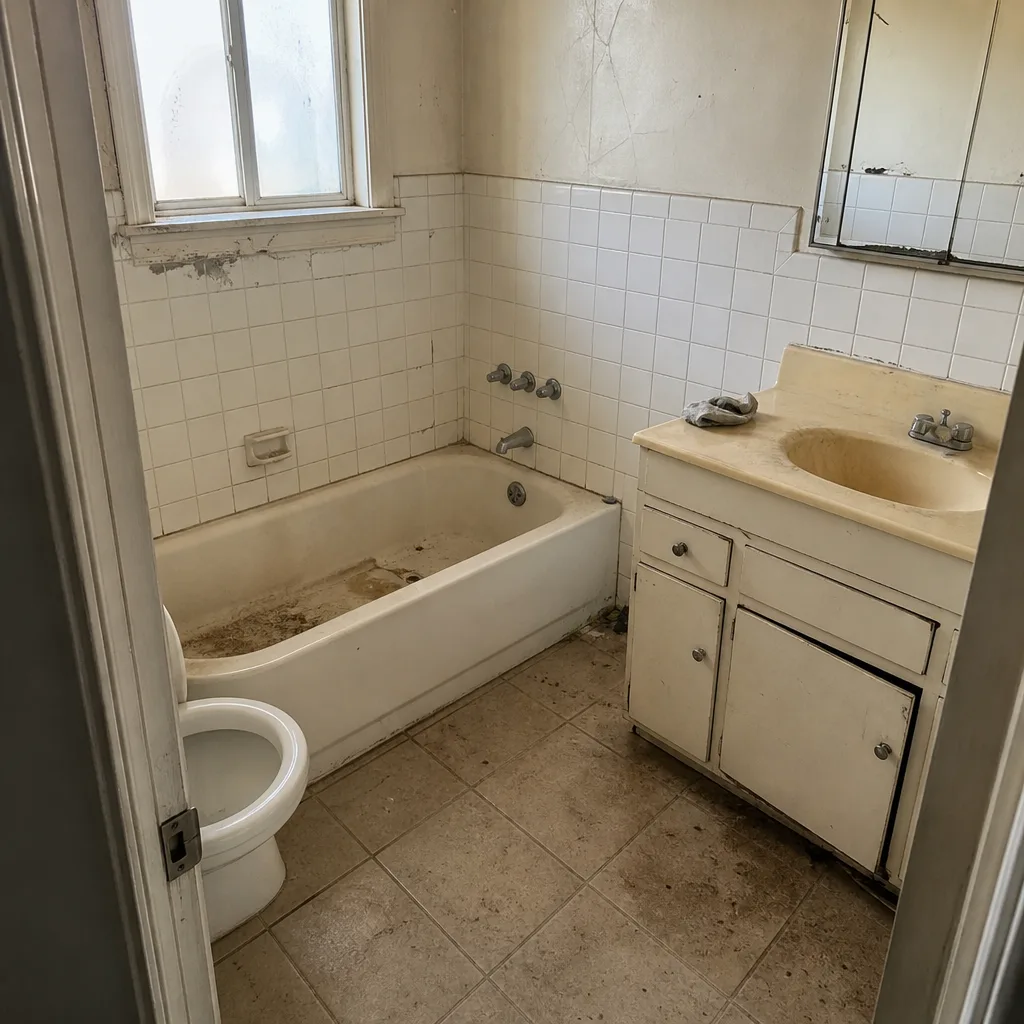
 Before
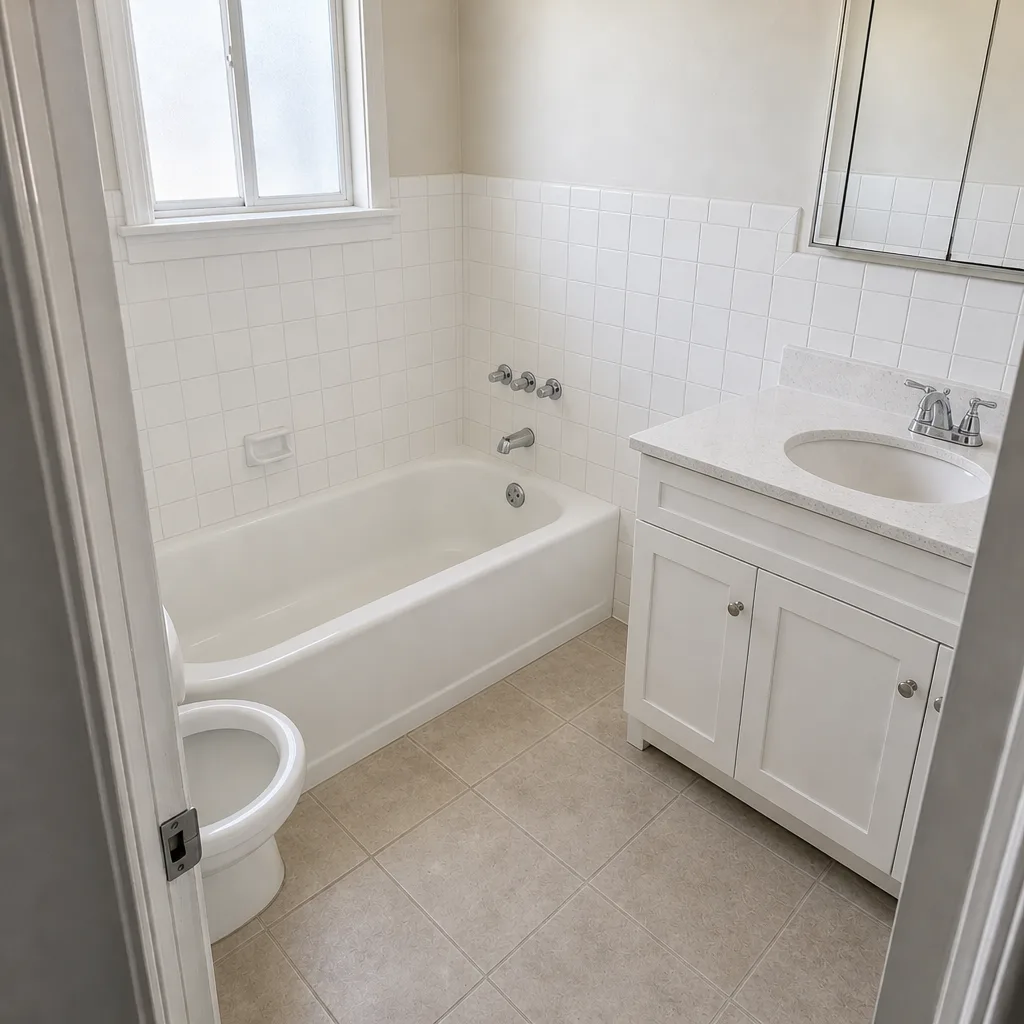
 After
 Before
 After
Frequently Asked Questions
There is no single best brand per category. The right brand is the one whose warranty terms, certification requirements, and performance ratings your specification meets, and whose installer holds the required manufacturer certification. In roofing, GAF and Owens Corning appear most often in Garden Grove estimates. In plumbing fixtures, Kohler and Toto sit at the mid-to-premium tier with longer warranties. In structural connectors, Simpson Strong-Tie is the California standard. The name matters less than the product code and the installer certification. Call (888) 303-8980 for an exact quote on your project; estimates are free.
Less than the installation detail and more than the marketing suggests. A mid-tier shingle installed to spec under a manufacturer warranty will outperform a premium brand installed by an uncertified crew with poor flashing, because the warranty behind the premium brand won’t activate without certified registration. The entry-to-premium delta in roofing material cost is roughly $2 per square foot, and the mid-tier is where the honest cost-performance ratio usually lives. Call (888) 303-8980 for a written comparison of what each tier costs on your specific roof; estimates are free.
Yes, if the contract contains a broad substitution clause or “or equal” language. Standard construction contracts often include a provision allowing substitution of materials of “equal or greater quality,” giving the contractor legal room to swap a named brand. The protection is a named-brand lock-in clause requiring signed homeowner approval before any substitution. Ask for the clause, plus a specification attachment with product codes. Call (888) 303-8980 to have your written estimate reviewed; free second opinions are one of our standing offers.
Yes. Permitted work is part of every applicable project, and the permit process also creates a public record of what was specified and installed. Roof replacement, window replacement, structural changes, electrical work, and most additions all require permits in Garden Grove, and OCC and CalGreen energy requirements apply to many of them. The permit doesn’t just signal compliance; it creates documentation of the brand that went into the building. Call (888) 303-8980 to schedule a free estimate that spells out the permit scope.
Only by signed change order, which is our standing policy under Clause 1 of The Haven Standard. Every change is priced in writing, approved in writing, and documented before the work proceeds. That’s how projects finish within a few percent of the price agreed to at the outset. A brand change shouldn’t be a surprise line item six weeks in; it should be a documented decision made before the material is ordered. Call (888) 303-8980 for a flat written price with a written scope before any work starts.
Ask for the exact program name, then check the manufacturer’s own website dealer locator. GAF, Owens Corning, and most major roof and window manufacturers publish a searchable directory of their certified installers. If the contractor appears under the claimed program name, the certification exists. If they don’t appear, the certification isn’t current or doesn’t exist, and any warranty that depends on it may not activate. Call (888) 303-8980 to see how we document certification on your project.
The Bottom Line
Brand selection in construction is a specification decision, not a taste decision. Read the data sheet, not the brochure. Name the product code in the contract, and lock it with an anti-substitution clause. Verify the installer certification on the manufacturer’s own directory, because for the premium tiers the warranty depends on it. Match the brand to Garden Grove’s exposure: low SHGC on west-facing glass, documented Class A fire class on roofing, Simpson Strong-Tie connectors for seismic work. Price tiers move in ranges, not absolutes, and a mid-tier brand installed under a certified crew will outperform a premium brand installed without one. That sequence is what makes the next 20 years of ownership predictable.
The team at Rowan Construction Group Garden Grove works across seven residential trades, from Rowan Construction Group Garden Grove home to additions and ADUs, with fifty-plus vetted material brands and the written price that comes before anyone picks up a tool. Every visit includes a documented photo record as standard, not an upgrade, and our crews are background-checked, uniformed, and answer calls with a live person 24/7. The 365-Day Done Right Promise is standing policy: if it isn’t done right, we make it right. Call (888) 303-8980 to schedule your free estimate in Garden Grove. Estimates are free, and every written quote spells out the brand, the product code, and the warranty behind it.
Written by the team at Rowan Construction Group Garden Grove.