Last updated November 17, 2026
Free written scope consultation - allowances, timeline, and change-order rules on paper before a single trade is scheduled
The Complete Guide to Construction in Garden Grove
Garden Grove issued 1,847 building permits in a single recent fiscal year. Fewer than 30% of the homeowners who pulled one knew their project sat under dual jurisdiction – both city and county – before work started. That gap between what people assume and what the permit file actually requires is where budgets go to die in Garden Grove. This guide treats the city as the subject: how its housing stock ages, how its permit system actually works, where Title 24 quietly adds dollars, and what timelines look like right now. Read it before you sign anything.
Quick Answer
Construction in Garden Grove runs on four forces: California contractor licensing tiers, overlapping city and county building jurisdiction, a dense 1950s – 1970s housing stock with predictable failure points, and material lead times still recovering from post-2020 disruptions. Most projects here are smooth when the price is written down before work begins and the permit path is mapped correctly up front. They go wrong when either is skipped.
Styles & brands we work with
- Kitchen remodeling
- Bathroom remodeling
- Home additions & ADU
- Roofing
- Windows & doors
- Driveway & pavers
- Fence
Table of Contents
- Who Actually Reviews Your Permit in Garden Grove?
- What Your Home’s Build Era Tells You About Its Problems
- The Seven Trades Active in Garden Grove – and Which Need Their Own Permit
- How Title 24 Adds Scope (and Dollars) to Garden Grove Projects
- A Realistic Timeline: Permits, Inspections, and Material Lead Times
- What Construction Costs in Garden Grove Right Now
- How to Choose a Contractor in Garden Grove
- Common Mistakes to Avoid
Who Actually Reviews Your Permit in Garden Grove?
Garden Grove’s Building Division handles most residential permits, but it does not handle all of them alone. The city shares jurisdiction with Orange County on specific project types, and knowing which bucket your project falls into saves weeks. Here’s the split in practice:
- City only: Interior kitchen and bathroom remodels, reroofs (like-for-like), window replacement in existing openings, fence permits, and paver driveways that stay within the existing footprint.
- City plus county review: Home additions, ADUs (accessory dwelling units), any project touching a shared property line, and work that affects drainage or grading on lots near the flood-control channels.
- State-level triggers: Projects in the coastal-adjacent zones or on parcels flagged in the general plan’s environmental review get a CEQA-adjacent check that adds time to the review clock.
What this means for you: an ADU is never “just a city permit” in Garden Grove. County review runs on its own schedule, and a project that stalls at the county stage can throw off every trade behind it. The homeowners who get surprised are the ones who signed a contract with a start date before anyone confirmed the permit path. Under our Haven Standard, the written scope includes the permit route, so the number you agree to already accounts for which agency is reviewing it. For the full permit breakdown on additions, see Home Additions & ADU in Garden Grove.
What Your Home’s Build Era Tells You About Its Problems
Garden Grove grew in two big waves, and each wave left behind its own set of failures. If you know when your house went up, you can predict half of what a contractor will find behind the drywall.
1950s and early 1960s tracts
The postwar subdivisions around Garden Grove’s older core were built fast and built for the climate of the time, which means:
- Two-wire electrical systems. No equipment ground in much of the original wiring. Any kitchen or bath remodel triggers a code requirement to bring the affected circuits up to current standard, and that’s a real line item, not a surprise.
- Cast iron and galvanized plumbing. Cast iron drain lines from this era are at or past their service life. We find scale-clogged galvanized supply lines on a large share of these homes.
- Slab-on-grade foundations with no moisture barrier. Common in this stock, and it shows up as efflorescence and lifting pavers in the driveway.
1970s additions and remodels
The second wave was homeowners adding on rather than builders starting fresh, and that created its own pattern:
- Unpermitted additions. A 1970s sunroom or converted garage that never had a permit becomes a problem the moment you want to sell or pull a new permit. The city will want it addressed.
- Aluminum branch wiring in some late-1960s to mid-1970s construction. It’s not automatically a tear-out, but it changes the scope of any electrical work.
- Settled slab patios and driveways. Poorly compacted base from that era shows up decades later as cracking and ponding.
In our experience, a Garden Grove home from 1958 and a home from 1978 can look identical from the curb and need completely different work. The photo record we build on the first visit is how we document what’s actually there before a price goes on paper. If your project touches a driveway or exterior hardscape, our guide to Driveway & Pavers in Garden Grove covers the base-prep issues specific to this housing stock.
The Seven Trades Active in Garden Grove – and Which Need Their Own Permit
Garden Grove residential work clusters into seven trade categories. Some ride under a single general permit; others need their own sub-permit and inspection. Getting this wrong is the second-most-common reason projects stall here.
- Kitchen remodeling – general permit; electrical and plumbing sub-permits are typical. Moving a wall or a gas line pulls in structural and mechanical review.
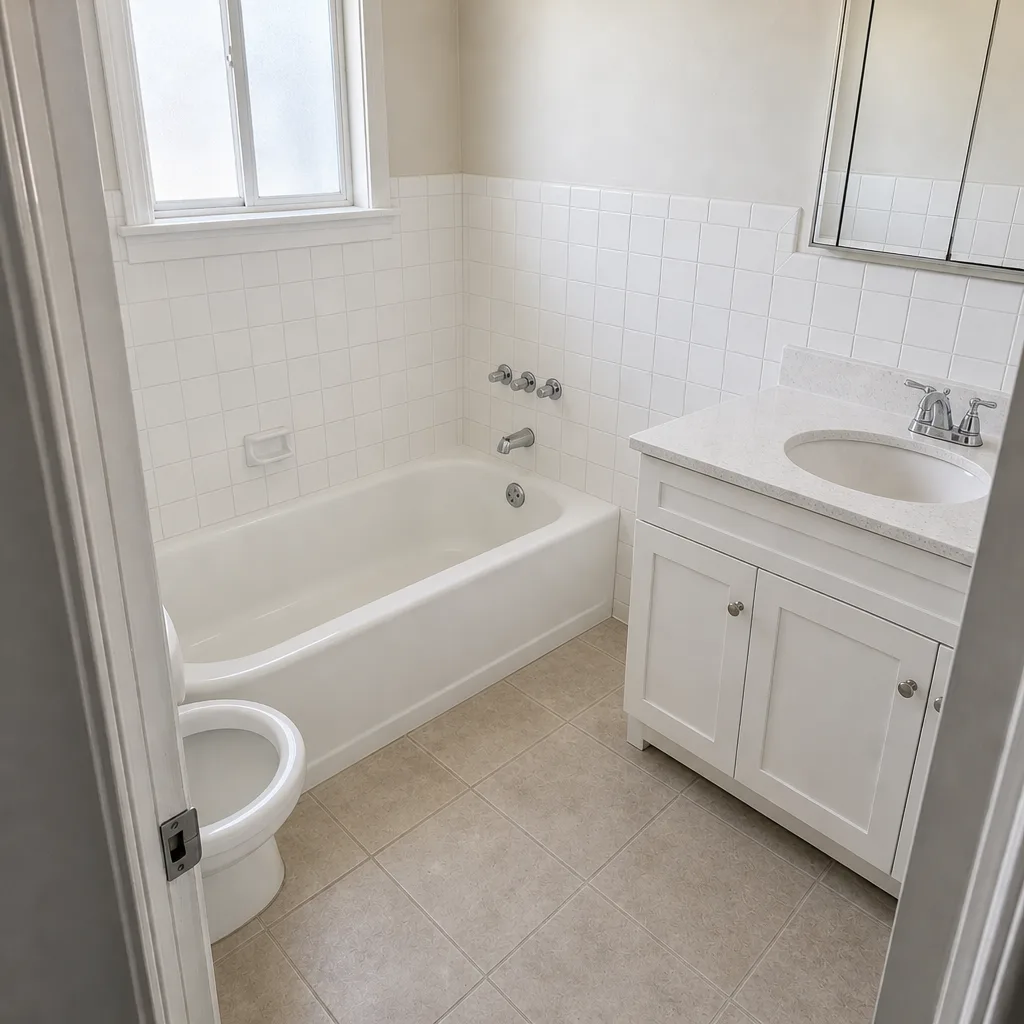
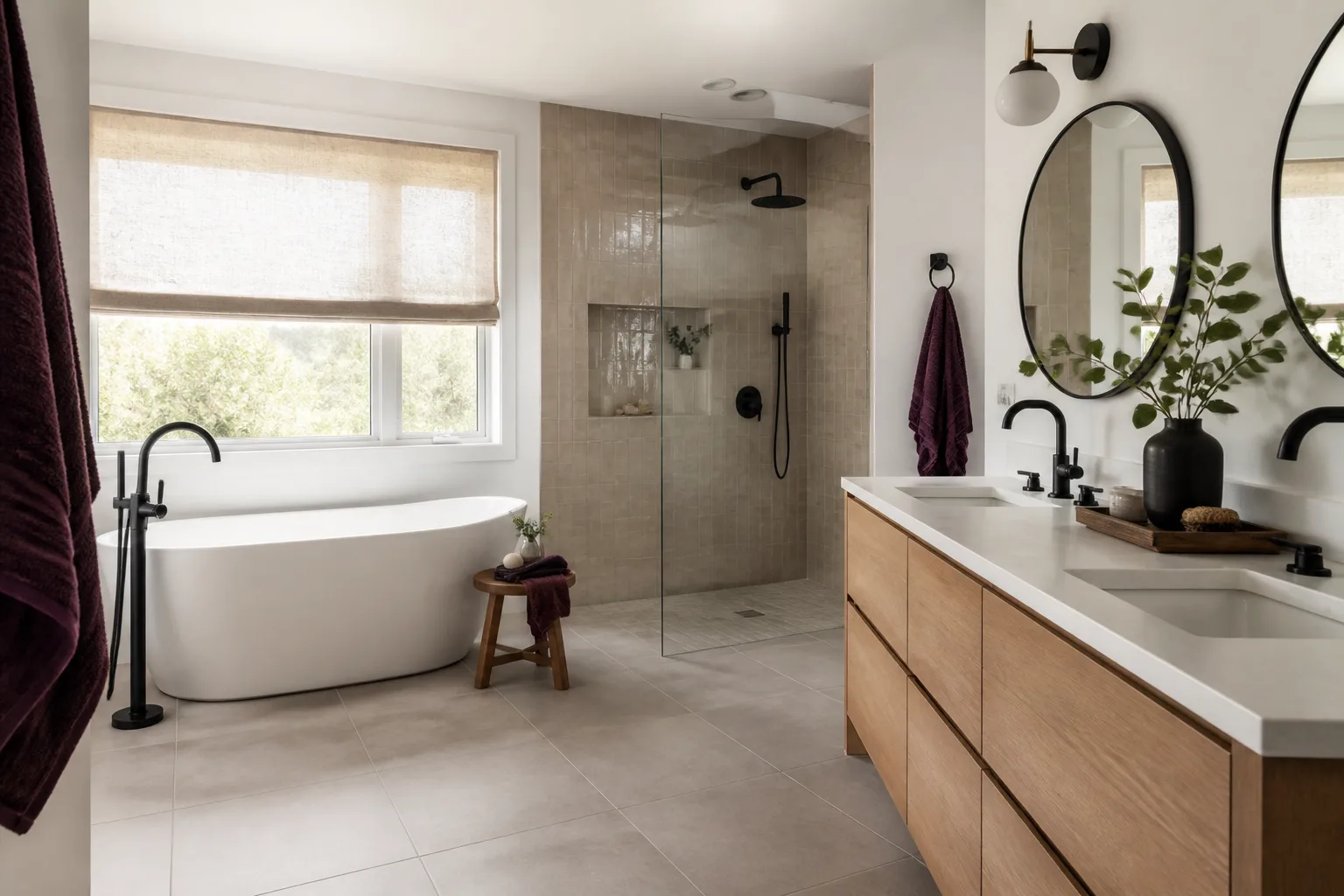
- Bathroom remodeling – general permit; plumbing sub-permit required for any fixture relocation.
- Roofing – like-for-like reroofs get a single permit; a change in roofing material or a tear-off with structural repair may trigger additional review.
- Windows and doors – single permit when openings stay the same size; enlarging an opening adds a structural check.
- Fence installation – separate fence permit; height and setback rules vary by lot and proximity to the street.
- Driveway and pavers – permit required when the footprint changes or the project affects drainage or the public right-of-way.
- Home additions and ADUs – general permit plus county review; the most complex path in the city and the one where written scope matters most.
The practical takeaway: any project that touches more than one of these trades needs someone tracking the permit calendar for all of them, not just the one the general contractor is handling. Our Rowan Construction Group Garden Grove home page spells out how the seven trades fit together on a single project.
How Title 24 Adds Scope (and Dollars) to Garden Grove Projects
Title 24 is California’s energy code, and it’s the quiet scope-creep item that catches out-of-state homeowners and first-time remodelers alike. It’s not optional, and it’s not a penalty – it’s a set of requirements your project has to meet, and meeting them costs money.
- Windows and doors: replacement units must meet U-factor and solar heat gain requirements. In Garden Grove’s climate zone, that generally means double-pane low-E glass, which raises the unit price compared to builder-grade single-pane.
- Roofing: a reroof may trigger a cool-roof requirement depending on the assembly and the percentage of roof replaced.
- Additions: Title 24 compliance applies to the entire new conditioned space, including insulation, glazing ratios, and HVAC sizing. This is where a “simple” addition gets more expensive than the homeowner’s first estimate from a friend.
- Lighting and HVAC: kitchen and bath remodels pull in lighting efficacy and mechanical ventilation requirements.
This is also where brand choices get concrete. When the quote specifies Kohler or Toto fixtures and a particular glazing package, the number reflects actual compliance, not a guess. Title 24 compliance is one of the reasons our written price is a flat number with a written scope: Under Clause 1, the price is written before anyone starts, and it already includes the energy-code work the city will inspect.
A Realistic Timeline: Permits, Inspections, and Material Lead Times
Timelines in Garden Grove depend on project type, but the ranges below reflect how things currently run. Treat them as planning numbers, not promises – permit review times move.
- Kitchen or bath remodel: permit review 2 – 4 weeks; inspection scheduling 3 – 5 business days per phase; material lead time 2 – 4 weeks for cabinets and countertops.
- Reroof: permit review 1 – 2 weeks; inspection 3 – 5 business days; material on hand within 1 – 2 weeks for standard shingle lines. Longer for specialty or metal systems.
- Windows and doors: permit review 1 – 3 weeks; lead time 4 – 8 weeks on made-to-order units.
- Fence and pavers: permit review 1 – 2 weeks; paver lead time 1 – 3 weeks depending on brand and color. Tremron and Techo-Bloc lines generally run on the shorter end.
- Additions and ADUs: permit review 6 – 12 weeks, longer with county review; inspection scheduling throughout construction; lead time 6 – 10 weeks for structural materials and specialty items.
The homeowners who get burned are the ones who sign a contract with a start date before the permit review is even filed. Our documentation practice is designed to remove that ambiguity: every visit comes with a photo record, so you can see where the project stands without relying on a phone call. Our team has up to 19 years of experience walking Garden Grove homeowners through these schedules.
What Construction Costs in Garden Grove Right Now
Prices here reflect Orange County labor rates and the realities of the city’s older housing stock. These are planning ranges, not quotes – a written price with a written scope is the only number you should sign against.
- Kitchen remodel, mid-range: $28,000 – $65,000 depending on layout changes and whether electrical is brought up to code.
- Bathroom remodel: $14,000 – $32,000, higher if the cast iron drain lines need replacement.
- Reroof, asphalt shingle: $9,500 – $18,000 depending on square footage and tear-off.
- Window replacement, whole house: $8,000 – $20,000 depending on unit count and Title 24 glazing requirements.
- Fence installation: $35 – $75 per linear foot depending on material and lot conditions.
- Paver driveway: $12 – $24 per square foot installed, including base prep.
- Home addition or ADU: $250 – $450 per square foot depending on site conditions and finish level.
What keeps a project within a few percent of the agreed price isn’t a lucky estimate. It’s the discipline of not starting a change until the change order is signed. That’s the whole reason Haven acquired Rowan, and it’s why the written price you get from us includes the scope, the warranty, and the permit path in one document. For fence specifics in this market, see Fence Installation in Garden Grove.
How to Choose a Contractor in Garden Grove
The right contractor to hire in Garden Grove is the one who shows you the permit path, the written price, and the documentation before you sign. Here’s the checklist we’d use if we were hiring:
- Confirm the license. California requires a CSLB license for projects over $500 in labor and materials. Class B covers general building; specialty trades hold their own classes. Ask for the number and verify it yourself.
- Get the price in writing before work starts. Not “call for a quote.” A number with a scope and a warranty, on paper.
- Ask which agency is reviewing the permit. If they can’t tell you whether it’s city-only or city-plus-county, they haven’t done the work.
- Ask what documentation you’ll receive. A photo record of what was found and what was done should be standard, not an add-on.
- Ask what happens if the scope changes. The answer should involve a signed change order, not a verbal agreement and a revised invoice.
We offer a free second opinion on any written estimate from another contractor, reviewed line by line. Bring it in and we’ll tell you where the scope is thin. Our crews are background-checked and uniformed, a live person answers calls 24/7, and every visit includes a documented photo record as standard. The Home Additions & ADU in Garden Grove page shows how this plays out on the most complex permit path in the city.
Common Mistakes to Avoid
- Assuming a city permit covers the whole project. Projects on shared property lines or affecting drainage may need county review, and starting before that’s confirmed is how a six-week project becomes a sixteen-week one.
- Signing a contract with a start date before the permit is filed. In Garden Grove, permit review for additions runs six to twelve weeks. A start date signed before the filing is a date nobody can keep.
- Overlooking the electrical in a 1950s home. Two-wire systems trigger code upgrades the moment a kitchen or bath is touched. A quote that doesn’t include this is a quote that will grow.
- Skipping Title 24 in the budget. Low-E glazing, cool-roof requirements, and HVAC sizing are real costs in Orange County. A quote from a contractor who didn’t mention them is incomplete.
- Treating an unpermitted 1970s addition as a non-issue. It surfaces the moment you pull a new permit or list the house. Address it before it becomes someone else’s problem.
- Accepting a verbal change agreement. If the scope changes and nothing is signed, the price is now whatever the invoice says when the work is done.
- Choosing on the estimate alone. A low number without a written scope, a permit path, and a documentation promise isn’t a lower price. It’s a gap the change orders will fill.
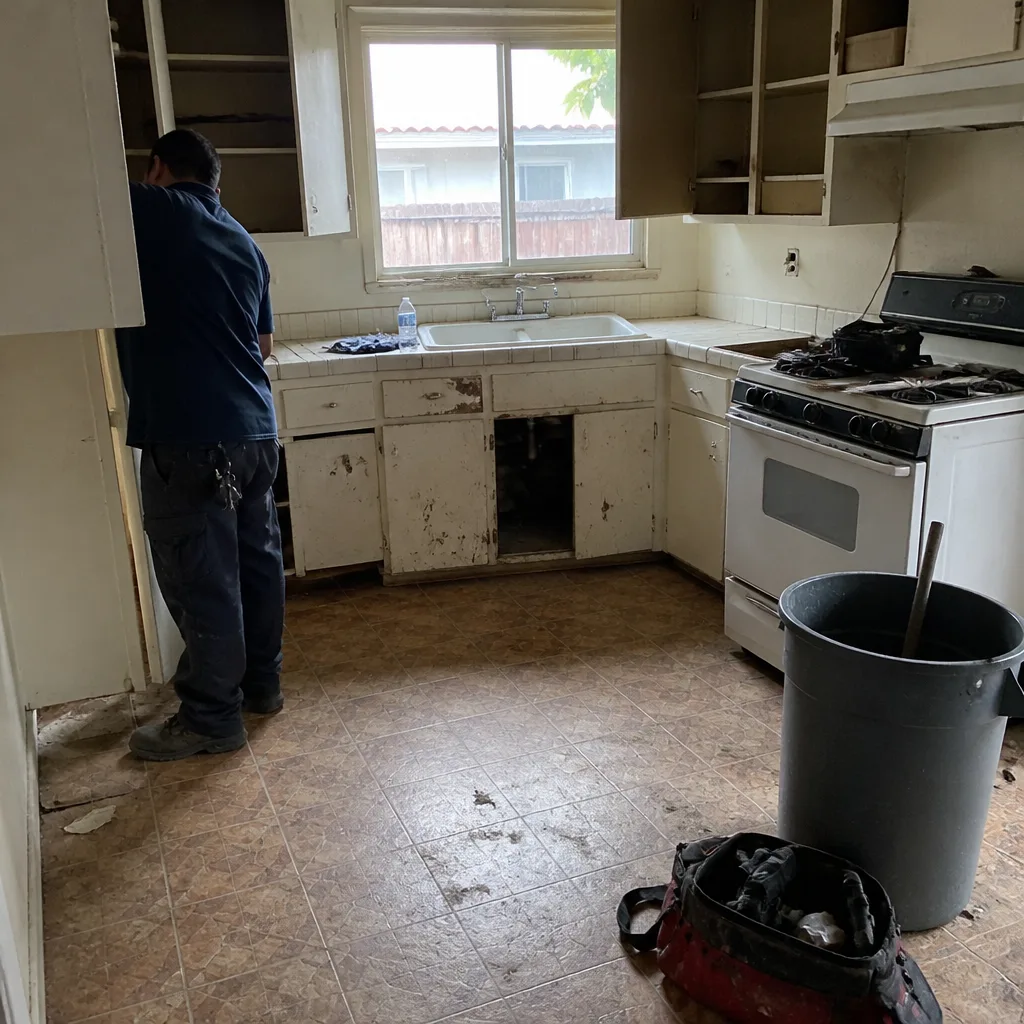
See the difference
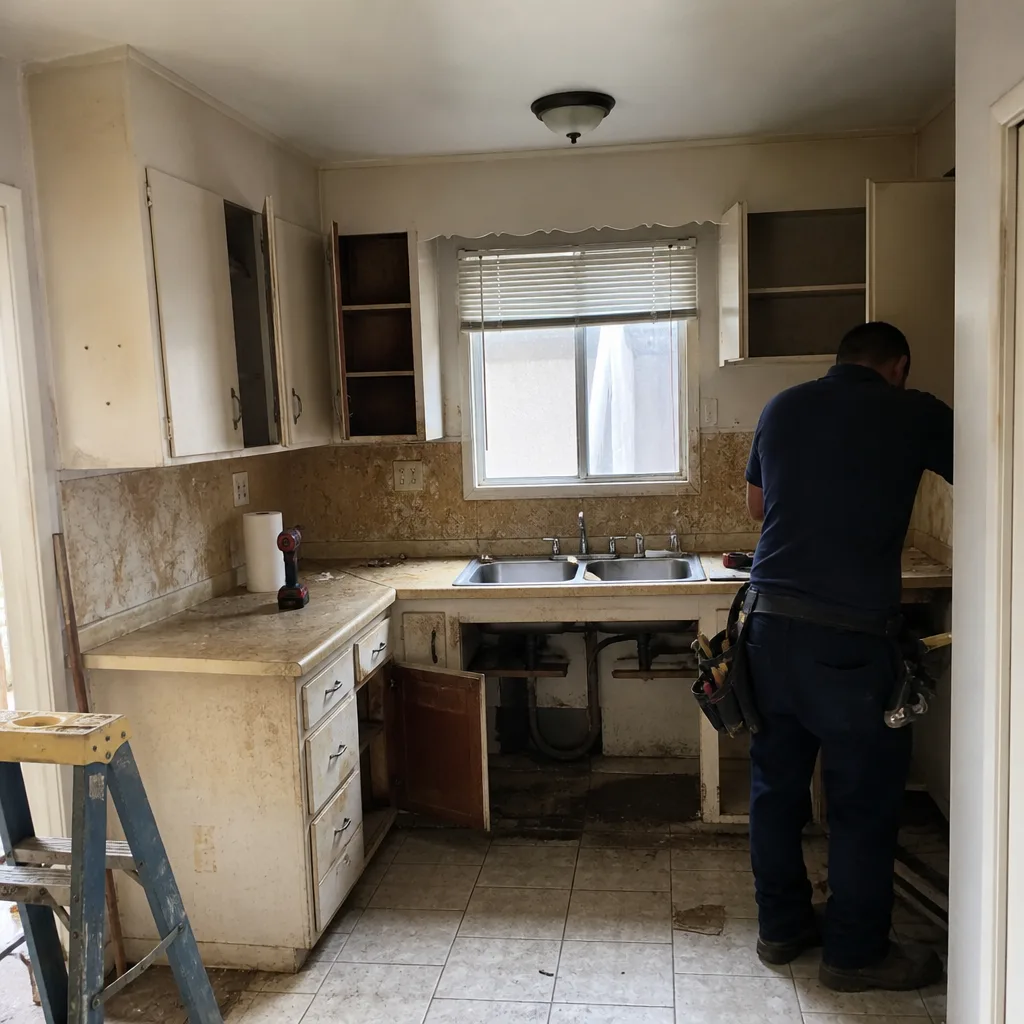
 Before
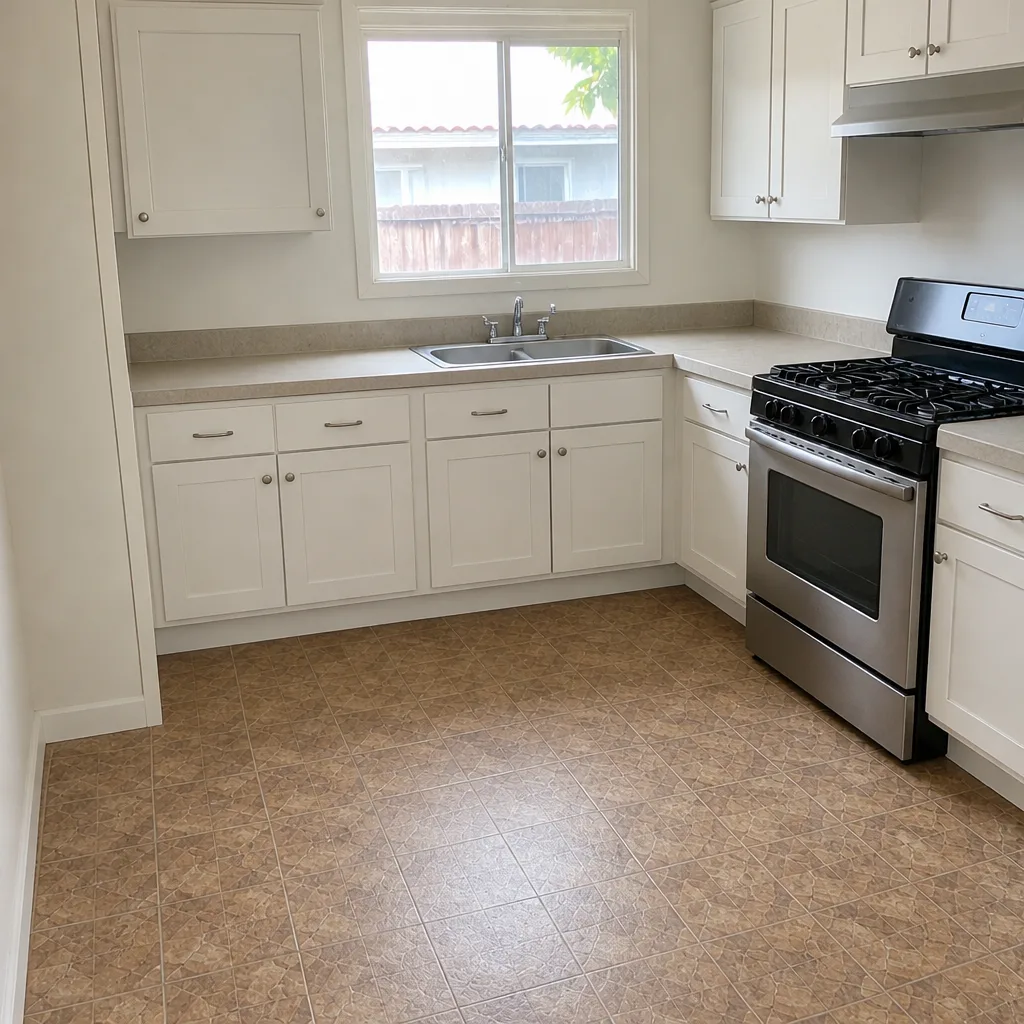 After
 Before
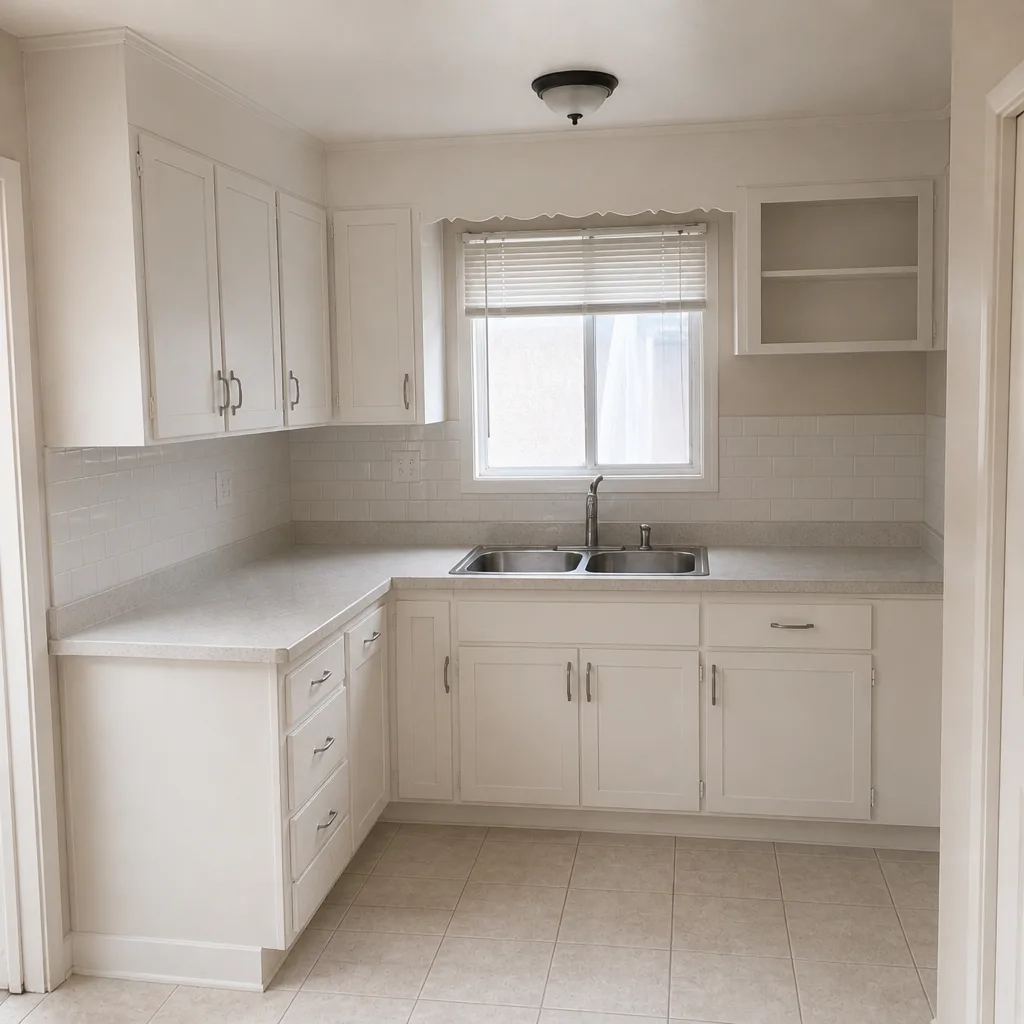 After
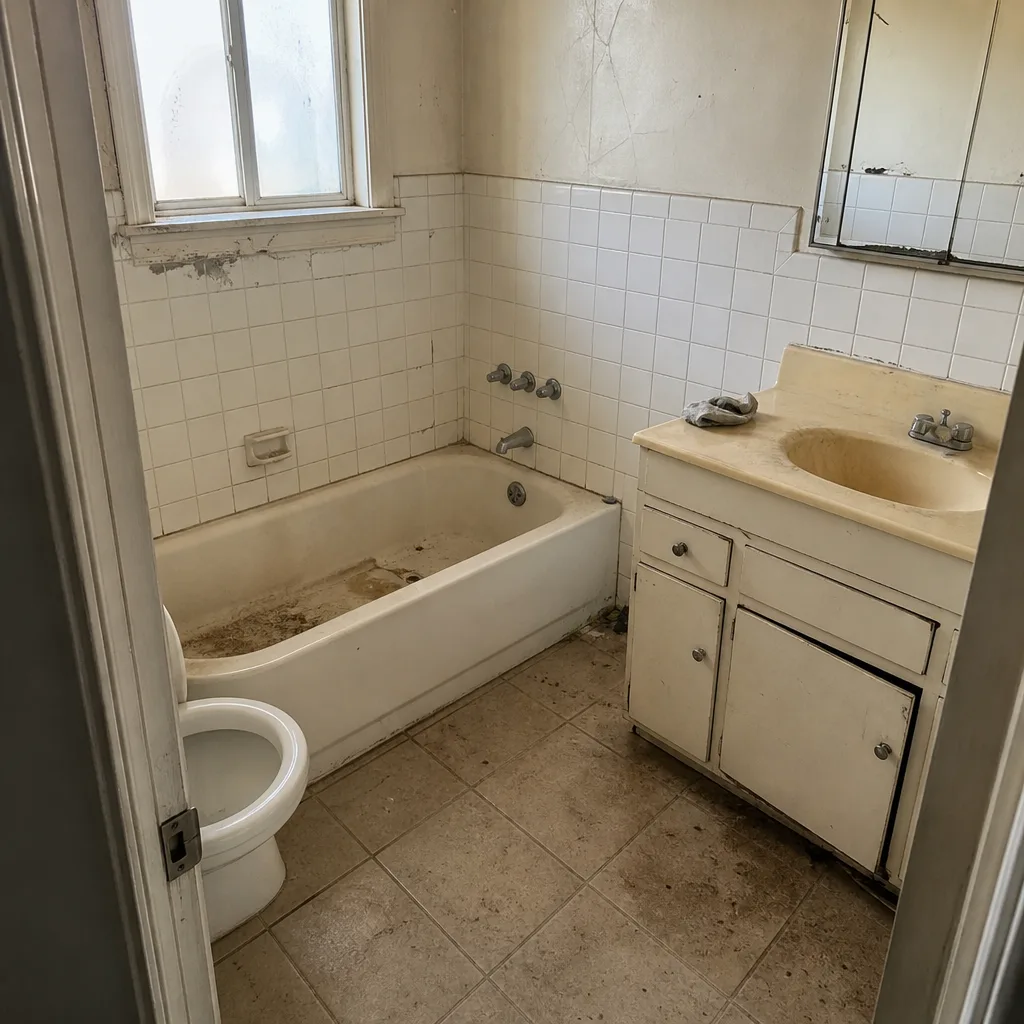 Before
 After
When to Call a Professional
Call a licensed contractor before you start, not after. Any project touching a load-bearing wall, the electrical panel, gas lines, or roof structure is a call-a-professional scenario from the first day. So is anything that needs a permit, which in Garden Grove is most of the work worth doing. An unpermitted addition, a settling driveway, a roof past its service life, a bathroom with failing drain lines: these are the calls that get more expensive the longer they wait. Rowan Construction Group Garden Grove offers free estimates in Garden Grove – call (888) 303-8980. We’ll tell you the permit path, the price range, and what the inspection will actually cover before you commit to anything.
Frequently Asked Questions
Often, yes. ADUs and home additions in Garden Grove typically sit under both city and county jurisdiction, and the county review adds time to the permit calendar. The right move is to confirm the path before signing anything. Call (888) 303-8980 for an exact quote on your project – estimates are free.
A mid-range kitchen remodel in Garden Grove typically runs $28,000 to $65,000, with the higher end reflecting electrical upgrades common in 1950s homes and layout changes. The number that matters is the written price with the scope attached. Call (888) 303-8980 to schedule a free estimate.
Not without a signed change order. On a Rowan project, no work proceeds on a change until the change order is signed, which is the discipline that keeps projects within a few percent of the agreed cost. That’s Clause 1 of the Haven Standard. Call (888) 303-8980 for a written price before any work starts.
Yes, and the written scope tells you which agency is reviewing them. In Garden Grove that matters, because some projects go city-only and others pull in county review. Call (888) 303-8980 to schedule a free estimate that includes the permit path.
It depends on the trade and the permit path. A bathroom remodel typically takes two to four weeks for permit review plus the build; an ADU runs six to twelve weeks just for review, then construction on top of that. You’ll get a realistic schedule in writing with the price. Call (888) 303-8980 to get yours.
Address it before you pull a new permit or list the house. The city will want it regularized, and the earlier you know the scope, the cheaper the fix. We document what’s actually there on the first visit and give you a written price for the correction. Call (888) 303-8980 for a free estimate.
The Bottom Line
Construction in Garden Grove is shaped by four concrete forces, and a smooth project depends on understanding all four before anything is signed. Know whether your permit is city-only or city-plus-county. Know what your home’s build era predicts about its electrical, plumbing, and foundation. Budget for Title 24. And insist on a written price with a written scope and a signed change order before work begins. The homeowners who do those four things almost never get surprised. The ones who skip them are the ones whose projects restart. Rowan Construction Group Garden Grove delivers a flat written price, a documented photo record on every visit, and the 365-Day Done Right Promise on every job.
Call (888) 303-8980 for a free estimate on your Garden Grove project. Bring a competitor’s written quote and we’ll review it line by line at no charge.
Written by the team at Rowan Construction Group Garden Grove.