Last updated November 17, 2026
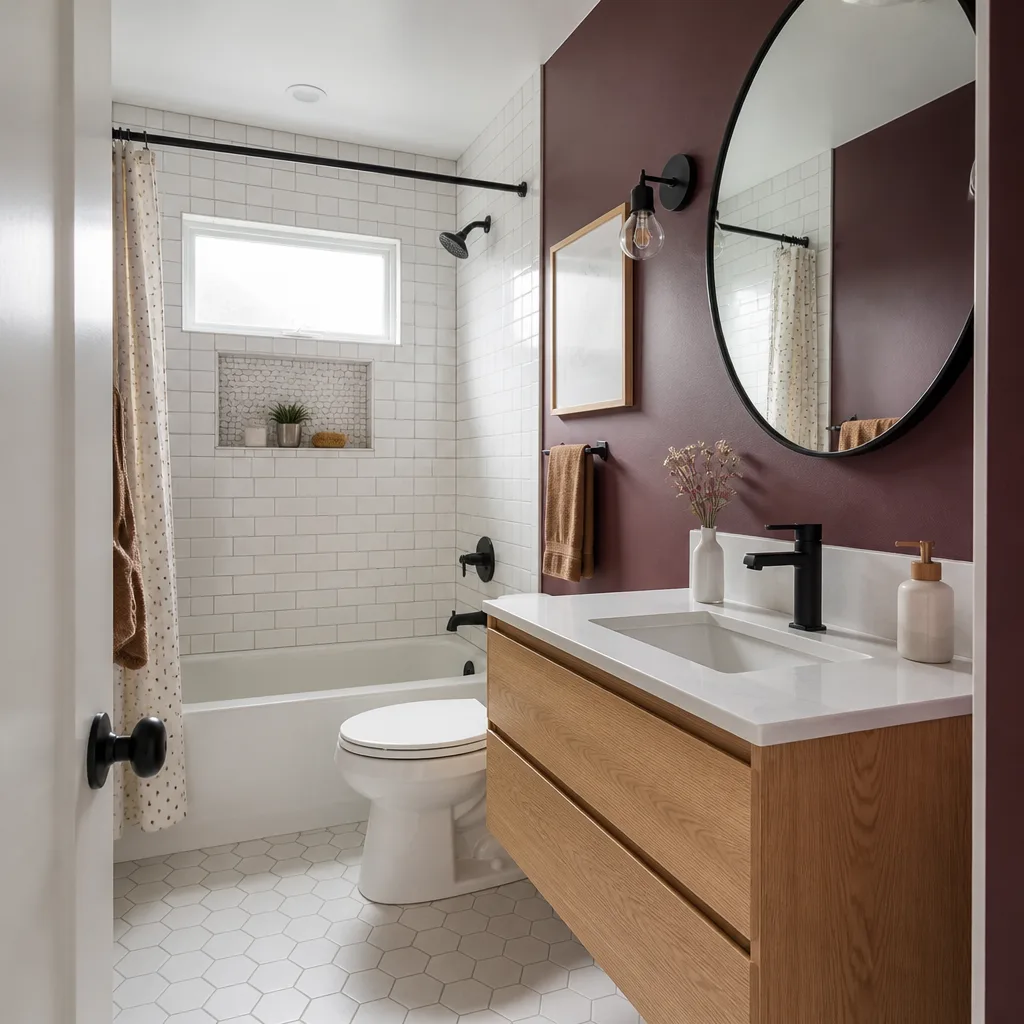
Free written scope consultation - allowances, timeline, and change-order rules on paper before a single trade is scheduled
Construction Cost Breakdown: The Garden Grove Homeowner’s Reference for 2026
Most consumer cost guides put a bathroom remodel at $12,000 – $21,000 nationally. That number is real, and it’s also close to fiction here. It leaves out California’s licensed-labor rates, Title 24 compliance documentation, HERS testing, and Orange County permit fees, which together add roughly $3,500 – $7,000 to the same scope before a single tile is set. This guide replaces the national averages with the line-item math behind seven common Garden Grove projects, so you can read a bid line by line instead of comparing only the bottom number.
Quick Answer
In Garden Grove in 2026, a realistic budget runs $28,000 – $85,000 for a kitchen remodel, $18,000 – $38,000 for a bathroom, $130,000 – $320,000 for a room addition, and $110,000 – $260,000 for a detached ADU, depending on size and finishes. Every one of those ranges includes labor, materials, permits, and a 10 – 15% contingency. The single biggest driver of surprise cost isn’t the finish schedule: it’s whether the permit and compliance line is priced correctly up front.
Styles & brands we work with
- Kitchen remodeling
- Bathroom remodeling
- Home additions & ADU
- Roofing
- Windows & doors
- Driveway & pavers
- Fence
Table of Contents
- What actually drives construction cost in Garden Grove
- The California cost components nobody puts on the page
- Cost tables for seven project types
- How brand selection moves the number
- The right and wrong way to build a contingency
- The signed change order as a cost-control tool
- How to read a bid line by line
- Common mistakes to avoid
What Actually Drives Construction Cost in Garden Grove
Garden Grove sits on a mix of older ranch tracts built from the late 1950s through the 1970s, and that housing stock sets the cost profile. If your home went up before 1978, assume lead-safe work practices are part of the scope, because federal rules require them on pre-1978 housing when paint or windows are disturbed and that adds documented containment, cleaning, and certified-firm labor to the line items. We see this constantly in the neighborhoods around Garden Grove Boulevard and along the older blocks west of Brookhurst. It’s not a scare tactic, it’s a line on the bid.
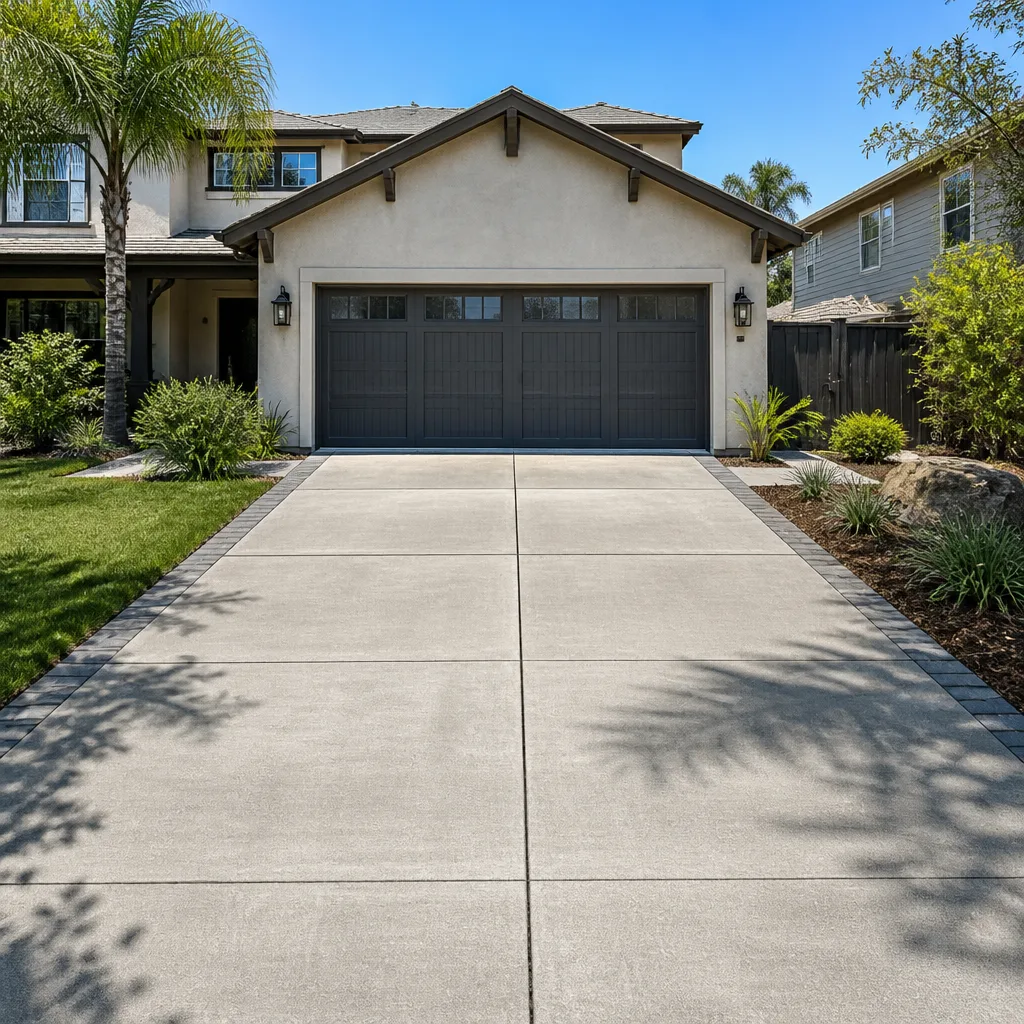
The second driver is soil and slab condition. Much of Garden Grove sits on alluvial ground that drains slowly in wet winters. In a wet January, patios heave and driveways hairline-crack; a paver base that’s spec’d too thin in a hurry will settle within two seasons. When we quote hardscape here, the base depth (typically 4 inches of compacted Class II base) and drainage pitch are costed items, not assumptions. It’s also why a proper Driveway & Pavers in Garden Grove quote separates excavation, base, and bedding from the surface material.
Third, access. Many Garden Grove lots are tight, with shared driveways and alley access in the older tracts. If a crew can’t get a dumpster within 50 feet of the work, labor for carrying out demolition rises. A bid that doesn’t ask about access will find that cost later.
The California Cost Components Nobody Puts on the Page
This is where national averages fall apart. Four line items are effectively non-negotiable on permitted work in California, and they should appear on any honest bid.
- Licensed sub-trade requirements. Electrical, plumbing, HVAC, and roofing are licensed trades. A general laborer cannot pull a panel or run gas line. Those trades are priced as licensed labor, which is a real premium over national averages.
- Title 24 compliance documentation. Any addition, ADU, or window-replacement scope that touches the building envelope requires energy-compliance documentation: window U-factor and SHGC ratings, insulation R-values, duct sealing, and the forms to prove it. Expect $400 – $1,200 in documentation and specification labor on a typical addition.
- HERS testing. New construction and significant alterations often trigger HERS verification for duct tightness and envelope leakage. Budget $250 – $600 per test.
- Permit fees. Garden Grove permit fees on a mid-size room addition commonly land between $2,500 and $6,000+, scaled to valuation. A detached ADU can run higher. The city publishes its fee schedule, and a real contractor will show you the calculation.
Prevailing wage is the item most homeowners misunderstand. On private residential work it generally does not trigger. It does trigger on public works and certain publicly funded or subsidized projects. If you’re building an ADU backed by a public financing program, ask specifically whether prevailing wage applies to your scope, because it can move labor cost by 30% or more.
In our experience, the bids that come in lowest here are the ones that quietly leave HERS, Title 24 forms, and sometimes the permit itself off the sheet, then add them as “unforeseen” mid-project. Look for those lines explicitly.
Cost Tables for Seven Project Types
Below are Garden Grove ranges for 2026, split into labor, materials, permits and compliance, and contingency. Figures assume a licensed crew, permitted work, and mid-grade finishes. Higher-end finish schedules can push materials well past the top of each range.
1. Kitchen Remodel
- Total: $28,000 – $85,000 (layout change and load-bearing removal push the top end)
- Labor: $12,000 – $32,000
- Materials: $11,000 – $38,000
- Permits and compliance: $900 – $2,800
- Contingency (10 – 15%): $2,800 – $12,000
2. Bathroom Remodel
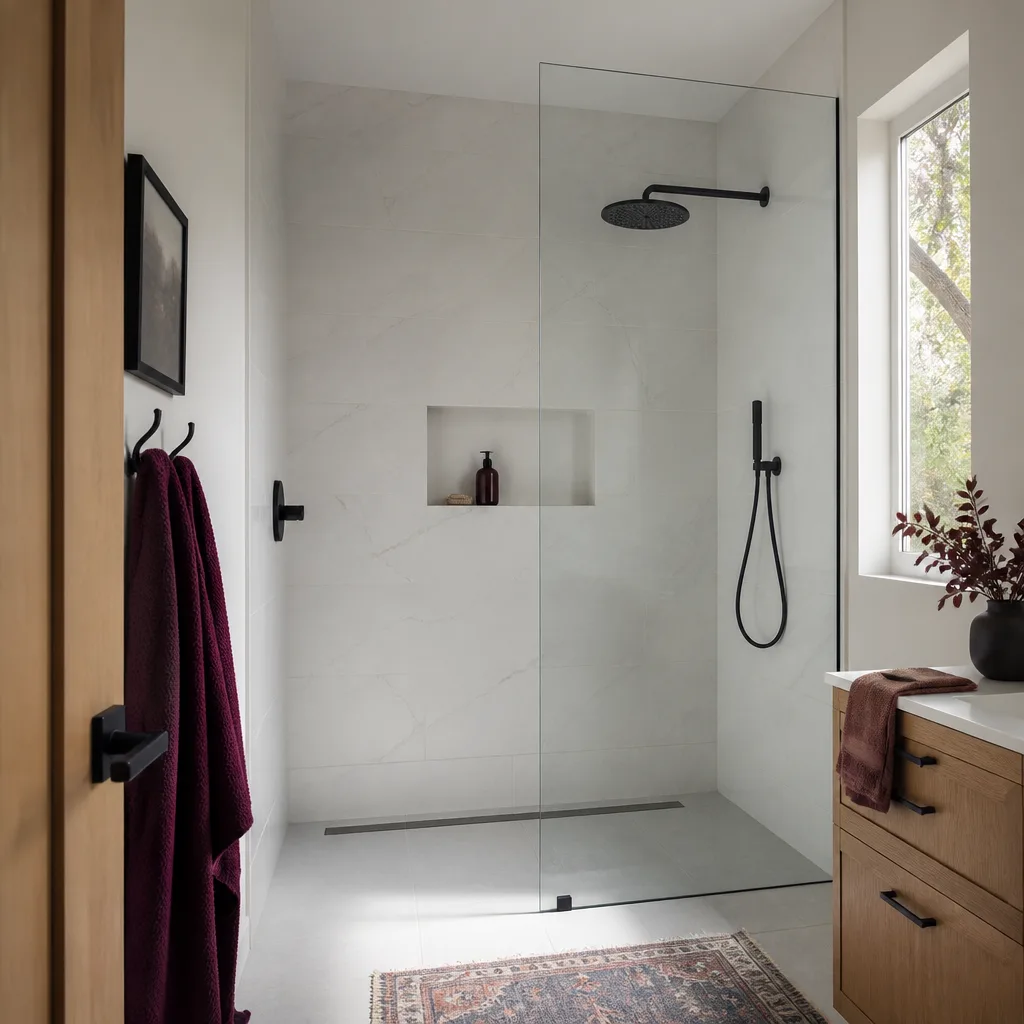
- Total: $18,000 – $38,000 (full gut to studs; tile membrane and waterproofing are separate line items)
- Labor: $8,000 – $16,000
- Materials: $7,000 – $17,000
- Permits and compliance: $600 – $1,600
- Contingency (10 – 15%): $1,800 – $5,400
3. Room Addition (on grade or over crawl)
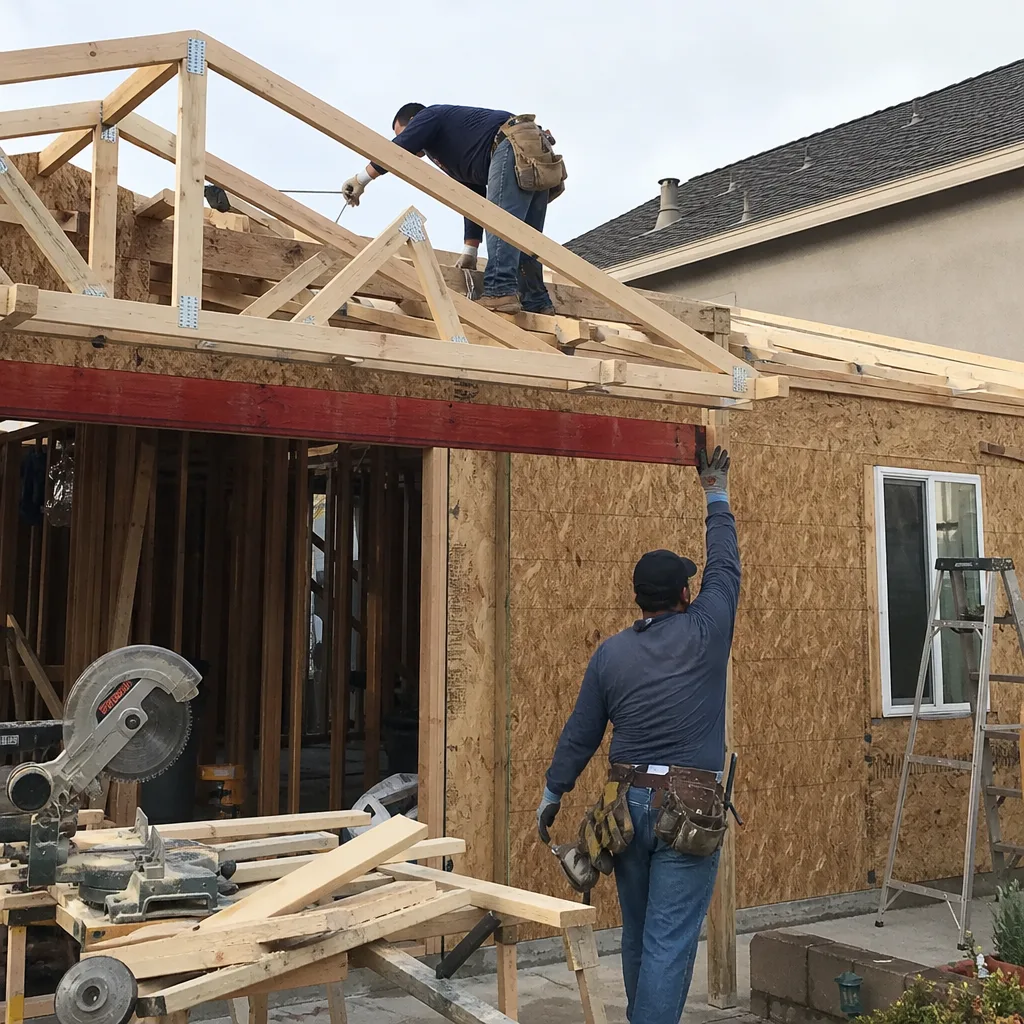
- Total: $130,000 – $320,000 for 200 – 600 sq ft
- Labor: $60,000 – $150,000
- Materials: $45,000 – $110,000
- Permits and compliance: $3,000 – $7,000
- Contingency (10 – 15%): $13,000 – $45,000
4. Detached ADU
- Total: $110,000 – $260,000 for 500 – 900 sq ft, depending on whether you’re converting a garage or pouring fresh slab
- Labor: $55,000 – $130,000
- Materials: $42,000 – $100,000
- Permits and compliance: $3,500 – $8,500
- Contingency (10 – 15%): $11,000 – $36,000
ADUs carry a hidden cost that surprises people: utility trenching and the separate meter if you plan to rent the unit, often $6,000 – $15,000, quoted separately from the shell. If you’re exploring this route, our guide to Home Additions & ADU in Garden Grove walks through the permitting sequence and what the city asks for on plans.
5. Roofing Replacement
- Total: $14,000 – $28,000 for a typical Garden Grove single-story, 1,600 – 2,200 sq ft
- Labor: $6,000 – $11,000
- Materials: $5,000 – $13,000
- Permits: $400 – $900
- Contingency (10 – 15%): $1,400 – $4,200
6. Driveway and Pavers
- Total: $9,000 – $24,000 for 600 – 1,000 sq ft
- Labor: $4,000 – $9,000
- Materials: $3,500 – $11,000
- Permits (if crossing sidewalk or curb): $300 – $900
- Contingency (10 – 15%): $900 – $3,500
7. Electrical Panel Upgrade
- Total: $3,200 – $7,500 (200-amp service, permits and utility coordination included)
- Labor: $1,600 – $3,800
- Materials: $900 – $2,200
- Permits and inspection: $350 – $800
- Contingency (10 – 15%): $320 – $1,100
Panel upgrades are the one job on this list where the risk of doing it yourself is genuinely lethal. The main service conductors stay live even after the main breaker is off. A licensed electrician is not optional here, and any bid that implies otherwise should be discarded.
How Brand Selection Moves the Number
Two owners can build the same kitchen and land $15,000 apart purely on fixture and finish brands. Here’s how the math actually moves per square foot.
- Bathroom fixtures. A Kohler or Sterling package (toilet, sink, faucet) runs roughly $1,200 – $2,400 for a hall bath. A comparable Grohe fixture set adds $400 – $900 for the shower valve and trim alone, mostly in the cartridge and finish. Over a 40 sq ft bath, that’s a $10 – $23 per sq ft difference on the fixture line. You’re largely buying valve longevity and finish durability.
- Roofing. GAF Timberline HDZ and CertainTeed Landmark are both architectural shingles in the same class. Installed cost generally differs by only $0.10 – $0.30 per sq ft. The bigger cost swing is the underlayment and flashing detail: a two-layer tear-off versus one, or an upgraded synthetic underlayment, moves the number more than the shingle brand.
- Cabinets and counters. On the kitchen side, a stock cabinet line versus a semi-custom KraftMaid or Wellborn line typically spans $4,000 – $14,000 for a standard 10×10 layout. Cambria versus Caesarstone quartz lands within a narrow band unless you move to a premium slab or specialty edge.
- Pavers. Belgard versus Techo-Bloc for the same driveway runs within about $1 – $2 per sq ft, and the base depth matters more than the surface.
The rule of thumb: spend your brand premium where you’ll feel it. Faucet valves, door hardware, and roof underlayment earn their cost. Matching towel bars to a luxury faucet doesn’t.
The Right and Wrong Way to Build a Contingency
A legitimate contingency in California is typically 10 – 15% of the hard cost. It is meant to cover conditions that no one can see until walls are open: a rotted subfloor under a shower pan in a 1965 Garden Grove ranch, a missing header over a doorway from a past unpermitted job, or a slab crack that forces a re-pour of a small slab section. Those are real. Those are what the 10 – 15% is for.
What a contingency is not for is finish upgrades chosen mid-project, design changes, or work that should have been in the original scope. When a contractor’s bid includes 25% “contingency” and no line-item detail, you’re not being protected, you’re being pre-charged for scope they haven’t defined. The discipline is simple: the price is written before work starts, and any change to that scope is signed before the change is performed. Under Clause 1 of The Haven Standard, that’s how we work, and it’s what keeps jobs within a few percent of the agreed number across thousands of projects.
If a bid uses the word “allowance” without a number and a brand, ask for both. An allowance is a placeholder, not a price.
The Signed Change Order as a Cost-Control Tool
Here’s a real story from a bathroom remodel we walked through a few years back, mid-project after the client parted ways with a previous crew. During demolition, the original contractor found rot in the floor joists under the tub and told the homeowner it “would be a few hundred dollars to sister up the joists.” It was a verbal change, no paperwork. The homeowner said “sure, just take care of it.” Two months later the final invoice included $4,200 in structural and ancillary charges the homeowner had no proof of, and no way to contest line items like “extra fasteners” and “additional labor days.”
- What the homeowner wished they had: a written change order listing the scope (three joists sistered, one section of subfloor replaced, specific materials with quantities), the added flat price, and the revised completion date.
- What it would have prevented: the disputed $4,200, which would have been closer to $1,600 had it been quoted before the work.
- What it would have cost: 20 minutes and a signature.
The point isn’t that the original contractor was dishonest; the point is that memory is not a contract. A one-page change order, signed before the change proceeds, is the single cheapest tool a homeowner has for controlling cost. Any contractor who resists that discipline is telling you something about how their final invoice will read. If a competitor’s estimate feels high, our free second opinion line reviews it line by line at no charge so you know exactly what you’re comparing.
How to Read a Bid Line by Line
This is the practical skill the whole guide is aimed at. Bring any written bid and check it against this sequence:
- Is the price flat or an estimate range? A flat written price with a defined scope is what you want. “Plus materials TBD” is not a price.
- Is the permit named and priced? The permit and inspection line should be on the bid with a number. If it’s “by others,” ask who.
- Are Title 24, HERS, or lead-safe items shown where applicable? If your home was built before 1978 and the scope disturbs paint, that line should be there. If not, you’ll be paying it later.
- Is there a contingency line? Yes: 10 – 15% with a defined purpose. No: ask them to add one. 25%+: ask why.
- Are allowances defined with brand and dollar amount? “Tile allowance $15 per sq ft” is honest. “Tile allowance: to be determined” is not.
- Is the change-order process described? Look for the sentence that says no work proceeds without a signed change order. If it isn’t there, ask for it in writing.
- Is there a written warranty? A signed warranty on the workmanship side is a differentiator. Ours is the 365-Day Done Right Promise, and it’s printed, not summarized on the phone.
- Are the brands named? GAF or CertainTeed, Kohler or Sterling, Belgard or Techo-Bloc. Named brands mean the bid can be compared. Generic categories mean it can’t.
This is the same discipline we use on every project; the Rowan Construction Group Garden Grove home page describes the 4,000-plus jobs, written-price policy, and photo record in more detail.
Common Mistakes to Avoid
- Comparing bottom lines across bids with different scopes. A $20,000 bathroom bid without HERS, permit, and lead-safe items isn’t cheaper than a $25,000 bid that includes them. It’s a $25,000 bathroom arriving by surprise.
- Accepting verbal changes. In Garden Grove’s older slabs, “we found rot” is almost a given in mid-century baths. If it’s not in a signed change order, it’s not in your control.
- Underfunding the contingency on pre-1960 homes. The tract homes near Garden Grove Park and along the older blocks east of Valley View routinely surface galvanized supply lines slated for replacement, which is a $4,000 – $9,000 surprise. Budget 15%, not 10%, if your home went up before 1960.
- Buying the shingle brand and skimping on underlayment. GAF Timberline is a fine shingle; a single layer of felt under it will fail first. The underlayment and flashing detail decide the roof’s real lifespan.
- Letting an ADU be quoted without utility trenching. If the quote doesn’t mention electrical and plumbing runs to a new structure, those will show up at $6,000 – $15,000 on top.
- Assuming a handyman can pull an electrical permit. Garden Grove, like every California city, requires licensed trade permits. A handyman doing panel work is a fire and safety risk and voids insurance.
- Skipping the second opinion. Bring a competing estimate and have it reviewed line by line. It’s free, and it’s the fastest way to spot a missing scope.
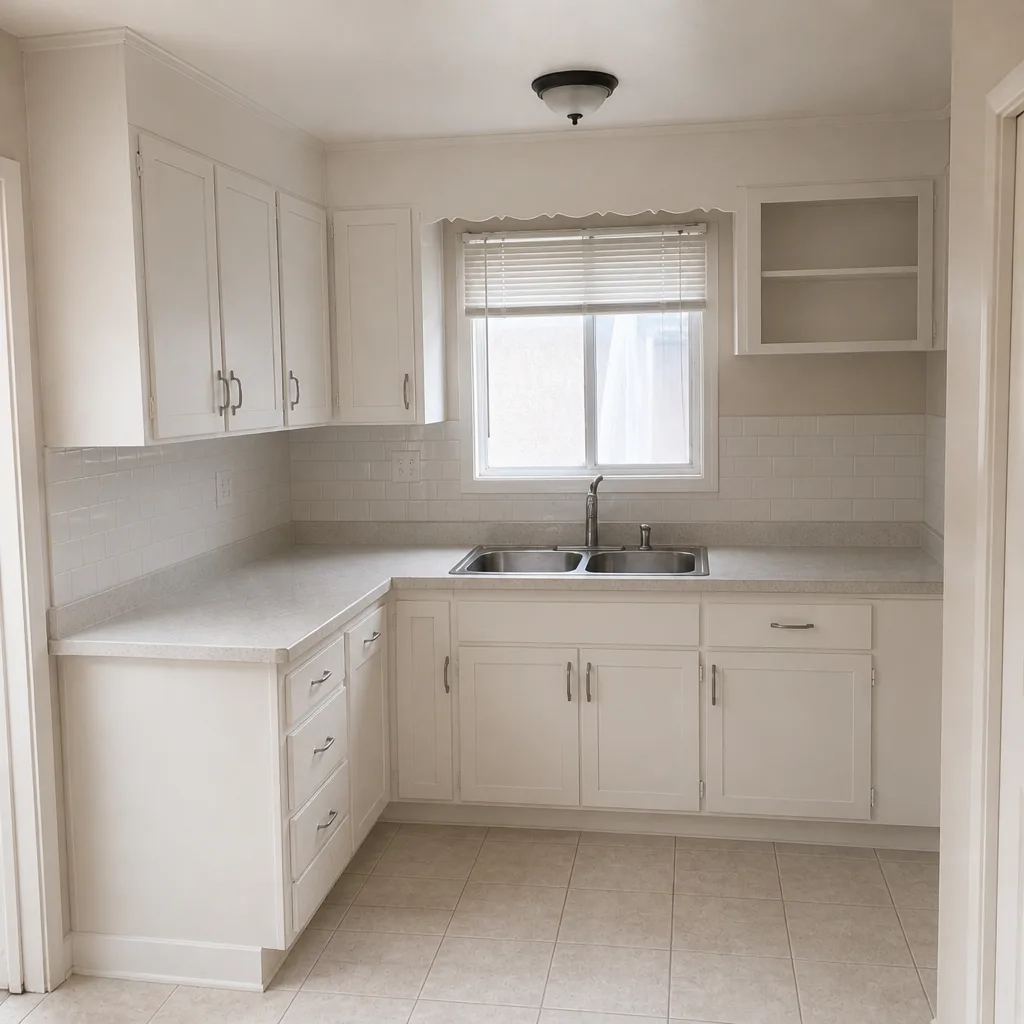
See the difference
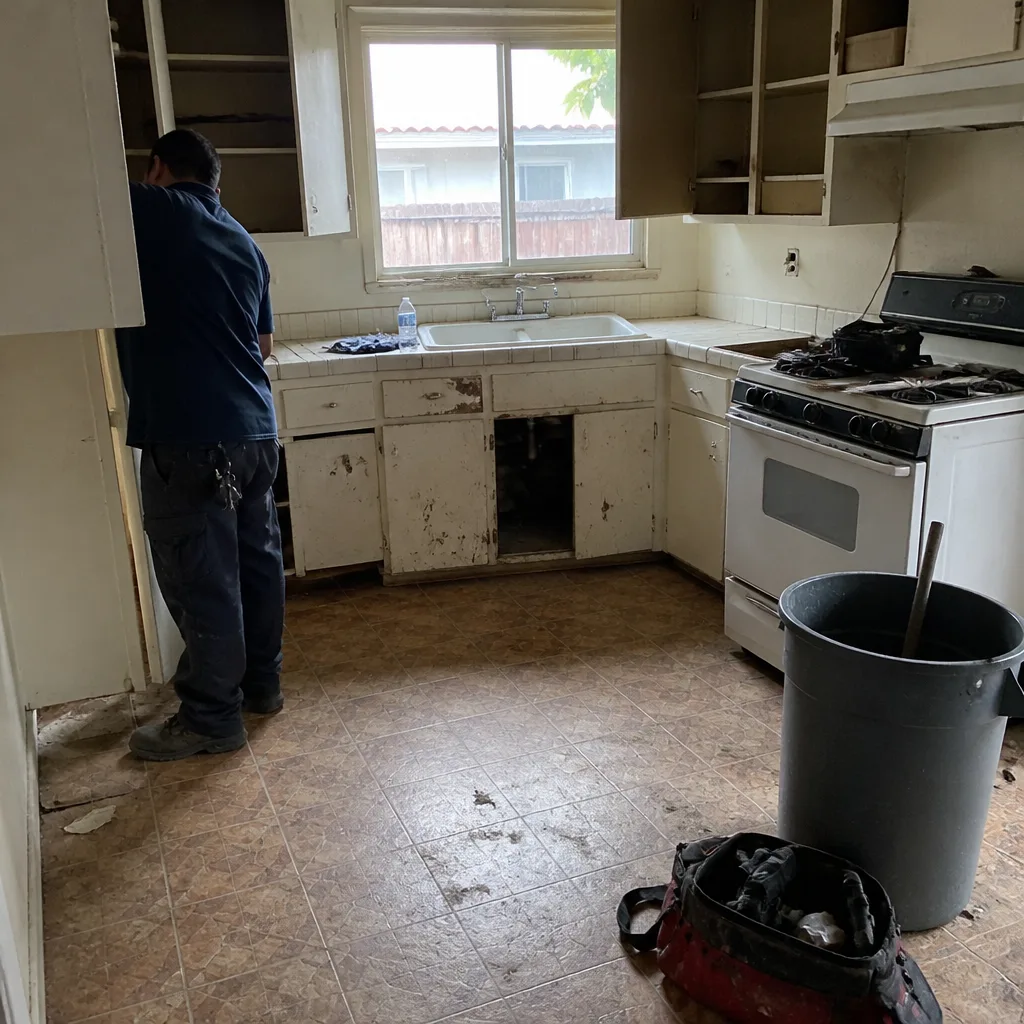 Before
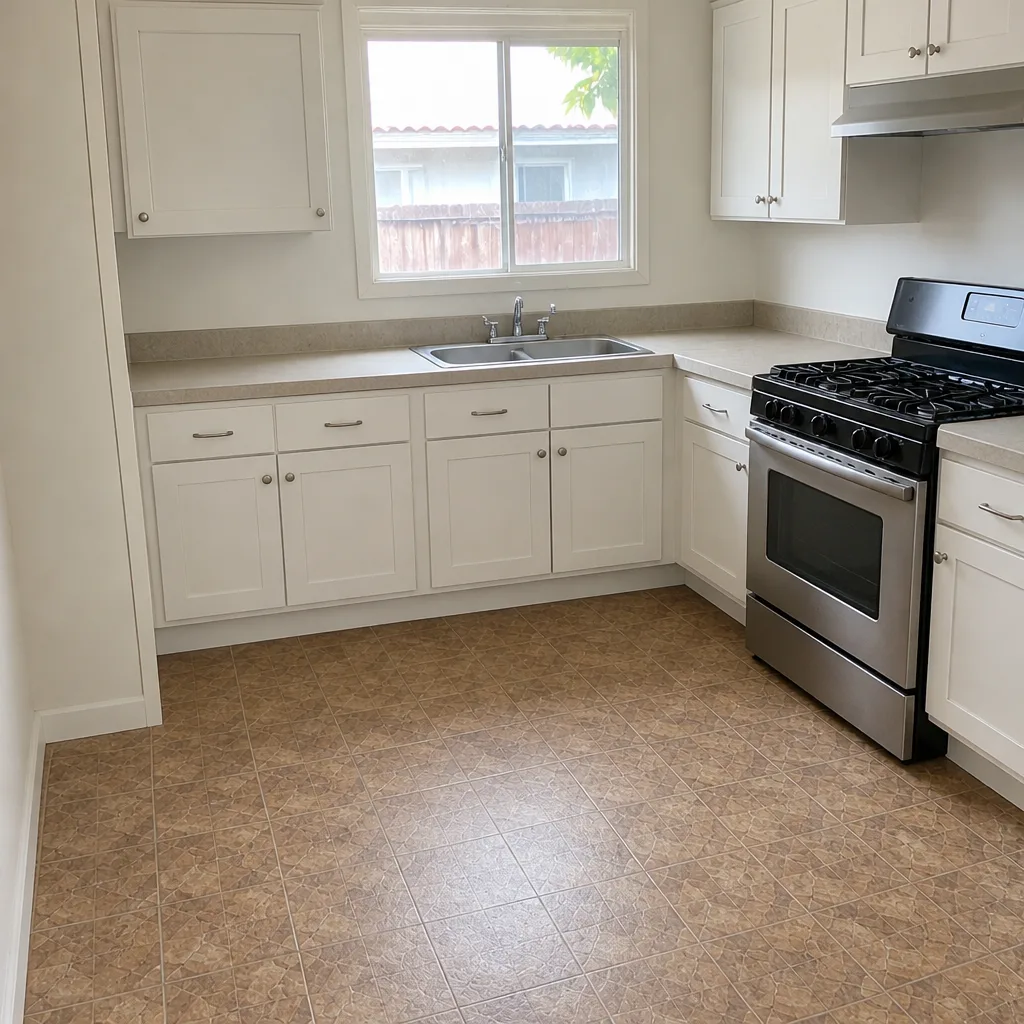 After
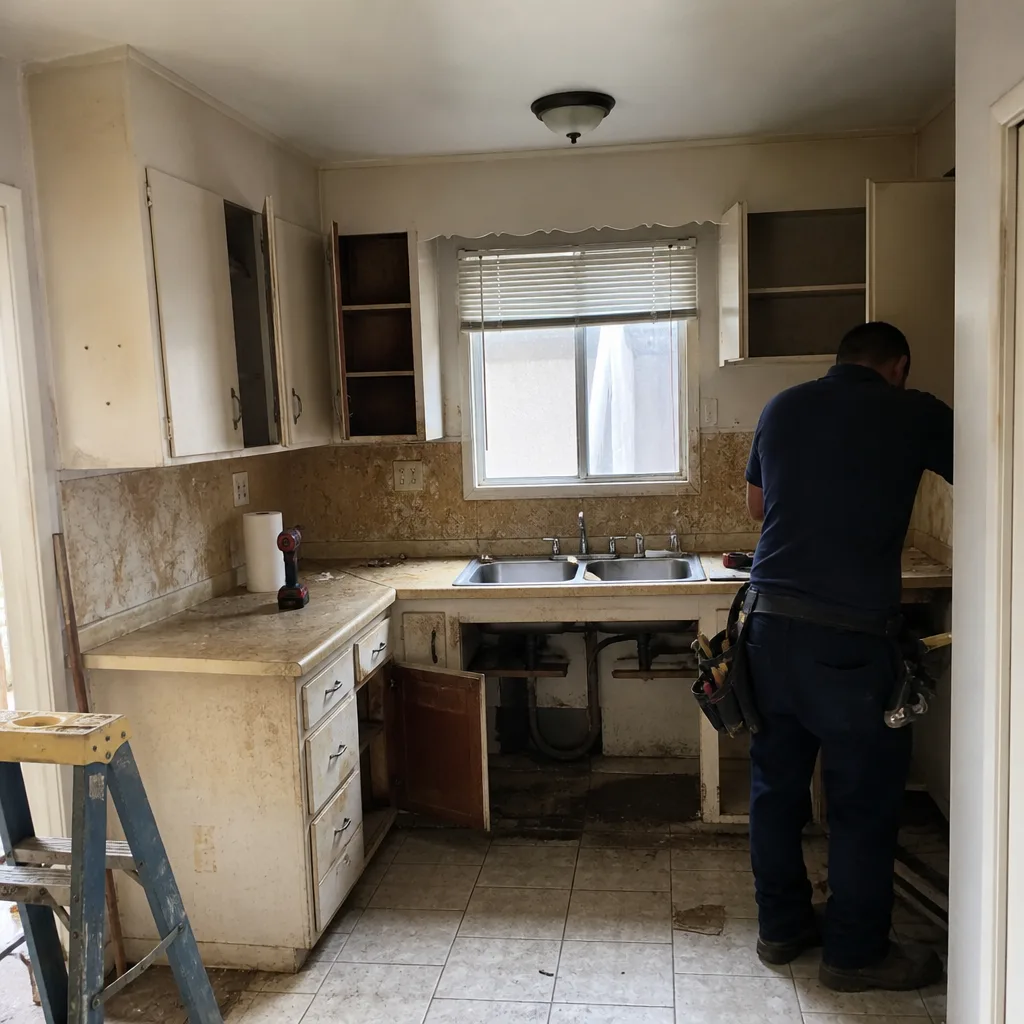 Before
 After
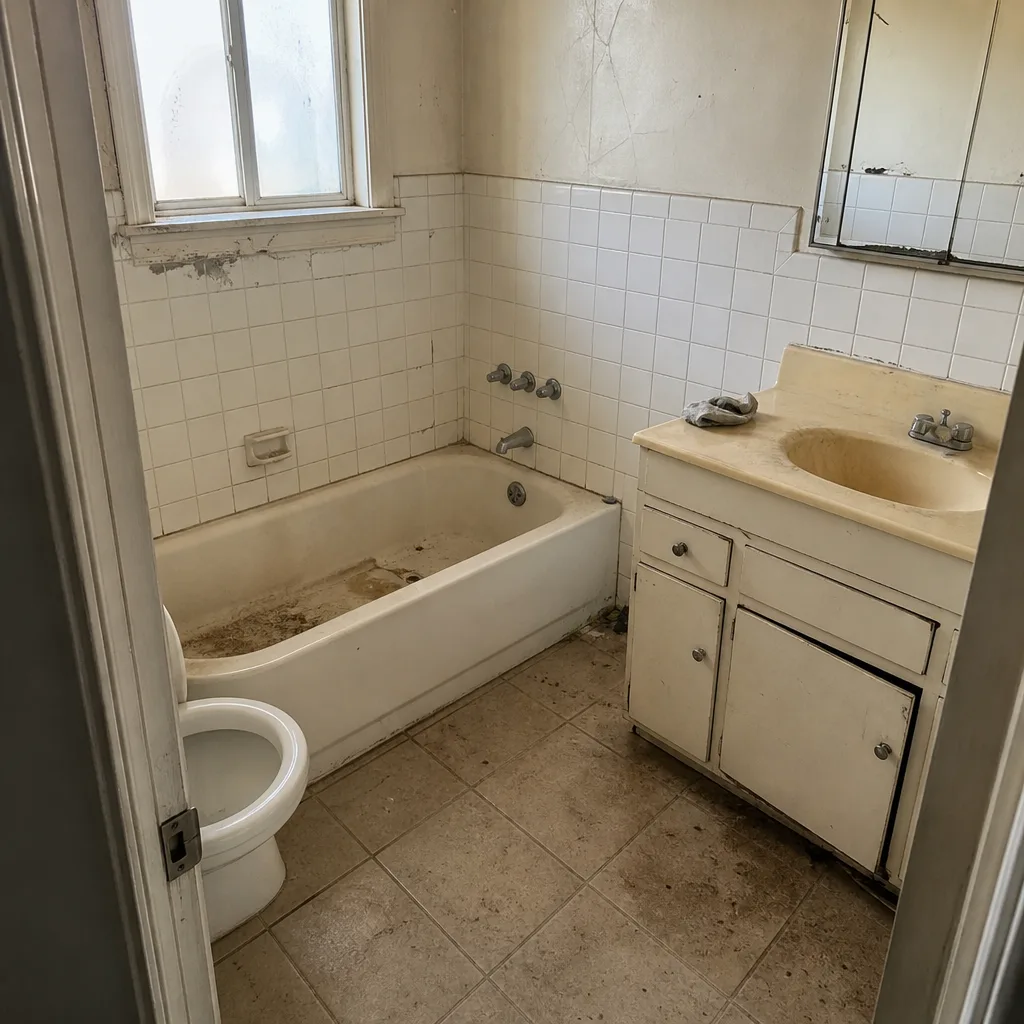 Before
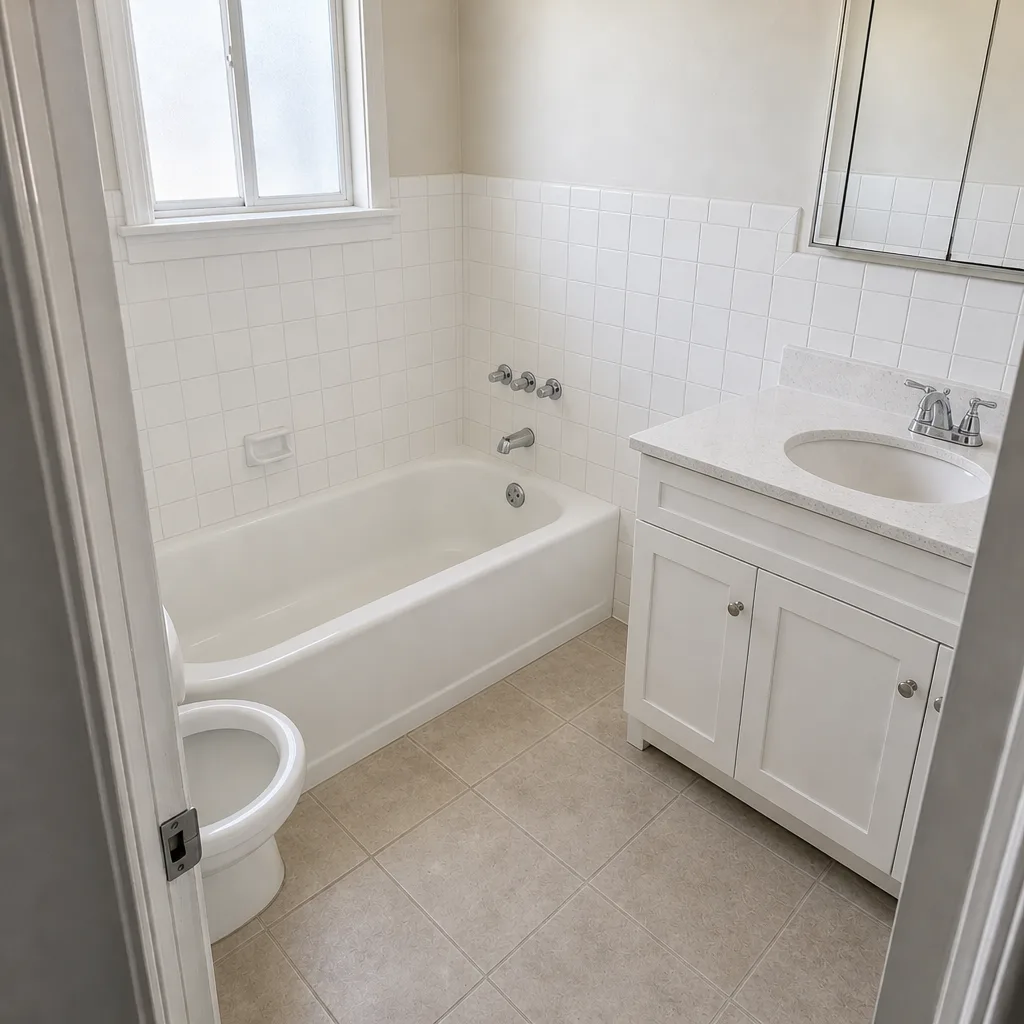 After
When to Call a Professional
If the work touches a permit, a live electrical panel, gas piping, structural framing, or the roof envelope, it needs a licensed professional. That covers a full kitchen or bath remodel, any addition or ADU, a panel upgrade, and any roofing work that replaces decking or moves flashing. A fence replacement that doesn’t touch property-line footings can often be handled by a homeowner, but a full permitted Fence Installation in Garden Grove with new posts and a shared line is a licensed job because of the survey and setback questions alone. For anything in that first group, Rowan Construction Group Garden Grove offers free estimates in Garden Grove, and a flat written price before any work starts. Call (888) 303-8980 to schedule.
Frequently Asked Questions
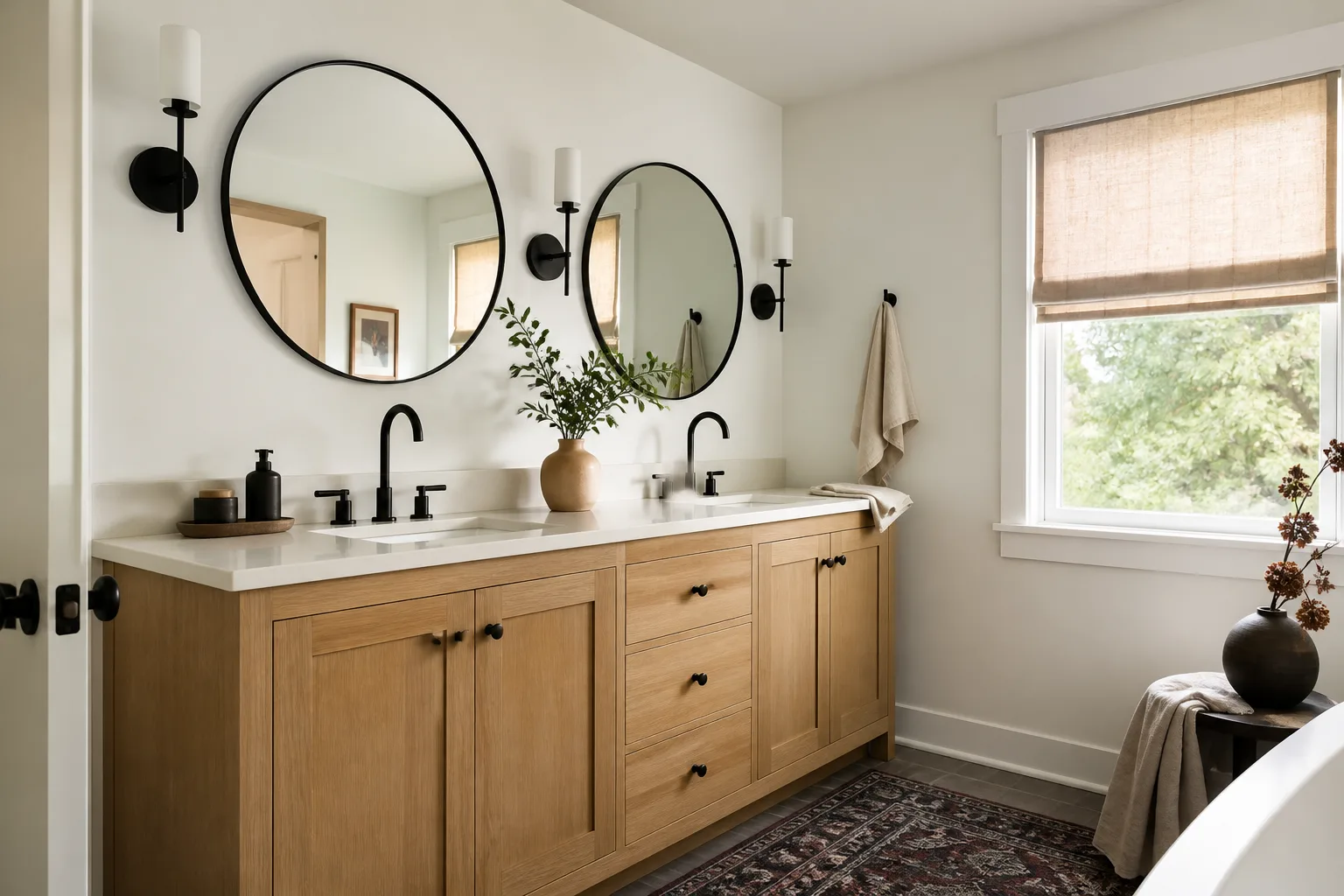
A full bathroom remodel in Garden Grove typically runs $18,000 – $38,000, including labor, materials, permits, and a 10 – 15% contingency. The top end reflects a full gut with tile membrane, new supply lines, and Title 24 compliance where the envelope changes. Call (888) 303-8980 for a flat written quote specific to your bathroom.
Yes. Any addition or ADU requires a building permit, plan check, and inspections from the city before occupancy. There’s no legal shortcut, and skipping the permit can mean a forced removal later plus a disclosure problem when you sell. We pull the permits and pass the inspections as part of the scope.
Usually not on private residential work. Prevailing wage typically applies to public works and certain publicly funded or subsidized programs. If you’re building an ADU funded through a public program, ask your contractor to confirm before you sign; the labor-cost swing can be substantial.
A bathroom takes 5 – 8 weeks, a kitchen 8 – 12 weeks, a room addition 4 – 6 months, and a detached ADU 6 – 10 months, including permitting and inspections. Garden Grove’s plan-check timeline adds to the front end of any permitted job, often 4 – 8 weeks. Call (888) 303-8980 to get a schedule matched to your project.
Not without a signed change order. The scope, flat price, and warranty are all written before work begins, and no change proceeds until you’ve signed off on the change order with the added cost. That’s how jobs finish within a few percent of the agreed number; call (888) 303-8980 to see a sample change order and the written warranty.
A bottom-line price with no line-item detail. A bid with no permit calculation, no allowance numbers, no brands named, and no change-order language is telling you it will be revised mid-project. A flat written price with defined scope is the benchmark. If you already have a competing bid, our free line-by-line second opinion will show you exactly what’s missing.
The Bottom Line
The national averages you see cited everywhere are structurally too low for Garden Grove. Add California’s licensed-labor rates, Title 24 documentation, HERS testing, and Garden Grove’s permit fees, and a mid-size bathroom you thought was $15,000 is realistically $18,000 – $38,000 – and that’s the honest number. A real budget names the scope, prices the permit and compliance work, holds a defined 10 – 15% contingency, and is protected by signed change orders on every shift. Read the bid line by line, ask for the warranty in writing, and take the free second opinion if you’re unsure. Call (888) 303-8980 to schedule your free written estimate with Rowan Construction Group Garden Grove, and get a flat price before anyone picks up a tool.
Written by the team at Rowan Construction Group Garden Grove.