Last updated November 17, 2026


Free written scope consultation - allowances, timeline, and change-order rules on paper before a single trade is scheduled
Fence Installation Maintenance Schedule: What to Do and When
Applying a penetrating oil finish to cedar fence boards when the wood moisture content is above 19% wastes the product and can seal moisture in, which speeds rot instead of preventing it. In Garden Grove, boards routinely sit above that threshold through April. So the maintenance calendar that matters isn’t organized by season. It’s organized by what the wood is actually doing. Below is the schedule we use to keep wood, vinyl, aluminum, and masonry fences standing through Garden Grove’s dry summers and marine-layer springs: what to do each month, which tasks are annual, which are urgent, and how to document the work so it holds up if you ever need a warranty claim or a property disclosure.
Quick Answer
A wood fence in Garden Grove needs an annual inspection in early spring, a cleaning and brightening pass in May, and a penetrating stain or sealer application between late May and early October, when moisture content drops below 15%. Vinyl, aluminum, and masonry fences need inspection and hardware checks every spring and fall, plus one deep clean and UV inhibitor check per year. Every fence type needs post-base probing and gate hardware torque checks annually, ideally in the same week each year so your photo record stays consistent.
Styles & brands we work with
- Kitchen remodeling
- Bathroom remodeling
- Home additions & ADU
- Roofing
- Windows & doors
- Driveway & pavers
- Fence
Table of Contents
- Garden Grove’s fence maintenance calendar: why timing beats effort
- Wood fence maintenance: cleaning, brightening, staining, sealing
- Vinyl fence maintenance: UV inhibitor and expansion gap checks
- Aluminum fence maintenance: fastener torque and powder coat
- Masonry fence maintenance: mortar joints and sealer
- The post base inspection protocol (and the probe that catches rot early)
- Gate hardware maintenance: torque specs, latch alignment, anti-sag cables
- What to photograph and document every year
Garden Grove’s fence maintenance calendar: why timing beats effort
Garden Grove sits close enough to the coast that marine-layer mornings keep wood damp well into spring, and warm enough inland that summers dry boards fast. That combination means fence wood here spends roughly November through April absorbing moisture and May through October losing it. The wet-to-dry cycle is what drives rot, checking (fine cracks along the grain), and finish failure. Your maintenance schedule needs to match that rhythm.
Wood moisture content is the number that decides whether a finish application succeeds. New cedar, redwood, and pressure-treated pine can arrive at 20% to 25% moisture content. If you apply a penetrating oil or film-forming sealer above roughly 19%, the product sits on the surface, the wood keeps holding water, and the coating traps it. Below 15%, the boards accept the finish and it cures the way the label describes. Your Garden Grove window where moisture routinely drops below that mark is late May through early October, and September is often the sweet spot: dry enough for good penetration, cool enough that products don’t skin over before they soak in.
The most practical way to check is a $20 to $40 pin-style moisture meter from any hardware store. Push the pins into a board about a quarter inch, read the number, and check three or four boards on different sides of the fence. South-facing boards dry faster than north-facing ones, and shaded runs near mature trees stay wetter longer.
Here’s the calendar we build for Garden Grove homeowners:
- February to March: full inspection, repair loose boards, probe post bases, photograph everything.
- April: clean and brighten wood fences. Skip staining if boards read above 15% moisture.
- Late May to early October: stain or seal wood. This is the treatment window.
- June: second hardware check on gates after the wood has fully dried and settled.
- September: ideal re-check for any boards that need touch-up before winter.
- November: clear gutters and vegetation away from the fence line so the wet season drains properly.
Wood fence maintenance: cleaning, brightening, staining, sealing
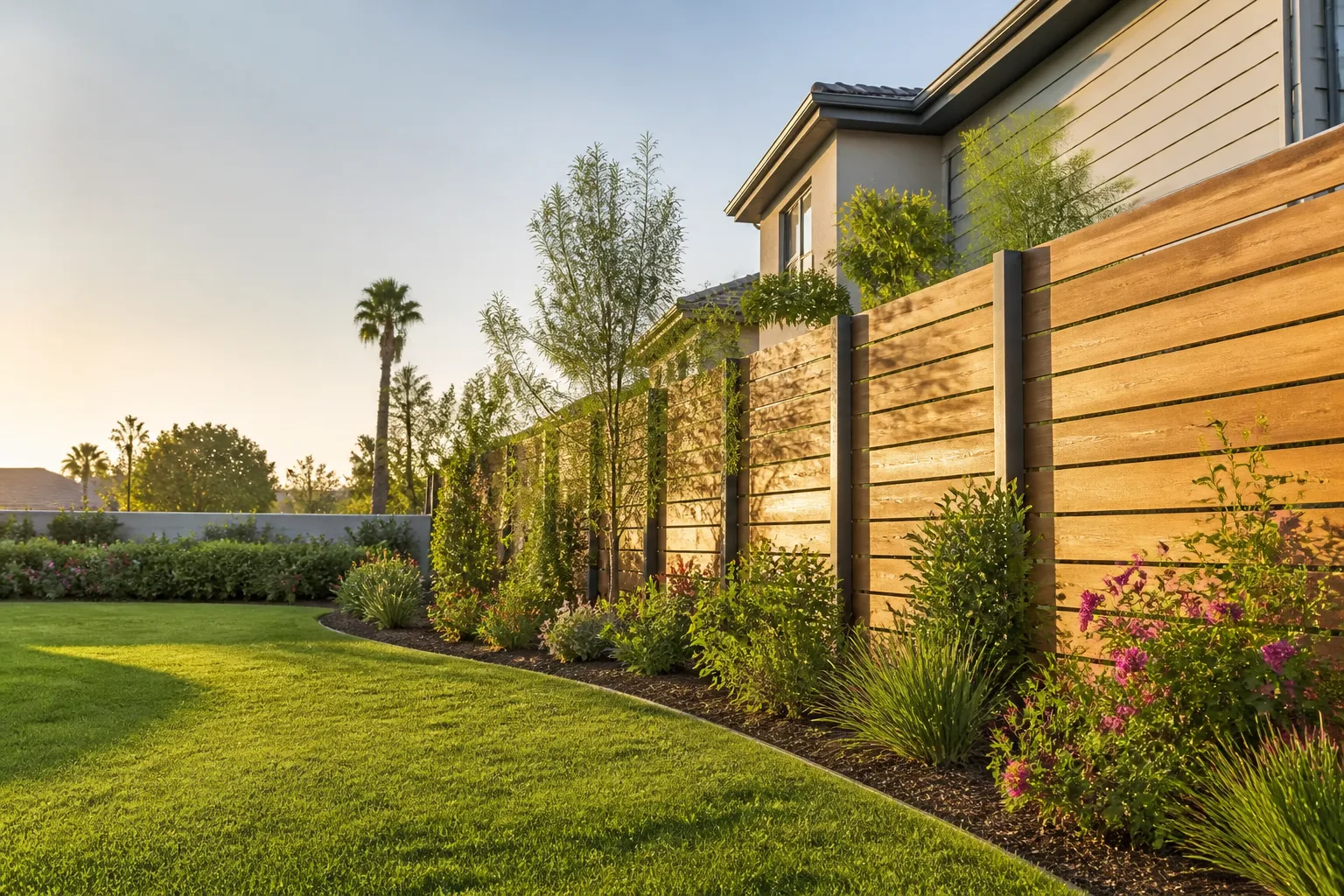
A wood fence gets three separate processes, and they do different things. Cleaning removes dirt, mold, and old finish buildup. Brightening restores the wood’s natural pH after you clean it, which matters because many cleaners raise the surface pH and prevent stain from bonding. Staining or sealing is the protective coat. Skip the brightening step and your new finish can fail within a season even in ideal weather.
Cleaning. Use a pump sprayer with a diluted oxygen bleach cleaner (sodium percarbonate), not chlorine bleach, on a cloudy morning when the boards are damp but not soaked. Let it sit, agitate with a soft brush along the grain, and rinse thoroughly. Stay off a pressure washer set high on wood; it will gouge soft cedar and drive water into checked grain.
Brightening. A commercial wood brightener (oxalic acid blend) neutralizes the surface. Apply after cleaning, let it sit per the label, and rinse. The wood will lighten noticeably. That lighter tone is what the stain is designed to bond to.
Staining. Wait until the boards read under 15% moisture content with your meter. A penetrating oil stain (not a film-forming solid stain) works well in Garden Grove because it flexes with the wood through our dry-wet swing and doesn’t peel; it fades and needs reapplication every two to four years instead. Two coats, back-brushed into the grain, in a window with 48 hours of dry weather ahead. On a 100-foot fence, that’s a 6 to 10 hour job depending on access.
Budget realistically: a 150-linear-foot wood fence in Garden Grove averages $60 to $120 per year in materials for cleaning, brightening, and stain if you’re doing the work yourself, and $400 to $900 for a professional to clean, brighten, and stain it. That’s the investment that keeps a $4,000 to $7,000 wood fence out of the replacement queue for years. We install and maintain fences in this range regularly; see our Fence Installation in Garden Grove page for the full scope of what we do.
Vinyl fence maintenance: UV inhibitor and expansion gap checks
Vinyl fence in Garden Grove takes less work than wood but it isn’t maintenance-free, and the two tasks that actually matter are the ones homeowners skip. First, UV inhibitor check: quality vinyl formulations (Bufftech and ActiveYards both publish UV-stabilized formulations for our climate) hold color well, but the surface film that protects against yellowing can wear thin in high-sun exposures. Once a year, wash the fence with a soft brush and mild dish soap, then look closely at the sun-facing side for chalky haze, dulling, or chalky white streaks that wipe away. Those are signs the top layer is degrading and it’s time for a vinyl restorer or UV protectant.
Second, expansion gap inspection. Vinyl rails and pickets expand and contract significantly with temperature. Installers build in gaps at posts and panel junctions. After a hot Garden Grove summer, those gaps can close up or open too far. Walk the fence line in the morning cool and again in mid-afternoon heat; you want to see consistent gap lines at posts, and pickets that aren’t rubbing. If a picket is jammed tight against a post or has bowed, it’s an installation or expansion-gap issue that usually means re-setting the panel, not just cosmetic.
The rest is easy. Vinyl fences need a wash once or twice a year, a check for popped panels and loose post caps, and a look at post footings for soil erosion after the wet season. Budget around $60 to $150 for cleaning and protectant per 100 linear feet, and expect a well-set vinyl fence to run 20-plus years with this treatment.
Aluminum fence maintenance: fastener torque and powder coat
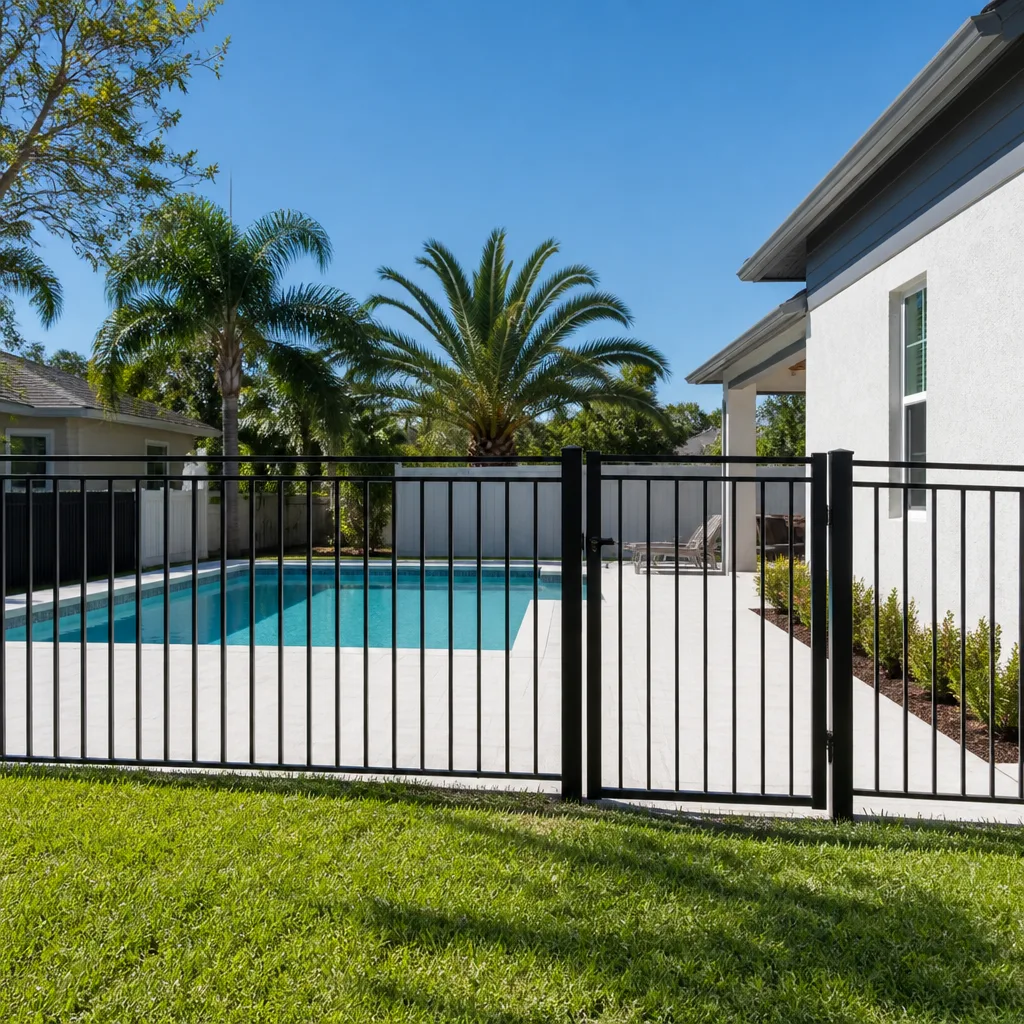
Aluminum fences (often painted with a powder coat finish) look maintenance-free and mostly are, but two things fail quietly. Fasteners back out of aluminum over time due to thermal cycling and galvanic reaction with steel or stainless components. Powder coat chips or scratches expose bare aluminum, which will begin to oxidize and can stain with white rust in coastal moisture.
Annual or twice-yearly walk-through checklist:
- Check every bracket, hinge, and panel-to-post fastener with the correct tool. Loose fasteners torque back to 8 – 12 lb-ft on most residential aluminum systems; check the manufacturer’s spec for your model. Over-torquing can strip aluminum threads, so use a torque wrench, not an impact driver.
- Look for powder coat chips and scratches, particularly at the bottom rail and around gate hinges where wear is heaviest. Touch up with matching aluminum paint or powder coat touch-up pen the same day you find it.
- Wash the fence with mild soap twice a year to remove coastal salt deposits and dust, then rinse.
- Inspect post caps and finials; missing caps let water into posts.
Aluminum maintenance materials run under $50 a year for most gardens, plus touch-up paint. The finish coat itself usually outlasts wood or vinyl systems and needs repainting only after 15-plus years of exposure.
Masonry fence maintenance: mortar joints and sealer
Masonry fences (block, brick, or stone walls with or without caps) fail at the joints and the drainage. Both are hidden until visible damage appears, which is why the annual inspection matters. In Garden Grove, block walls see summer heat expansion and winter moisture, and the mortar behind a cap is where water gets in.
Once a year, do three things:
- Walk the wall for mortar joint cracks. Hairline cracks are normal; cracks wider than about 1/8 inch, or joints that sound hollow when tapped with a screwdriver handle, need repointing. Repointing means cutting out the old mortar, not just smearing new over the surface.
- Check the cap and coping for gaps. Water enters behind a loose cap and freezes or expands, spalling the block face. Broken or missing cap sections are the most common cause of block wall failure.
- Reapply a penetrating masonry sealer every 3 to 5 years. Breathable penetrating sealer blocks liquid water while allowing vapor to escape, which pushes durability up significantly. Film-forming or acrylic sealers can trap moisture and cause spalling.
Mortar repointing on a typical 50-foot block wall runs $400 to $900 depending on access. Penetrating sealer application runs $150 to $300 for the same length. Our pavers and hardscape crews use Belgard and Unilock systems on driveways, and the same sealing discipline applies to walls and fence caps. For hardscape projects, our Driveway & Pavers in Garden Grove page walks through how we handle masonry sealing and repair.
The post base inspection protocol (and the probe that catches rot early)
Post bases are where fences fail first, and they fail invisibly. Wood posts go into the ground; the section below grade stays wet far longer than the above-grade wood, and the rot runs upward inside the post while the exterior still looks sound. By the time you see a soft or failing post, the connection is already compromised.
Probe the base annually with a purpose-made wood awl or a cobra-style probe (a thin steel rod with a handle, under $30). Here’s the protocol:
- Pick the dry season (July to September) for a clearer reading. Wet wood gives false soft signals.
- For each post, push the probe firmly into the wood at 3 points, about an inch below the soil line, at different faces.
- A sound post resists the probe and the tip leaves a small dent. A soft post lets the probe sink sharply with a sponge-like give or comes out wet and brown.
- Tap each post base with a hammer handle. A dull, low thud signals internal rot; a sharp tap means solid wood.
- Check the post-to-rail connection at the base and mid-height; wiggle the rails. Any flex is a red flag.
- Photograph each post base up close with a date card or phone date stamp.
Caught in the dry season, soft posts can be reinforced or replaced individually. Caught in a wet spring after a storm, they become a repair we handle on short notice. The probe costs less than a post and catches rot a year or two before visual signs. Posts of pressure-treated lumber or rot-resistant hardwood will outlast standard cedar posts in ground contact, and post bases (metal connectors that keep wood out of direct soil) extend life substantially. When we install a fence, we set posts in concrete with positive drainage and check that the concrete pitch drains away from the post rather than pooling. Under our Free Second Opinion offer, we’ll review any written fence estimate line by line before you sign it.
Gate hardware maintenance: torque specs, latch alignment, anti-sag cables
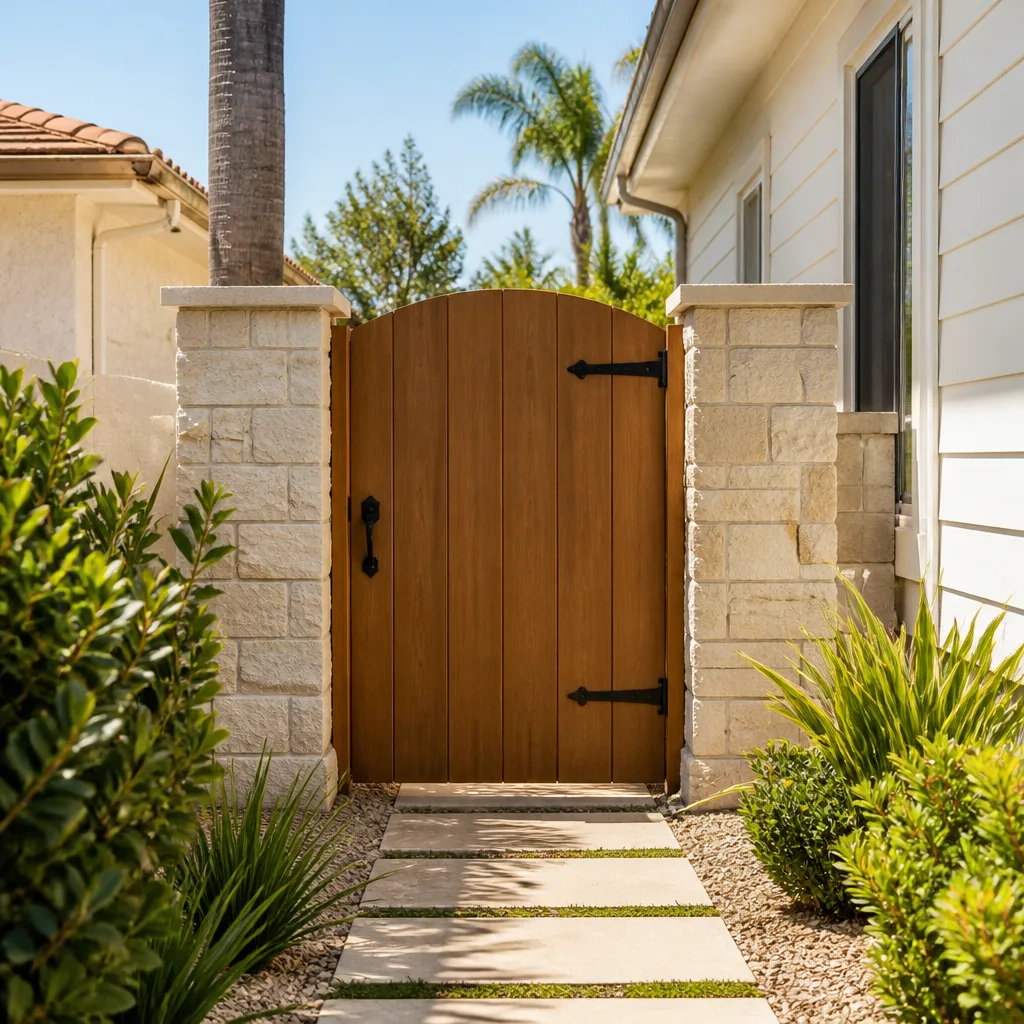
Gates get more stress than the fence itself, because a gate swings, hangs, and gets slammed. The hardware needs checking at least twice a year, especially after the first hot spell that expands the wood and a wet season that swells it again. Use a torque wrench.
Hinge fastener retorque. Standard gate hinges use 3/8-inch lag screws or through-bolts. Lag screws into wood: set to 10 – 15 lb-ft; over-tightening strips the hole. Through-bolts with nuts: 15 – 20 lb-ft on typical hardware. Check every hinge bolt every spring and fall. If a lag screw spins free, it’s stripped its hole and needs a larger fastener or a through-bolt repair, not another turn.
Latch alignment check. Close the gate fully and inspect the gap between the latch and strike. A 1/8-inch to 1/4-inch align is normal. Gaps that have grown or a latch that needs lifting to catch indicate the gate has sagged, usually from hinge movement, not from the latch being broken. Fix the sag and the latch aligns.
Anti-sag cable or brace tension. Most wood gates have either a diagonal brace or a tension cable (a turnbuckle and cable running from the top hinge-side corner to the bottom latch-side corner). Check the cable isn’t slack; tighten with the turnbuckle until it’s snug and the top edge of the gate is straight. Slack cables are why gates sag over a season. Set the turnbuckle so the gate clears the ground by at least 1 inch over a level run.
An annual gate hardware tune-up is a $40 to $90 parts-and-labor maintenance visit if you have a pro do it, and it prevents the $300+ repair of a fully sagged gate. As part of our install process, we set gates with adjustable hinges and document the starting settings in the photo record, so future maintenance crews (and you) know where they started.
What to photograph and document every year
Most fence problems you’ll ever argue about in a warranty claim or a property disclosure come down to “when did that start?” A dated annual photo record answers that. It also costs nothing and takes about 15 minutes. The record should include:
- A wide shot of each fence elevation, same angle and same time of year, so you can compare year over year.
- A close-up of every post base with a visible date stamp.
- A video of the gate swinging open and closed, from a full open to a full close, with the latch catching.
- A close-up of the board surface at knee height and at the top rail, on the sun-facing and shaded sides.
- Any hardware settings you touched (gate hinges, turnbuckle, latch strike) with the torque value and date.
- A short written log of any cleaner or finish product used, with brand and date applied.
Alongside the photos, keep receipts for any professional service, which is the record that makes warranty claims work. Rowan’s Rowan Construction Group Garden Grove home page and our crew documentation standard apply to fence work the same as any trade: our technicians shoot a documented photo record on every service visit, delivered to you, not buried in a file. Our technicians have up to 19 years of experience with fences, and every crew member is background-checked. Before any fence project starts, you’ll get a written flat price with written scope; no work proceeds on a change without a signed change order, which is why 4,000-plus jobs have finished within a few percent of the agreed cost.
Common Mistakes to Avoid
- Staining wood while it’s still wet. April showers in Garden Grove leave boards above 19% moisture; a finish applied then sits on the surface and traps water, which is the single fastest way to rot a fence that was otherwise fine.
- Pressure-washing cedar or redwood at high pressure. It raises the grain and drives water into checks, and it can strip the top fibers entirely. Moderate pressure and a soft fan tip only, or use a chemical cleaner and a brush.
- Using a film-forming sealer on a wood fence in our climate. Solid latex or acrylic sealers peel here because thermal expansion outpaces their flexibility; a penetrating oil finish lasts longer between applications and fails by fading, not peeling.
- Skipping the post base probe because the fence “looks fine.” Rot runs from the underground section upward; the surface stays intact until late. If a post has been in the ground more than eight years and you’ve never probed it, you don’t know its condition.
- Replacing a sagged gate without tightening the hinge and anti-sag cable first. Most “failing” gates are fixed with a torque wrench and a turnbuckle, not a new gate.
- Applying a film-forming masonry sealer to a block wall. In our wet-dry cycle, a film sealer traps vapor and causes spalling. Use a breathable penetrating sealer, and repair the joint before you seal it.
- Not photographing the fence each year. A dated record costs 15 minutes and protects you in a warranty claim or a home sale; without it, every maintenance dispute becomes a guess.
See the difference
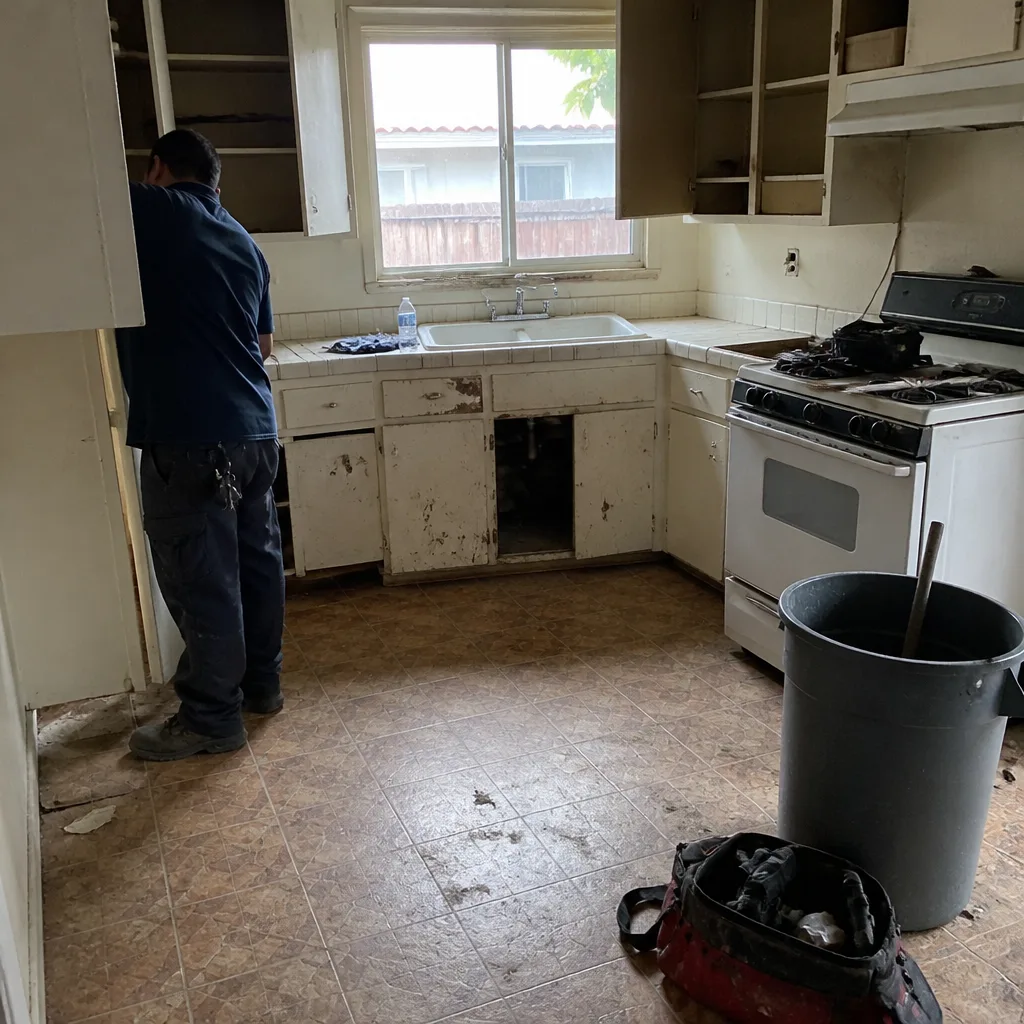 Before
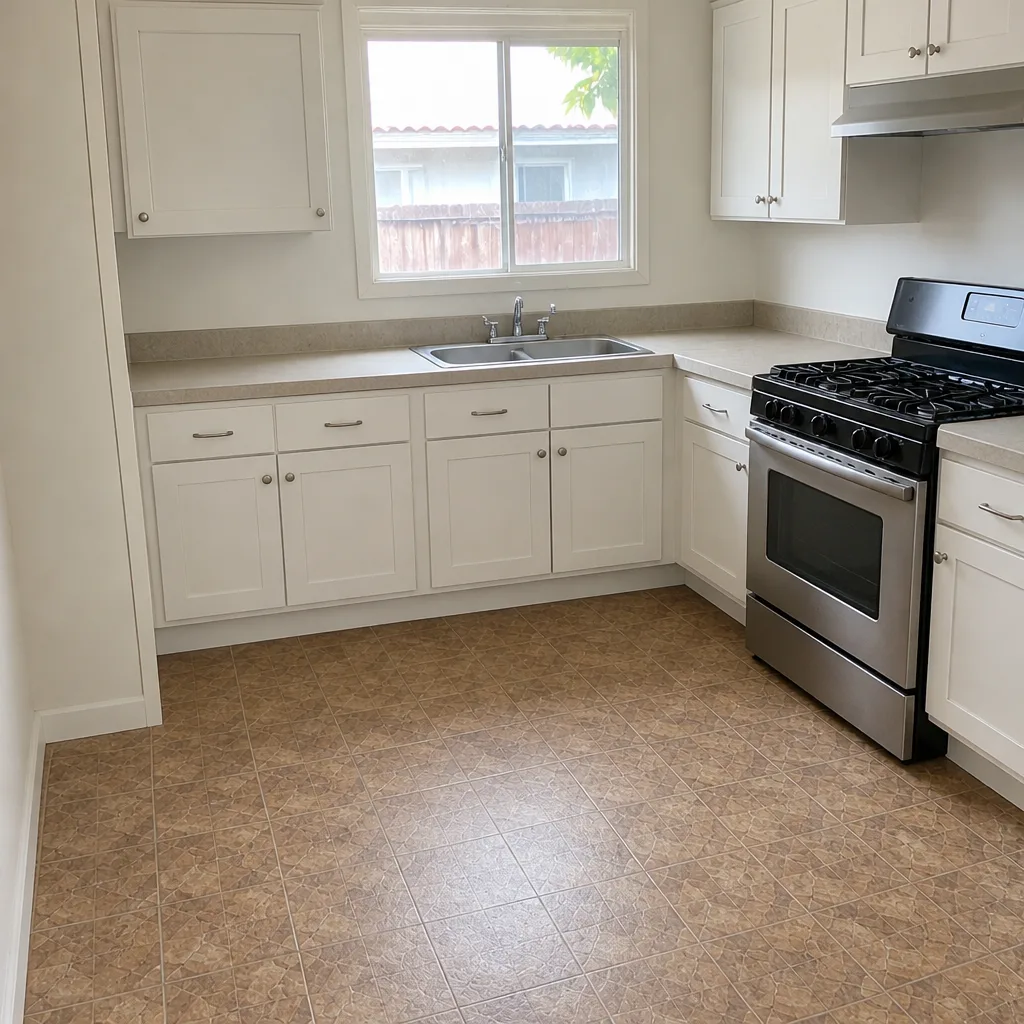 After
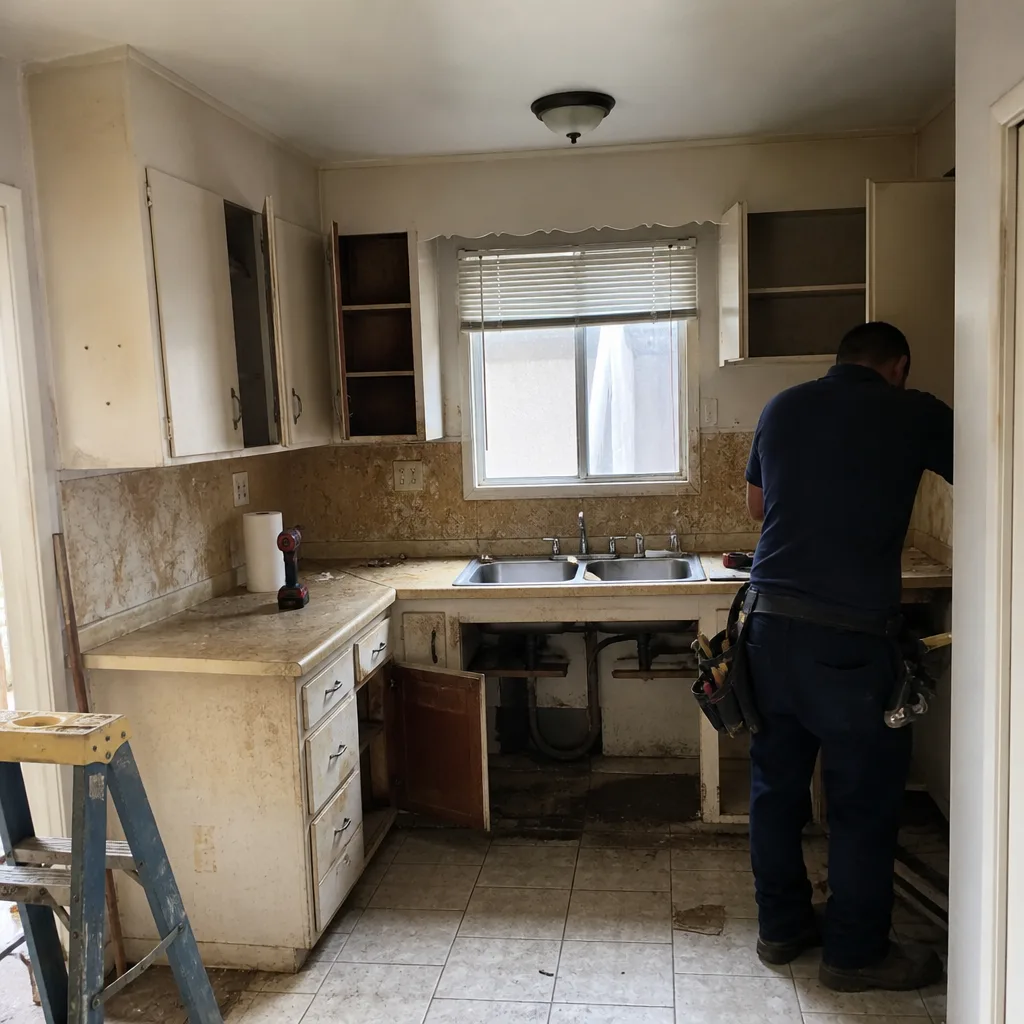 Before
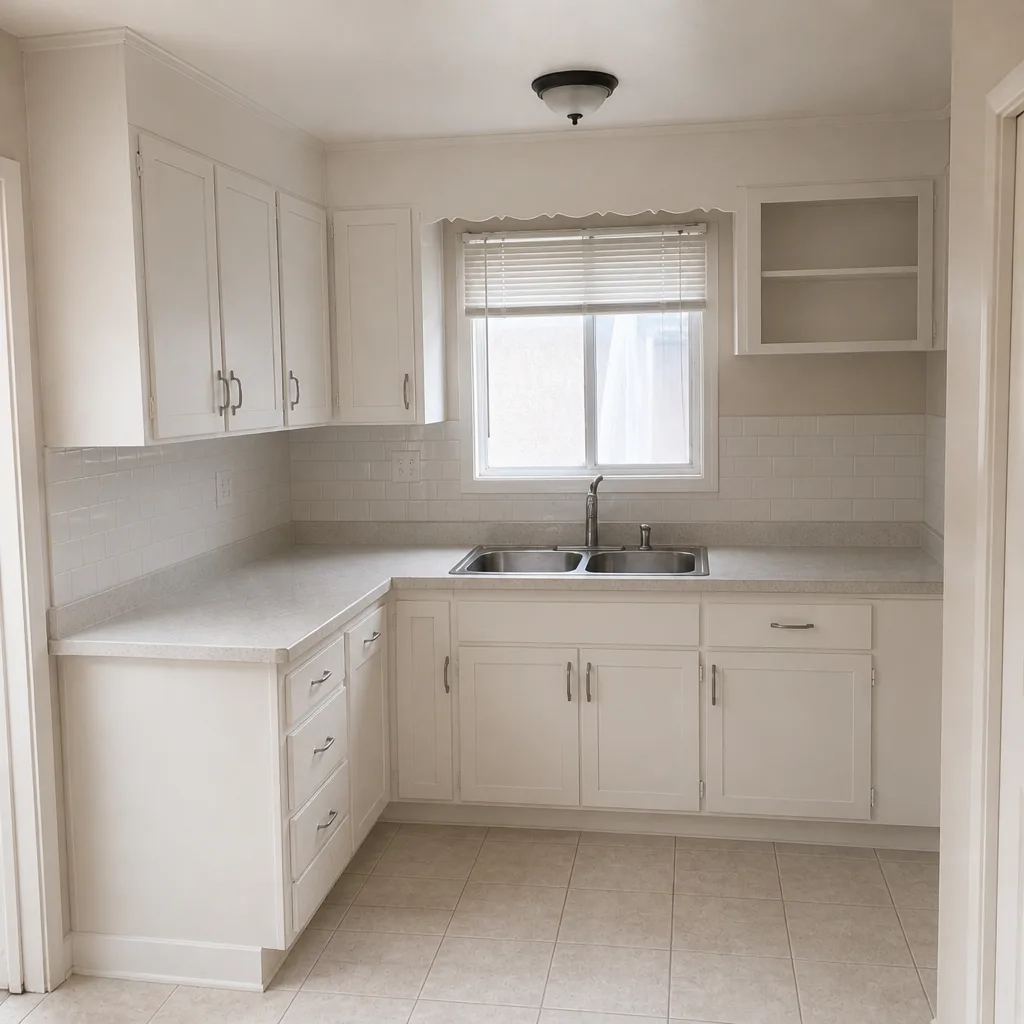 After
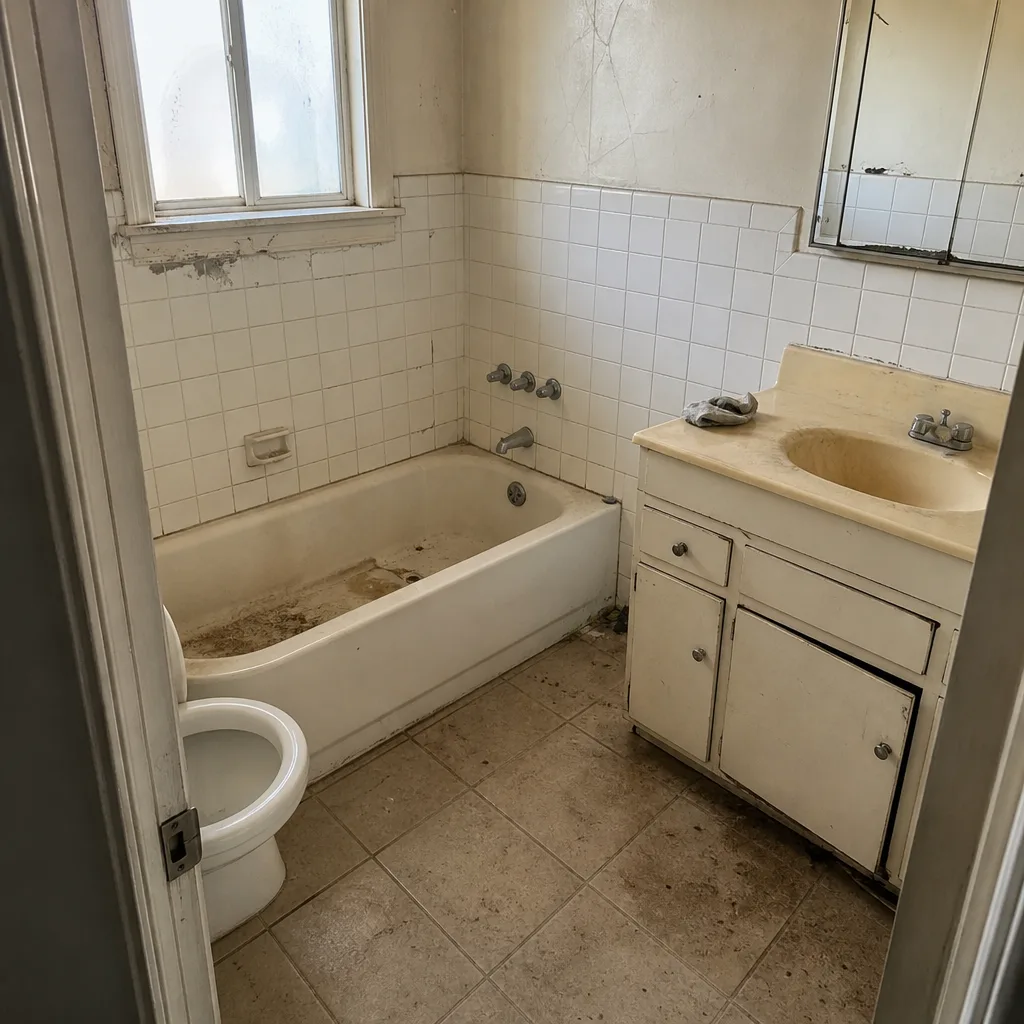 Before
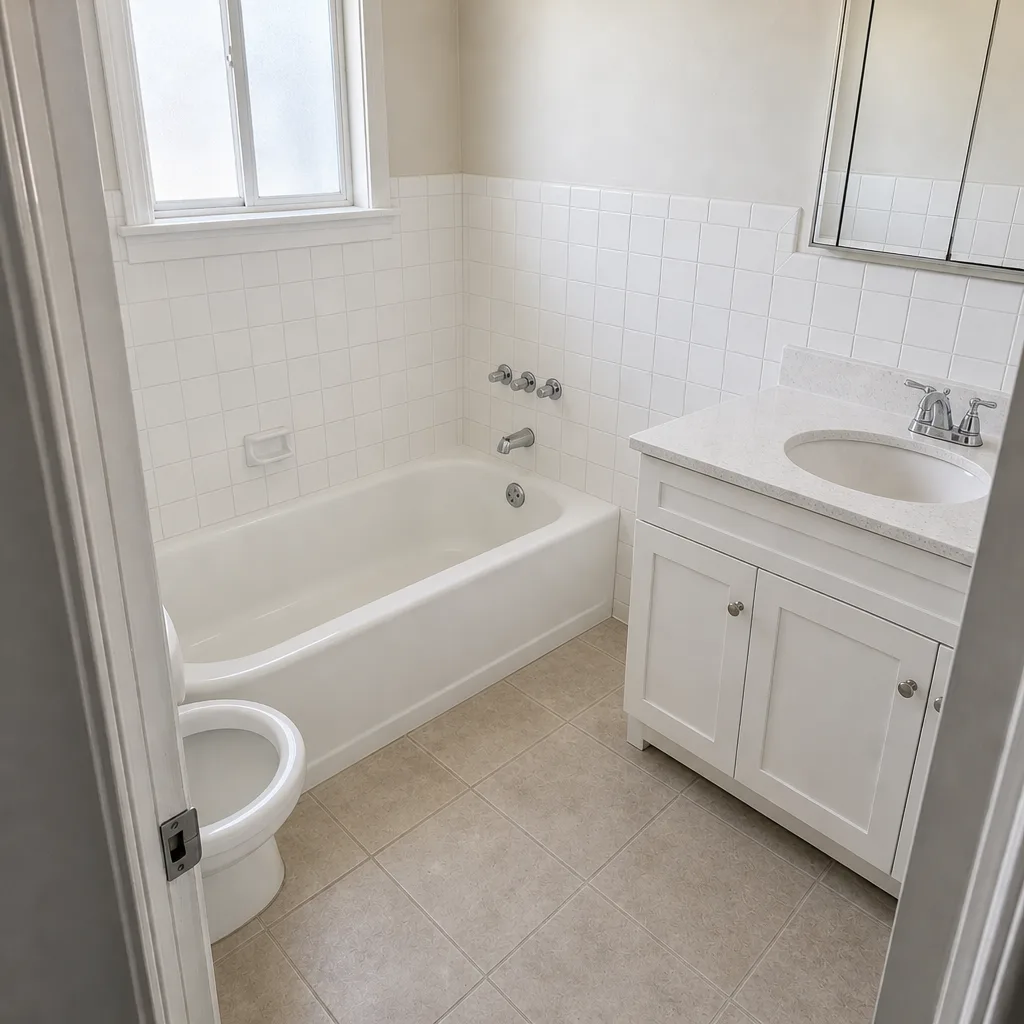 After
When to Call a Professional
Some fence work is homeowner territory. Some of it isn’t, and knowing the difference saves money in the long run. Call a professional when a probe sinks readily into a post base over more than 2 inches, when a gate has sagged despite a tight anti-sag cable (which can mean the post or the framing has moved), when mortar joints are wider than 1/8 inch or hollow-sounding, when powder coat failure on aluminum is widespread, or when a fence is leaning after a wet season and the post footings may have heaved. Also call when boards need replacing above the fence’s safe working height; work off a ladder above 10 feet is a fall hazard better left to trained crews. Rowan Construction Group Garden Grove offers free estimates in Garden Grove, with a written flat price before any work starts: call (888) 303-8980.
Frequently Asked Questions
Once every two to four years for a penetrating oil stain, applied between late May and early October when wood moisture content drops below 15%. Cleaning and brightening should happen annually in spring, even in years you don’t stain. A light touch-up on sun-facing boards in September gives the finish longer life. For an exact maintenance quote on your fence, call (888) 303-8980.
Only if a moisture meter reads below 15% on several boards, which is uncommon through April. Applying a finish above 19% moisture content traps water and speeds rot. Wait until the late May to early October window for reliable results. If you’re not sure, we’ll measure it for you at a free estimate: call (888) 303-8980.
Twice a year for gap and fastener checks, with one deep wash and UV protectant application annually. Vinyl itself lasts decades, but expansion gaps can close during hot summers and post footings can settle after wet winters. Check in spring and again in late summer. For a free inspection and written quote on any vinyl repair, call (888) 303-8980.
Probe each post base with a wood awl or cobra-style probe in the dry season, pushing in about an inch below the soil line. A soft give or a wet, brown tip signals rot; a solid post resists the probe. Then tap with a hammer handle for a dull, hollow sound. If a post fails the probe, call a pro for a repair quote: (888) 303-8980.
Lag screws into wood should torque to 10 – 15 lb-ft; through-bolts with nuts to 15 – 20 lb-ft on most residential hardware. Check them in spring and fall, after the wood expands with heat and swells with moisture. Over-tightening strips the thread; if a screw spins, it needs a repair. For a gate repair quote, call (888) 303-8980.
Yes, most residential fence replacements and new fence installations require a permit in Garden Grove, and the height rules differ by whether your fence borders a neighbor or a street. This is why a written scope matters: get the permit pulled and the inspection scheduled as part of the price, not as an afterthought. Rowan handles permits as part of every written quote; call (888) 303-8980 for a free estimate that includes it.
The Bottom Line
Fence maintenance is a timing problem more than a labor problem. A $60 to $120 annual treatment applied when Garden Grove’s wood reads under 15% moisture adds years to a cedar or redwood fence; the same product applied in a wet April can trap moisture and speed rot. Wood gets clean-brighten-stain each spring and early summer; vinyl gets UV and expansion-gap checks twice a year; aluminum and masonry get annual hardware and joint inspections; and every fence gets a post base probe, a gate hardware tune-up, and a dated photo record. Do those, and the fence lasts longer than the warranty. If you’d rather have the whole schedule done right the first time, Rowan Construction Group Garden Grove does the full annual maintenance, repair, and new installation, and every visit comes with the photo record included. Call (888) 303-8980 for a free estimate and a written flat price before any work starts. If you’re planning a larger backyard project, see our Home Additions & ADU in Garden Grove page for how we sequence fences, hardscape, and structural work together.
Written by the team at Rowan Construction Group Garden Grove.