Last updated November 17, 2026



Free written scope consultation - allowances, timeline, and change-order rules on paper before a single trade is scheduled
Home Additions & ADU Warning Signs Every Homeowner Should Know
Most homeowners judge an addition by how it looks when the dust settles. The record shows the failure is usually sealed long before the first footing is poured. In our experience, the projects that run into six-figure trouble carry the warning signs in the bid document and the first two weeks of site work, not in the finished framing. A bid missing a line item for engineering drawings or plan-check fees isn’t a bargain; it’s a set of costs waiting to reappear as change orders once the city forces them into the project. This guide walks through the paperwork and early construction signals to read in Garden Grove before money changes hands.
Quick Answer
The most reliable warning signs of a bad ADU or home addition project are gaps in the written bid and shortcuts in the first two weeks of site work: missing engineering, permit, and grading line items; a low cash deposit below the state limit; foundation poured before inspection; and verbal scope changes with no signed change order. Catch these in the paperwork and the first ten working days and you avoid the structural, financial, and inspection failures that only surface at the end. In Garden Grove, where lots are often 50 to 60 feet wide and alley access is common, these signs show up even faster because the margins for error on setbacks and drainage are tighter.
Styles & brands we work with
- Kitchen remodeling
- Bathroom remodeling
- Home additions & ADU
- Roofing
- Windows & doors
- Driveway & pavers
- Fence
Table of Contents
- 1. The Line Items Every Honest ADU Bid Must Include
- 2. Documentation a Licensed Contractor Must Provide Before Breaking Ground
- 3. Early Construction Warning Signs on Site
- 4. Change-Order Red Flags
- 5. Financial Warning Signs: Deposit, Draws, and Schedule of Values
- 6. The Permit and Plan-Check Sequence in Garden Grove
- 7. When the Signs Add Up to Walk Away
The Line Items Every Honest ADU Bid Must Include
A bid isn’t a price. It’s a list of everything the price covers, and an honest one carries six specific line items you can point to. Missing any of them shifts a real cost off the quote and onto the change-order ledger later.
An ADU, whether attached or detached, is a small house. It needs its own foundation, utilities, kitchen, bathroom, and roof. Any bid that treats it like a room addition with a bed in it is under-scoped from paragraph one. In Garden Grove, that matters because the city’s ADU rules steer many projects toward detached or conversion builds on lots where drainage and access are constrained. Here’s the checklist:
- Architectural and structural engineering fees. A design that lacks a stamped structural sheet cannot pass plan check when it involves a new foundation, headers, or roof loads. If the number isn’t there, the engineer’s invoice arrives later.
- City plan-check and permit fees. Garden Grove collects plan-check and permit fees separately from construction cost. A bid that omits them is understating the project.
- Utility upgrade allowances. Many older Garden Grove homes have a 100-amp electrical panel. Adding an ADU with its own kitchen, HVAC, and hot water usually triggers a panel upgrade and often a new water and sewer lateral. These are real costs and need a dollar figure.
- Grading and drainage work. Flat lots and clay soils mean water has to be moved deliberately. Grading, swales, and downspout routing belong on the bid, not in a verbal promise.
- A named contingency percentage. Discovered conditions happen: rotted subfloor under a conversion, a non-conforming wall in a tear-out. A bid with a stated contingency (5 to 10 percent is reasonable) shows the contractor has done this before.
- A scope of work that names the brands. Cabinets, roofing, windows, and fixtures need manufacturer names, not “builder-grade.” If the bid says “KraftMaid or equivalent,” that’s a real spec. If it says “per plan,” you don’t know what you’re getting.
When we review an outside estimate for a client, this is exactly the checklist we work through: line by line, missing item by missing item. Handled that way, a bid becomes a document you can compare rather than a number you have to weigh against a feeling.
Documentation a Licensed Contractor Must Provide Before Breaking Ground
Before a shovel touches soil, a licensed contractor owes you a paper trail. Four documents prove the operation is legitimate, and asking for all four is the fastest way to separate a professional crew from a crew hoping you won’t ask.
In California, the Contractors State License Board regulates both the license and the paperwork. The documents below are not extras. They’re the baseline.
- A signed contract with a written scope of work. It names every task, the materials, the price, the start and completion dates, and the cancellation rights. If it’s a one-page handshake summary, it isn’t a contract.
- A copy of the contractor’s license. Verify the license number, classification, and current status at the CSLB website. A license that’s expired or suspended is an active liability.
- Current insurance certificates. General liability and workers’ compensation, with the certificate naming you or listing the property. Any crew on your site without workers’ compensation becomes your liability if someone is hurt.
- A permit card posted on-site. The city issues a card that lists every required inspection, with the inspector’s signature for each. If the card isn’t visible, permits weren’t pulled.
- A subcontractor list with license numbers. A general contractor who cannot list the electricians, plumbers, and framing subs, with their license numbers, cannot vouch for their work.
In Garden Grove, the permit card is worth checking every week. An inspection that gets signed off looks a certain way on the card: the inspector’s stamp and date, not a sticky note the crew wrote themselves. When we complete a project, the photo record we deliver includes the card showing each passed inspection, because that’s the evidence a resale buyer’s inspector will want to see.
Our own crews are background-checked, and every project is planned against the same documentation standard. If you have a bid from another contractor and want a second set of eyes on what’s missing, Home Additions & ADU in Garden Grove outlines the sequence we follow from paperwork to final inspection.
Early Construction Warning Signs on Site
The first two weeks of site work reveal more about a contractor’s discipline than the last two months. Specific signals appear on the ground, and each one tells you whether the crew respects the inspection sequence or is racing the calendar.
Foundation poured before inspection
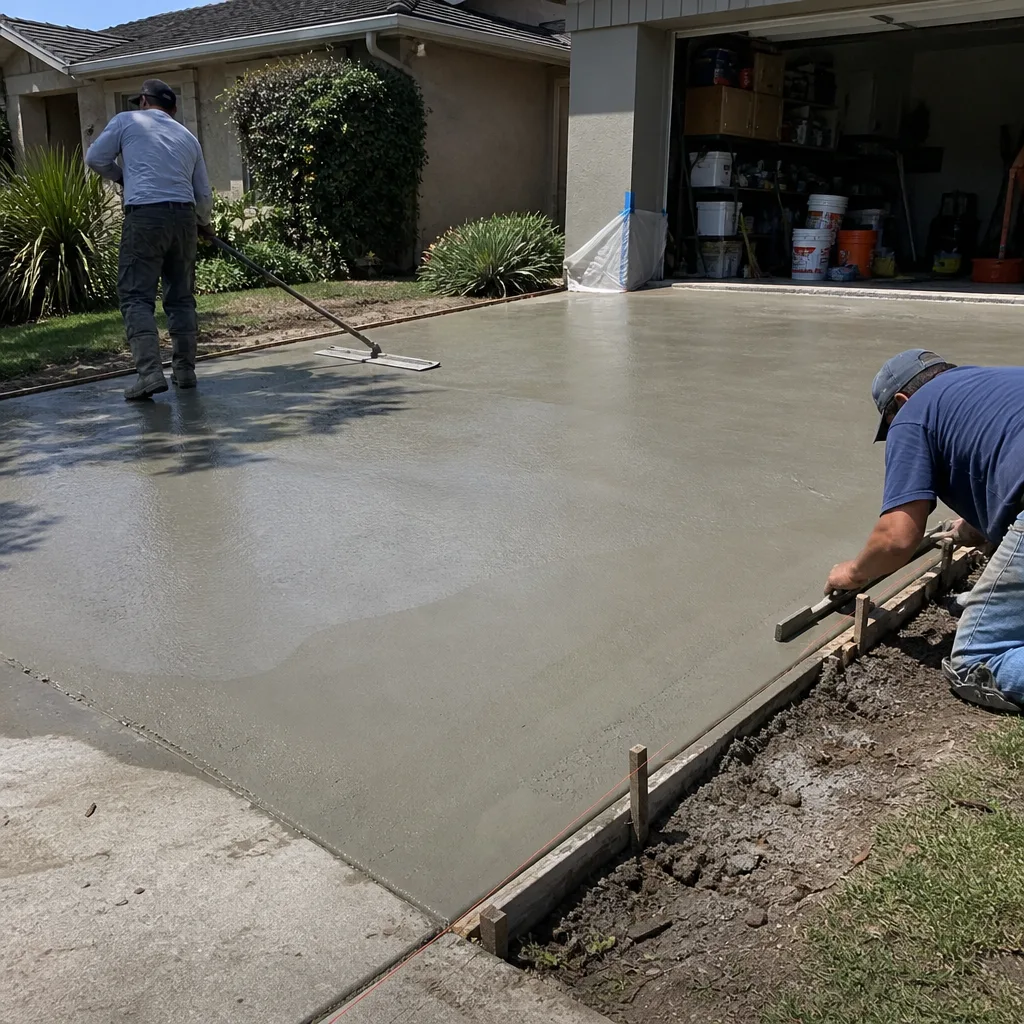
Footings and foundation forms must be inspected before concrete goes in. An inspector verifies rebar size, spacing, form depth, and footing width against the structural plans. If the crew pours first and asks for forgiveness later, you have a foundation of unknown capacity under the most expensive structure you’ll ever build. In any soil with clay content, the footing depth matters more than the concrete strength.
Framing proceeding before rough-in inspection
Rough electrical, plumbing, and mechanical inspections happen before walls are closed up. Once drywall goes on, every wire and pipe behind it is unverified. A crew that frames and closes walls in a hurry before the rough-in inspection has either missed the sequence or skipped permitting. Both are bad. That’s why we plan the inspection calendar into the build schedule on day one.
No survey stakes or setback measurements before digging
In Garden Grove, where parcels are often tight and an ADU has to respect rear and side setbacks and fire separation from the main house, survey stakes and a string line come first. If a crew is breaking ground without visible stakes or a plan showing setbacks, one of two things happens: you get a notice of violation, or you get a foundation poured in the wrong place. Either is expensive to undo.
No photo documentation
A serious crew photographs the site before, during, and after each phase, and delivers the images. This is standard in our own operation: a documented photo record of every visit, not a favor you ask for. If your contractor can’t show you what a footings pour looked like before the concrete set, you have no record if something goes wrong later.
Change-Order Red Flags
Most cost overruns in ADU construction don’t come from a contractor deliberately overcharging. They come from scope that got added on the fly, then priced after the fact. If you see any of the three patterns below, slow down.
- Verbal scope additions. “We’ll move that window over” sounds small. If the window moves from a wall to a corner and it wasn’t in the drawings, the framing, drywall, exterior trim, and waterproofing all change. Never let a change start without a written change order signed by both parties.
- “We’ll figure out the price later.” A discovered condition, like a rotted subfloor in a garage conversion or a water-damaged wall behind a shower, is exactly when the price can suddenly appear weeks later. A legitimate change order documents the discovered condition, the fix, and the price, all signed before work resumes.
- Lump-sum change orders with no breakdown. A single number with no itemized labor and materials is a red flag. A proper change order separates the material cost from the labor cost and lists the schedule impact. This is the discipline the Haven Standard is built on: no work proceeds on a change until the change order is signed.
The reason this matters so much on ADU work is that an ADU has many more decision points than a kitchen or a bathroom. Fixtures, layout, exterior cladding, roof material, window style, and site drainage all get decided during the build. Each of those is a potential change order. If you don’t have a written process for each one, the project price will drift.
Financial Warning Signs: Deposit, Draws, and Schedule of Values
Money moves in a specific order on a legitimate project. When the payment schedule doesn’t line up with physical work, it’s a sign the contractor is funding something else with your deposit.
The deposit limit
Under California Business and Professions Code section 7159.5, a contractor cannot request a down payment greater than 10 percent of the contract price, or $1,000, whichever is less, for most residential projects. The rule applies to projects over $500. If a contractor is asking for 30 or 40 percent down to “get the permits moving,” that’s a violation, and it’s also a business funded on your cash flow rather than a project funded on draws.
Draws ahead of work
A draw is a payment tied to a completed phase. When the electrical rough-in is done and inspected, the electrical draw is released. When the drywall is hung, the drywall draw is released. A contractor asking for the framing draw before frames are standing is asking you to fund a future that hasn’t happened. If the project stalls after the draw, you’re left with an unfinished build and money already spent.
No schedule of values
The schedule of values is a table listing each phase of work, its dollar value, and its completion milestone. Example: footings and slab at 12 percent, framing at 22, roof at 15, rough-in at 10, drywall at 10, finishes at 20, final inspection at 11. A contract without this table is a contract without payment controls. Ask for it. In our experience, contractors with real project history can produce it in a day because they work from it.
The Permit and Plan-Check Sequence in Garden Grove
Garden Grove processes ADU and addition permits through its own plan-check process, and the sequence has hard steps you can track. Understanding the order helps you spot a contractor who is skipping ahead. Here’s the typical flow:
- Pre-submittal eligibility and site survey. Confirm the lot’s zoning, setbacks, and existing coverage. A survey is often needed if prior additions are unpermitted or the lot line isn’t clear.
- Architectural and structural drawings. A designer drafts the plans; a licensed structural engineer stamps the foundation, framing, and roof design for anything with new loads.
- Submittal and plan check. The city reviews for code compliance (California Residential Code, local amendments, and ADU-specific rules). Corrections come back as a written list. Corrections are normal, and a contractor who says “no corrections ever” isn’t being honest.
- Permit issuance. Once corrections clear, the city issues the permit and posts the permit card with the required inspection list.
- Inspection sequence. Typically: foundation/footings, rough framing, rough electrical, rough plumbing, rough mechanical, insulation, drywall, final building, final electrical, final plumbing, final mechanical. Each one gets a signature on the card.
- Final inspection and certificate of occupancy. The city issues the certificate of occupancy (for an ADU, sometimes called a certificate of residential occupancy), which is what makes the unit legal to rent or occupy.
If your contractor can’t narrate this sequence from memory, they haven’t done it recently. A good ADU contractor will know the specific review practices of the city where the project sits, whether that’s Garden Grove, Anaheim, or Santa Ana.
When the Signs Add Up to Walk Away
One warning sign is a conversation. Three or more together is a pattern. There are specific combinations that are effectively non-negotiable.”
- No written contract plus a deposit over 10 percent. You have no enforceable scope and no legal protection, and the money is gone if the project never starts.
- No insurance certificate plus a crew already on site. A crew doing uninsured work on your property is a liability that follows you for years.
- No permit card plus work underway. Unpermitted construction has to be legalized eventually, or disclosed at sale. In Garden Grove, as in most of Orange County, unpermitted ADU construction can kill a future sale.
- Verbal scope changes plus lump-sum change orders. Two signs of an uncontrolled process, and cost overruns are almost certain after the first one comes in.
- Foundation poured before inspection plus a photo record that doesn’t exist. You’ll never know what’s under your slab.
None of these signals require you to be an expert in structural engineering. They require you to read a document and check a permit card. When we quote a project, the written price and written scope are delivered before any work starts. That’s not a marketing line; it’s the only way a homeowner can compare bids with confidence.
Common Mistakes to Avoid
- Comparing bottom-line prices without comparing line-item scopes. Two bids that differ by $40,000 usually differ by missing items, not by contractor greed. Request line-item bids from every contractor you consider.
- Paying the whole design fee upfront. Split design into concept and permit-ready sets, so the money and the deliverables stay matched.
- Letting the permit process run without a schedule of values. Without a milestone-linked payment schedule, you lose control of timing and cash.
- Assuming a general contractor’s insurance covers the electrician. Workers’ compensation must cover each trade on site. Ask for certificates for the subs, not just the GC.
- Skipping the second opinion on the bid. An outside review catches missing line items in an hour. In Garden Grove, where ADU plans go through specific local review practices, that hour is worth more than any other in the project.
- Accepting a handshake change to keep the schedule moving. The change order is a form, not a meeting. Nothing starts on a change without it signed.
- Not photographing the site yourself. Even if the contractor provides a photo record, take your own photos at each phase. In any future dispute, the more documentation the better.
See the difference
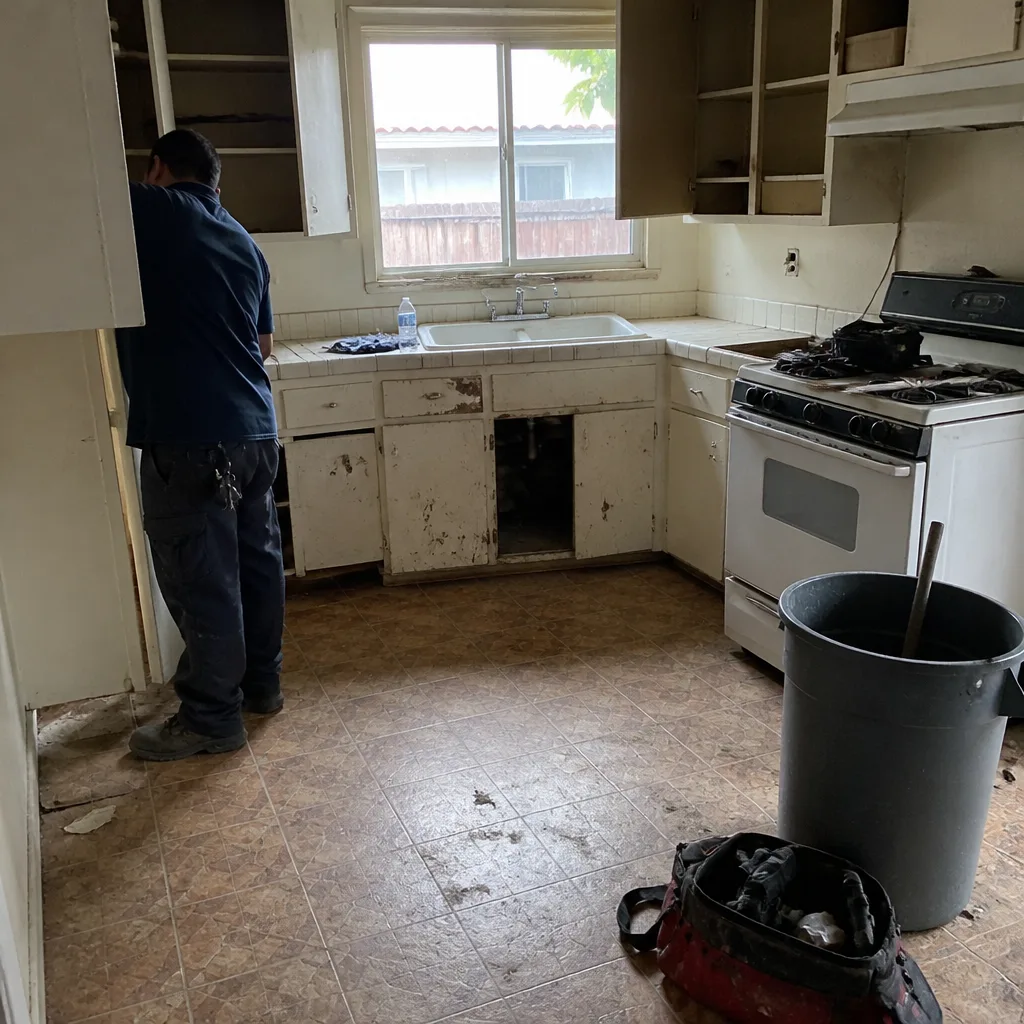 Before
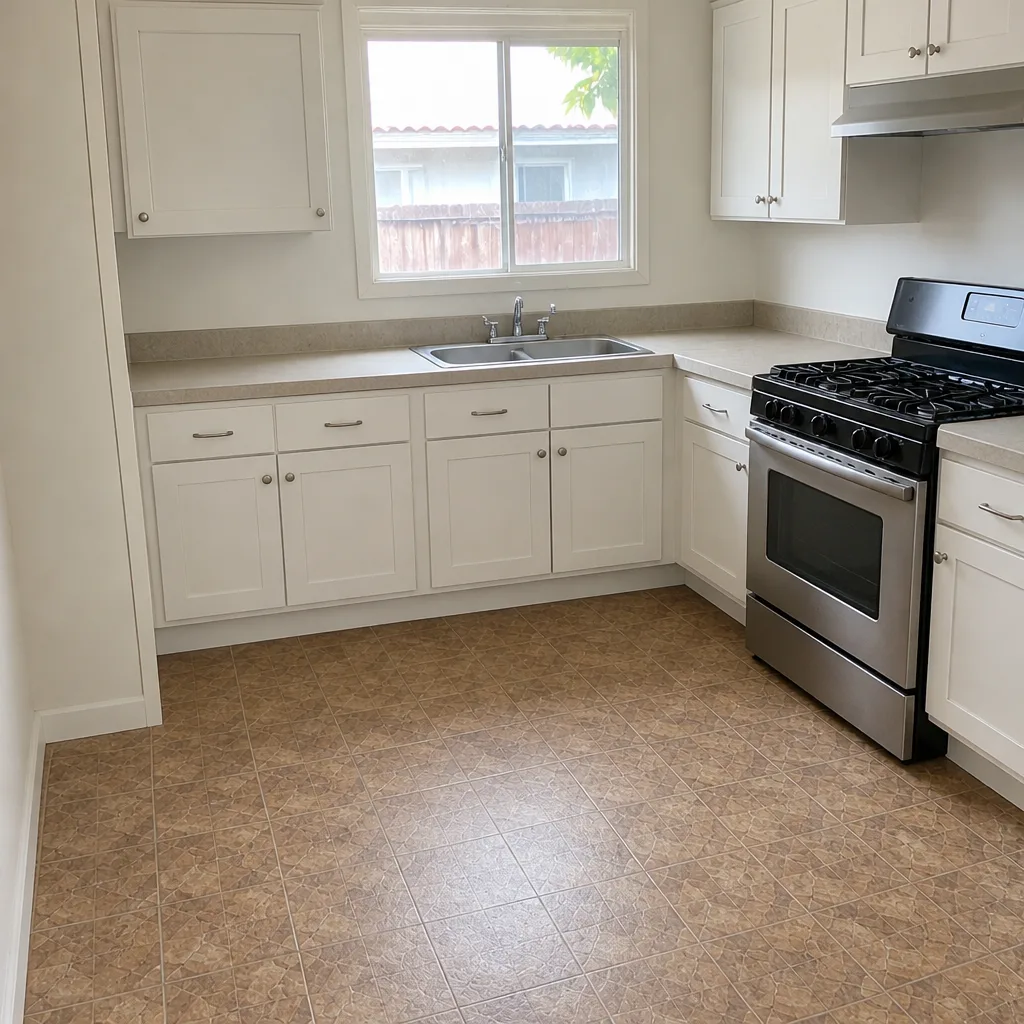 After
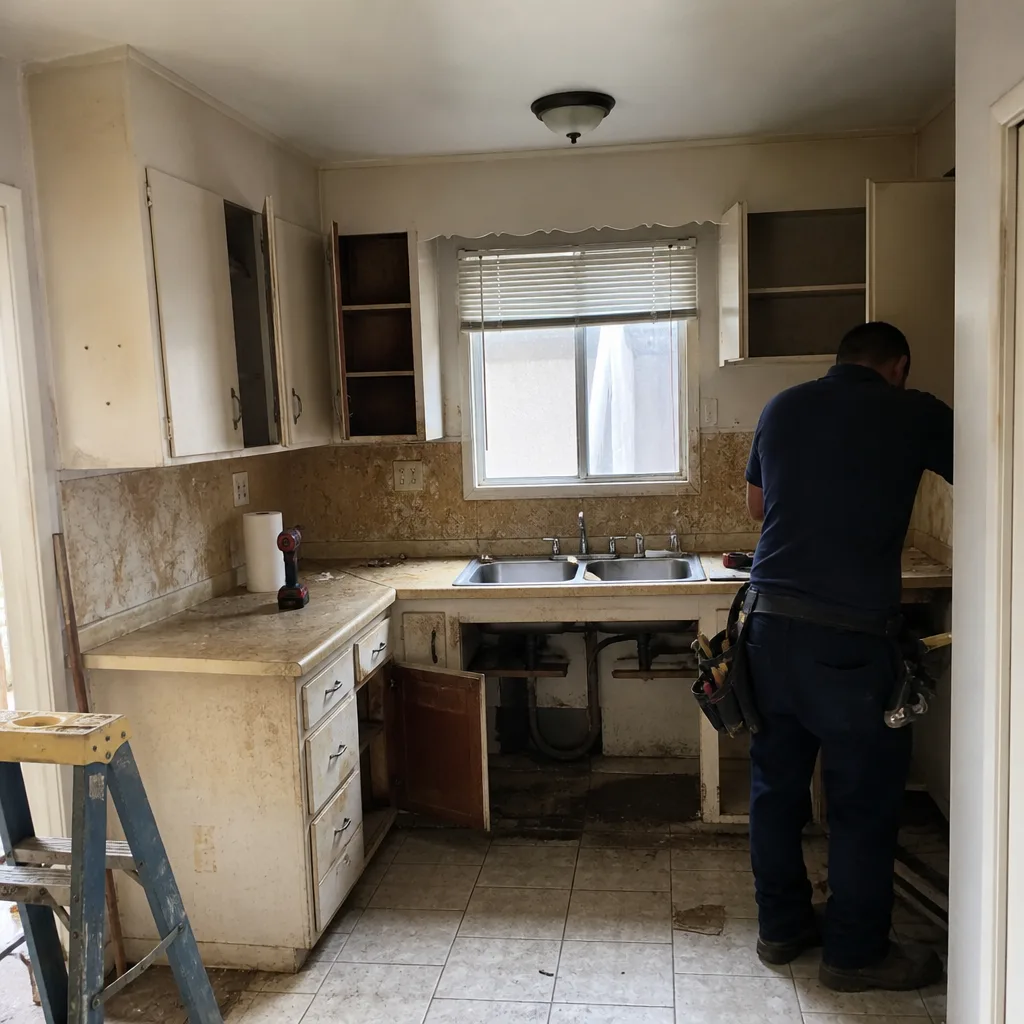 Before
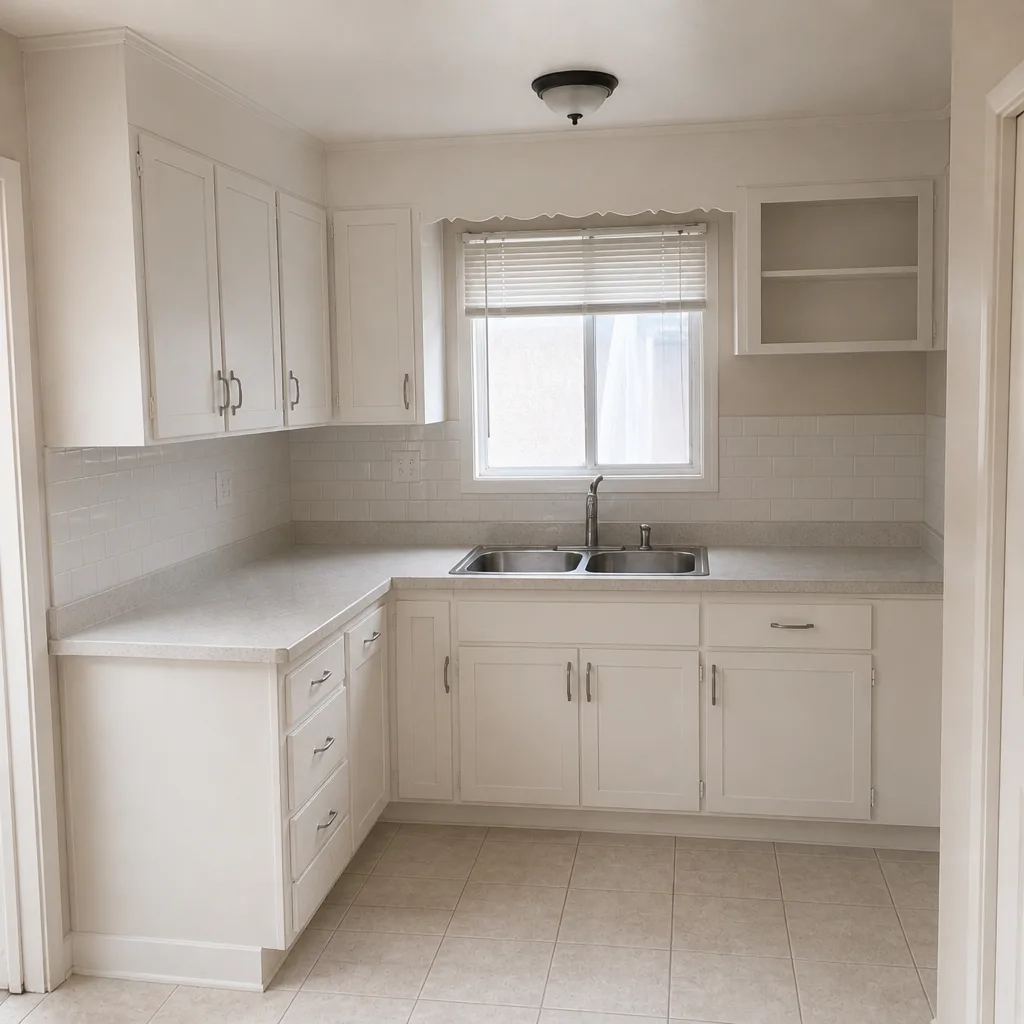 After
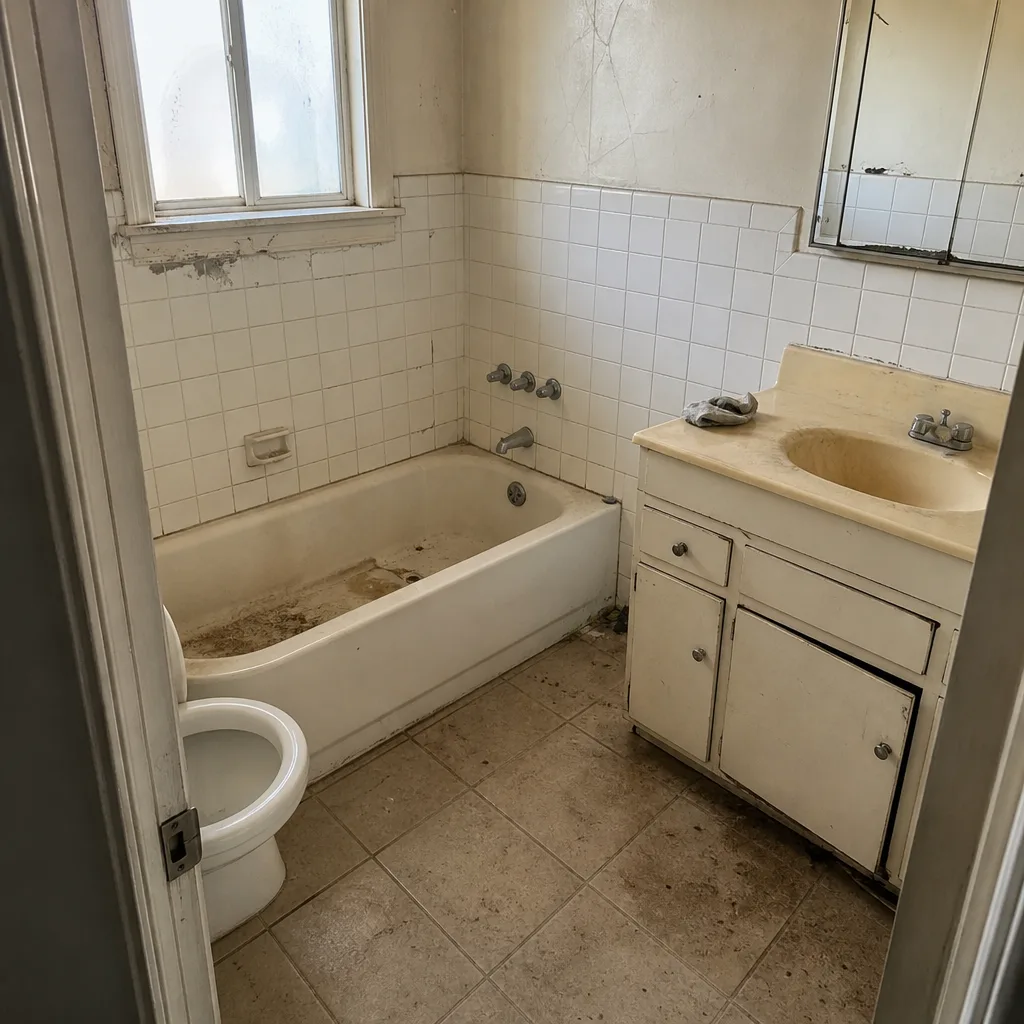 Before
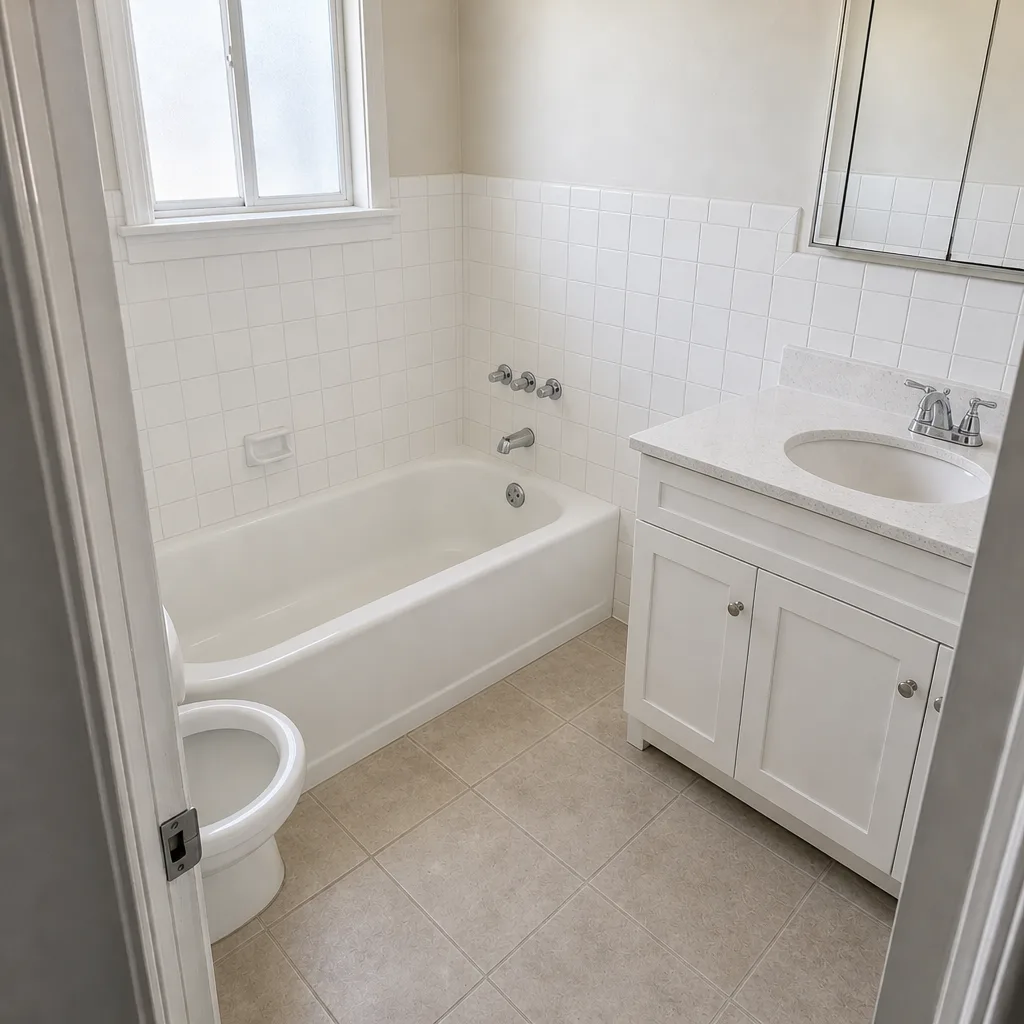 After
When to Call a Professional
Call a licensed contractor before you sign any bid you don’t fully understand, and before any crew breaks ground. Call one immediately if any of the following is true: work has started without a permit card visible, the foundation has been poured and you haven’t seen an inspection stamp, a verbal change is now arguing about price, a draw has been requested ahead of the completed work, or your contractor has asked for more than 10 percent down before permits are issued. These are situations where the cost of waiting is measured in thousands of dollars per week. If you have a bid from another contractor, ask for a second opinion on it. Rowan Construction Group Garden Grove offers free estimates in Garden Grove, with a written price and written scope before any work starts. Call (888) 303-8980 to schedule your free estimate.
Frequently Asked Questions

A detached ADU in Garden Grove typically runs from about $125,000 for a small one-bedroom conversion-style build to over $300,000 for a fully appointed two-bedroom unit, depending on site work, utility upgrades, and finishes. The variance is mostly driven by grading, drainage, and whether the existing electrical panel needs an upgrade (many mid-century Garden Grove homes start at 100 amps). The most reliable way to compare prices is a written, line-item bid that separates site work from construction. Call (888) 303-8980 for an exact quote on your property. Estimates are free.
Under California Business and Professions Code section 7159.5, the down payment on a home improvement contract cannot exceed 10 percent of the contract price or $1,000, whichever is less, for projects over $500. Some exceptions apply to specific trade contracts, but for ADU and addition work, the 10 percent rule applies. A contractor asking for more than 10 percent down before permits are issued is violating the statute. Call (888) 303-8980 if you want a second opinion on a bid you’ve received.
Yes. Every ADU in Garden Grove requires a building permit, plan check, and a certificate of occupancy before it can legally be rented or occupied. Skipping permits creates a liability that follows the property through resale and insurance. Unpermitted ADUs are increasingly found and flagged by lenders and inspectors in Orange County.
An ADU (accessory dwelling unit) is a complete, self-contained residence with its own kitchen, bathroom, sleeping area, and entrance. A home addition is additional square footage attached to the main house and sharing its kitchen or living spaces. In Garden Grove, ADU rules are more specific than standard addition rules because an ADU has its own legal status and rental rights. The paperwork, inspection sequence, and structural requirements are different for each, and so are the warning signs worth watching for. Call (888) 303-8980 to talk through which classification fits your plans.
From permit submittal to final inspection, most Garden Grove ADU projects take 9 to 14 months: roughly 3 to 5 months for plan check and permits, then 6 to 9 months of construction depending on the design. Detached builds on tight lots and conversions with older plumbing tend to take longer. Timelines stretch when plan-check corrections come in phases rather than all at once. Call (888) 303-8980 to discuss a realistic schedule for your project. Estimates are free.
A written scope can keep the price stable at every phase except for genuine discovered conditions. The rule that works: nothing moves forward on a discovered condition until both parties sign a written change order that itemizes labor, materials, and the schedule effect. That administrative habit is what keeps projects within a few percent of the agreed price. Verbal changes and lump-sum change orders are where the actual overruns come from. Call (888) 303-8980 for a written price and written scope before you commit.
The Bottom Line
An ADU or home addition project that goes wrong usually announces it. Missing engineering, plan-check, and grading line items in the bid. A deposit above the state limit. A foundation poured without an inspection stamp. A permit card that never appears on site. A verbal scope change with no signed change order. Read the bid, check the permit card, ask for the schedule of values, and photograph every phase. The same discipline that makes one project finish within a few percent of the agreed price is what makes the next project walk away from trouble. We’ve built projects across Garden Grove under exactly that discipline, and it starts before anyone picks up a tool.
Whether you’re comparing bids, preparing for a Garden Grove ADU project, or just want a second opinion on a written estimate, our team is ready to review the paperwork line by line. Related guides on our site cover the site work around the build: Rowan Construction Group Garden Grove home is the place to start, and homeowners planning accessory structures often work through Driveway & Pavers in Garden Grove and Fence Installation in Garden Grove alongside the ADU build. For perimeter work, we install systems from Master Halco and Ameristar because they hold up to Orange County’s sun and coastal air.
Call (888) 303-8980 to schedule your free estimate. One written price, one written scope, no work starting before either is signed.
Written by the team at Rowan Construction Group Garden Grove.