Last updated November 17, 2026
Free written scope consultation - allowances, timeline, and change-order rules on paper before a single trade is scheduled
How Long Does Fence Installation Take? Timelines and What to Expect
The average wood fence in Garden Grove takes two to three days to install and four to six weeks to actually finish. The difference is paperwork, DigAlert markings, and lumber delivery windows that most quotes never mention. When a homeowner tells us their last fence “took six weeks,” they’re usually describing a calendar that was consumed by permit review and material backorders, not by the crew swinging hammers. In this guide, we break the full timeline into five phases with real day-counts, show which fence materials run longest in Southern California supply chains, and give you a sample project calendar for a 150-linear-foot cedar privacy fence so you can plan around the gaps, not just the build.
Quick Answer
A typical residential fence installation in Garden Grove takes four to six weeks from signed contract to final inspection, but only two to four of those weeks are actual installation. The rest is permit processing through the City of Garden Grove, utility marking through DigAlert 811, and material lead time. A fence on private property with standard cedar or vinyl can compress to 10 – 14 days total. A shared-property fence requiring neighbor agreement, or a wrought iron or CMU block fence, can run eight to ten weeks.
Styles & brands we work with
- Kitchen remodeling
- Bathroom remodeling
- Home additions & ADU
- Roofing
- Windows & doors
- Driveway & pavers
- Fence
Table of Contents
- The Five Phases of a Fence Timeline
- Phase 1: Permit Application and City Review
- Phase 2: Utility Marking and DigAlert 811
- Phase 3: Material Lead Times by Fence Type
- Phase 4: Installation Days by Linear Footage
- Phase 5: Final Inspection and Walk-Through
- Shared-Property Fences: The Hidden Weeks
- Sample Calendar: 150 Linear Feet of Cedar
- Common Mistakes to Avoid
- Frequently Asked Questions
The Five Phases of a Fence Timeline
Most contractors quote you a single number: “two to three days.” That’s the installation phase only. The truth is a fence project moves through five phases, and the three that happen before anyone shows up with a shovel are where the schedule actually gets made or broken. Here’s the whole sequence, with honest ranges for each.
- Permit application and city review – 5 to 21 business days, depending on whether Garden Grove classifies it as over-the-counter or requires plan review.
- Utility marking (DigAlert 811) – 2 to 10 business days. Free, mandatory, and non-negotiable before any post hole gets dug.
- Material lead time – 3 days for standard cedar or vinyl from local stock, up to 45 days for custom wrought iron or CMU block.
- Installation – 1 to 2 days for 100 linear feet, 2 to 3 days for 150 to 200 feet, 4 to 5 days for 300 feet or more on uneven grading.
- Final inspection and walk-through – 1 to 7 business days for the inspection slot, plus an hour on site with the customer.
Stack those numbers and you get your real calendar. For a Garden Grove project, that’s typically four to six weeks end to end. The installation itself, the part people picture when they hear “fence,” is the smallest slice of the pie. If you’re planning multiple exterior projects, our guide to Driveway & Pavers in Garden Grove lays out a similar phase breakdown for hardscape so you can sequence the work.
Phase 1: Permit Application and City Review
Garden Grove requires a building permit for any new fence over six feet in height, and for any fence in a front-yard setback or on a corner lot where sightlines matter. The application itself is straightforward. The review time is what people underestimate. Over-the-counter permits – fences up to six feet in height, standard materials, no grading changes – often clear in five to seven business days. Anything requiring plan review, including CMU block walls over four feet, runs 15 to 21 business days.
There are two Garden Grove-specific wrinkles worth knowing:
- Corner-lot visibility triangles. Fences near the intersection of two streets are limited in height within the sight-distance triangle, and the reviewer will flag it if the plans don’t reflect that. We’ve seen applications bounce back for a 30-inch correction that added 10 days.
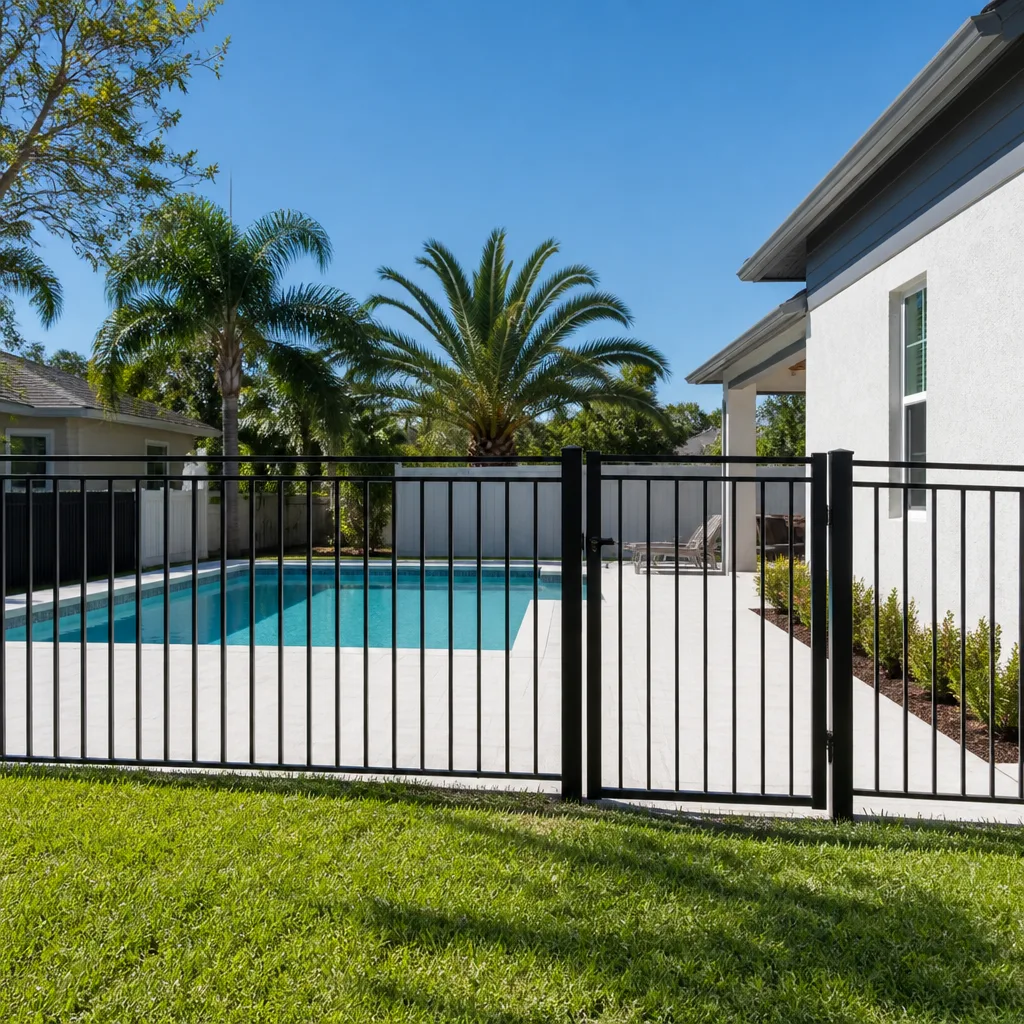
- Pool barriers. If the fence surrounds a pool, it has to meet the California pool safety barrier code, which has its own specification sheet. That typically adds a week to the review cycle because the plan checker verifies latch height and non-climbable clearances.
Two things compress this phase fast. First, submit a plot plan that shows property lines, easements, and the fence location drawn to scale. Vague sketches are the number-one cause of resubmittal. Second, file the permit before you order materials. In our experience, the biggest schedule killer is a homeowner who signs a contract, orders lumber the same day, and then waits three weeks for the city, with the lumber sitting in a yard the whole time.
Phase 2: Utility Marking and DigAlert 811
DigAlert 811 is the free service that sends utility companies out to mark buried gas, electric, water, sewer, and telecom lines before any excavation. Every post hole in Garden Grove needs a cleared utility mark first. No exceptions. It’s the law, and it’s the single most important safety step in the entire project. A hand-shoveled post hole that hits a gas line isn’t a fence problem anymore, it’s an emergency response.
Here’s how the phase runs:
- File the 811 ticket – typically done by the contractor, at least two business days before the scheduled dig. You can’t do it the morning of; the utility companies need the lead time to dispatch their locators.
- Wait for markings – 2 to 10 business days, depending on utility company workload. Two days is the legal minimum. Ten days happens during peak season or after a big storm when locators are slammed.
- Confirm the markings are live – the ticket is valid for a defined window. If your installation slips past that window, you refile. A stale ticket means the crew stops and waits.
Older Garden Grove neighborhoods present a specific hazard: unmarked private utilities. Detached garages, pool equipment, landscape lighting, and irrigation lines installed by previous owners often run in places that DigAlert doesn’t map because they’re private, not public. In our experience, homes built in the 1950s and 1960s are the most likely to have surprise runs. The fix is a private utility scan by a locator who traces those lines before any digging starts, which adds roughly half a day but prevents a costly afternoon.
Phase 3: Material Lead Times by Fence Type
This is where the calendar varies most by fence type. Southern California supply chains are deep for some materials and thin for others. The numbers below reflect current lead times from regional suppliers, assuming your contractor orders from stock rather than a custom run:
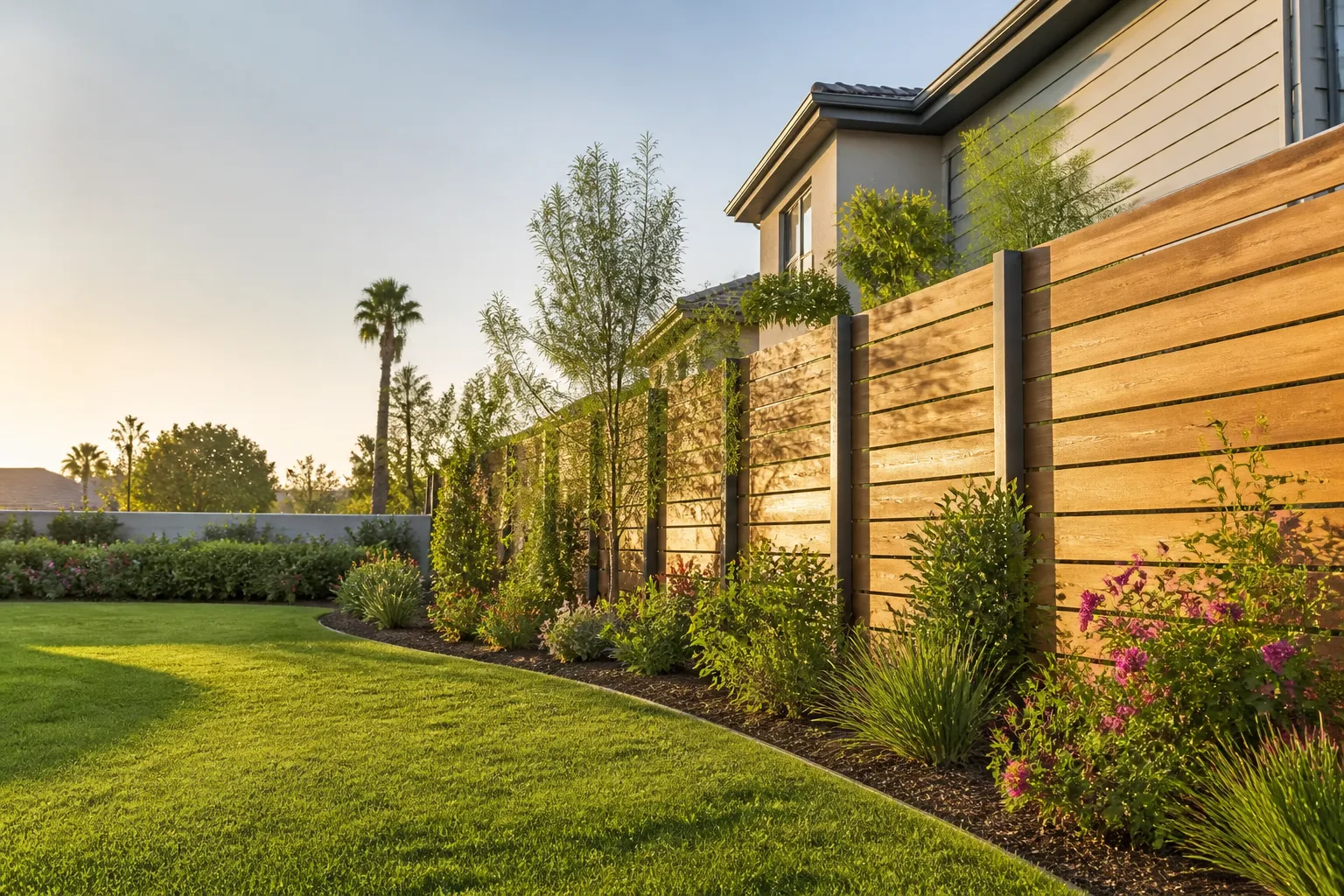
- Cedar or redwood privacy fence – 3 to 7 business days. Standard 6-foot boards and 4×4 posts are stocked locally. This is the fastest option, and the reason most Garden Grove projects move quickly once permits clear.
- Vinyl (PVC) privacy fence – 7 to 14 business days. Regional warehouse stock varies by profile and color. Standard white and tan run fast; a specific gray or walnut tone can add a week.
- Wrought iron and ornamental steel – 21 to 45 business days. These are fabricated to size, not stocked. Powder-coat finish adds another 5 to 10 days on top. A custom arched gate can push past 45.
- CMU block wall – 5 to 10 business days for block and mortar, but the schedule hit comes later. Block walls need curing time plus a stucco or veneer finish, which itself adds a week.
- Composite fence panels – 10 to 20 business days. Fewer regional suppliers means less buffer. A specific color or height profile gets ordered in, and you wait.
One detail worth naming. If your project straddles the transition from wet season (roughly November through March) into the dry months, composite and vinyl extrusion runs can backlog as manufacturers catch up on orders. It’s a seasonal pattern we plan around, not something you can negotiate at the counter.
Phase 4: Installation Days by Linear Footage
Installation moves faster than most people expect, provided the ground is ready. Here’s the realistic day-count by footage for a standard 6-foot privacy fence with posts set in concrete:
- Up to 100 linear feet – 1 to 2 days, including demolition of an old fence.
- 150 to 200 linear feet – 2 to 3 days.
- 300 linear feet – 4 to 5 days.
- 400+ linear feet or difficult grading – 5 to 7 days.
Two things extend the installation phase: old fence removal and soil conditions. A fence that’s been in place for 30 years, with posts rotted into concrete footings, takes longer to demo than a clean removal. And Garden Grove lots have a lot of clay-heavy soil, which is common throughout the flat stretches inland of the coast. Clay holds water and drains slowly. Posts set into damp clay need the concrete to cure before the panels go on, or the post settles and the panel line sags within a season. We recommend giving the post footings 24 to 48 hours of cure time before hanging panels – more in cold or wet weather. In the middle of a wet winter, that can add a full day to the schedule.
Phase 5: Final Inspection and Walk-Through
Garden Grove usually requires an inspection on permitted fences, and the slots fill up. Schedule the inspection as soon as the last panel is hung. In our experience, the slot comes anywhere from one to seven business days out. The inspector checks post depth, footing set, height to grade, property line placement, and adhesion to the approved plans. It’s a fast visit, typically 15 minutes, but you don’t control the scheduling clock.
The walk-through with the customer is a separate moment and one we treat as a deliverable. Under The Haven Standard, every visit includes a documented photo record as standard – photos of footing depth, post spacing, panel line, gate operation, and hardware. The customer keeps that record. If a panel rack or a gate latch ever needs attention, there’s a photograph of the condition when the fence went up, not a verbal “it looked fine at the time.” That’s also why we back every fence with the 365-Day Done Right Promise: if something isn’t right in the first year, we make it right.
Shared-Property Fences: The Hidden Weeks
A fence entirely on private property with a clear setback is the fast case. A fence on a shared property line with a neighbor is a different calendar entirely, and the weeks it adds have nothing to do with construction.
In Garden Grove, a boundary fence typically sits on the property line, and that places it under shared jurisdiction. Three things can stretch the schedule:
- Getting the neighbor’s written agreement. If the old fence is deteriorated and you’re replacing it on the line, the neighbor is technically a party to the work. Getting a signature can take two days or three weeks, depending on the relationship.
- Splitting the cost. Most shared fences are cost-split 50/50, which means an agreed written estimate and an agreed payment. In our experience, a clear written quote actually accelerates this conversation because there’s a number to discuss, not an estimate.
- Disagreement over height or style. A neighbor who wants a 5-foot fence and a homeowner who wants 8 feet have a problem the crew can’t solve. The city permit office will see the dispute and may require the shorter height or a compromise.
For ordinary projects, this phase adds a week. For an uncooperative neighbor, we’ve seen it push a four-week schedule to eight. A homeowner who runs the neighbor conversation in parallel with the permit application – rather than waiting for one to finish before starting the other – can usually compress it to the fast case.
Sample Calendar: 150 Linear Feet of Cedar
Here’s a realistic calendar for a 150-linear-foot, 6-foot cedar privacy fence in Garden Grove, from signed contract to final walk-through. This assumes standard conditions: a clear setback, cooperative neighbor, and mid-season timing.
- Day 0 – Signed contract with a written price and written scope. Under Clause 1 of The Haven Standard, the price is written before anyone picks up a tool. No change proceeds without a signed change order.
- Day 0 to 2 – Permit application filed with the City of Garden Grove, with the plot plan and design details. DigAlert 811 ticket filed in parallel.
- Day 2 to 5 – Utility markings land on the property. If a private scan is needed, add half a day within this window.
- Day 5 to 12 – Cedar order placed and delivered. Lumber sits on site and acclimates to local humidity (an important step; cedar that installs tight immediately after delivery can shrink and open gaps once it dries).
- Day 7 to 12 – Permit clears over-the-counter. Any plan review on a corner lot or a height question pushes this to Day 21.
- Day 13 – Crew arrives. Old fence removed, post holes dug, posts set in concrete.
- Day 14 – Post cure. No panels go on until the concrete has set.
- Day 15 to 16 – Panels hung, gate hung and latched, hardware installed.
- Day 17 – Final inspection scheduled and completed.
- Day 18 – Walk-through with the customer. Photo record delivered. Warranty documentation filed.
That’s 18 calendar days from signature to handshake, with 4 of those days being actual build time. The decisions that compress it: file the permit and the DigAlert in parallel on Day 0, place the material order the moment the permit application goes in, and run the neighbor conversation simultaneously. The decisions that stretch it: a corner-lot height question, a shared-property disagreement, or a wet season that extends the post cure.
If you’re planning the fence alongside other exterior work, the same phase logic applies to Fence Installation in Garden Grove, and our broader Rowan Construction Group Garden Grove home page lays out the full menu of trades.
Common Mistakes to Avoid
- Ordering materials before the permit clears. We can’t tell you how many times we’ve seen lumber sit in a driveway for three weeks waiting on a city signature. It weathers, it may not match later boards, and you’ve paid before you’re ready to build.
- Skipping DigAlert because “it’s just a few posts.” A post hole hitting an irrigation line is annoying. A post hole hitting a gas service line is a 911 call. File the ticket, every time, even for a short run.
- Not scanning private utilities. Older Garden Grove lots are full of private runs the utility companies don’t map. A half-day private scan is far cheaper than a trench repair in a finished yard.
- Hanging panels on green concrete. In clay-heavy Garden Grove soil, posts that go straight from wet concrete to loaded panels settle over the first season. Twenty-four to forty-eight hours of cure prevents a sagging panel line.
- Leaving the shared-property conversation for last. Neighbor agreement can add two weeks. Start it the same week you sign the contract, not the week before install.
- Choosing a custom material on a short timeline. Custom wrought iron takes 21 to 45 business days to fabricate. Standard cedar takes three. If you need the fence by a date, the material choice is the first decision that must reflect the date.
- Honest quote, vague timeline. A written price without a written schedule is half the picture. Ask for the day-counts in writing. If a contractor won’t put them on paper, that’s the same honesty gap that shows up later on change orders.
See the difference
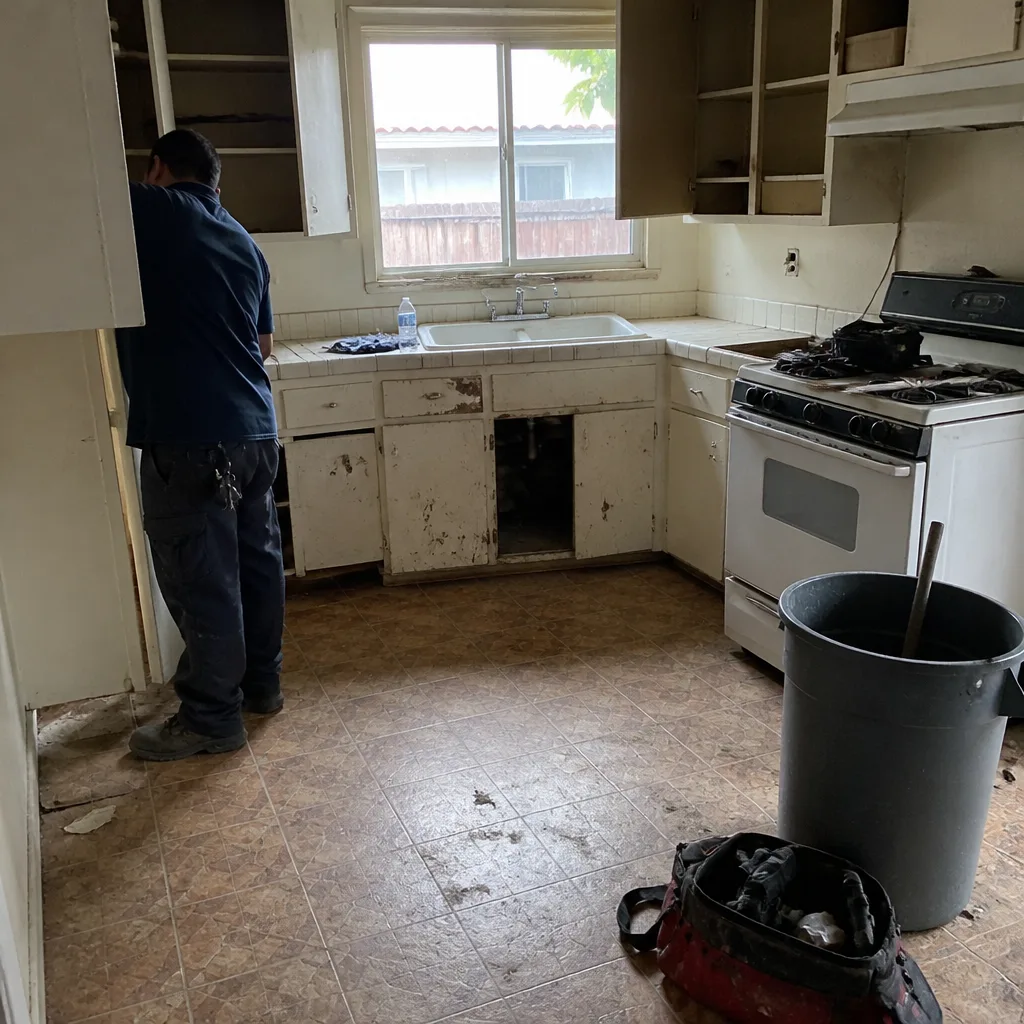 Before
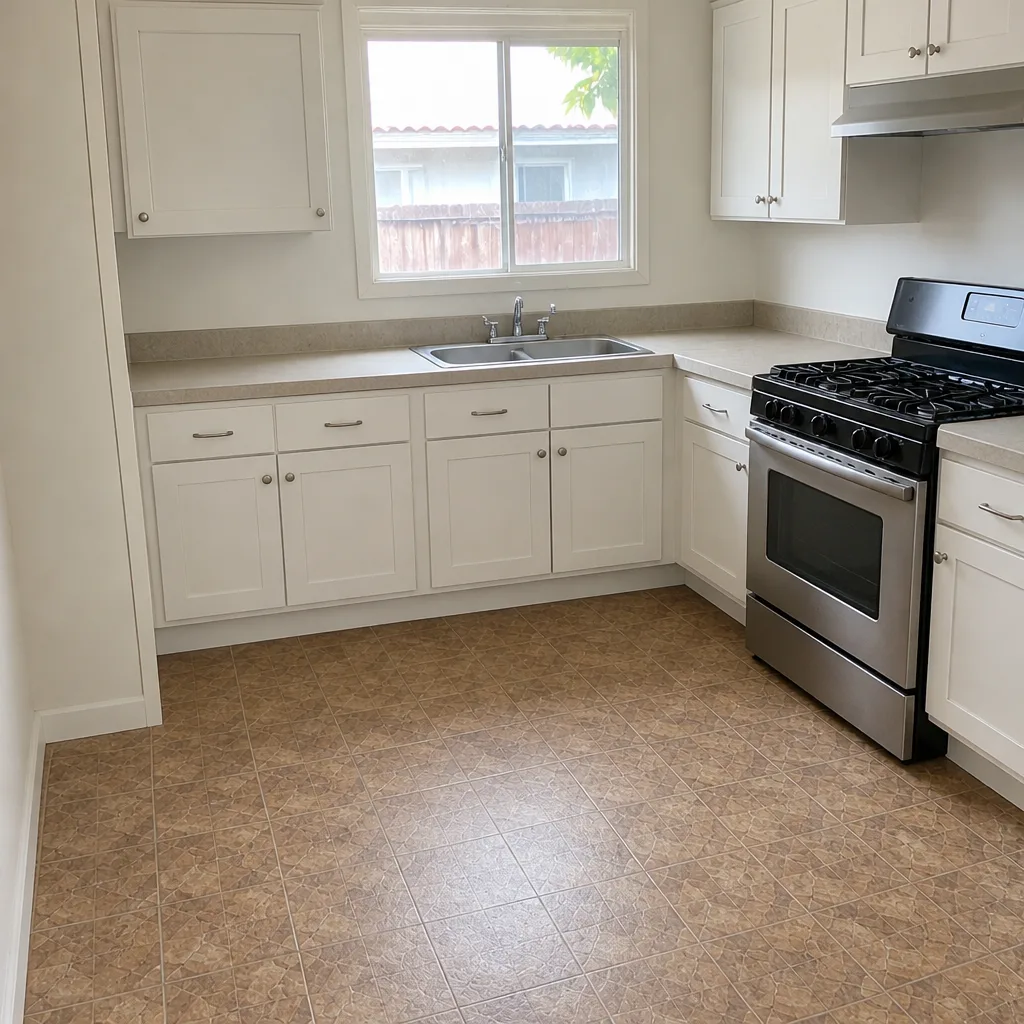 After
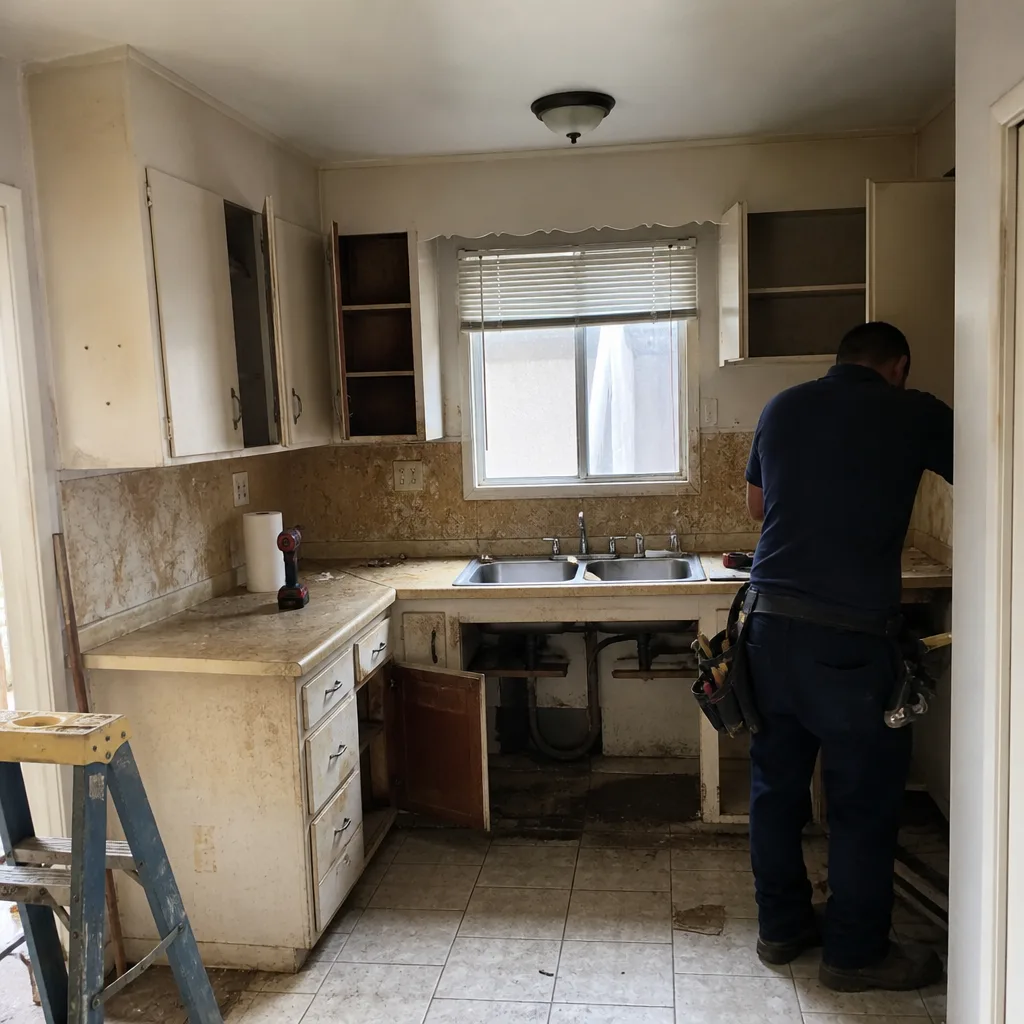 Before
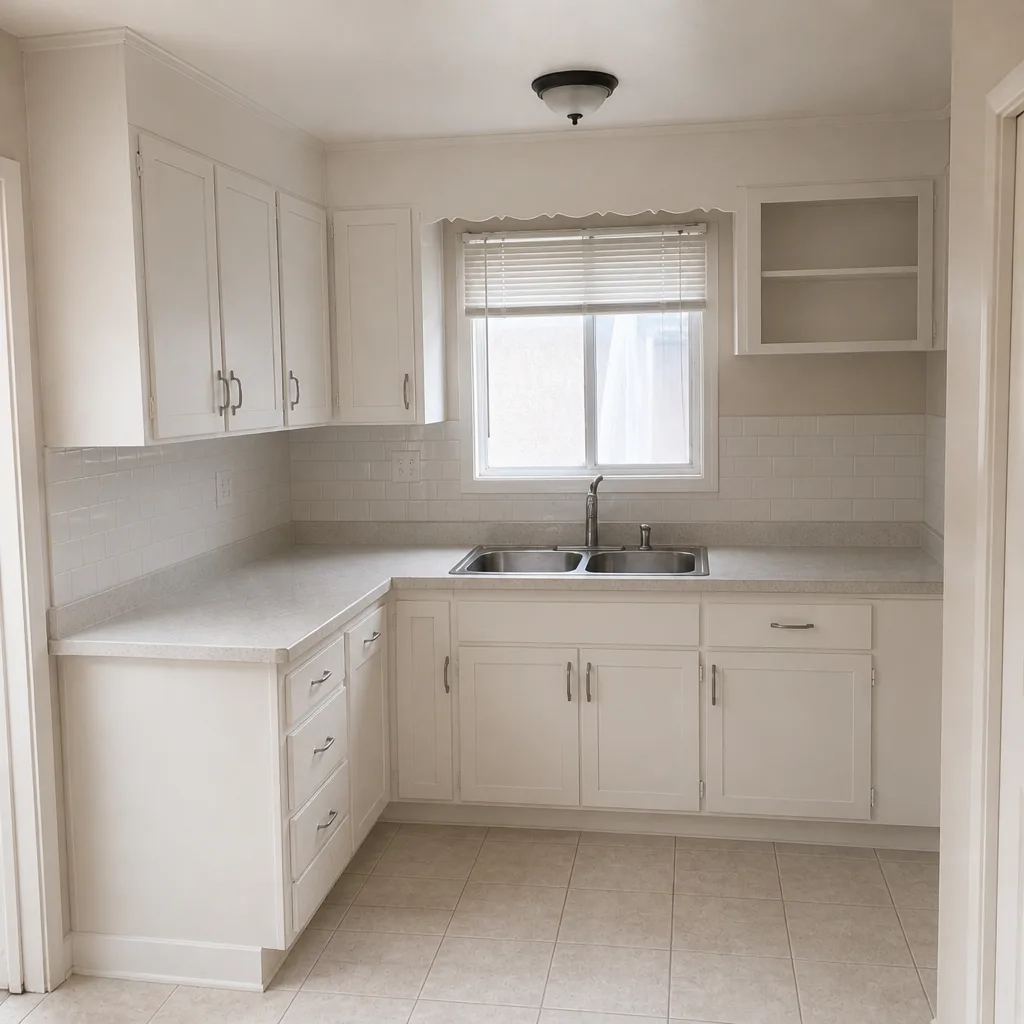 After
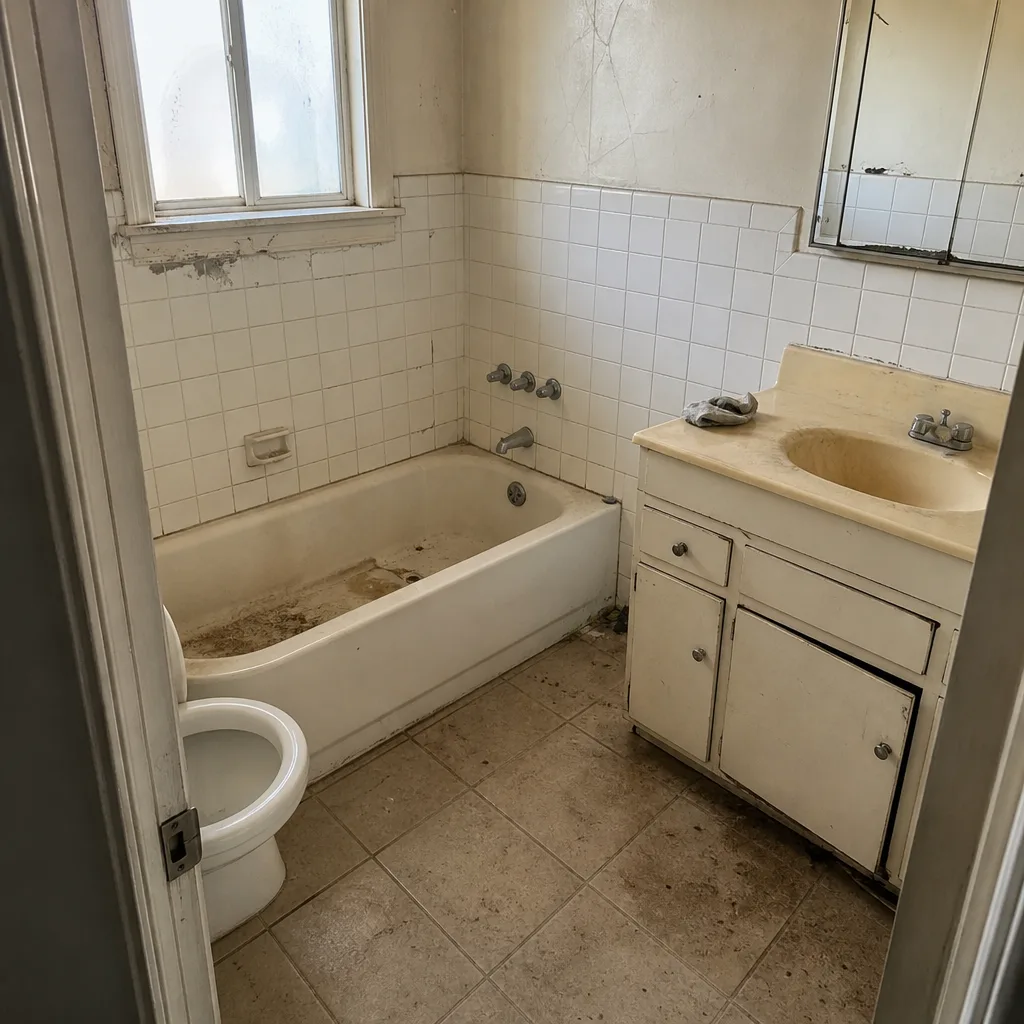 Before
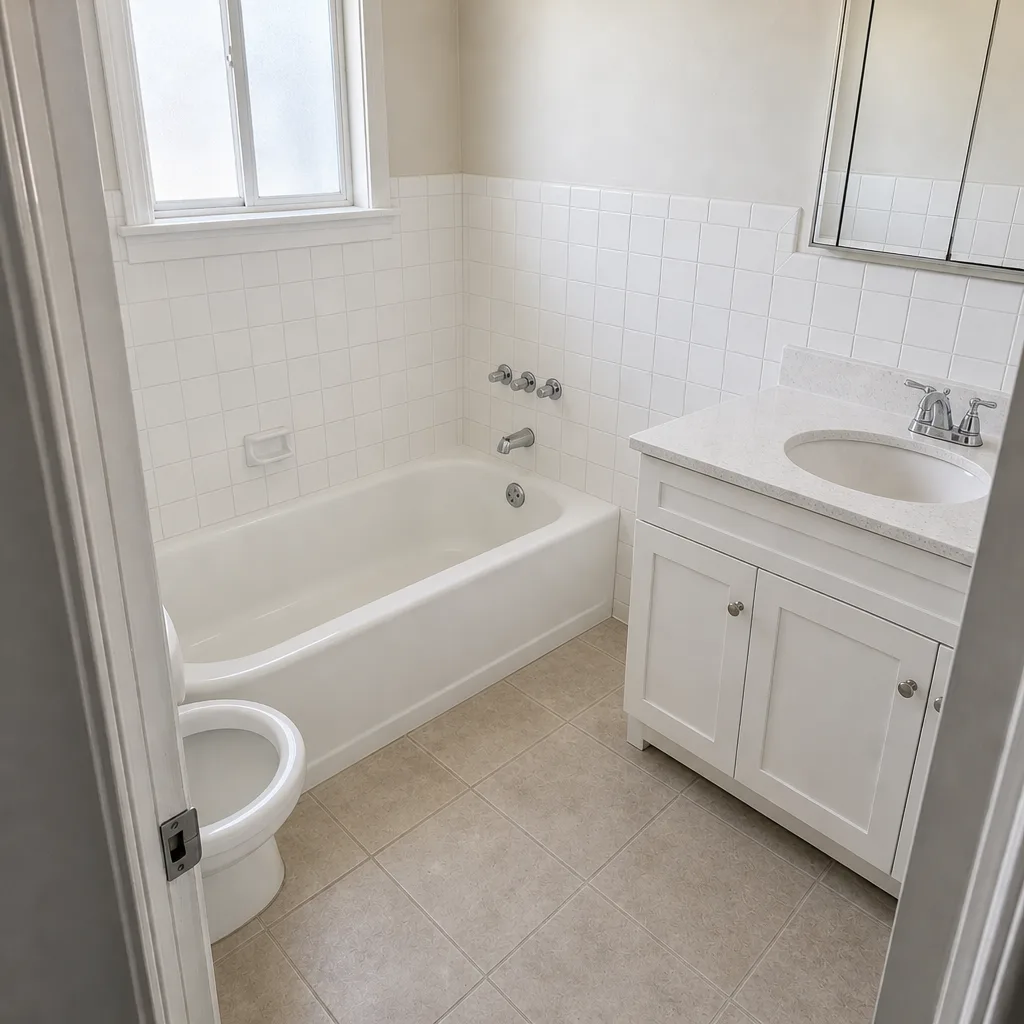 After
When to Call a Professional
If the fence involves more than six feet of height, a corner lot, a pool barrier, or a shared property line, get a professional on it. Those four conditions each add a layer of permit review and inspection that a homeowner handling the paperwork alone will discover the hard way. Mounted gates, custom ironwork, or anything with a footing below grade should also skip the DIY route. In high-desert-wind or coastal-exposure zones, the engineers’ spec matters more than the visual. And if you’re fencing around a swimming pool, the California barrier code has specific latch-height and non-climbable-clearance requirements that no inspector will waive.
Rowan Construction Group Garden Grove offers free estimates in Garden Grove – call (888) 303-8980. We’ll review the property, break down the timeline into the five phases described above, and hand you a written price with written scope before anyone picks up a tool. Our technicians have up to 19 years of experience, and the crews are background-checked and uniformed. If you’ve got a competitor’s quote, we’ll review it line by line at no charge – that’s our Free Second Opinion offer. For bigger backyard plans that combine fencing with a new structure, our Home Additions & ADU in Garden Grove page covers how those timelines stack.
Frequently Asked Questions
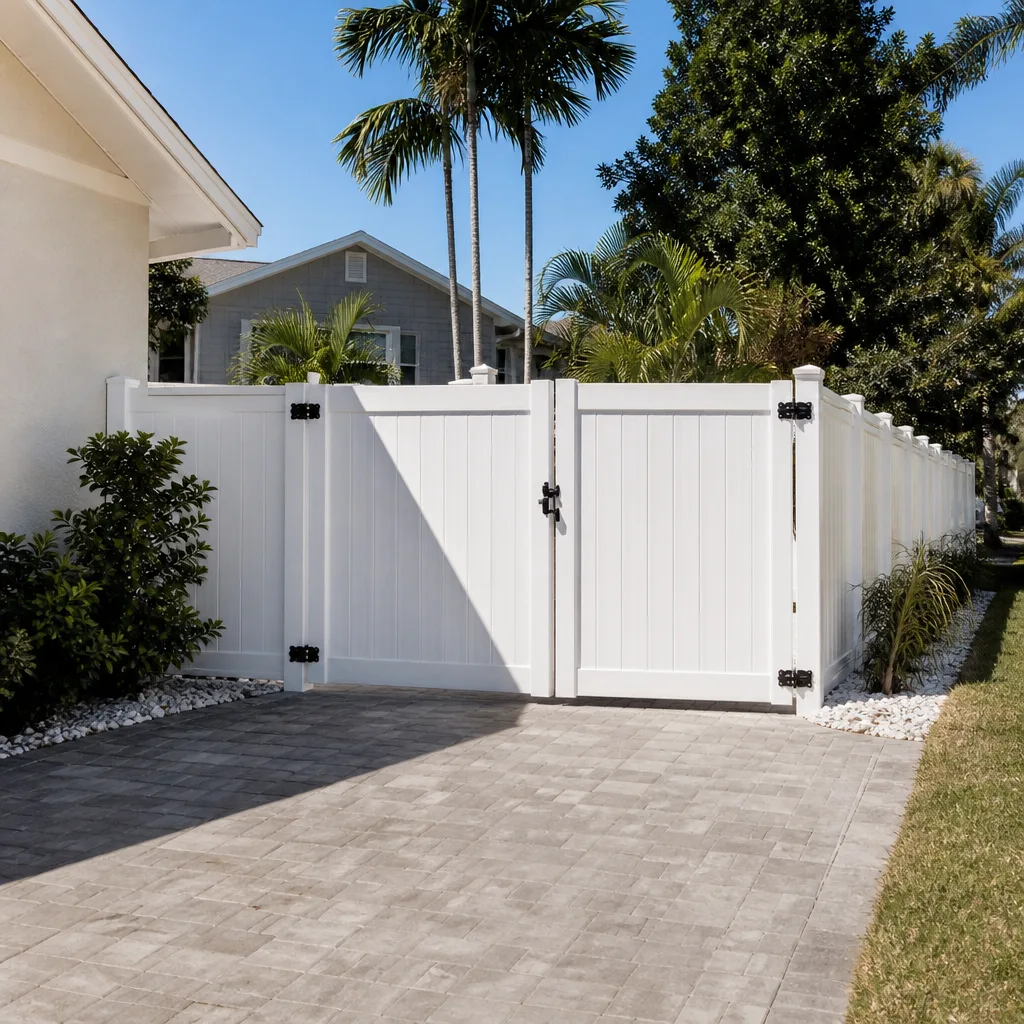
The installation itself takes two to three days for a typical 150-linear-foot residential fence in Garden Grove. The full project, from signed contract to final inspection, usually runs four to six weeks because permit review, DigAlert utility marking, and material delivery consume most of the calendar. Call (888) 303-8980 for an exact timeline on your property.
Yes, in most cases. Garden Grove requires a building permit for fences over six feet in height, and for fences in front-yard setbacks or corner-lot sight-distance triangles. Pool barrier fences require their own sign-off. Plan review adds 15 to 21 business days to the timeline. Call us for a free estimate and a permit scope review.
Custom wrought iron and ornamental steel have the longest lead times, at 21 to 45 business days, because they’re fabricated to size rather than stocked. Powder-coat finish adds another 5 to 10 days. CMU block is fast to procure but slow to finish. Cedar or redwood runs fastest at 3 to 7 business days from local stock. Call (888) 303-8980 to match material to your target date.
Yes, and it’s the most common cause of a blown schedule on a shared-property fence. A 50/50 cost split, a height disagreement, or a missing signature on the boundary agreement can add two to three weeks, in our experience. Starting the conversation the same week you sign the contract is the fix. Call us for a free written quote you can share with your neighbor.
Concrete needs time to set before it can carry the load of a fence panel, otherwise the post settles and the panel line sags. In Garden Grove’s clay-heavy soil, that’s especially true because the surrounding soil drains slowly. We give footings 24 to 48 hours before hanging panels, longer in wet weather. A written schedule that accounts for this step is part of any honest quote. Call (888) 303-8980 for details.
The inspector checks post footing depth, height to grade, property line placement, and adherence to the approved plans. The visit is fast, around 15 minutes, but the scheduling window is one to seven business days. Under The Haven Standard, the customer also gets a documented photo record of every visit, so the condition of the fence is captured at completion, not a matter of recall.
The Bottom Line
Fence installation in Garden Grove is a two-to-three-day build wrapped in a four-to-six-week project. The installation is rarely the bottleneck. Permits, DigAlert markings, and material deliveries are where the calendar lives, and contractors who only quote build days leave homeowners unprepared for the gaps. Plan the phases in parallel – file the permit and the 811 ticket the day you sign, order materials the same week, start the neighbor conversation immediately – and you can usually hit the fast end of the range. Choose cedar or vinyl for speed, wrought iron or CMU for permanence, and get every day-count in writing before anyone picks up a shovel. That’s what a written price and a written schedule together look like.
Call (888) 303-8980 for a free estimate on your Garden Grove fence project. We’ll review the site, walk the five phases on your property, and put the price and the timeline in writing before work starts.
Written by the team at Rowan Construction Group Garden Grove.