Last updated November 17, 2026

Free written scope consultation - allowances, timeline, and change-order rules on paper before a single trade is scheduled
How Long Does Home Additions & ADU Take? Timelines and What to Expect
Here’s the number that surprises most homeowners: a 500-square-foot detached ADU in Garden Grove takes roughly four to five months to build and eight to twelve months from signed contract to move-in. The reason is that design, engineering, and city plan check eat more than half the calendar before a single form board goes down. Almost every timeline you’ll find online starts the clock at “when construction begins” and quietly skips the front end, which is exactly where projects actually stall. This guide maps the whole clock instead, from first site visit to certificate of occupancy, so the number you plan around is the real one.
Quick Answer
From signed contract to certificate of occupancy, expect 8 to 12 months for a detached ADU in Garden Grove, 6 to 9 months for an attached addition, and 4 to 7 months for a JADU converted from a garage or existing space. Construction itself is only 4 to 5 months of that; the rest is design, engineering, and plan check. Get a written scope and schedule before you sign anything, because the front-end phases are where timelines are lost.
Styles & brands we work with
- Kitchen remodeling
- Bathroom remodeling
- Home additions & ADU
- Roofing
- Windows & doors
- Driveway & pavers
- Fence
Table of Contents
- The Six Phases of a Garden Grove ADU or Addition Project
- How Garden Grove Plan Check Works (and What Slows It Down)
- Construction Timelines by ADU Type: JADU, Attached, Detached
- The Three Schedule Killers in Orange County ADU Projects
- A Sample Timeline for a 400-Square-Foot Detached ADU
- How Garden Grove’s Climate and Lots Affect Scheduling
- Common Mistakes to Avoid
- When to Call a Professional
The Six Phases of a Garden Grove ADU or Addition Project
Every ADU or addition in Garden Grove moves through six phases, and each one has a realistic duration range. The total is the only timeline that matters to you, because the mortgage, the rent you’re not collecting, and the family member waiting on the unit are all tracking the end date, not the framing date.
- Feasibility and site assessment (1 to 3 weeks). We measure the lot, check setbacks, confirm the utility easements, and look at what the existing service panel and sewer lateral can actually carry. A Garden Grove lot with a 50-amp panel and a shared driveway may need an upgrade before an ADU is even viable, and it’s better to know that in week two than month six.
- Architectural design and engineering drawings (6 to 12 weeks). Plans, structural calcs, Title 24 energy compliance, and a soils report if the foundation needs one. This phase stretches when the structural engineer is slow to respond on revisions, which is common during busy seasons.
- Plan-check submission and corrections (6 to 16 weeks). The single most variable phase. Standard review versus expedited review, and the number of correction rounds, decide whether this is two months or four.
- Permit issuance and trade scheduling (2 to 4 weeks). Permit fees paid, permit pulled, and the foundation, framing, electrical, plumbing, and HVAC trades lined up in the right order so nobody’s waiting on an inspection.
- Construction (4 to 6 months, by phase). Foundation, framing, rough systems, then finishes. Foundation and framing alone are 6 to 9 weeks on a detached unit; rough systems another 3 to 5; finishes the last 6 to 8.
- Final inspection and certificate of occupancy (2 to 4 weeks). The CO is what makes the unit legal to occupy and rent. No CO, no rental income, no occupancy.
Notice that phases one through four add up to more than half the calendar on most projects. That’s the part the online timelines leave out.
How Garden Grove Plan Check Works (and What Slows It Down)
Plan check is the city’s review of your drawings against the building code, zoning, and fire code, and in Garden Grove it’s where the biggest swings in your schedule live. Standard review typically runs 6 to 12 weeks on an ADU submittal; expedited review, where available and paid for, can cut that substantially, but it only helps if the drawings are clean going in.
A correction letter is the city’s list of what’s wrong or missing in the submittal. One round is common and normal. Two rounds is not unusual on a first-time submittal with an unusual lot. Three or more usually means the drawings were incomplete or the structural calcs didn’t match the plan set, and every round adds weeks because you go back to the architect, back to the engineer, and back to the queue at the building department.
What resets the clock, in our experience:
- An incomplete submittal (missing soils report, missing Title 24, missing a site survey) gets kicked back before review even starts.
- Plan sets that don’t match the structural calculations, so the reviewer flags a conflict the engineer has to resolve.
- Setback or lot-coverage questions that require a zoning review separate from the building review, adding a second review track.
- Fire department review on lots near a wildland interface or with access issues, which runs on its own timeline.
This is the phase where the discipline of a written scope pays for itself. The drawings either show what the reviewer needs or they don’t, and a contractor who submits a complete set the first time is worth more than one who promises a fast build. When we quote a project, the scope includes what’s being submitted, so you know what’s going in the door. See our Home Additions & ADU in Garden Grove page for the documentation we hand over before submittal.
Construction Timelines by ADU Type: JADU, Attached, Detached
The type of ADU you build changes both the construction clock and the plan-check clock, because a converted garage has far fewer moving parts than a new detached structure with its own foundation, roof, and utility trench.
- JADU (junior ADU, up to 500 sq ft, converted from a garage or existing space): Construction 2 to 4 months. Crew of 2 to 4. Much of the work is interior: framing in the existing shell, insulation, a kitchenette, a bathroom, and separating the entry. Plan check is usually faster because the structure already exists. Total project clock: 4 to 7 months.
- Attached addition (300 to 600 sq ft, sharing a wall with the house): Construction 4 to 6 months. Crew of 4 to 6. You’re tying new framing into existing framing, which means the engineer owns the connection details and inspections come in clusters around framing and roof tie-in. Total project clock: 6 to 9 months.
- Detached new-construction ADU (400 to 1,200 sq ft): Construction 4 to 6 months for a 400 to 600 sq ft unit, longer for larger. Crew of 4 to 8 at peak. Separate foundation, separate roof, separate utility trench from the main house, and its own address. This is the longest front end and the longest build. Total project clock: 8 to 12 months.
The square footage matters less than the number of separate systems. A 500-square-foot detached unit with its own electrical service and sewer lateral takes longer to build than a 700-square-foot JADU carved out of an existing garage, because the JADU borrows systems the detached unit has to create.
The Three Schedule Killers in Orange County ADU Projects
After enough Garden Grove and Orange County projects, the delays fall into three buckets. None of them are construction problems. All of them move your move-in date.
- Utility upgrade lead times from SCE or SoCalGas. A detached ADU with its own service often needs a new electrical meter and a service upgrade, and the utility’s lead time for the connection can run weeks to months depending on the queue. If your existing panel is already near capacity, start the utility conversation during design, not after framing. This single item has added more time to Orange County ADU schedules than any trade.
- Structural engineer response time during design revisions. Whenever the plan reviewer or the architect asks for a change that touches structure, it goes back to the engineer. A responsive engineer returns revised calcs in a few days; a slow one takes weeks, and every week delays the resubmittal. This is why we confirm the engineer’s turnaround before drawings start.
- Subcontractor scheduling gaps during peak season. Spring through fall is busy across Orange County, and the trades that matter most (electrical, plumbing, HVAC rough-in, stucco) book out. A project that’s ready for rough-in in June may wait two to three weeks for the right crew. The fix is sequencing: trade dates get locked before framing starts, not after.
None of these are reasons to avoid the project. They’re reasons to plan the front end around them. A contractor who prices the job in writing can also tell you, in writing, which of these your specific lot is likely to hit.
A Sample Timeline for a 400-Square-Foot Detached ADU
Here’s a text-form Gantt of a 400-square-foot detached ADU in Garden Grove, from contract signing to certificate of occupancy. Milestones are in order, with the owner decision points flagged, because those are the ones that actually move the schedule.
- Week 0: Signed contract with a written flat price and written scope. Owner decision: finalize the scope now, not during construction.
- Weeks 1 to 3: Site assessment and feasibility. Utility capacity, setbacks, and lot coverage confirmed.
- Weeks 4 to 14: Architectural design and engineering. Owner decisions: floor plan, exterior finish, roof material (GAF or CertainTeed shingles are common on detached units), and window package (Sterling is a frequent choice on ADU baths).
- Weeks 15 to 18: Plan-check submittal prepared and submitted. A complete set goes in the door.
- Weeks 18 to 30: City review and correction cycles. One round is typical; two rounds adds 2 to 4 weeks.
- Weeks 30 to 33: Permit issued, fees paid, utility upgrade initiated with SCE or SoCalGas, trades locked.
- Weeks 33 to 42: Foundation and framing. Inspections at foundation, under-slab, and framing.
- Weeks 42 to 47: Rough electrical, plumbing, and HVAC. Owner decision: fixture selections finalized here, not later, so finish work doesn’t wait.
- Weeks 47 to 54: Insulation, drywall, finishes, exterior stucco and roof, final trim.
- Weeks 54 to 57: Final inspection and certificate of occupancy.
Call it roughly 13 months on the long end, around 10 months on a clean run. The owner decision points are the ones you control, and hitting them on time is the cheapest schedule protection available. Fixtures sourced a month late cost you the same weeks whether the crew is ready or not.
How Garden Grove’s Climate and Lots Affect Scheduling
Garden Grove sits in a coastal-influenced Orange County microclimate: mild, dry summers, minimal frost, and the occasional winter rain event. That’s mostly good news for scheduling. Concrete can pour most of the year, and stucco and roofing rarely get shut down by cold. The one real weather risk is winter rain during foundation and framing, and on clay-heavy lots the rain also affects soil conditions and how fast the excavation can be prepped.
The lot matters as much as the weather. Garden Grove has a large stock of mid-century tract homes on 6,000 to 7,500-square-foot lots, many with narrow side yards and shared driveways. A detached ADU on a narrow lot may need a crane for truss delivery or a staging area that respects the neighbor’s property line, and both affect the construction schedule. Lots that back onto an alley often trench utilities more easily than lots with a single shared driveway.
The front-yard and driveway work often runs in parallel with the ADU, not after it. If the ADU project includes a new approach, our Driveway & Pavers in Garden Grove team handles that separately so it doesn’t hold up the CO. Same for a new boundary fence, which is best built after the ADU final inspection, via our Fence Installation in Garden Grove service. And if the project includes window or door replacements on the main house, those slot into construction, not plan check.
Common Mistakes to Avoid
- Planning around the construction timeline and ignoring the front end. If you budget for 5 months of build and forget the 6 to 9 months of design and plan check, your date is wrong by half. The real clock is contract to CO.
- Submitting incomplete drawings to save a week. A submittal missing the soils report or Title 24 gets bounced before review starts. The week you saved is two months lost.
- Starting design before confirming utility capacity. A panel or lateral that can’t support the ADU turns a design into a redesign. Check the service during feasibility, in Garden Grove especially, on older homes.
- Waiting to order utility upgrades until after framing. Start the SCE or SoCalGas conversation while the plans are in plan check. The queue is the queue.
- Making fixture and finish changes during construction instead of before. Every change after work starts is a change order. Under Clause 1 of the Haven Standard, no work proceeds on a change until the change order is signed, and that signature is a schedule event as well as a cost event.
- Letting the ADU contractor also handle the boundary fence without a separate written scope. Two scopes, two schedules, and a fence that’s still not built after the CO. Keep them separate.
- Choosing a contractor on the build date and not the closeout date. A crew that finishes framing fast but stalls at final inspection hasn’t saved you anything.
When to Call a Professional
Call a licensed contractor early if any of these apply: your lot has unusual setbacks or a shared driveway; your existing electrical panel is near capacity or you’re unsure of its capacity; your plans touch a load-bearing wall or need a structural engineer; you’ve been through one plan-check correction round and don’t know how to respond; or you simply want a written price and a real schedule before you commit to a design fee. Structural work and utility upgrades are not DIY territory, and a plan check is not the place to learn. In Garden Grove, plan check, utility coordination, and trade sequencing are the three phases where an experienced hand saves the most time. Rowan Construction Group Garden Grove offers free estimates in Garden Grove, with a written flat price and written scope before any work starts. Call (888) 303-8980.
See the difference
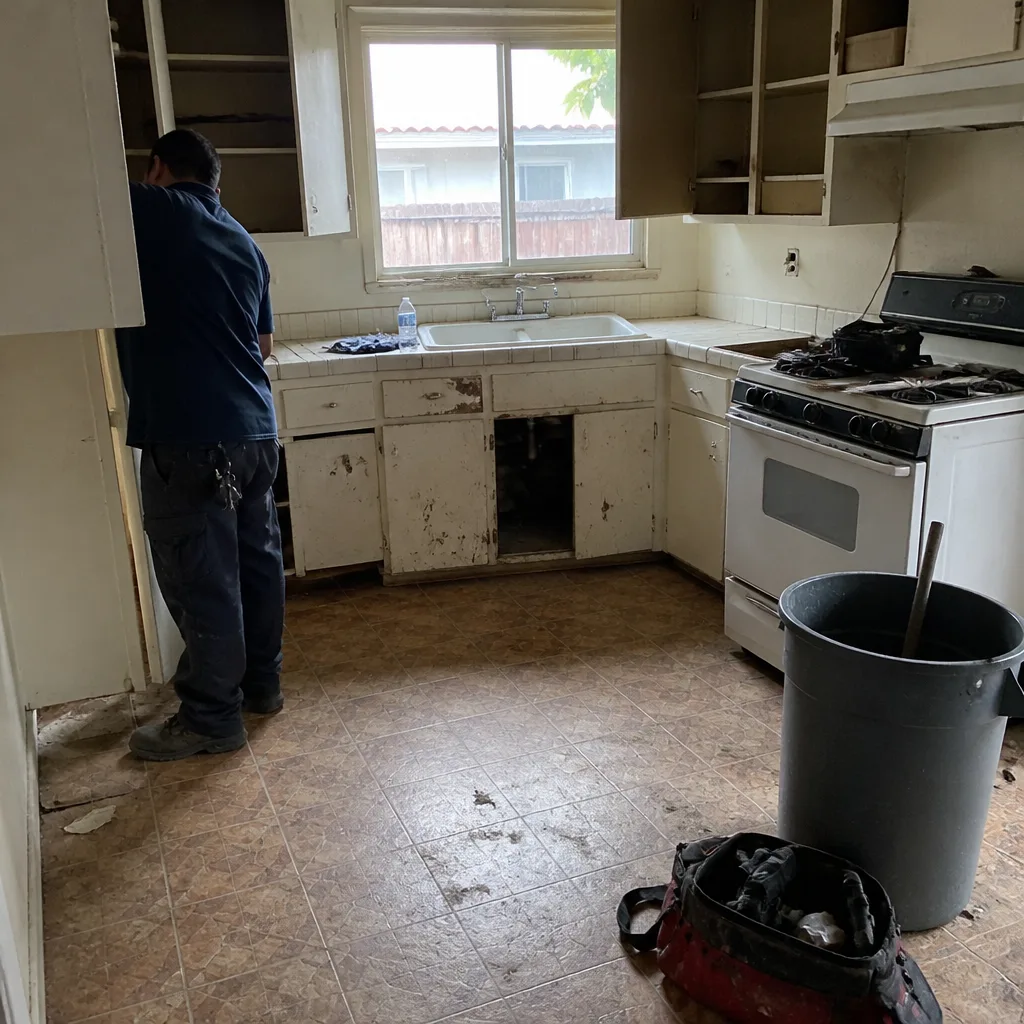 Before
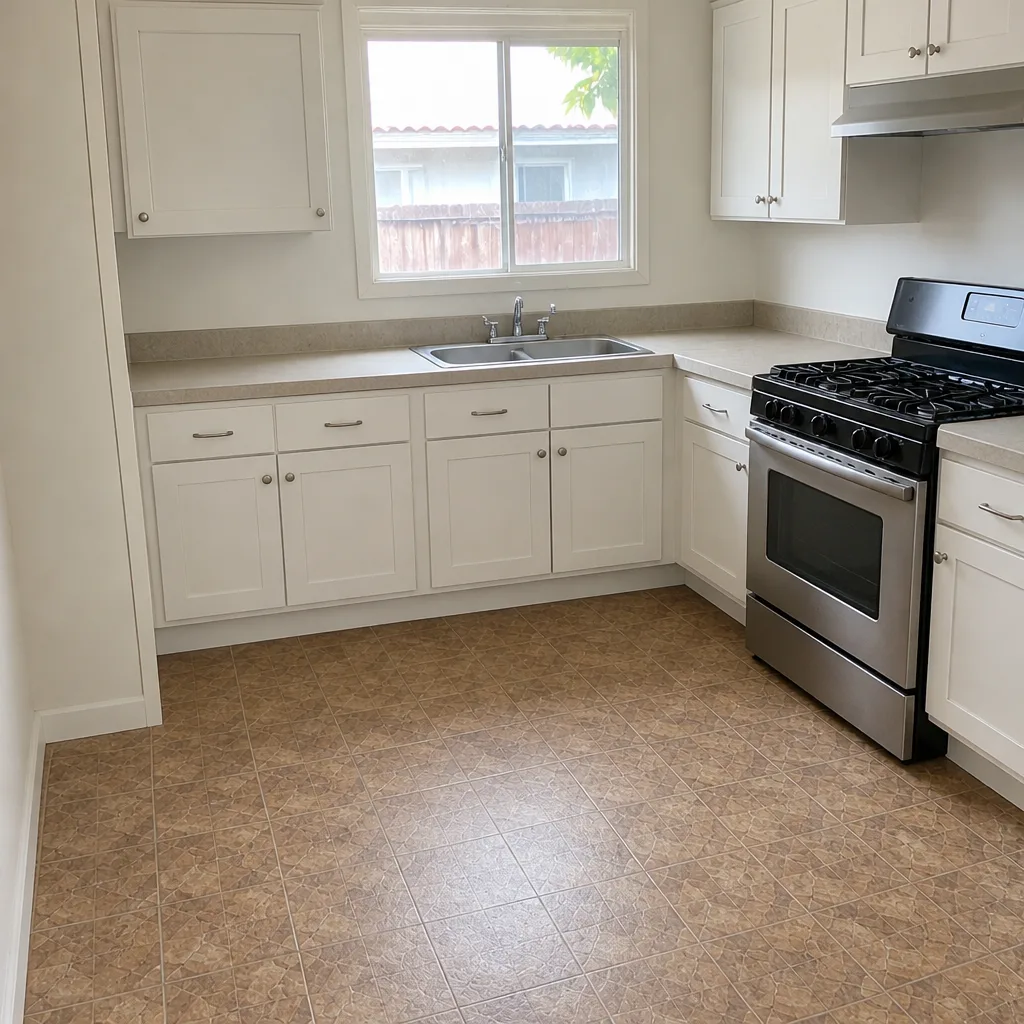 After
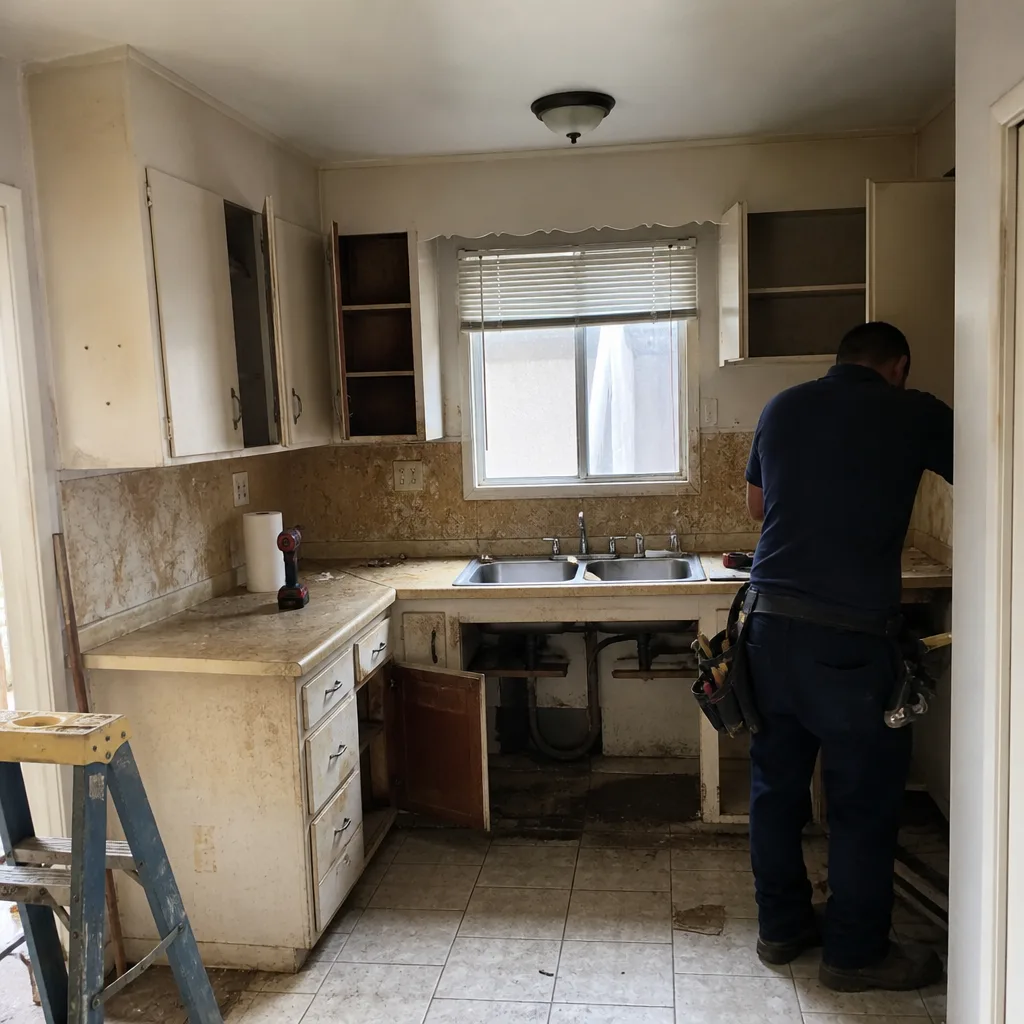 Before
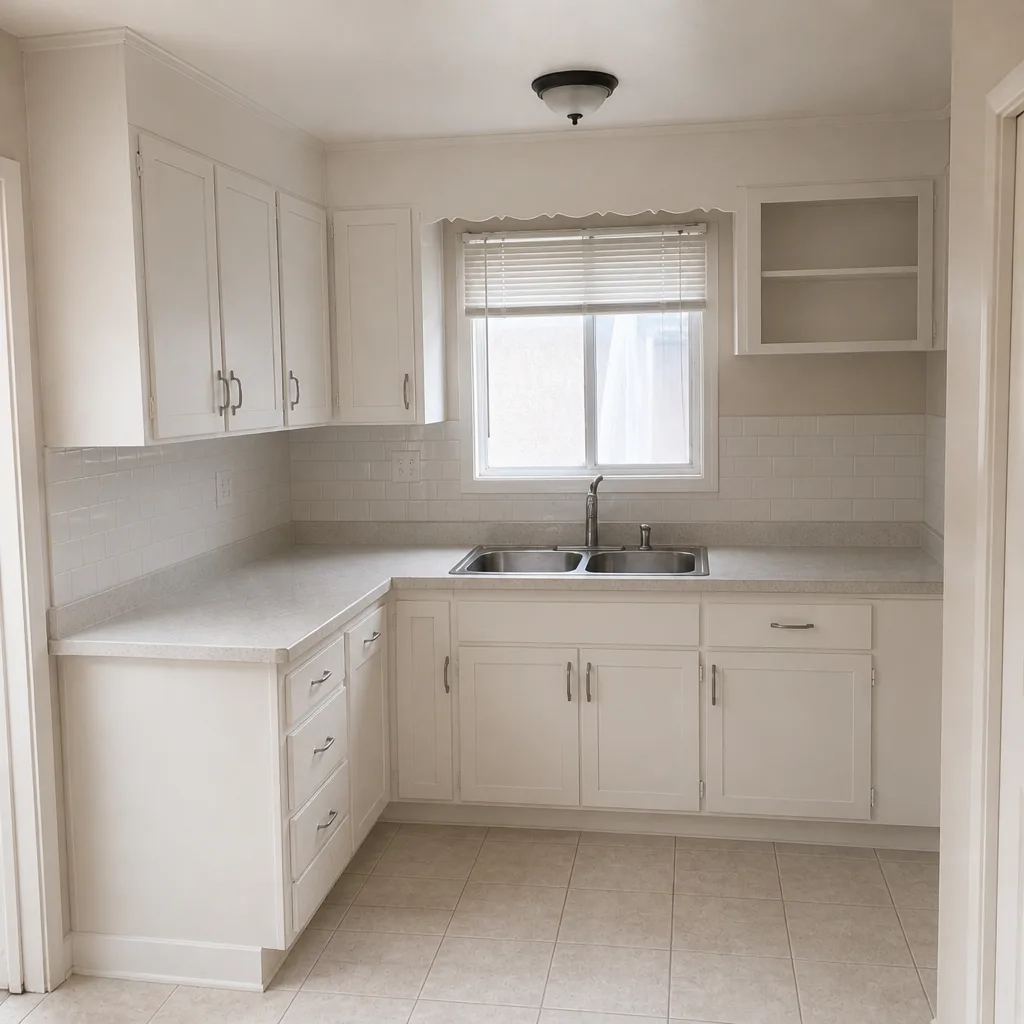 After
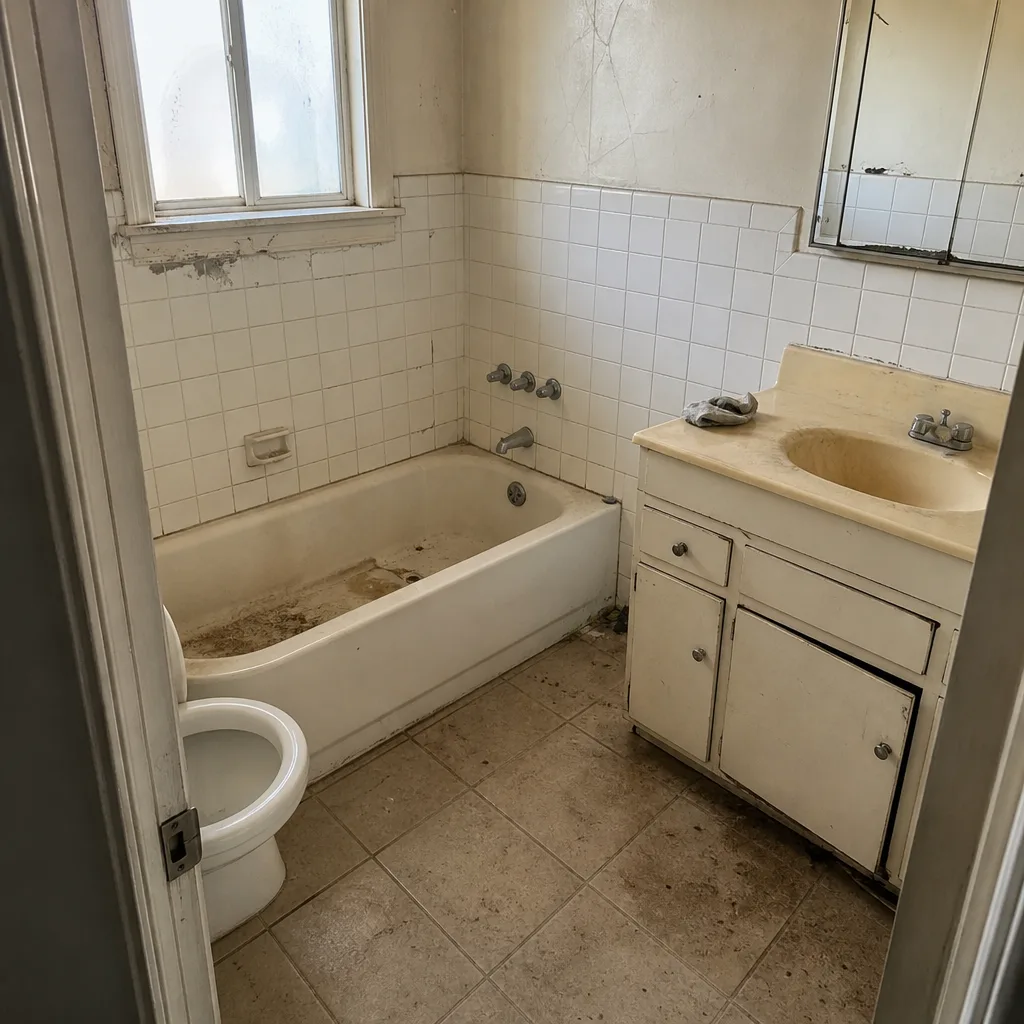 Before
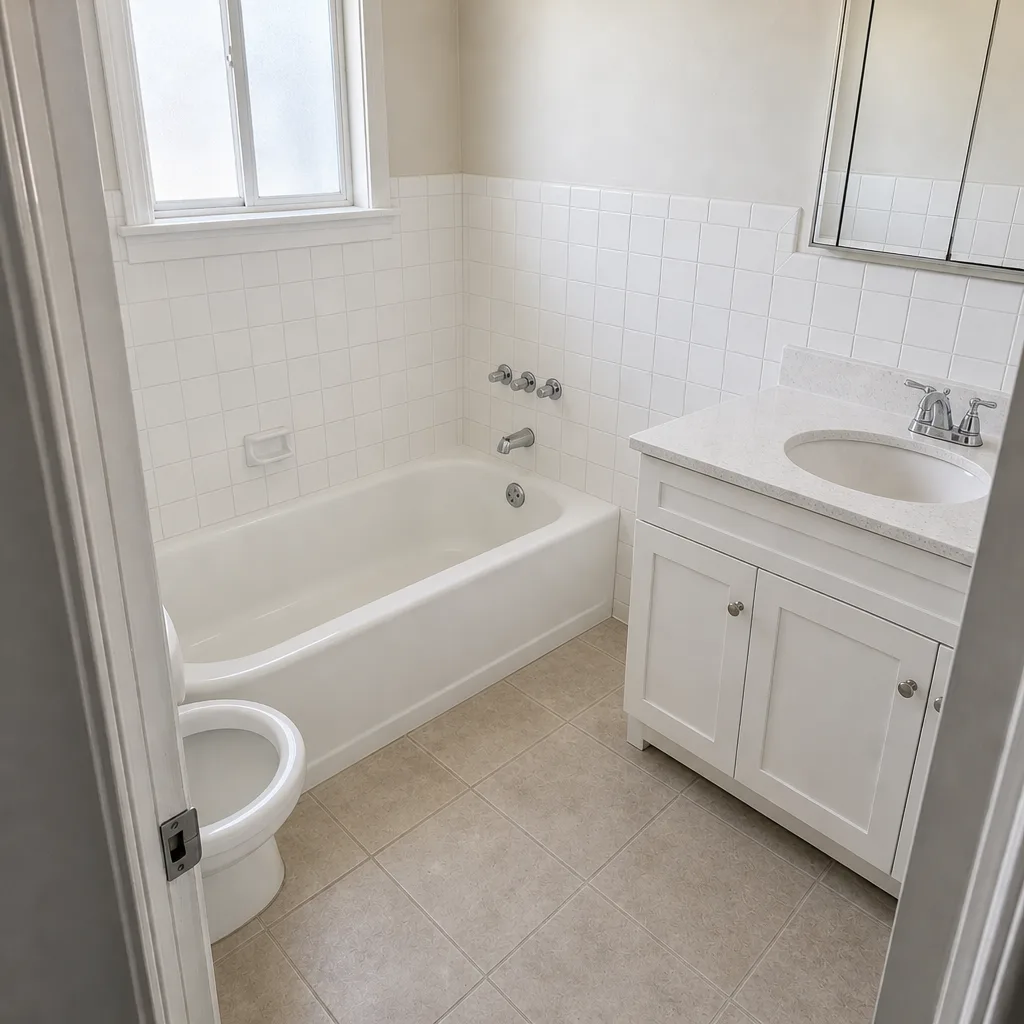 After
Frequently Asked Questions
A detached ADU in Garden Grove takes 8 to 12 months from signed contract to certificate of occupancy, with 4 to 5 months of that being construction. The rest is design, engineering, plan check, and permit issuance. Call (888) 303-8980 for a written schedule on your lot.
Plan check regularly runs 6 to 16 weeks in Garden Grove, and correction rounds are the biggest variable. A clean, complete submittal usually clears in one round; an incomplete or mismatched set can take two or three. The construction itself is 4 to 5 months, so the front end frequently exceeds it. Call (888) 303-8980 for help assembling a submittal that clears the first time.
A JADU converted from an existing garage or interior space is the fastest, at 4 to 7 months total project time, because it borrows the existing structure and utilities. An attached addition runs 6 to 9 months; a detached new-construction ADU is the longest at 8 to 12. Call (888) 303-8980 to talk through which type fits your lot.
It can, but only with a signed change order under our Haven Standard, which means the scope and price change together and never without your signature. On 4,000-plus projects that discipline has kept costs within a few percent of the agreed price. Call (888) 303-8980 for a free second opinion on any written estimate before you sign.
Permit issuance after plan-check approval typically takes 2 to 4 weeks, including fee payment and the utility coordination. The permit clock starts the day a complete submittal is accepted, so incomplete drawings reset it. Call (888) 303-8980 with your lot details for a realistic estimate.
We coordinate the architect and structural engineer and hand you one written scope that covers design, engineering, plan check, construction, and final inspection. You don’t chase the engineer or the city yourself. Call (888) 303-8980 and we’ll walk you through the documentation you receive, including a photo record on every visit.
The Bottom Line
The timeline that matters for a Garden Grove ADU or addition is the one that runs from signed contract to certificate of occupancy, and that clock is usually 8 to 12 months for a detached ADU, 6 to 9 for an attached addition, and 4 to 7 for a JADU. More than half of it is design, engineering, and plan check, and those phases are where projects are won or lost. Get a written scope, a written flat price, and a schedule that accounts for the front end before you commit. The contractors who show you the whole clock are the ones who finish on it. See what we do across every trade on our Rowan Construction Group Garden Grove home page, or call us today to schedule your free estimate.
Rowan Construction Group Garden Grove delivers every project with a written flat price before work starts and a documented photo record when the crew leaves, backed by the 365-Day Done Right Promise. Call (888) 303-8980 to schedule your free estimate.
Written by the team at Rowan Construction Group Garden Grove.