
Last updated November 17, 2026





Free written scope consultation - allowances, timeline, and change-order rules on paper before a single trade is scheduled
How to Hire a Construction Contractor in Garden Grove: A Step-by-Step Guide
California’s Contractors State License Board logged more than 18,000 complaints in a recent year. The surprising part isn’t the volume. It’s that the most common root cause wasn’t shoddy workmanship. It was a contract that never defined the scope, which left “what was agreed” open to interpretation when the bill came due. Hiring a contractor in Garden Grove is a document-verification process first and a price comparison second. This guide sequences every verification step in the order it should happen, names the exact database fields and contract clauses that separate a protected hire from an exposed one, and shows you how to compare three bids without getting fooled by the cheapest number on the page.
Quick Answer
To hire a construction contractor in Garden Grove, verify the license and classification on the CSLB website before you discuss price, confirm workers’ compensation coverage, demand a written contract that contains all seven clauses required by Business & Professions Code §7159, and require a signed change order before any scope change proceeds. Then compare bids by normalizing scope, not by comparing totals. Most disputes trace back to a skipped verification step, not bad luck.
Styles & brands we work with
- Kitchen remodeling
- Bathroom remodeling
- Home additions & ADU
- Roofing
- Windows & doors
- Driveway & pavers
- Fence
Table of Contents
- Step 1: Verify the License Before You Talk Price
- Step 2: Confirm Insurance and Workers’ Comp Coverage
- Step 3: Read the Contract Against §7159
- Step 4: Lock Down the Change-Order Clause
- Step 5: Understand Lien Rights and Your Title
- Step 6: Compare Three Bids Without Getting Fooled
- Step 7: Permits, Inspections, and Garden Grove Requirements
- Common Mistakes to Avoid
Step 1: Verify the License Before You Talk Price
Every legitimate construction contractor working in California holds a license from the CSLB. Look up the license number at cslb.ca.gov before you exchange a single dollar figure. The lookup takes two minutes and tells you more than any testimonial. Here’s what the database fields actually mean.
The classification letters matter as much as the license status. A Class A is a general engineering contractor. A Class B is a general building contractor, which is what most residential remodels and additions require. Class C-39 covers roofing, C-27 covers landscaping (which includes most driveway and paver work), C-13 covers fencing, and C-36 is plumbing. If you hire a roofing contractor for a kitchen remodel, or a Class B for a specialty task that legally requires a C-class, you’re exposed. A license that doesn’t match the trade is not a valid license for that trade. This is one of the reasons we won’t quote kitchen remodeling, roofing, additions, and fence work under a single mismatch of classifications; each scope gets the classification it needs.
The Disciplinary Actions field deserves close reading. An empty field means no public discipline on record. A field with entries may show a citation, a suspension, or a probation. Read each entry: a 20-year-old citation is not the same as a suspension that closed last month. Don’t assume the absence of discipline means a spotless record; it means no formal action was taken, which is worth knowing.
Also check the license status itself: current, expired, or suspended. An expired license is not a licensed contractor. If they hand you a card with a license number that has lapsed, you’re dealing with a business that let a compliance requirement slip, and that tells you something about how they’ll handle your change orders.
Step 2: Confirm Insurance and Workers’ Comp Coverage
The CSLB database shows whether a contractor carries workers’ compensation insurance. If a contractor has no employees (a sole proprietorship), the CSLB lists a workers’ comp exemption certificate on file. Here’s what that certificate actually means for you as a homeowner: it means the contractor claims they have no employees who need coverage. When you hire them, you’re not paying for a payroll that includes helpers or subs.
The trap is this: an exemption certificate can be legitimate and accurate, or it can be filed while the contractor quietly uses day laborers or uninsured helpers on your site. If an uninsured worker is injured on your property and the contractor doesn’t have workers’ comp coverage for them, the homeowner can be exposed to liability. Ask for the certificate of insurance and verify the dates match today. For any scope beyond a solo job, we recommend confirming both general liability and workers’ compensation coverage in writing, with a certificate naming you or the property as an additional insured where the carrier allows.
In Garden Grove we see a lot of smaller contractors running lean crews on garage conversions and fence replacements. That’s not a red flag on its own, but the documentation has to be current. A certificate dated two years ago isn’t proof of coverage today.
Step 3: Read the Contract Against §7159
California Business & Professions Code §7159 lists the clauses every home improvement or construction contract over $500 must contain. If you’re paying more than $500 for a remodel, a new roof, a fence, or a driveway, the contract should include all seven of these. Here they are, with what each one protects.
- The contractor’s name, business address, and license number. This lets you confirm the entity you’re paying matches the entity you verified.
- The date, and a description of the work and materials. The scope is where disputes live. “Bathroom remodel” is not a description. “Remove and replace 100 sq ft of tile shower surround with cement board, Schluter membrane, and porcelain tile from the Cambria line; replace Kohler valve trim” is a description.
- The total price and the payment schedule. A lump total with a deposit, progress payments, and a final payment triggered by inspection sign-off is standard.
- A notice about mechanics’ liens. The contract must say that the contractor may place a lien on your property if payment isn’t made.
- A notice that the contractor is licensed by the CSLB. This is boilerplate, but missing boilerplate is a warning sign.
- The down payment amount. California caps home improvement down payments at $1,000 or 10% of the contract price, whichever is less, for the contractor to legally operate without a performance bond.
- The start date and completion date or an estimate of the time to be spent on the job. Vague schedules are one of the top complaint triggers.
We operate under a written scope and a flat written price before any work starts, and every clause in that agreement maps to the §7159 list. Not because it’s paperwork for its own sake, but because the seven clauses are what a homeowner can point to when something is unclear.
Step 4: Lock Down the Change-Order Clause
Most project disputes start with a verbal change. A homeowner asks, “While you’re in there, can you add the outlet?” or “Can you swap the vanity?” and the contractor says “Sure, no problem.” Three weeks later, the extra line item shows up on the final invoice. The scope wasn’t defined in writing, so the charge is a he said/she said dispute.
The fix is a change-order clause that says, in the contract, that no additional work proceeds until a change order is signed by both parties. Under a clause like that, an unsigned verbal change is unenforceable. Period. This clause is the single most important administrative protection in your contract. It protects both sides: the homeowner knows the price before the work starts, and the contractor knows the scope is documented.
Ask the contractor to show you their change-order clause. If the answer is “we’ll work it out as we go,” you’re hiring an informal process. Many Garden Grove homeowners have learned this the expensive way. A change order should state the scope change, the added or reduced price, the effect on schedule, and a signature line for both parties.
Step 5: Understand Lien Rights and Your Title
California grants contractors and subcontractors the right to file a mechanic’s lien against your property if they aren’t paid for labor or materials used on the project. This right extends down the chain. A framing crew that your general contractor hires but doesn’t pay can file a lien on your house. So can a materials supplier. Even if you’ve paid the general contractor in full.
The contractor must serve you a lien notice within a specified period (either 20 days after the contract is signed or 20 days after work begins, whichever comes first, for direct contractors; subcontractors have their own timing rules). The notice isn’t a lien. It’s a warning that the right exists. If the notice doesn’t come, keep a copy of every payment receipt anyway.
What happens if a subcontractor goes unpaid and files a lien: the lien attaches to your title. You can’t cleanly sell or refinance the property until the lien is resolved, either by payment, negotiation, or a court action. In Garden Grove, where the housing stock includes a lot of properties that have been through one or two flips, we’ve seen liens show up years after a project closed. The defense is a joint check agreement or a conditional lien release from each sub before final payment, which is one of the discipline points we build into every project.
Step 6: Compare Three Bids Without Getting Fooled
Three bids are the minimum for a project of any real size. But comparing totals is a trap. A $46,000 bid and a $39,000 bid are not the same job if one includes a tile membrane and the other leaves it out. Normalize the scope first, then compare price.
How to Normalize Scope
- Line up every task in a shared column. Roofing: shingle layer count (GAF and Owens Corning shingles have different warranties and costs), underlayment spec, flashing, soffit and fascia. Kitchen: cabinet brand and line (KraftMaid vs. Wellborn matters on price), countertop material (Cambria vs. Caesarstone), plumbing trim.
- Flag missing line items. If one bid omits underlayment, disposal, dumpster, or permit fees, the total is not a total.
- Match labor against materials. A low materials line with a high labor line is a bid that will lean on change orders later. A high materials line with a low labor line is a bid that will lean on low-quality subs.
What a Suspiciously Low Bid Usually Omits
The short answer: permits, disposal, the membrane, the termite repair you’ll find when the wall opens, and the subcontractor cost of someone the low bidder hasn’t actually locked in. We’ve seen fence bids that leave out the removal of old panels and post-setting concrete, which is a large part of the labor.
Negotiable vs. Fixed by Code
Material grade, brand, and finish are negotiable. Permits, engineering, structural requirements, fire-rated assemblies, and egress are not. A bidder who offers to skip the permit to save money is offering you a documented violation. In Garden Grove that can surface during a resale inspection or a permit audit, sometimes years after the project.
Step 7: Permits, Inspections, and Garden Grove Requirements
Most residential work in Garden Grove requires a permit from the city’s Building & Safety Division. Roofing replacements, kitchen and bathroom remodels that touch plumbing or electrical, additions, ADUs (accessory dwelling units, which are small secondary residences on the same lot), driveways, and most fence installations above a low height threshold all trigger permits and inspections.
Ask for the permit number before work begins. A contractor who says “we don’t need a permit on this one” is often right about small repairs and wrong about anything structural. Additions and ADUs in particular require plan check, and the inspection sequence is not optional. ADUs also have state-mandated review timelines the city must follow, and Garden Grove has been issuing them at a steady pace; see our Home Additions & ADU in Garden Grove page for the local process in more depth.
Driveways and pavers need a permit when they alter the right-of-way or change drainage. If you’re installing Belgard or Techo-Bloc pavers, ask who’s pulling the permit and who’s responsible for base depth. Fencing near a property line needs a setback check against the city’s code; see our Fence Installation in Garden Grove page for the specs on Barrette, Master Halco, Ameristar, and Jerith systems we install. For driveway scopes, our Driveway & Pavers in Garden Grove page walks through the base, drainage, and permit sequence.
Common Mistakes to Avoid
- Paying more than the legal down payment. A contractor asking for a 30% deposit before a permit is pulled is either undercapitalized or planning to use your money for another job. California caps the unsecured down payment at $1,000 or 10%, whichever is less, unless the contractor carries a performance bond.
- Skipping the CSLB check because a neighbor vouched. A neighbor’s good experience is evidence of one job, not a license status. Verify anyway. We’ve seen lapsed licenses on well-recommended contractors.
- Signing a contract without the §7159 clauses. If the start date, completion date, and down payment aren’t written in, the clause is missing and the contract is technically noncompliant.
- Accepting verbal changes. Every change needs a signed change order. If the contractor won’t put it in writing, they’re reserving the right to bill for it.
- Ignoring the lien notice. The preliminary lien notice tells you who might file a lien. Log who sent one, and get a conditional lien release before final payment.
- Comparing bids by total only. A low total with missing line items is a bid designed to grow. Normalize the scope first.
- Skipping the permit on a Garden Grove ADU or addition. Unpermitted work stays a problem through resale, refinance, or a city audit. There’s no shortcut that survives the title search.
See the difference
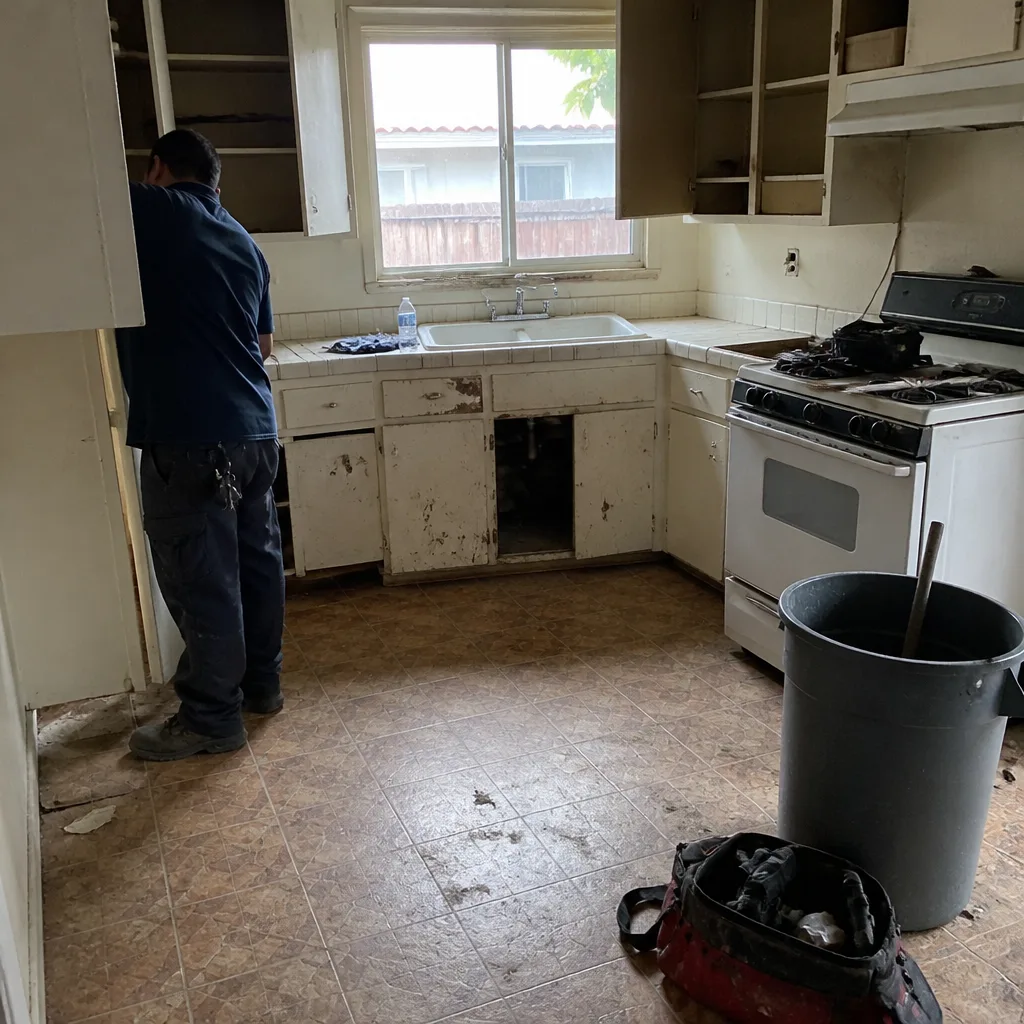 Before
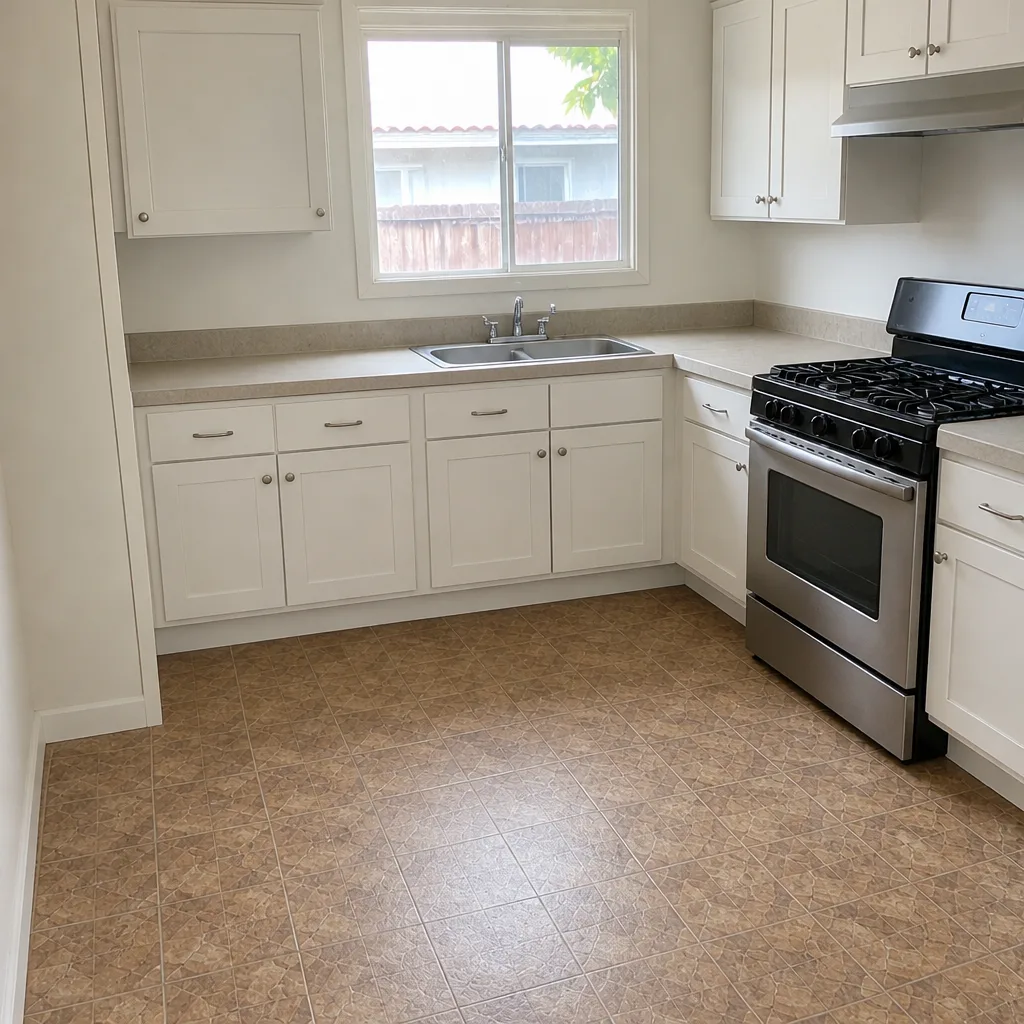 After
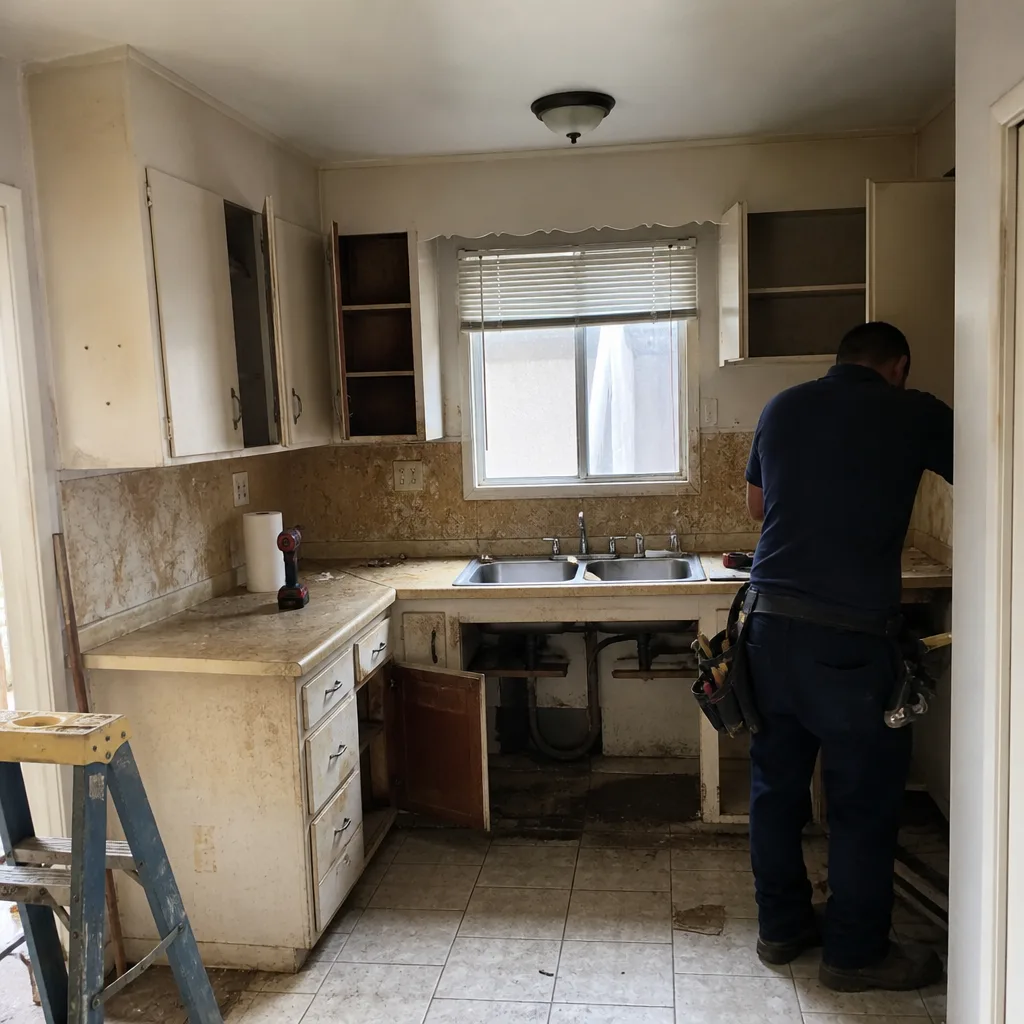 Before
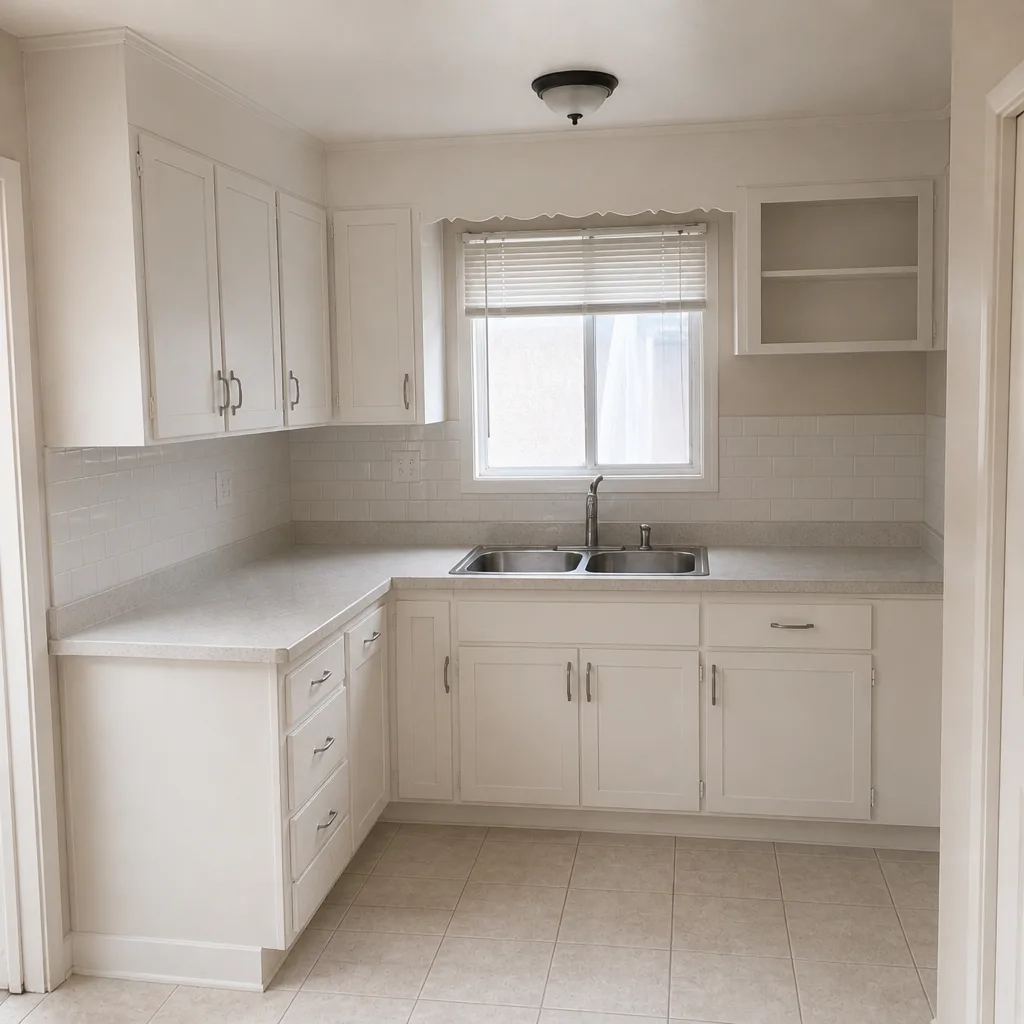 After
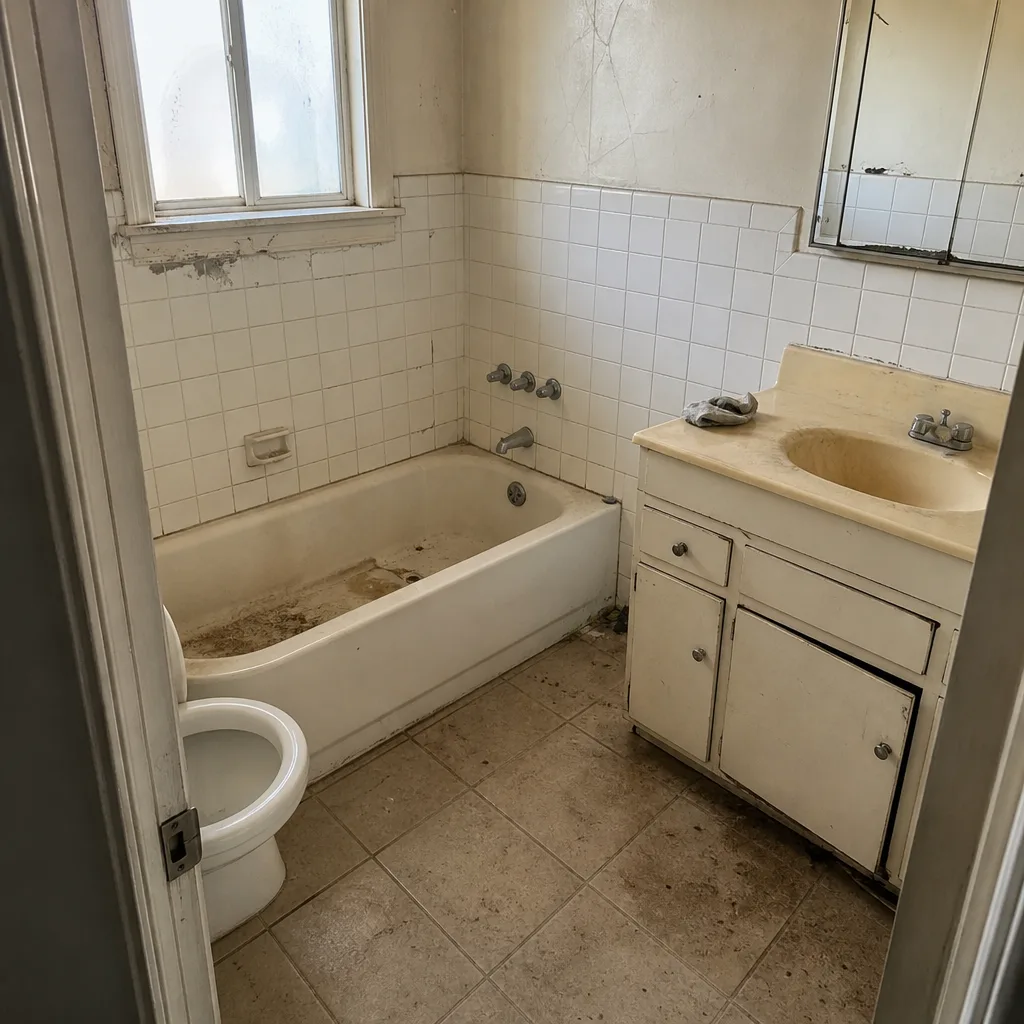 Before
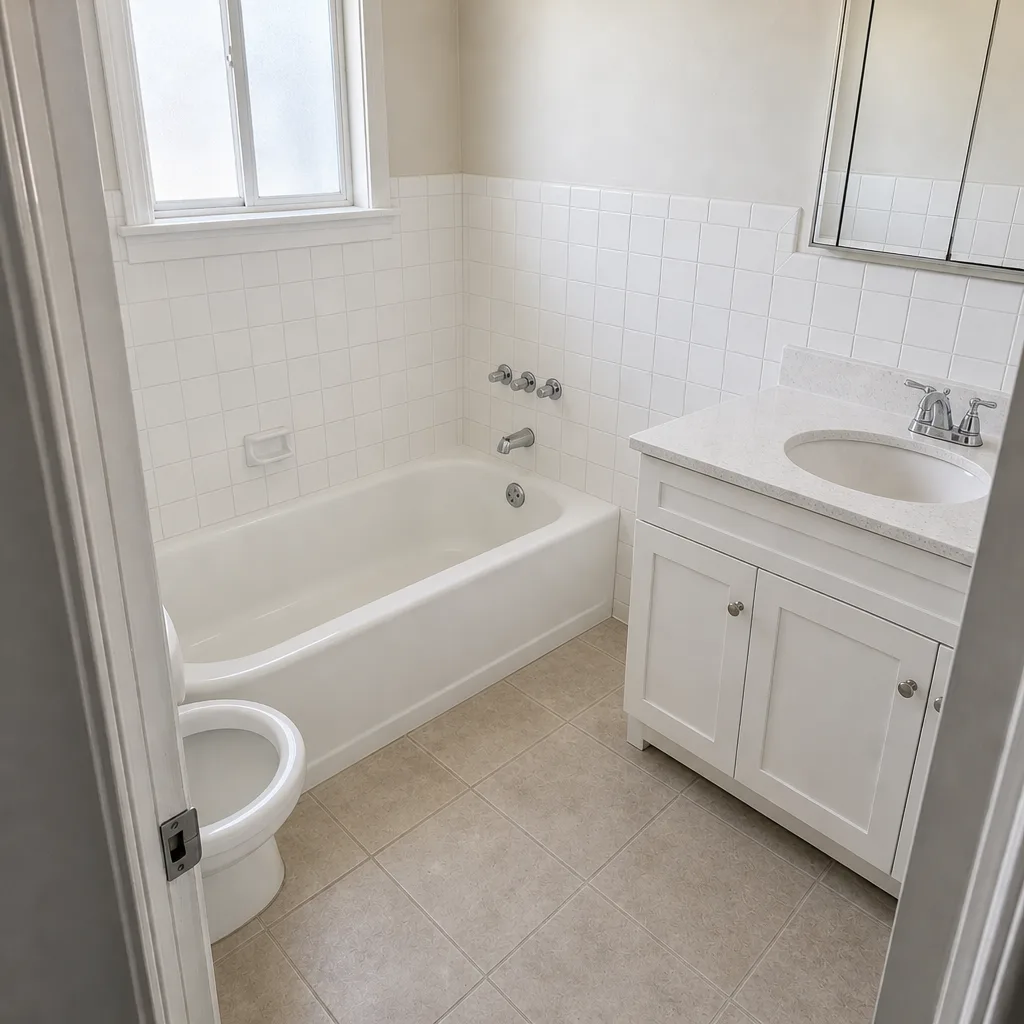 After
When to Call a Professional
Some decisions are safe to make alone. Most construction decisions aren’t. Call a professional when the work touches structural framing, electrical panels or wiring, gas lines, roof penetrations, or egress, because those scopes involve code compliance, permits, and genuinely dangerous components. Call a professional when you’ve received a bid you can’t normalize against another one. Call a professional when a permit is required and you don’t want to be the one negotiating with the city inspector. Call when the scope is complex enough that a change order will land on you before you know it. Our technicians have up to 19 years of experience across the trades we cover, and we’re happy to look at a competitor’s estimate with you at no charge. Rowan Construction Group Garden Grove offers free estimates in Garden Grove. Call (888) 303-8980 to schedule yours.
Frequently Asked Questions
Go to cslb.ca.gov and search the license number or business name. Read the license status (current, expired, suspended), the classification letters (Class B for general building, C-39 for roofing, C-13 for fencing, C-27 for landscaping, C-36 for plumbing), and the Disciplinary Actions field. The check takes two minutes and should happen before any pricing conversation. Call (888) 303-8980 if you’d like us to walk through a competitor’s license status with you at no charge.
Under Business & Professions Code §7159, the contract must contain: the contractor’s name, address, and license number; the date and a description of the work and materials; the total price and payment schedule; a mechanics’ lien notice; a CSLB licensing notice; the down payment amount; and the start and completion dates or an estimate of the time to be spent on the job. Missing any of these is a compliance problem. Call (888) 303-8980 and we’ll email you a checklist you can bring to any bid meeting.
The lien attaches to your property and stays there until it’s resolved by payment, negotiation, or a court order. You cannot cleanly sell or refinance until the lien clears. Protect yourself by requiring a conditional lien release from each subcontractor before final payment, and by asking for a preliminary lien notice log at the start. Call (888) 303-8980 to talk through lien releases on a current project.
Not always by default, but it is under the change-order clause you should require in your contract. Write it into the agreement that no additional work proceeds until a change order is signed by both parties, and any unsigned verbal change becomes unenforceable. This protects both sides. Call (888) 303-8980 for a free second opinion on your current change-order language.
Garden Grove kitchen remodels typically run $48,000 to $95,000 depending on cabinet line (KraftMaid vs. Wellborn shifts the number), countertop material (Cambria vs. Caesarstone), and whether the layout moves plumbing. A cosmetic refresh lands lower; a full open-concept remodel that touches structural framing runs higher. Call (888) 303-8980 for an exact quote, in writing, before any work starts.
Not without a signed change order. Our flat written price is the price, and no work proceeds on a change until both parties sign. Across 4,000-plus projects under The Haven Standard, this discipline has kept project costs within a few percent of the agreed price. Call (888) 303-8980 to see a sample change order and the Clause 1 written-price language.
The Bottom Line

Hiring a construction contractor in Garden Grove is a document-verification process first. Verify the license and classification on the CSLB site. Confirm workers’ comp coverage and read the exemption certificate correctly. Read the contract against all seven §7159 clauses. Lock the change-order clause so verbal changes are unenforceable. Get the lien notice, and require conditional lien releases before final payment. Normalize three bids on scope, not on total. Then call the contractor who can show you a written price, a written scope, and a written warranty before anyone picks up a tool. That’s the standard we work under every day; you can read the rest of our approach at the Rowan Construction Group Garden Grove home page.
Contact us at (888) 303-8980 for a free estimate, or to book a free second opinion on any written estimate you’ve already received.
Written by the team at Rowan Construction Group Garden Grove.