
Last updated November 17, 2026





Free written scope consultation - allowances, timeline, and change-order rules on paper before a single trade is scheduled
Windows & Doors Maintenance Schedule: What to Do and When
A single failed weatherstrip on a 36-inch exterior door in Garden Grove adds an estimated $80 to $140 a year to cooling costs, based on DOE infiltration data. The replacement weatherstrip costs around $12 and takes 20 minutes. Most homeowners swap it 3 to 5 years after it actually failed, because they wait for the door to feel drafty instead of checking the seal. That gap between when a component wears out and when we notice is the whole problem this guide solves. Below you’ll find a maintenance schedule built around how long parts actually last, not what month it happens to be.
Quick Answer
Windows and doors follow a predictable service-life timeline: weatherstripping fails at 5 to 7 years, insulating glass seals fail at 10 to 20 years, and hardware wears according to use cycles rather than age. A working schedule inspects caulk and weatherstrip every spring and fall, lubes hardware with the right product for its material, cleans weep holes annually, and does a full glazing and hardware inspection at the 10-year mark. In Garden Grove’s cooling-heavy climate, the sealing tasks matter most because air leaks drive summer energy bills.
Styles & brands we work with
- Kitchen remodeling
- Bathroom remodeling
- Home additions & ADU
- Roofing
- Windows & doors
- Driveway & pavers
- Fence
Table of Contents
- The Service-Life Logic Behind Every Task
- Spring Checklist: Post-Winter Sealing Reset
- Fall Checklist: Storm Seating and Glazing
- Which Lubricant Goes Where (and What Ruins Hardware)
- The Annual Caulk Inspection Protocol
- The 10-Year Inspection: Seals, Frames, Hardware
- Garden Grove Factors: UV, Ozone, and Hard Water
- Weep Holes and Drainage: The Task Everyone Skips
The Service-Life Logic Behind Every Task
Maintenance schedules fail when they’re organized by season alone. A calendar tells you it’s April; it doesn’t tell you whether your weatherstrip is at year 6 of a 5-to-7-year life. The better frame is to know each component’s service life and check it against its age.
Here’s the timeline we work from. EPDM and foam weatherstripping, the common materials on exterior doors, typically loses its compression set at 5 to 7 years. Once it stops springing back, it stops sealing. Insulating glass units (IGUs), the double-pane assemblies in most modern windows, hold their argon fill and desiccant for 10 to 20 years before the perimeter seal fails. Hardware is different: hinges, locks, and rollers wear by cycle count, so a patio door opened eight times a day ages faster than a fixed window that never moves.
- Weatherstripping: 5 to 7 years, sooner with heavy sun exposure
- Insulating glass unit seal: 10 to 20 years
- Exterior caulk joints: 5 to 10 years depending on formula and sun
- Wood window glazing putty: 10 to 15 years if painted, far less if left bare
- Door hardware: rate by use, not years
In Garden Grove, we see the low end of these ranges more often than the high end, and the reason is environmental. More on that in the Garden Grove section below. On older homes, the same units that need this schedule are the ones where a window replacement eventually makes more sense than repair; you can see the trade-offs on our Rowan Construction Group Garden Grove home page. If you’re choosing between maintenance and full replacement, our guide to Fence Installation in Garden Grove covers the same repair-versus-replace math applied to exterior wood.
Spring Checklist: Post-Winter Sealing Reset
Spring is when you reset the sealing envelope after winter. In Southern California the winter isn’t brutal, but it still brings rain, temperature swings, and the thermal movement that opens small gaps at caulk joints. Walk every exterior door and window in one pass and work through this list.
- Inspect and lubricate all hinges. Open the door or casement fully and look for rust, metal dust, or a squeak. A drop of oil on each hinge pin takes seconds and prevents the binding that eventually tears a hinge loose.
- Check weatherstrip compression. Close the door on a dollar bill at three points: top, middle, bottom. If the bill slides out with no drag at any point, that section has lost its seal. Do the same on sliding windows at the meeting rail.
- Re-caulk exterior joints that cracked over winter. Any joint with a visible gap, a curled edge, or a split gets cut out and redone, not smeared over.
- Wipe down tracks and weep holes. Debris that collected over the rainy season blocks drainage; clear it before the first hot stretch.
- Test every lock and latch. A lock that’s stiff now will stick hard in July. Lube per the material guidance below.
If you’re planning a larger exterior project this year alongside the maintenance, our team handles the whole envelope; see Driveway & Pavers in Garden Grove for how exterior hardscape drainage ties into window and door sealing at grade.
Fall Checklist: Storm Seating and Glazing
Fall is the second sealing pass, and it’s where older wood windows get attention that modern vinyl units don’t need. Work through this in October, before the first rain.
- Test storm window seating. If you have removable storm panels, check that each one seats fully and the weep passages at the bottom are open. A storm panel sealed at the bottom traps condensation against the primary window.
- Inspect glazing putty on wood windows. Run a finger along the putty line. Crumbling, cracked, or separated putty lets water into the wood sash. Scrape out failed sections, prime the bare wood, and re-putty or glaze.
- Clean and test weep holes on sliding windows. The slots at the bottom of the frame drain water that gets past the sliding sash. If they’re plugged with mineral scale or debris, water backs up into the track and eventually the wall.
- Check door sweeps and thresholds. The sweep at the bottom of the door takes the most wear of any seal. Replace it if it no longer touches the threshold across its full width.
- Confirm hardware operates freely. Locks, handles, and operators should move without resistance before the season when you rely on them.
Doors and windows are one element of the exterior envelope, and the schedule overlaps with other exterior systems. If your fall walk turns up rotted trim around an addition or a porch enclosure, our Home Additions & ADU in Garden Grove page covers how we scope that kind of repair with a written price before anything is opened up.
Which Lubricant Goes Where (and What Ruins Hardware)
Using the wrong lubricant is the most common way homeowners shorten the life of window and door hardware. The right product depends on the material, and the differences aren’t subtle.
- Hinges and metal pivot points: 3-in-1 oil or a light machine oil. Penetrates the pin, stays put, and handles the load.
- Vinyl tracks and weatherstrips: dry silicone spray. It leaves a dry film that doesn’t attract dust or degrade the rubber and vinyl.
- Wood window tracks (older double-hung and sliding units): paste wax. It lubricates without soaking into bare wood or gumming up with dust.
Now the warning. Never use standard WD-40 as a track or weatherstrip lubricant. The original formula is a solvent and light oil blend, not a long-term lubricant; it attracts dust, which turns into grit, which grinds vinyl tracks and rollers. It also degrades many rubber and EPDM compounds over repeated use, which is exactly the material the weatherstrip is made of. Use it to free a rusted bolt, not to maintain a window. The second mistake is using grease on a vinyl track: it collects debris and turns into a paste that binds the sash. Dry silicone is the answer for anything vinyl or rubber.
In our experience in Garden Grove, failed rollers on sliding glass doors are one of the most common hardware complaints, and most of them trace back to grit packed into a track that was greased instead of dry-lubed. Matching the product to the material is the whole discipline.
The Annual Caulk Inspection Protocol
Caulk is the seal that keeps water out of the wall and air out of the house, and it fails in visible, readable ways. Learn to tell a failed joint from an aged-but-functional one and you’ll stop wasting time redoing good caulk and stop missing the bad joints.
What failed caulk looks like: a gap where the bead has shrunk away from one surface, a chalky or powdery surface that no longer flexes, and a loss of adhesion where the bead has pulled loose at one edge (you can often press it back and see it move). Any of those three means cut it out and redo it.
What aged-but-functional caulk looks like: it may be discolored and slightly dull on the surface but still grips both edges and flexes with the joint. Discoloration alone isn’t a failure. Clean it and leave it.
For the exterior window-to-stucco joint in Southern California, use a paintable, flexible exterior caulk rated for concrete and masonry, typically an acrylic-urethane blend for the best adhesion and paintability. The reason paintable matters here: if the joint is visible and you or a future owner will paint the stucco, silicone won’t hold paint, and you’ll fight a peeling line forever. Use silicone only where the joint is truly hidden or where maximum water resistance matters more than paintability, and use it sparingly. Prep matters as much as the formula: cut out old caulk fully, clean the joint, and let it dry before the new bead goes in.
If a failing caulk line is letting water into a wall, the same attention applies to anything we build or repair; the discipline of documenting what we find is why we include a photo record on every visit, and it’s how we catch seal failures before they become framing rot.
The 10-Year Inspection: Seals, Frames, Hardware
Around the 10-year mark, do a full inspection that goes beyond the seasonal checklist. This is when the big-ticket failures start showing up, and catching them early keeps a small problem from becoming a replacement.
- Check insulated glass units for seal failure. Fogging between the panes that never clears, or a white hazy film that migrates across the glass, means the perimeter seal failed and the desiccant is saturated. This is a replacement of the unit, not a cleaning task.
- Inspect wood frames for paint film integrity. Any bare wood, peeling paint, or checkered cracking at the lower corners invites moisture into the sash. Repair and repaint before it spreads.
- Test hardware for play or binding. Grab the door handle and rock it; if it moves independently of the door, the mounting is loose. If a sash binds through the middle of its travel, the track has worn or the rollers are shot. If hardware is worn past adjustment range, the correct fix is replacement, not more lubrication.
Insulating glass units that have failed show up as cloudy panes on the sunny side of the house first, which in Garden Grove means west and south facing windows take the hit earliest. When a whole set of windows in one elevation is at the end of its life, the economics often shift toward replacement; our guide to Home Additions & ADU in Garden Grove explains how we compare a repair cycle against replacement with a flat written scope before any decision.
Garden Grove Factors: UV, Ozone, and Hard Water
Garden Grove’s climate changes the schedule. The sun here is strong and the ozone levels run higher than the national average, and both accelerate the deterioration of the rubber and vinyl components that do most of the sealing.
UV exposure breaks polymer chains in EPDM and foam weatherstrip, so the material loses elasticity faster than the 5-to-7-year national figure suggests. On south and west exposures, we’ve seen weatherstrip fail inside 4 years. Ozone attacks rubber the same way, and the Garden Grove basin traps enough of it that rubber door sweeps and window gaskets age faster here than in cooler coastal areas. The practical takeaway: check weatherstrip every spring and fall rather than annually, and treat the 5-year replacement point as a deadline, not an average.
The second local factor is hard water. Garden Grove’s water leaves mineral deposits that build up on aluminum tracks and clog weep holes, and once those weep passages close, drainage fails. Rainwater that enters the track then backs up under the sash and into the wall. Clean weep holes and tracks annually, and again after any stretch of rain, with a soft brush and a mild descaler rather than a wire pick that scratches the aluminum.
We also work around the specific housing stock here. Garden Grove has a lot of mid-century single-story homes with aluminum-frame sliding windows, and those units need the aluminum-track cleaning and weep-hole maintenance more than newer vinyl units do. If you’re updating an older home and thinking about a larger footprint, the same envelope thinking applies to additions; our guide to Driveway & Pavers in Garden Grove covers exterior drainage at ground level.
Weep Holes and Drainage: The Task Everyone Skips
Weep holes are the small drains at the bottom of window frames and sliding door tracks, and most homeowners never touch them. When they clog, water that gets past the exterior seal has nowhere to go but into the sill and the wall.
Cleaning them takes minutes. Use a soft brush or a pipe cleaner, not a metal pick that gouges the aluminum. Flush with water and confirm it drains clear. Do this every spring as part of the reset, and again after any heavy rain if you noticed pooling in the track. Door tracks on sliding glass doors collect the most debris because the sliding sash sweeps grit into them with every use, so those need the most attention.
If a track holds water even after cleaning, the weep hole itself may be blocked deeper in the channel or the sash may be out of adjustment, and that’s a job for a technician with the right tools rather than a homeowner working blind. We connect homeowners with independent local technicians who can diagnose drainage failure without opening up more of the frame than necessary, and the same no-surprises pricing approach applies across our trades, the same discipline we use on Fence Installation in Garden Grove.
Common Mistakes to Avoid
- Waiting for the draft instead of checking the seal. By the time a door feels drafty, the weatherstrip failed years ago. Test compression with a dollar bill in spring and fall; don’t wait for the sensation.
- Greasing vinyl tracks. Grease collects grit and grinds rollers and tracks. Use dry silicone on vinyl and rubber, paste wax on wood, oil on hinges.
- Using standard WD-40 as a lubricant. It’s a solvent, not a long-term lubricant, and it degrades EPDM and rubber over repeated use. Keep it away from weatherstrip.
- Silicone caulk on a paintable stucco joint. Silicone won’t hold paint, and on a visible joint it will force a future owner to fight a peeling line forever. Use paintable exterior caulk on visible stucco joints.
- Ignoring weep holes. Clogged weep holes back water up under the sash and into the wall. Clean them every spring, not just when you notice a puddle.
- Replacing hardware when the track is the problem. Binding and sagging often point to a worn track, not bad rollers. Diagnose before you swap parts; the wrong fix wastes money and doesn’t solve the bind.
- Skipping the 10-year inspection. Seal failure, frame decay, and worn hardware are cheapest to treat when caught at the 10-year mark, and most expensive when they’ve spread through the wall.
See the difference
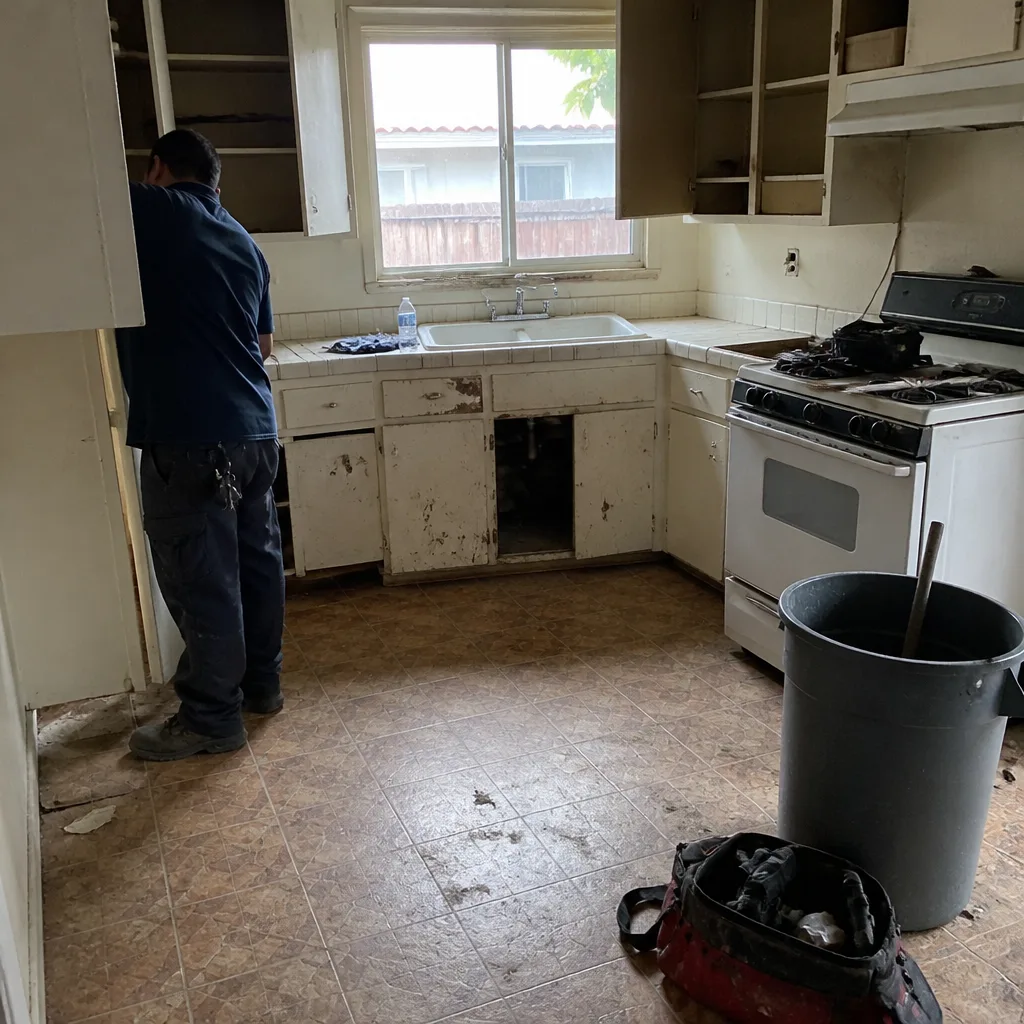 Before
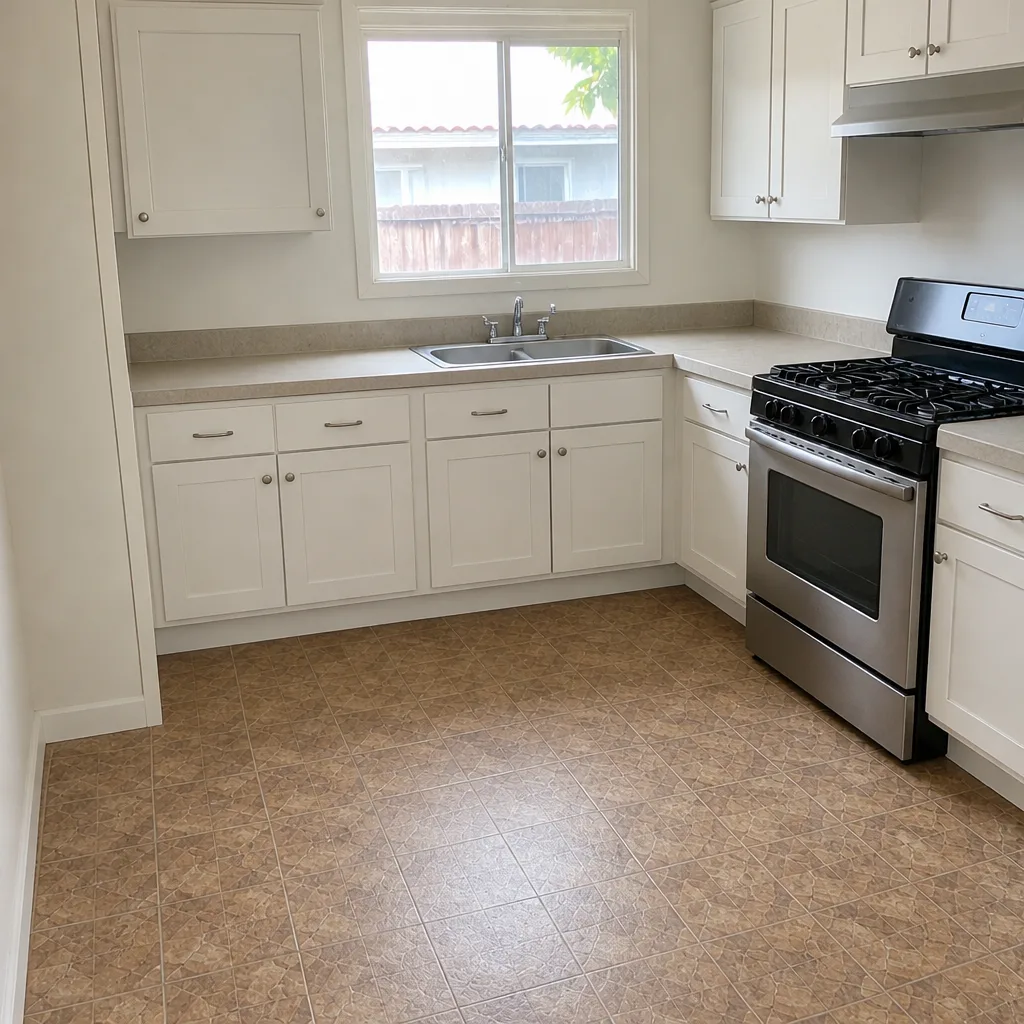 After
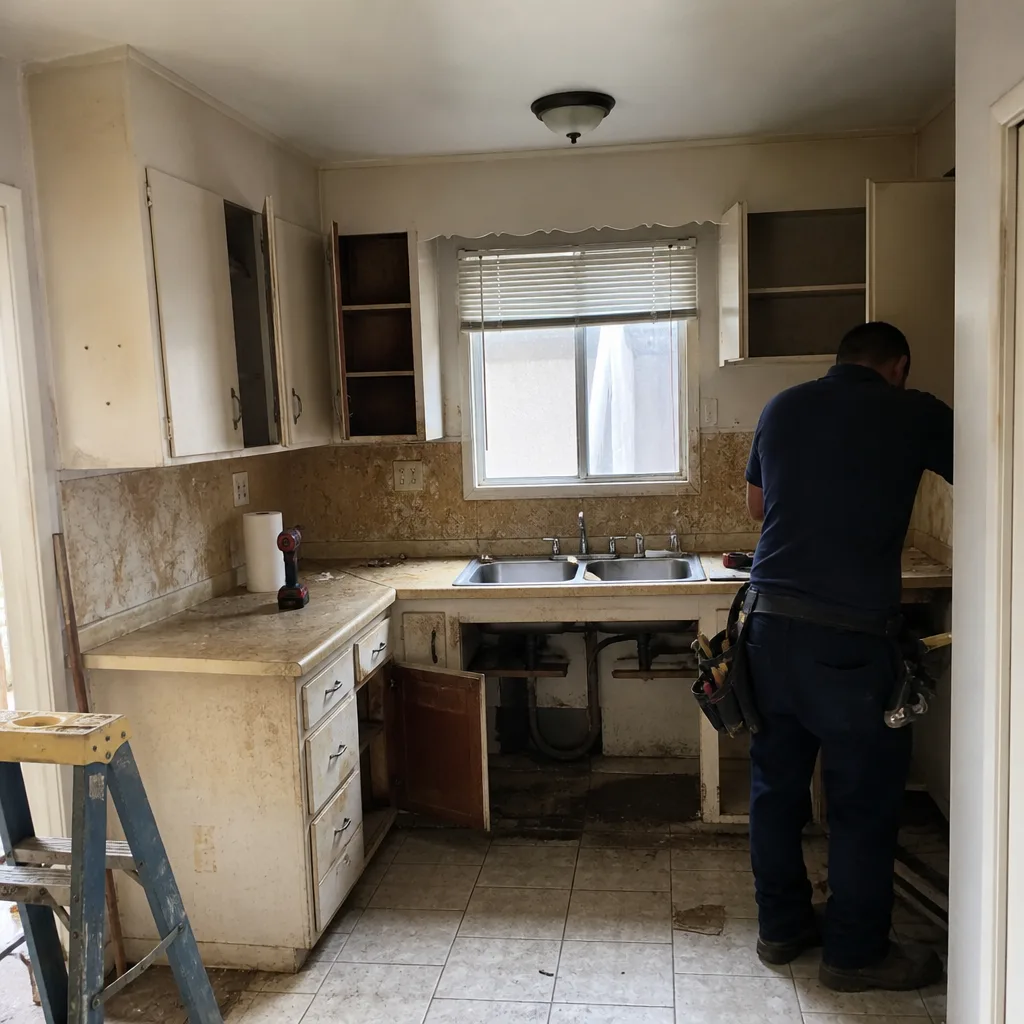 Before
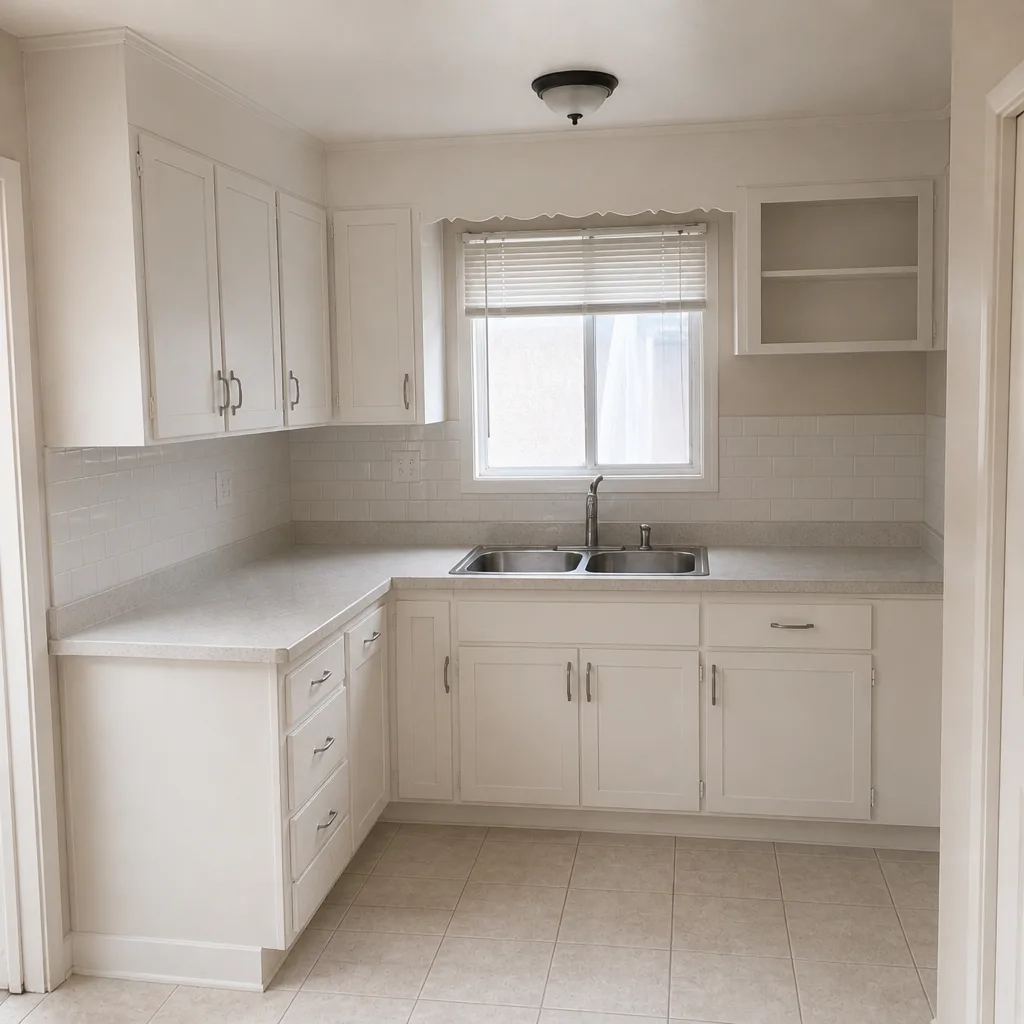 After
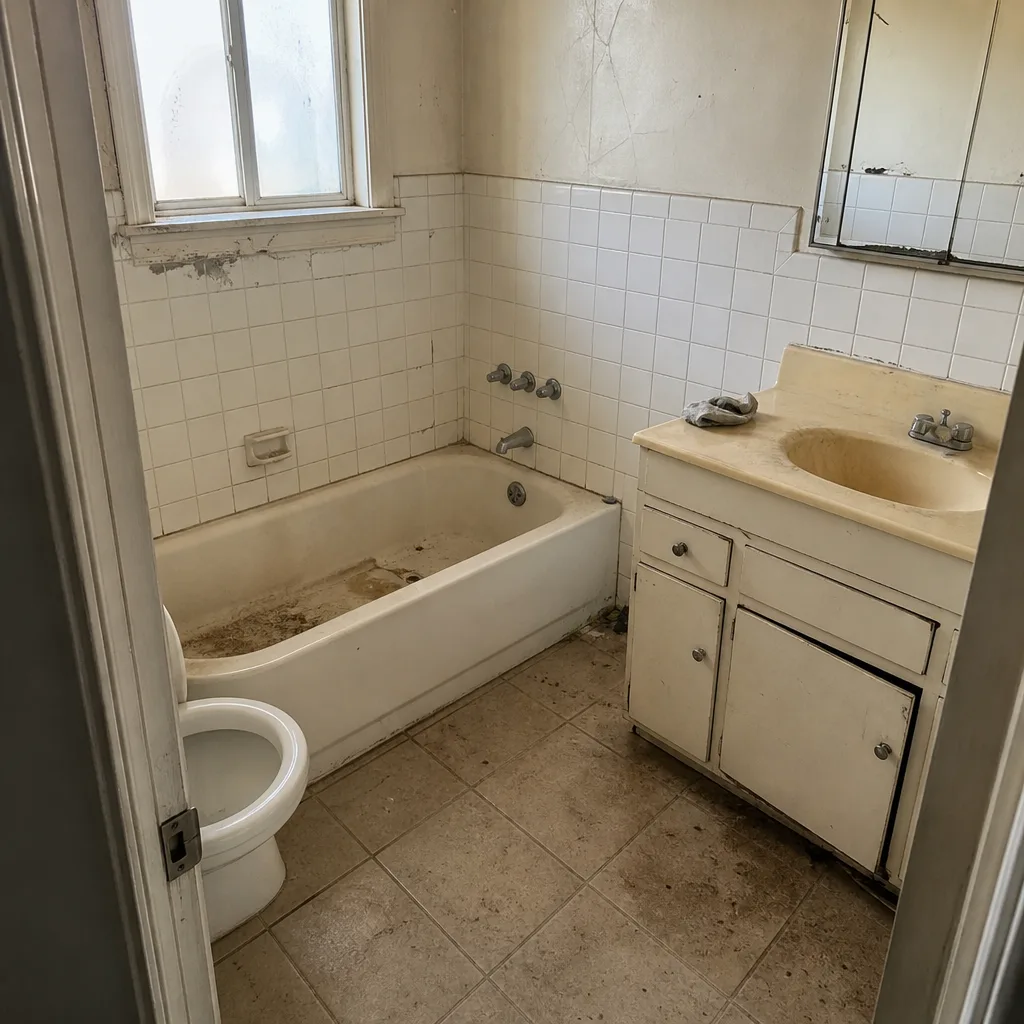 Before
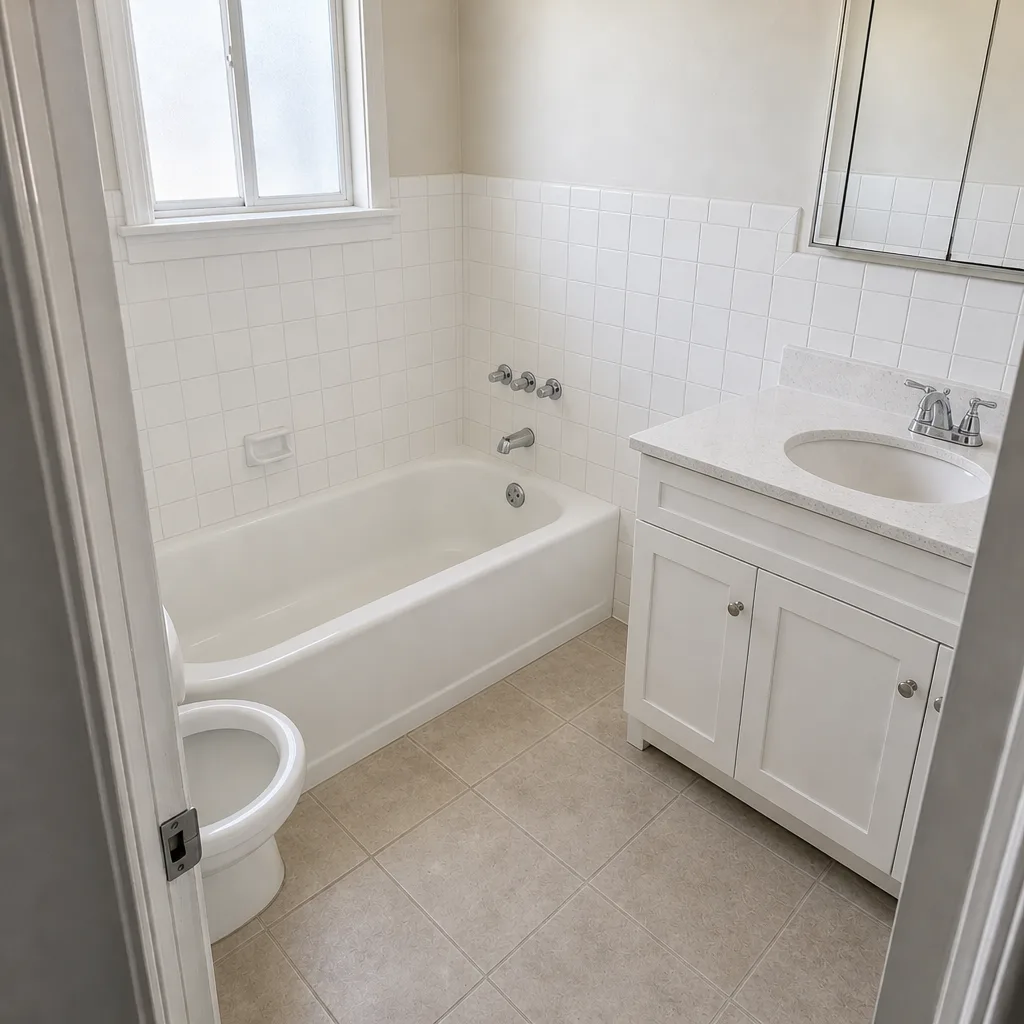 After
When to Call a Professional
Call a professional when the task involves glass handling, frame repair, or anything where a mistake means water in the wall. Specifically: any fogged insulated glass unit (seal failure means replacement, not cleaning); a wood frame with rot or failing paint film at the sill or lower corners; a door or window that no longer closes true despite adjustment; any caulk joint where water is getting behind the cladding; and any drainage problem that persists after the weep holes are cleared. These are jobs where diagnosis matters more than elbow grease. Rowan Construction Group Garden Grove offers free estimates in Garden Grove; call (888) 303-8980 to schedule yours. Every quote is a flat written price with a written scope before any work starts, so you know the number before anyone picks up a tool. If you’d rather start with the contract side, our team can walk you through how the whole exterior fits together on our Rowan Construction Group Garden Grove home page.
Frequently Asked Questions
Replace weatherstripping every 5 to 7 years, and sooner on sunny south or west exposures, where UV in Garden Grove can cut that to 4 years. Check compression with a dollar bill at the top, middle, and bottom of the door each spring and fall; if the bill slides out with no drag, the seal is gone. Call (888) 303-8980 for an exact assessment; estimates are free.
Use a dry silicone spray on vinyl and rubber tracks and weatherstrips, paste wax on wood tracks, and light oil (3-in-1) on metal hinges. Never use standard WD-40 or grease on vinyl tracks; both attract grit that grinds the track and rollers, and WD-40 degrades rubber over repeat use.
Fogging or a hazy white film between the two panes that never clears means the insulating glass unit seal failed, usually at 10 to 20 years. South and west facing windows in Garden Grove tend to fail first. A failed unit needs replacement, not cleaning; call (888) 303-8980 for a free estimate on the fix.
Use a paintable, flexible exterior caulk rated for masonry, typically an acrylic-urethane blend, on the window-to-stucco joint. It bonds well, flexes with temperature swings, and takes paint, which silicone won’t. Cut out the old caulk fully, clean and dry the joint, then apply.
Hard water mineral deposits and grit from the sliding sash build up in the weep holes and block drainage, which is common in Garden Grove’s water. Clean them every spring with a soft brush and a mild descaler, not a metal pick. If they still hold water after cleaning, the channel is blocked deeper and a technician should diagnose it.
Insulating glass units typically last 10 to 20 years before the perimeter seal fails. In Garden Grove’s high-UV climate, expect the lower end on south and west elevations. When a matched set fails at once and the frames are still sound, replacement of the glass units is usually more economical than replacement of the whole window; call (888) 303-8980 and we’ll walk you through the written options.
The Bottom Line
Window and door maintenance isn’t about a calendar; it’s about knowing how long each part lasts and checking it before it fails. Weatherstripping goes at 5 to 7 years, insulating glass seals at 10 to 20, and hardware wears by use. In Garden Grove, strong UV and hard water push weatherstrip and weep-hole maintenance to the front of the list. Do the spring and fall passes, use the right lubricant for the material, re-caulk failed joints, and do the 10-year inspection. That schedule protects the envelope and keeps cooling bills down. If a task turns into a diagnosis, call (888) 303-8980 for a free estimate from Rowan Construction Group Garden Grove.
Written by the team at Rowan Construction Group Garden Grove.