Last updated November 17, 2026





Free written scope consultation - allowances, timeline, and change-order rules on paper before a single trade is scheduled
Seasonal Construction Care for Garden Grove: Year-Round Homeowner’s Guide
Garden Grove averages only about 13 inches of rain a year, and almost none of it falls between April and October. That sounds like good news for a house. It isn’t. Eight dry months let stucco cracks widen, caulk joints harden, and roof fasteners work loose, and then the first real storm of November hits a building that hasn’t been looked at since spring. Water intrusion calls in Garden Grove don’t rise gradually across the calendar. They spike. The same thing happens on the heat side: a UV index that runs 7 to 9 from June through September cooks sealants, paint, and caulk on the south and west faces of every home here. This guide is built around those two pressure windows, not four tidy seasons, and it will show you what to check, when to check it, and how to record what you find.
Quick Answer
Seasonal construction care in Garden Grove works best as a two-window calendar, not a four-season one: a pre-rain window in September and October (clear downspouts, seal stucco cracks, inspect subarea vents and roof flashing) and a post-heat recovery window in August and September (re-seal caulk and paint on sun-facing walls, check fence post anchors and roofing fasteners after Santa Ana winds). Homes here usually need a professional roof and envelope inspection every two to three years, plus a documented condition log with dated photos so any future warranty claim has evidence behind it.
Styles & brands we work with
- Kitchen remodeling
- Bathroom remodeling
- Home additions & ADU
- Roofing
- Windows & doors
- Driveway & pavers
- Fence
Table of Contents
- Why Garden Grove Needs Two Pressure Windows, Not Four Seasons
- The Pre-Rain Window: September and October Checklist
- The Post-Heat Window: Recovering from Peak UV and Santa Ana Winds
- The Five Exterior Components Garden Grove’s UV Hits Hardest
- What Santa Ana Winds Do to Roofs, Flashing, and Fences
- How to Keep a One-Page Condition Log with Dated Photos
- Trade-by-Trade Seasonal Notes for Garden Grove Homes
- Common Mistakes to Avoid
Why Garden Grove Needs Two Pressure Windows, Not Four Seasons
Most seasonal maintenance advice is written for a climate with four distinct seasons and steady moisture. Garden Grove doesn’t have that. What it has is a long dry stretch followed by concentrated rain, and a summer sun that sits high and hard for months. The building envelope responds to those two events, not to the calendar’s labels. That’s the entire logic behind a two-window care plan.
Think about what happens to a hairline crack in stucco over a Garden Grove summer. Thermal expansion during the day, contraction at night, repeated across ninety-plus days, opens it a little more each week. A quarter-inch crack that was cosmetic in May can channel water behind the weep screed by December. Same story with roof fasteners: heat cycling loosens them gradually, and then a Santa Ana wind event finishes the job in an afternoon.
The two windows are:
- Pre-rain window (September through October): everything that has to be watertight before the first significant storm. Downspouts, stucco, flashing, subarea vents, roof penetrations.
- Post-heat window (August through September): everything the sun and wind have stressed. Caulk, paint, sealants, fence anchors, roofing fasteners, window and door weatherstripping.
Notice those overlap in September. That’s not a mistake in the plan; it’s the reality of the climate. September is the single most productive month on a Garden Grove homeowner’s calendar, because it’s the one moment when you’re both repairing heat damage and preparing for rain. If you do nothing else all year, do the September inspection.
In our experience walking Garden Grove homes from the older tracts near Historic Main Street to the newer builds off Brookhurst, the pattern repeats: houses that get a September inspection every year have far fewer November surprises than houses that don’t, and the difference shows up in repair costs, not just in stress.
The Pre-Rain Window: September and October Checklist
This is the checklist that matters most in Garden Grove, because this is where the water comes from. Work through it in order, and photograph each item as you go.
- Clear every downspout and gutter run. Garden Grove’s dry months collect leaf litter, dust, and palm frond debris that hardens into a plug. A plugged downspout during a November storm sends water down the stucco face and into the foundation planting, not away from the house. Flush with a hose and confirm water exits at the splash block, not at a joint.
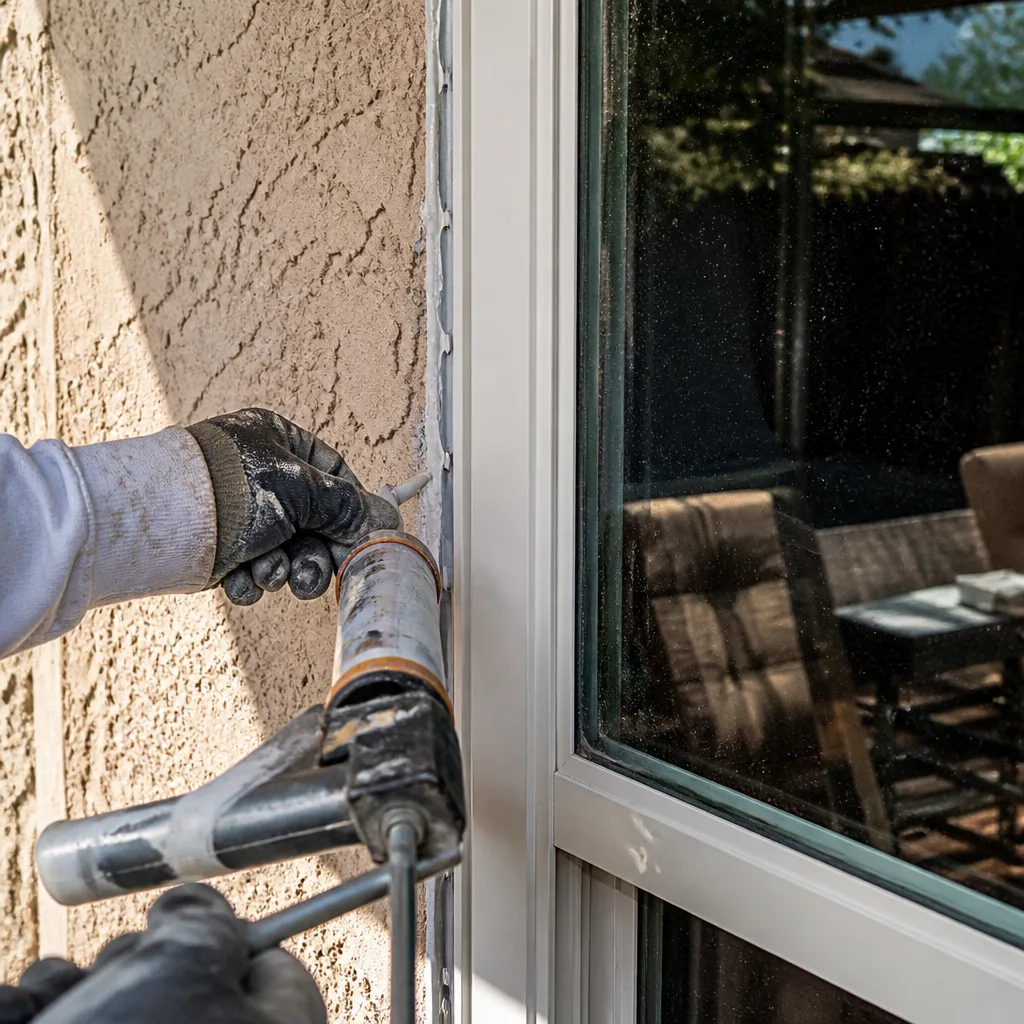
- Seal stucco cracks with an elastomeric polyurethane sealant. Quikrete Polyurethane Non-Sag Sealant or an equivalent product is the right choice here, because it moves with the wall instead of cracking again. Clean the crack, prime if the product calls for it, and tool the bead so it bonds to both edges. Don’t fill hairline cracks with paint; it will fail by February.
- Inspect subarea vents and the crawlspace perimeter. Check that foundation vents are open, unobstructed, and screened. Look for staining or efflorescence on the stem wall, which tells you water has been getting in. If you see standing water or soft framing in the subarea, stop and call a professional; that’s not a homeowner job.
- Check roof flashing at every penetration and transition. Valleys, chimney and vent-pipe boots, and the wall-to-roof junction are where water finds a way in. Look for lifted or cracked sealant, rusted nails backing out, and shingle edges that no longer sit flat. This is a visual check only, done from the ground with binoculars.
- Test window and door seals. Run a hand along the interior frame on a windy day or use a smoke pencil. Any draft means the weatherstripping or the exterior sealant joint is compromised before the rain arrives.
- Drain and check irrigation and hose bibs. Confirm that sprinkler heads aren’t spraying the stucco or the base of the fence, both of which accelerate rot and paint failure.
One note on safety: roof work is genuinely dangerous, and the flashing and fastener checks in this guide are meant to be done with binoculars from the ground or left to a trained professional. We don’t recommend anyone walk a Garden Grove roof, especially a tile or older shingle roof, to chase a repair.
The Post-Heat Window: Recovering from Peak UV and Santa Ana Winds
By late August, a Garden Grove house has taken about ninety days of hard sun and, most years, at least one Santa Ana wind event. This second window is about recovery. It’s also the window most homeowners skip, because nothing is leaking yet.
Start with the sun-facing surfaces: the south and west elevations. These get the most UV and fail first. Walk the perimeter and look for:
- Chalky or faded paint on stucco and trim, which means the coating has given up its binder and is no longer protecting the substrate.
- Caulk joints that have pulled away at window frames, door frames, and corner boards. Re-caulk with a paintable exterior polyurethane, not silicone, if the joint will be painted.
- Brittle or cracked weatherstripping on windows and doors. If it crumbles when you touch it, it’s finished.
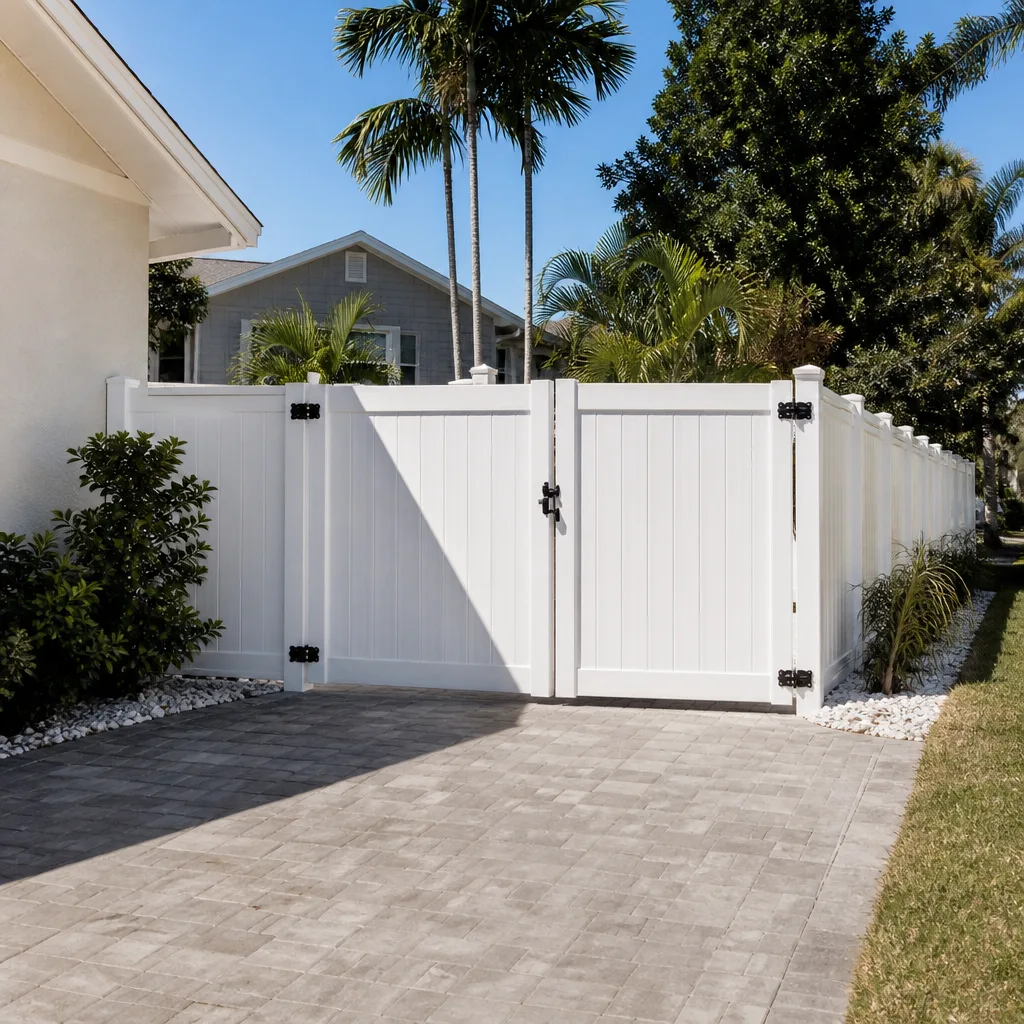
- Loose fence post anchors and wobbly posts. A Santa Ana gust loads a fence like a sail. Posts set in soil that has dried and shrunk move more than posts in compacted ground. Check plumb with a level and look for gaps at the base.
- Roofing fasteners and ridge caps that shifted during wind. From the ground, look for lifted ridge shingles or anything that looks out of plane.
If a post is loose or a ridge cap has lifted, that’s professional territory. A fence post that’s only slightly out of plumb is a repair; a post that’s pulled out of its footing is a rebuild, and a ridge cap that’s already loose is one gust from a leak. Call a pro rather than improvising on a ladder. If you’re weighing a repair against a full replacement, our Fence Installation in Garden Grove page walks through how we assess that.
The Five Exterior Components Garden Grove’s UV Hits Hardest
Garden Grove’s UV index averages 7 to 9 from June through September, which is strong enough to break down most exterior coatings faster than homeowners expect. These are the five components that fail first, and the products and intervals that hold up in this climate.
- Stucco and its paint finish. Elastomeric exterior paint holds up best here; a quality acrylic or elastomeric coating on south- and west-facing stucco typically wants a recoat every 7 to 10 years in Garden Grove, versus 10 to 12 in milder coastal areas. Look for chalking and fading starting around year six.
- Caulk and sealant joints. Exterior polyurethane sealant at windows, doors, and penetrations typically needs replacement every 3 to 5 years on sun-facing walls. This is the highest-frequency item on the list and the cheapest to stay ahead of.
- Window frames and weatherstripping. Vinyl and wood frames both take UV; the rubber seals inside them dry out first. If your windows are older, this is where a replacement conversation starts. Our Rowan Construction Group Garden Grove home page covers the window and door options we work with, including Sterling and American Standard lines.
- Roofing materials. Asphalt shingles in Garden Grove’s UV exposure lose their protective granules faster than in cooler markets; granule loss is the signal that replacement is approaching. GAF and Owens Corning shingle systems are what we specify most often here, and a professional inspection every 2 to 3 years will tell you how much life is left.
- Fence and exterior wood. UV breaks down the lignin in wood, which is why an untreated fence goes gray. A penetrating stain or a quality sealer every 2 to 3 years on sun-exposed fence boards slows that considerably.
None of these intervals is a guess. They come from what we see on Garden Grove homes across the city, from the older neighborhoods near Garden Grove Park to newer construction along Chapman Avenue. Houses on lots with less afternoon shade need the shorter end of every range.
What Santa Ana Winds Do to Roofs, Flashing, and Fences
Santa Ana winds are the wild card in any Garden Grove maintenance plan. They arrive fast, they’re dry, and they load every exterior surface with pressure it wasn’t designed to feel. What they do is mechanical, and it compounds what heat cycling has already loosened.
On a roof, wind works on the weakest points first: the ridge caps, the field shingles at the edges, and anything under a lifted edge. Fasteners that have backed out a sixteenth of an inch from thermal cycling during the summer give the wind a place to grab. Flashing at wall transitions and penetrations is the second most vulnerable spot; a lifted flashing edge is a leak waiting for the next rain.
On a fence, wind is a sail problem. A solid-board fence takes far more wind load than a shadowbox or open-rail design, and the load transfers straight down to the post footings. Posts set in clay-heavy or dried soil move more than posts in compacted ground, which is why a Garden Grove fence can look fine in June and be leaning in October.
A proper post-wind visual inspection covers:
- Ridge caps and the top course of shingles, checked from the ground for lift or displacement.
- Every roof penetration (vents, pipes, chimney) for lifted flashing or displaced boots.
- Gutter runs and downspout brackets, which can pull loose and drop.
- Fence line plumb and post base condition, panel by panel.
- Window and door operation, since racking can show up as a sticky sash or a door that no longer latches.
- Any tree limbs now in contact with the roof or siding.
Photograph anything you find, dated, even if it looks minor. That record is what a contractor will use to assess the scope, and it’s exactly what you’ll want if a warranty claim is ever in play.
How to Keep a One-Page Condition Log with Dated Photos
A condition log is the single most useful habit in this guide, and almost nobody keeps one. It’s simple: a dated record of what you checked, what you found, and what you did. When a warranty claim comes up, or when you’re selling a Garden Grove home, a log with photos is evidence; a memory is not. Keep it to one page per year so it actually gets maintained.
- Create a simple tracker. A dated entry for each inspection, with columns for component, condition, action taken, and photo reference. A spreadsheet or a notes app works fine.
- Photograph on every walk. Same angle every time: front elevation, south elevation, west elevation, roof line (from the ground), fence line. Date-stamp them. Ten photos per inspection is enough.
- Note condition in plain terms, not feelings. Write “quarter-inch stucco crack at southwest corner of the garage wall, sealed with polyurethane” rather than “wall looked OK.” The specific record is what future-you needs.
- Keep the receipts and product names. Which sealant, which paint, which date. If a product fails early, the receipt is your recourse.
- Store it with the home’s other documents. Warranty paperwork, contractor invoices, and the log live together.
We include a documented photo record on every visit as standard, not an add-on, because the same format is what makes a condition log hold up. If a crew is inspecting your Garden Grove home, ask for the dated photos; you should get them without asking.
Trade-by-Trade Seasonal Notes for Garden Grove Homes
Each trade on a home has its own seasonal rhythm. These are the items that matter most in Garden Grove, in the order they typically come up.
Roofing. Pre-rain (September): flashing, boots, and any visible granule loss on the south and west slopes. Post-heat (August): ridge caps and fastener integrity after wind. A professional inspection every 2 to 3 years is the right cadence for most Garden Grove roofs.
Windows and doors. Pre-rain: weatherstripping, exterior sealant joints, and the weep holes on window frames. Post-heat: sash operation and frame condition on sun-facing sides. If you’re considering replacement, brands like American Standard, Toto, and Schluter systems come up in the plumbing and bath side of the conversation; on windows, ask for a written spec sheet before you compare quotes.
Fence and exterior wood. Pre-rain: check for rot at the post base and any loose panels before wind season. Post-heat: stain or seal on the sun-exposed side, and check plumb after Santa Ana events. A fence that’s leaning is a repair-or-rebuild call, and a written quote makes that call easier.
Driveway and hardscape. Pre-rain: clear debris and confirm water drains away from the garage and foundation, not toward it. Post-heat: check for any pavers that have lifted or joints that have washed out. Our Driveway & Pavers in Garden Grove page covers what we look at.
Additions and ADUs. If you’re planning an addition or ADU, the seasonal calendar matters for construction timing, not just maintenance. Dry weather is construction weather in Garden Grove, and a project scoped in the fall can often break ground early in the year. Our Home Additions & ADU in Garden Grove page walks through the process.
Common Mistakes to Avoid
- Treating four seasons as the plan. In Garden Grove, the useful calendar has two pressure windows, not four. If you’re following a generic national maintenance checklist, you’re doing work in the wrong months.
- Skipping the September inspection because nothing is leaking. September is the last dry month before the rain. It’s the single highest-value inspection of the year here, and skipping it is the root of most November water calls.
- Filling stucco cracks with paint or cheap caulk. Garden Grove stucco moves with heat cycling, and a rigid filler will crack again within a season. Use an elastomeric polyurethane sealant made for exterior stucco.
- Cleaning gutters without checking the subarea vents. A clear downspout that dumps water next to a blocked foundation vent is still a water problem. Check both.
- Walking the roof yourself. Roof work is genuinely dangerous, and Garden Grove’s tile and older shingle roofs are not a place for a homeowner with a ladder. Use binoculars from the ground and call a professional for anything you can’t see clearly.
- Not documenting anything. A repair you can’t date or photograph is a repair you can’t prove when a warranty question comes up. The photo log is not optional.
- Ignoring Santa Ana wind damage until the rain finds it. A lifted ridge cap or a pulled flashing edge looks minor in October and leaks in December. Post-wind inspection catches it while the repair is small.
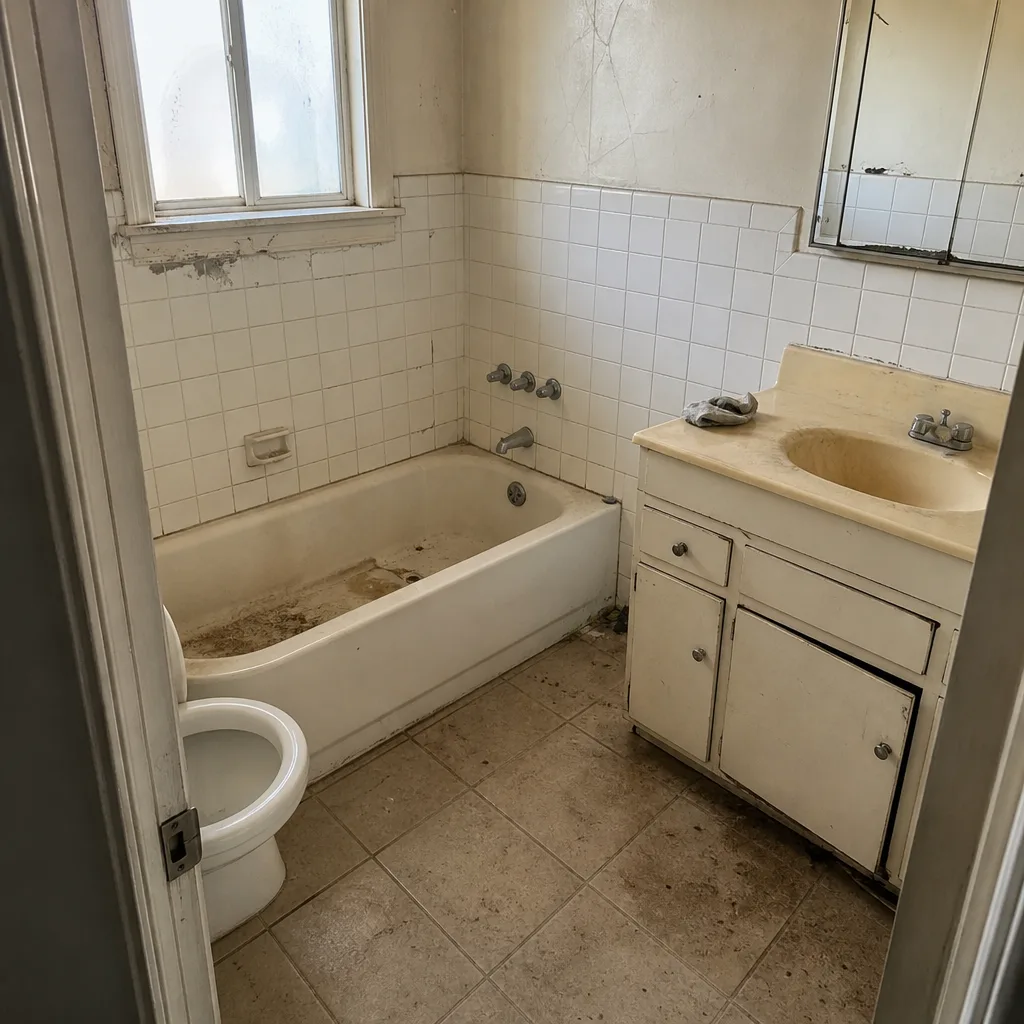
See the difference
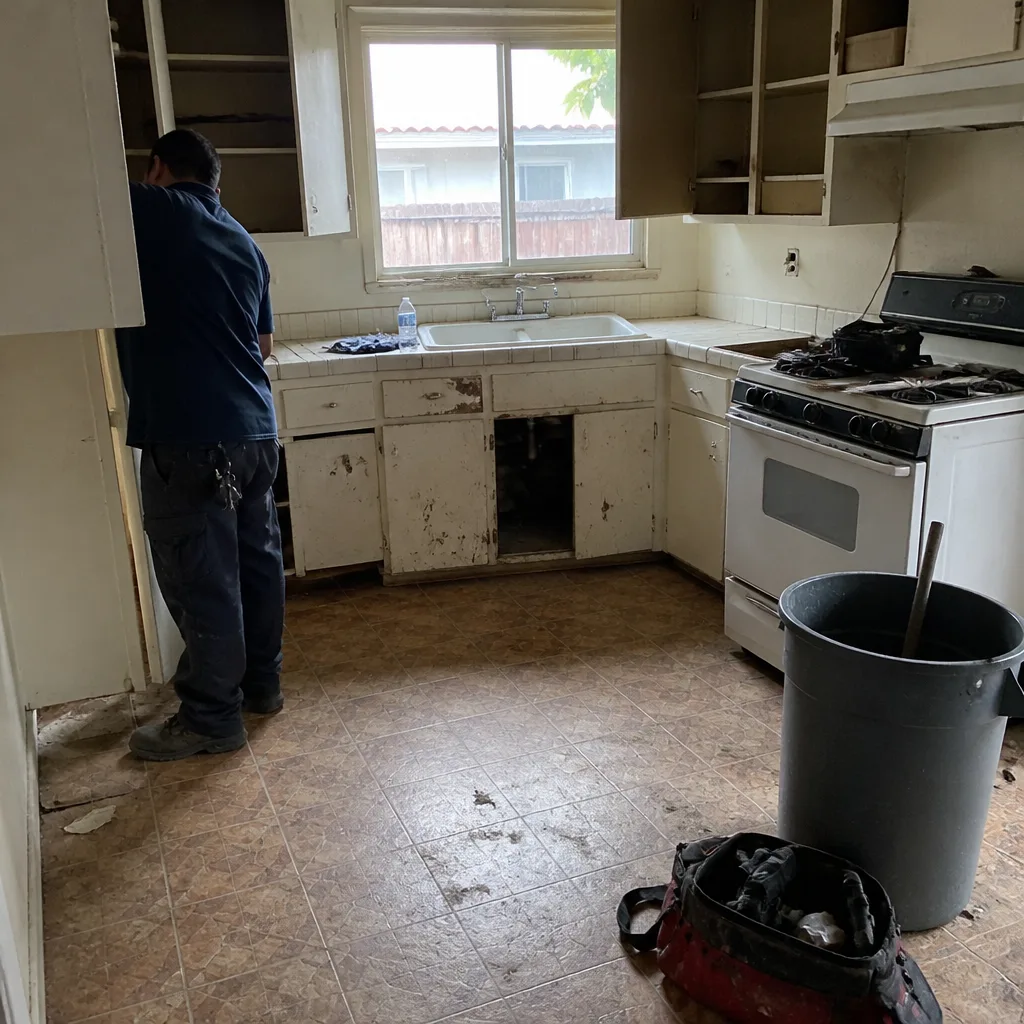 Before
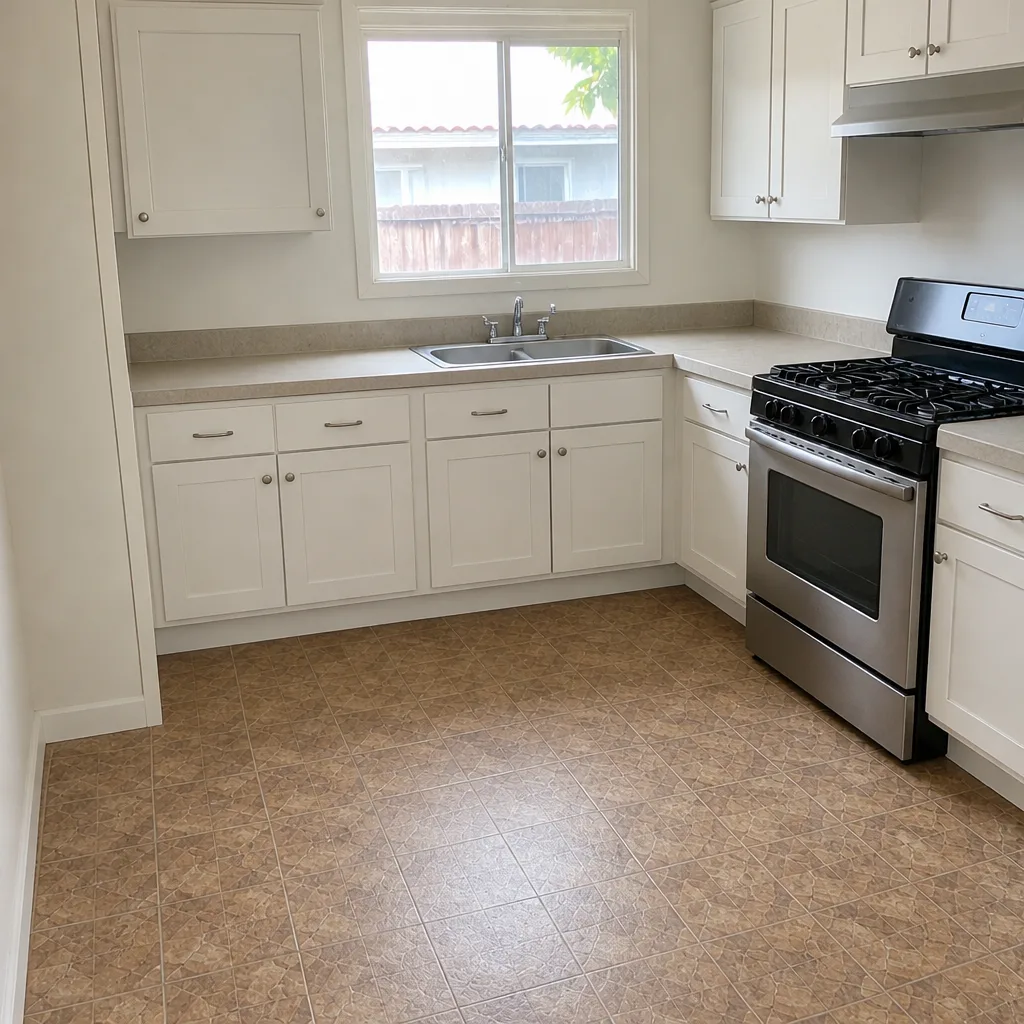 After
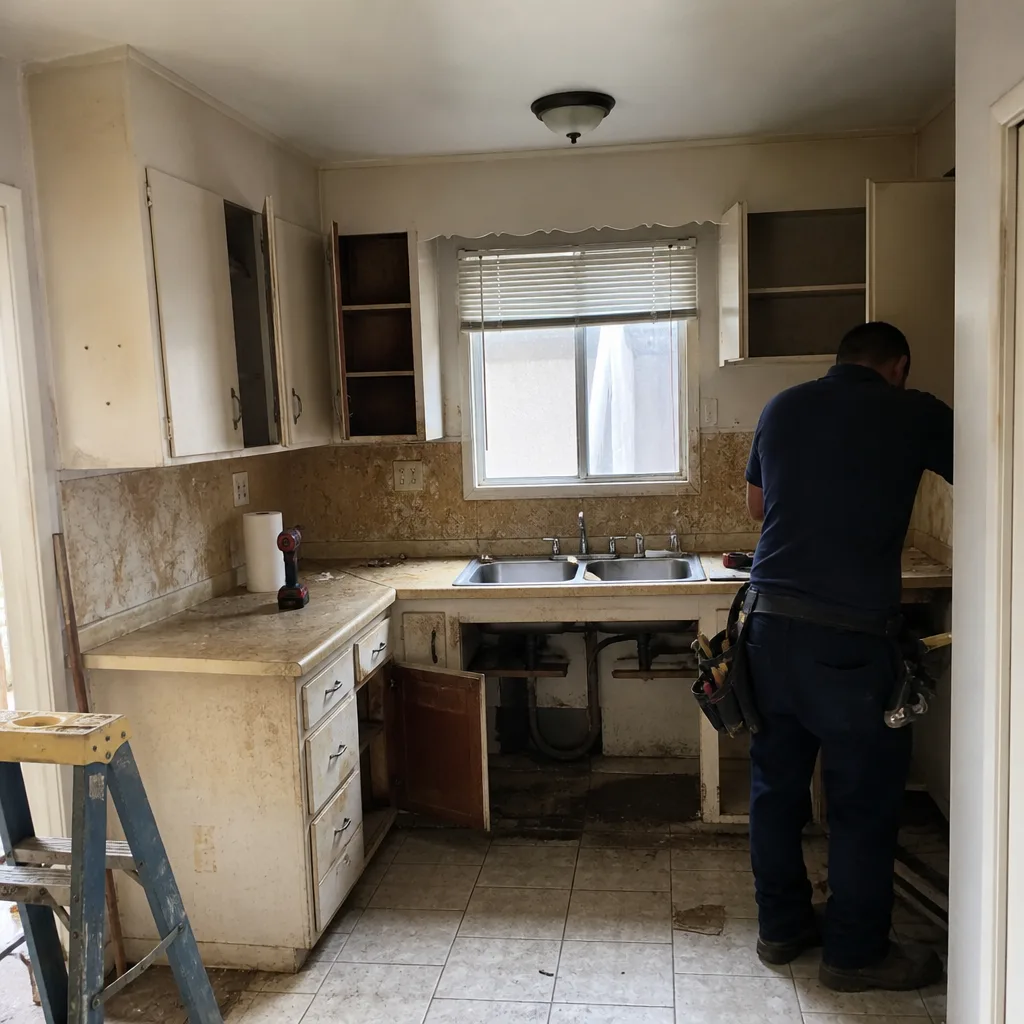 Before
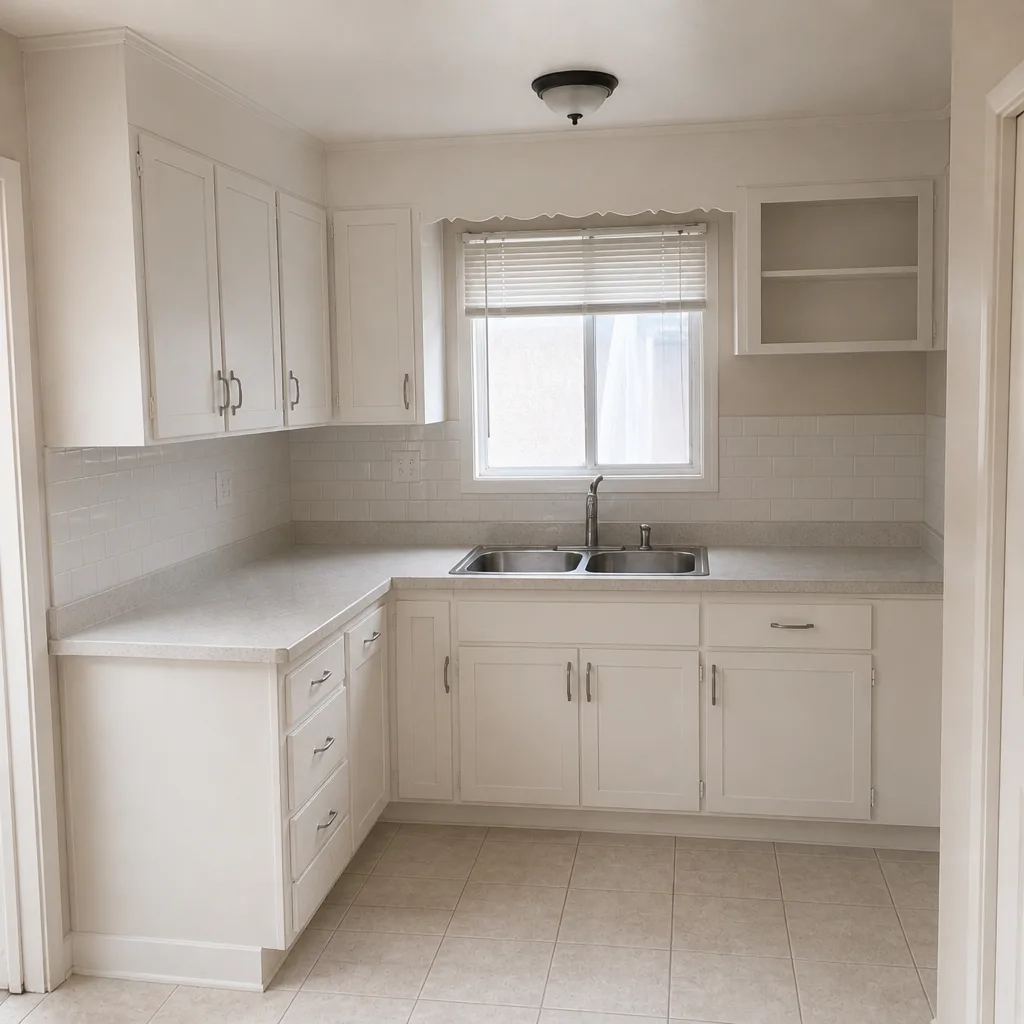 After
 Before
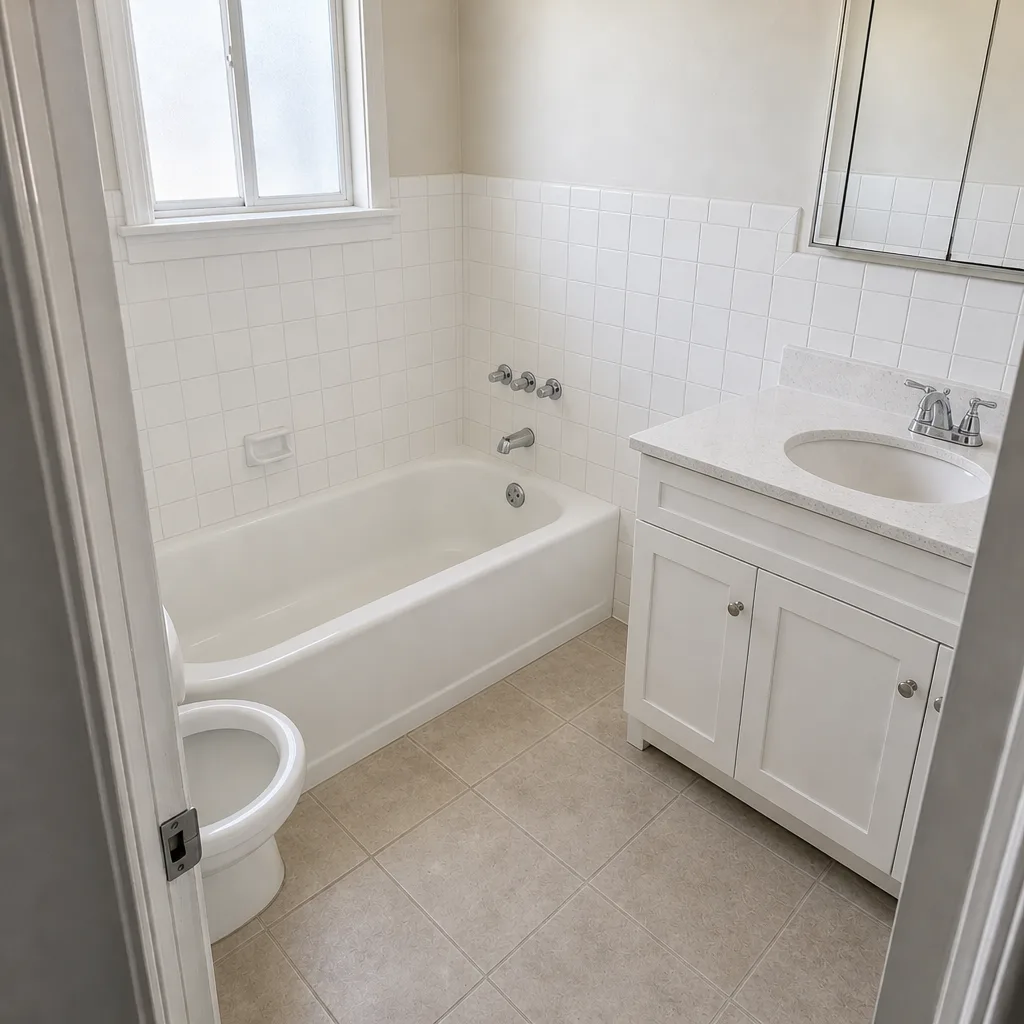 After
When to Call a Professional
Some items on this guide are homeowner checks: flushing a downspout, photographing a wall, re-caulking a window joint you can reach safely from the ground. Others are genuinely professional territory: anything on the roof, any flashing or penetration repair, a fence post that has pulled out of its footing, stucco cracks that are wider than a hairline, subarea framing with water staining, and any window or door that has failed its seal. If you’re not sure which category a finding falls into, that’s the call to make. Rowan Construction Group Garden Grove offers free estimates in Garden Grove, and our technicians have up to 19 years of experience reading exactly these patterns. Call (888) 303-8980 and we’ll walk the exterior with you and put the findings in writing.
Frequently Asked Questions
Twice a year is the right rhythm here: once in September for the pre-rain window and once in late August for post-heat recovery. Add a quick visual check after any Santa Ana wind event. A professional roof and envelope inspection every two to three years catches what a homeowner check can’t. Call (888) 303-8980 to schedule an exterior walkthrough; estimates are free.
Yes, mostly because of UV rather than rain. A UV index that averages 7 to 9 from June through September breaks down shingle granules faster than cooler markets, and the dry months let fasteners loosen. Most Garden Grove roofs want a professional inspection every two to three years to confirm how much life is left. Call (888) 303-8980 for an exterior inspection and a written assessment.
Do a ground-level visual check of the ridge line, roof penetrations, gutter brackets, and fence plumb, and photograph anything that looks displaced. Don’t climb onto the roof to check it yourself. If you find lifted shingles, pulled flashing, or a leaning post, call (888) 303-8980 for a free assessment before the first rain.
Elastomeric exterior paint on stucco, exterior polyurethane sealant on joints, and a penetrating stain or sealer on wood fence boards are the products that hold up best here. GAF and Owens Corning shingle systems are common on Garden Grove roofs, and brands like American Standard and Toto come up on the window and door side. The product matters less than the interval; re-coat on schedule, not on failure.
You can seal hairline cracks you can reach safely from the ground, using an elastomeric polyurethane sealant like Quikrete Polyurethane Non-Sag Sealant or an equivalent. Cracks wider than a hairline, cracks near the roof line, or any crack with staining behind it should go to a professional, because they can indicate water already getting into the wall assembly. Call (888) 303-8980 if you’re not sure which category you’re looking at.
Keep a dated one-page condition log with photos of each elevation and the roof line at the same angles every inspection. Note the product used, the date, and the condition in plain terms. That record is what a contractor or warranty provider will ask for. Every visit from our crew includes a documented photo record as standard, and we’ll help you set up the log format at no charge.
The Bottom Line

Garden Grove doesn’t need a four-season maintenance plan. It needs two windows: September and October for water preparation, and late August for heat and wind recovery, with a quick visual check after any Santa Ana event. Clear the downspouts, seal the stucco with a flexible polyurethane, inspect the vents and flashing, re-caulk the sun-facing walls on schedule, and photograph everything with dates. Do that, keep a one-page log, and the November water calls mostly stop. If you want a second set of eyes on any of it, Rowan Construction Group Garden Grove offers free estimates in Garden Grove. Call (888) 303-8980, and we’ll put the findings and the price in writing before anyone picks up a tool.
Written by the team at Rowan Construction Group Garden Grove.