Last updated November 17, 2026






Free written scope consultation - allowances, timeline, and change-order rules on paper before a single trade is scheduled
Driveway & Pavers Warning Signs Every Homeowner Should Know
A paver that rocks under foot pressure is not a loose paver problem. It is a bedding sand void problem, and voids in bedding sand mean water is moving through your base, which means you have weeks, not years, before that section fails. We have pulled up sections of Garden Grove driveways where the surface looked fine from the sidewalk and the base underneath had turned to soup. The warning signs that matter split into two groups: cosmetic issues with years of runway, and base or drainage failures that need attention within one season. This guide teaches you to tell them apart using physical evidence, so you spend on the repair you actually need.
Quick Answer
Driveway paver warning signs fall into two categories. Cosmetic issues like surface staining, minor color fade, and isolated chips have years before they become structural. Base or drainage failures, including rocking pavers, sand voids at the joints, edge restraint movement, and low spots that hold water, need attention within one season before the section has to be rebuilt entirely. Test with your feet, a probe, and a hose after rain, then document what you find with dated photos and measurements.
Styles & brands we work with
- Kitchen remodeling
- Bathroom remodeling
- Home additions & ADU
- Roofing
- Windows & doors
- Driveway & pavers
- Fence
Table of Contents
- The four physical tests that separate cosmetic from structural
- Staining catalog: oil, efflorescence, algae, and rust bleed
- How to tell cosmetic settlement from active drainage failure
- Tree roots and edge restraint: the Orange County root threat
- How to document warning signs over two to three months
- When to call a professional
- Frequently asked questions
The Four Physical Tests That Separate Cosmetic From Structural
Before you look at stains or color, run your hands and feet over the surface. Four tests take about fifteen minutes and tell you which category of problem you have. Do all four in the same visit so you are comparing the same conditions.
- The step test (rocking). Walk the full driveway with your weight on the ball of one foot, heel lifted, so you are loading each paver individually. A paver that shifts or clicks under load has lost bedding sand support. Rocking is a base-failure indicator, not a surface issue, and warrants inspection within weeks.
- The visual scan (lippage). Crouch at one end and sight down the surface at a low angle, ideally in raking morning light. Lippage is a height difference between adjacent pavers. Consistent lippage across a large area means the base has settled unevenly. Isolated lippage near the edge or a tree is more localized.
- The joint test (sand depth). Push a thin probe or a stiff piece of wire into a joint between pavers. Joint sand should sit within about 3/8 inch of the paver surface. If the probe drops past half an inch with almost no resistance, the joint sand has washed out and water is entering the bedding layer directly.
- The edge test (restraint movement). Press firmly against the edge restraint, the metal or plastic lip that holds the outer course of pavers. It should not move. A restraint that walks out of line or lifts is allowing the whole field to spread, and spread edges lead to joint failure and rocking within a season.
In our experience across Garden Grove and the surrounding neighborhoods, a rocking paver plus a soft joint near the same spot is a reliable sign of a void under that section. A single soft joint with no rocking is often a sand-washout that can be addressed with joint sand and edge maintenance. The combination of tests matters more than any one result. If you want a second set of eyes on what the tests reveal, Driveway & Pavers in Garden Grove covers what a written scope looks like for each repair category.
Staining Catalog: Oil, Efflorescence, Algae, and Rust Bleed
Not every stain means danger. Each type of staining on a paver driveway comes from a different source, has a different urgency, and responds to a different treatment. Here is how to identify each one and what it tells you about the condition underneath.
- Oil stains. Dark, irregular, slightly glossy patches usually concentrated where cars park. These are cosmetic. They sit on the surface and do not indicate base damage. They can often be lifted with a poultice of absorbent powder and solvent, but do not represent structural risk.
- Efflorescence. A white, powdery bloom that appears on the surface as moisture migrates through the paver and deposits soluble salts when it evaporates. Moderate efflorescence is common in Southern California after a wet winter and is cosmetic. However, heavy recurring efflorescence in the same spot can indicate water is being driven up through the base from below, which is a drainage signal worth investigating.
- Algae and mold. Green or black film, usually on shaded sections, north-facing slopes, or under trees. Frequently a sign of poor drainage and standing moisture. On a driveway, persistent algae along a low spot is worth watching because it tells you water is not draining away.
- Rust bleed from rebar. Orange-brown streaks spreading outward from a joint or crack. If the base was reinforced with rebar or wire mesh tied with steel, corrosion can bleed upward through the pavers as water reaches the steel. This is the most concerning of the four because it means water has been reaching the reinforcement for some time. A rust stain in a paver field calls for inspection of the base rather than surface cleaning.
One useful distinction: efflorescence and algae usually follow moisture, so where you see them tells you where water is going. A rust stain tells you where water has already been. Photograph the stain, note the date, and watch whether it returns after cleaning. That pattern is diagnostic data for a contractor.
How to Tell Cosmetic Settlement From Active Drainage Failure
A low spot in the driveway is one of the most misread signs on the whole property. Every driveway settles a little, especially on new construction, and some depressions are cosmetic. Others are the visible mouth of an active drainage failure that is washing out the base from underneath. The water test after rain tells you which.
- Watch after a real rain, not during. Wait 24 to 48 hours after the rain stops. Cosmetic settlement leaves a shallow depression that dries from the edges inward at the same rate as the rest of the driveway. Active drainage failure leaves a low spot that stays damp long after the surrounding pavers have dried, or that refills with water when the ground is still saturated.
- Note where the water went. Ideally, water should sheet off the surface and into a drain, swale, or the street. If you see water pooling against the edge restraint, running along the foundation, or disappearing into a joint rather than draining off, the base is receiving water it cannot shed.
- Check for sediment on the surface. Fine sand or soil collecting in one spot after rain is base material migrating up through the joints. That is an active failure, not cosmetic settlement.
- Look at the surrounding pavers. If the low spot is surrounded by rocking pavers, the void below it is spreading. If the surrounding pavers are solid, the depression is more likely isolated settlement that can be addressed with a local reset.
Garden Grove’s soils and winter rain pattern make this test especially useful. We regularly see water reaching the base through joint sand that washed out over a dry summer and then caused the failure the following wet season. A low spot that held water all winter is not going to fix itself by spring; it will need draining or the section will need to be reset. If you want to formalize the check, a Rowan Construction Group Garden Grove home visit can include a documented photo record of the drainage path so you have a baseline before the next rainy season.
Tree Roots and Edge Restraint: The Orange County Root Threat
Trees and driveways share water and space, and eventually the tree wins unless the root relationship is understood. In Garden Grove, we see root-related paver damage most often with mature ficus, eucalyptus, and sycamore trees, but any tree with a large spreading root system near a driveway edge is a candidate. Here is the rule of thumb for when a root begins to threaten base integrity.
- Root diameter. A root larger than about 2 inches across, crossing under the driveway at a shallow depth, can lift or displace pavers as it grows. Roots smaller than that are usually flexible enough to be pressed aside by paver base, though they can still find and follow a void.
- Distance from edge restraint. The closer the trunk is to the edge restraint, the faster a root will reach the base. A tree trunk within 10 to 15 feet of the driveway edge is worth watching, particularly if the soil drains poorly. Under about 5 feet, root movement is nearly certain over time.
- Species and soil. Fast-growing species push roots closer to the surface. Orange County’s clay-heavy soils, common in parts of Garden Grove and Westminster, encourage shallow lateral rooting because water pools near the surface. That puts roots directly in the depth band where paver base sits.
- What to watch for. A row of pavers lifting in a line that points toward a tree trunk, joint sand pushed out along that line, or the edge restraint bowing outward. Any of these suggests root pressure rather than a general base failure.
If root pressure is the cause, rotating or resetting a few pavers without addressing the root is a temporary fix. The honest conversation with a contractor is about whether the tree can be root-pruned by an arborist, whether a root barrier can be installed, or whether the driveway course needs to be re-laid. If a tree is also pulling up fencing along the same property line, our Fence Installation in Garden Grove page covers how roots interact with post footings and where a barrier makes sense.
How to Document Warning Signs Over Two to Three Months
Most contractors start from a customer description. “It’s been getting worse.” The homeowner’s word is genuine, but description is not data. If you spend two to three months documenting what you see, you can skip the guesswork and hand a contractor a diagnostic file. Here is the method we recommend to Garden Grove homeowners.
- Photograph with a tape measure in frame. For a low spot, lay a straightedge across the depression and measure the gap with a tape, with the tape visible in the photo. For a lifted paver, place the tape against the highest edge. A photo with a number in it is evidence; a photo without one is an impression.
- Timestamp every photo. Most phone cameras stamp automatically; leave location services on so the metadata records where the shot was taken. If you clean or sweep a stain, photograph it before and after on the same day.
- Mark the test results on a simple sketch. Draw the driveway outline on paper and mark each spot where you found rocking, soft joints, or a low spot. Date the sketch. A count of rocking pavers at week one and week eight is far more useful than either alone.
- Log the water behavior after each measurable rain. Note inches of rain, hours before the low spot dried, and where the water drained or pooled. Three or four entries give a contractor a clear picture of whether the drainage issue is active or seasonal.
- Keep receipts and documentation from any prior work. If a previous contractor sealed the driveway or reset pavers, the date matters. A problem that appears shortly after a seal coat or a repair tells the contractor something about the application.
When we arrive on a second-opinion visit, this file lets us confirm what the evidence shows rather than starting from scratch, and it often shortens the written scope. Under the Haven Standard, the price is written before any work starts, and the photo record we hand back to you matches the one you assembled.
See the difference
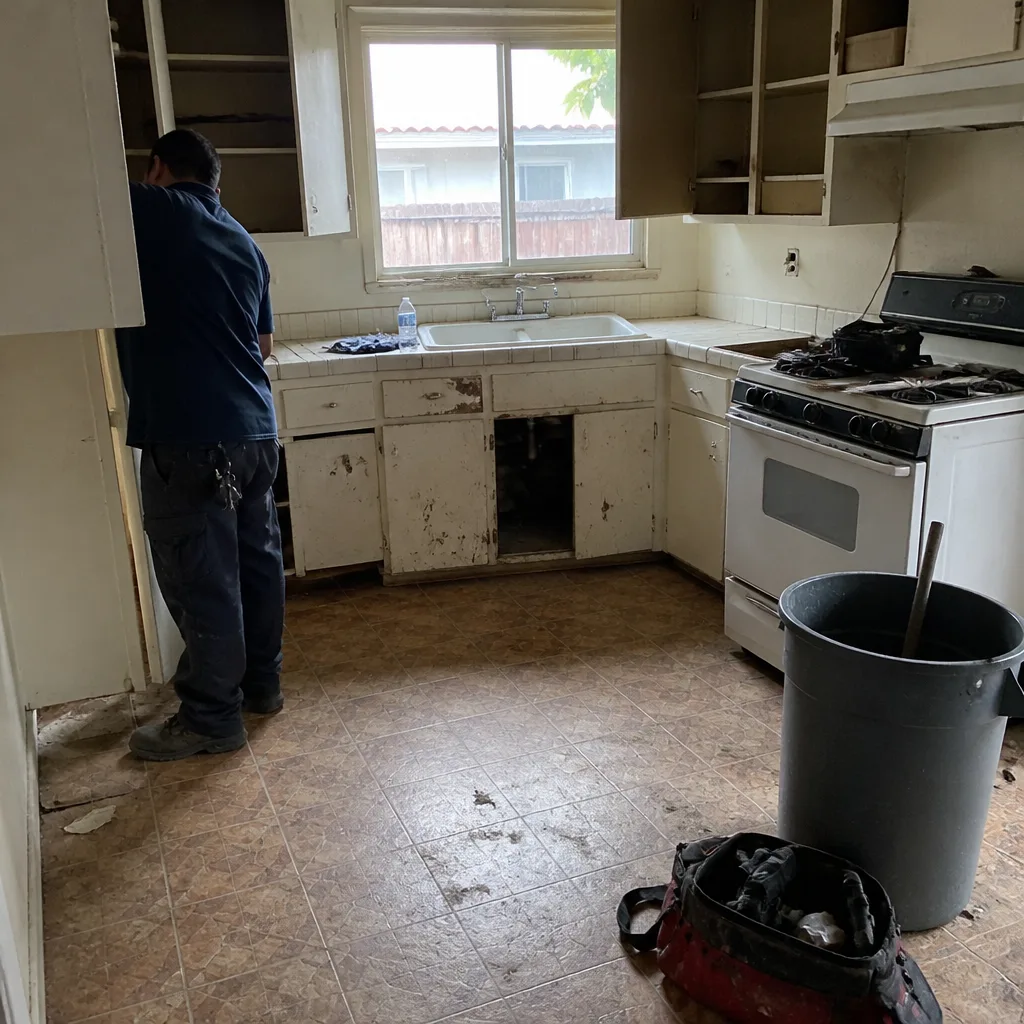 Before
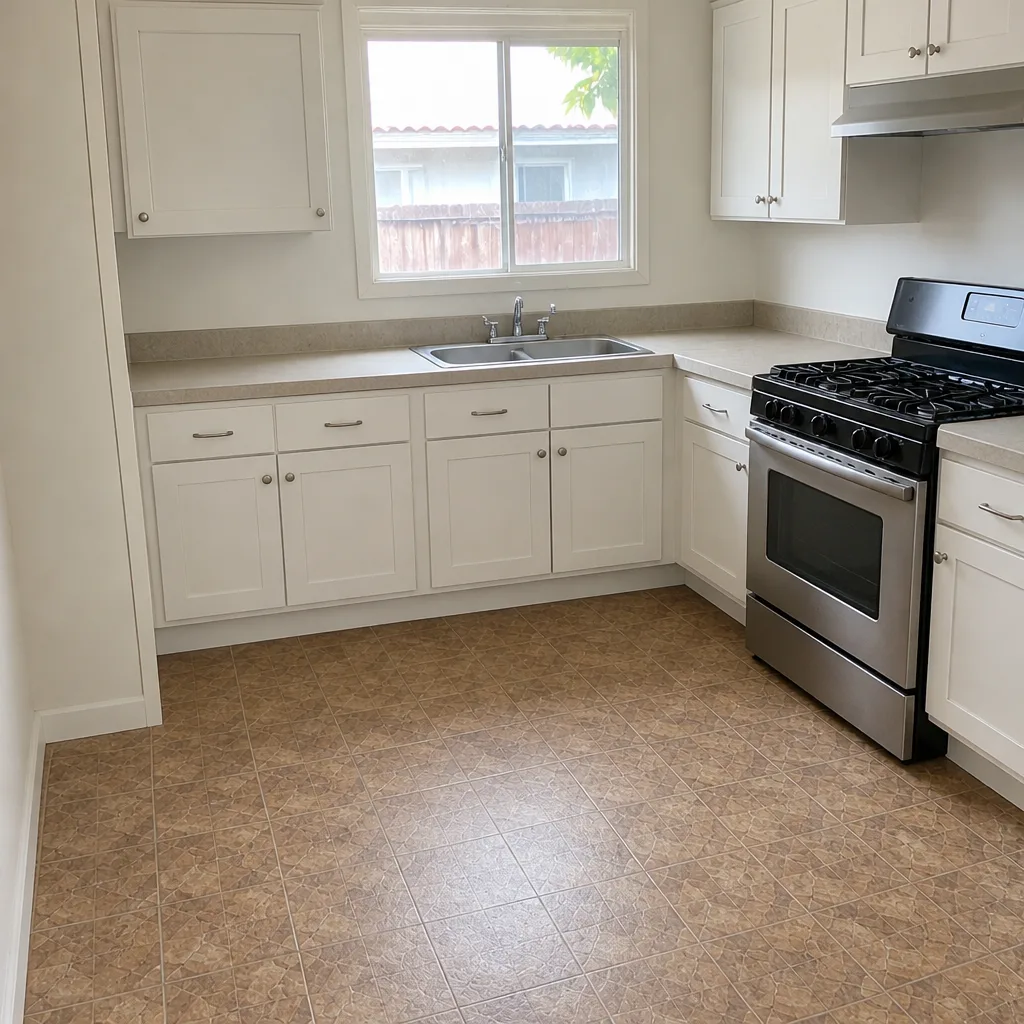 After
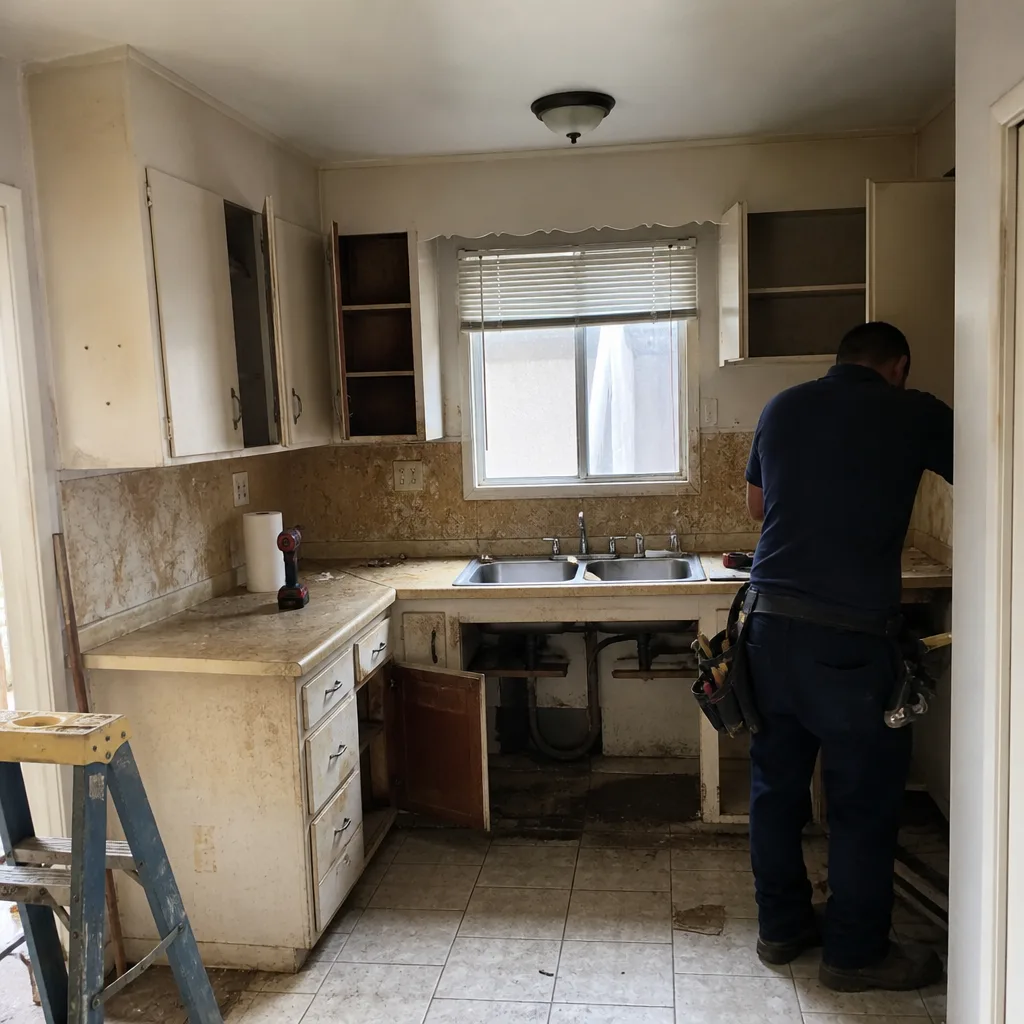 Before
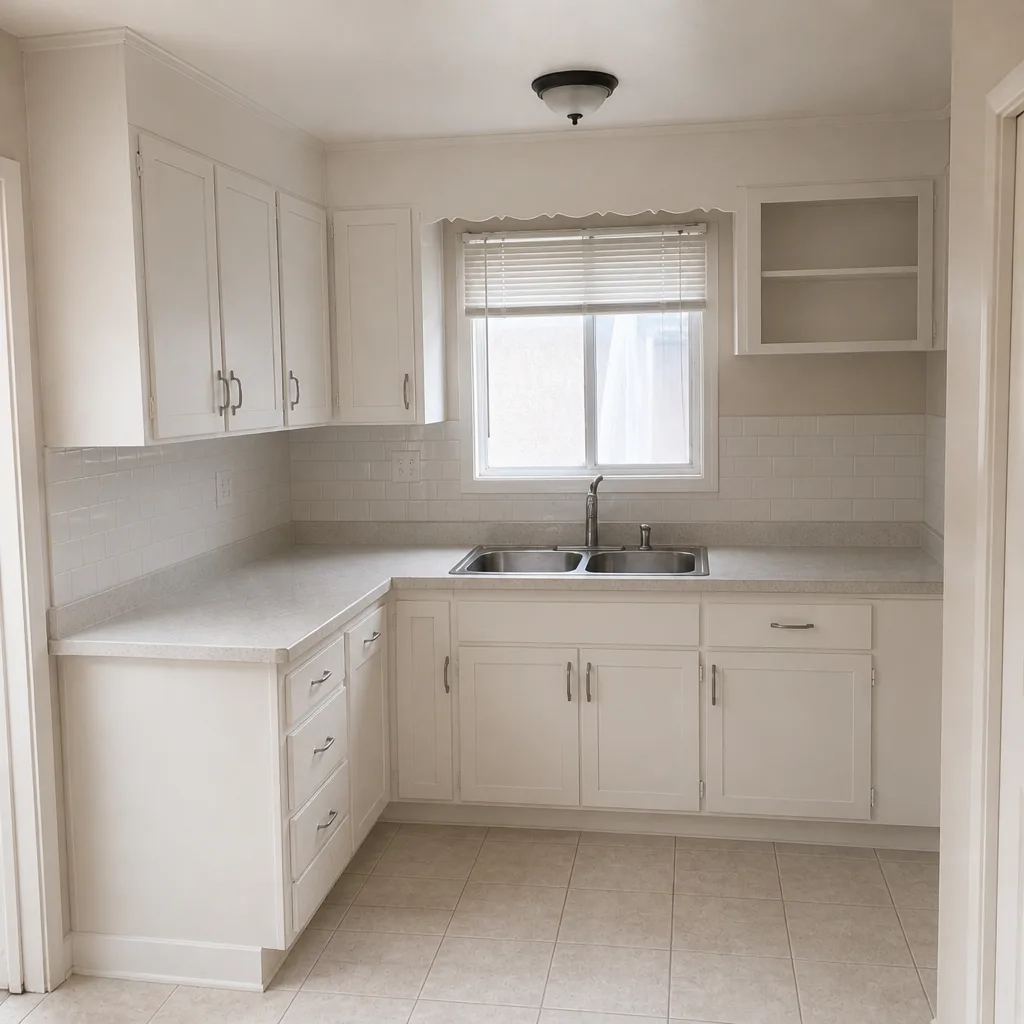 After
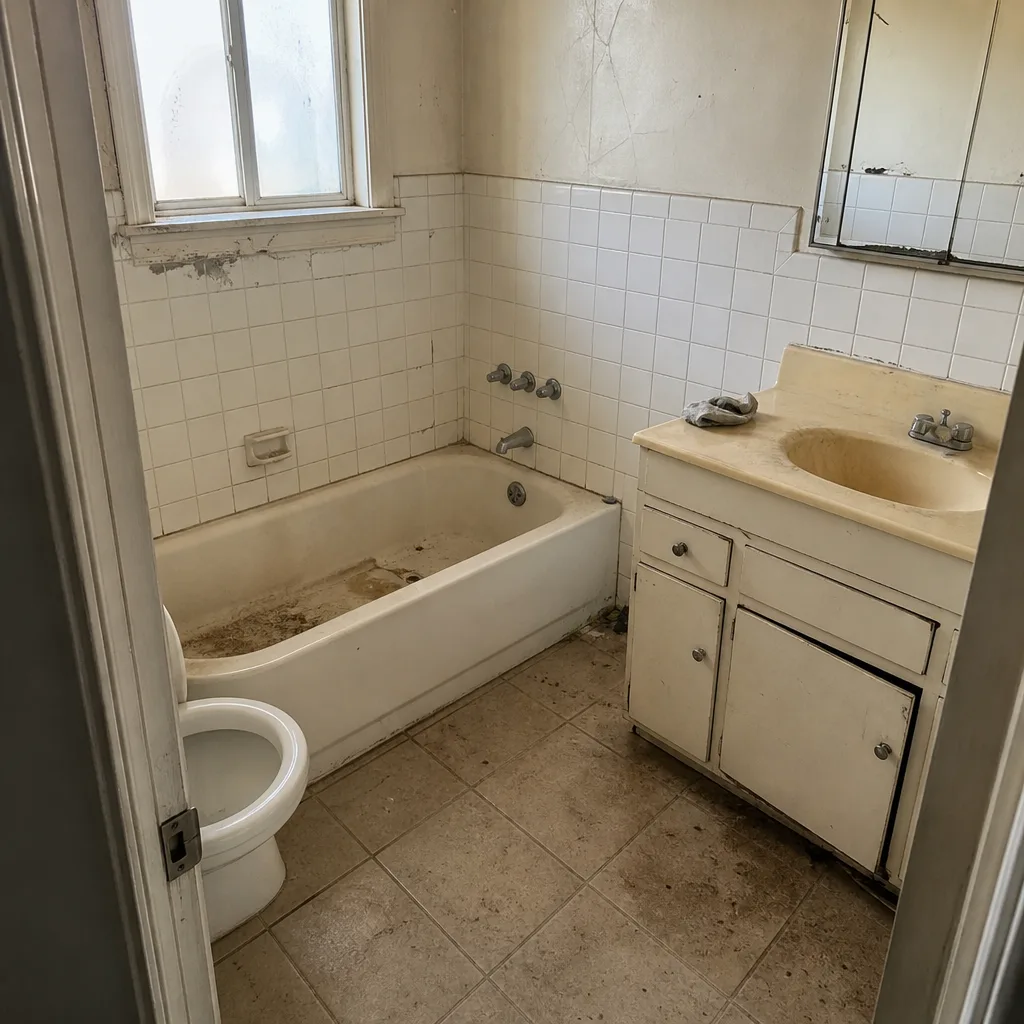 Before
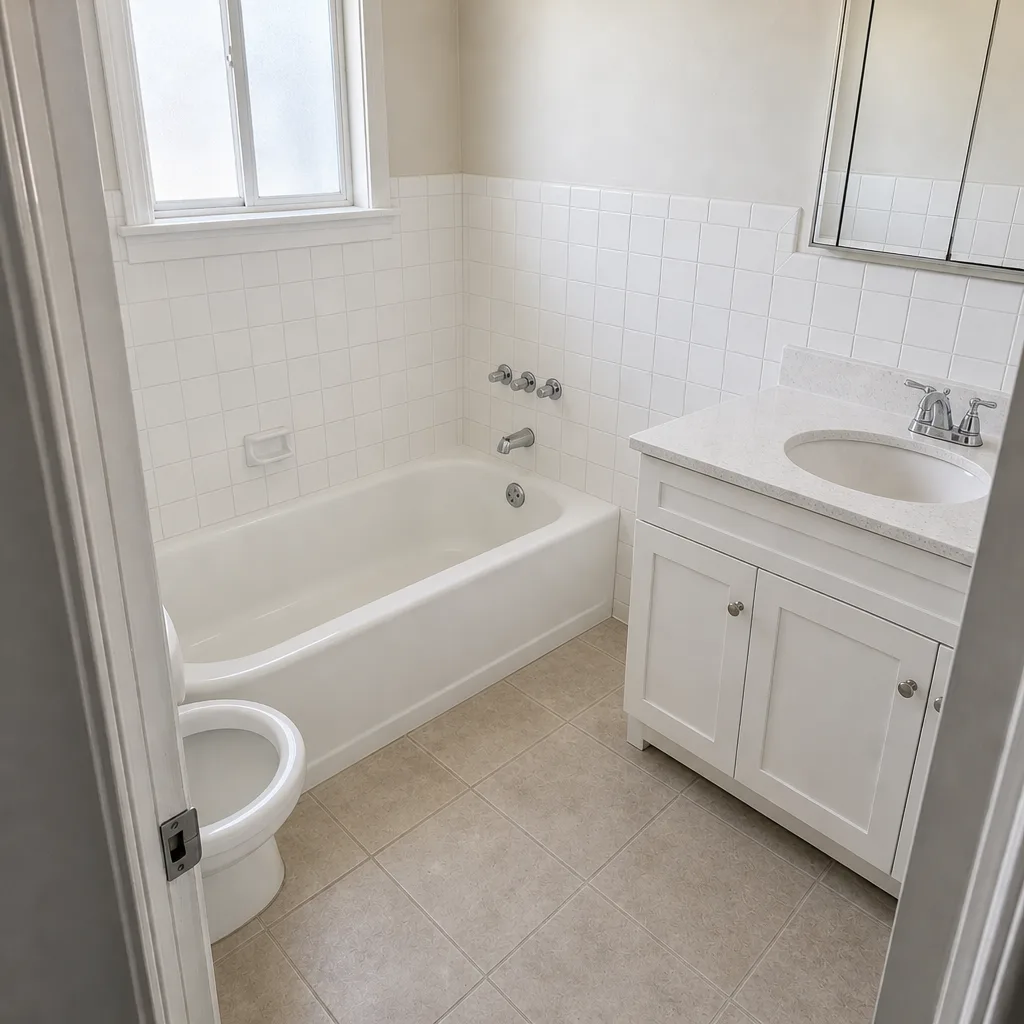 After
Common Mistakes to Avoid
- Treating rocking pavers as a surface problem. Sealing or re-sanding over a void hides the symptom while the base continues to wash out. The rock is the message; sealing is shooting the messenger.
- Power-washing the joints. A high-pressure washer strips joint sand faster than rain ever will. In Garden Grove, where a dry summer then a wet winter is the usual pattern, stripped joints become base water the following rainy season.
- Assuming every low spot means a full replacement. Cosmetic settlement in a single spot can often be reset with matching pavers, and a quoted full replacement for what a hose test shows is an isolated depression is a warning sign of its own.
- Ignoring a rust stain. A rust bleed near a joint is a symptom of water reaching steel in the base. Cleaning the surface without inspecting the base leaves the water path in place.
- Cutting tree roots without an arborist’s assessment. Roots are structural for the tree, and cutting the wrong root to save pavers can destabilize a mature tree near the house. Get the assessment before anyone brings a saw.
- Letting the edge restraint move all season. A restraint that walks out of line allows the whole field to spread. It is one of the cheapest repairs to fix early and one of the most expensive to fix after a full season of spread.
- Making a buying decision from one photo. A single picture of a low spot does not show whether the surrounding pavers are stable. The four tests plus a two-month log tell a contractor what actually needs attention.
When to Call a Professional
Call a professional if you have any of the following: a paver that rocks under foot pressure, more than a few soft joints in the same area, edge restraint movement, joint sand washing out faster than you can replace it, a low spot holding water more than 48 hours after rain, rust bleeding up through a joint, or a tree root larger than 2 inches lifting a line of pavers. Also call if the evidence has changed noticeably in two months of your own documentation; that rate of change is the strongest signal a section is heading toward failure. The inspection and quote should be free. Rowan Construction Group Garden Grove offers free estimates in Garden Grove, and we will walk the four tests with you and show you what the photos mean before anyone talks about a number. Call (888) 303-8980 to schedule yours.
Frequently Asked Questions
Typical driveway paver repair in Garden Grove runs from a few hundred dollars for resetting a small section and re-sanding joints to several thousand for rebuilding a section with base work. The range depends on whether the fix is surface re-sanding or a base rebuild of the affected area. Call (888) 303-8980 for an exact quote – estimates are free, and the written scope will list the repair line by line.
Usually yes. A rocking paver over a bedding sand void can often be lifted, the base under it re-compacted and re-bedded, and the section reset with matching pavers. The scope depends on how far the void runs. If the surrounding pavers are stable, the repair stays localized. The step test plus a look at adjacent joints usually tells you which side of that line you are on.
A rust stain means water has reached steel reinforcement in the base or landscaping, so it is a drainage signal and warrants inspection. It is not automatic proof of failure, but it should be checked before you clean the surface. Our technicians bring up to 19 years of experience to that inspection and document what we find with photos.
Watch the driveway 24 to 48 hours after a real rain. A low spot that stays damp long after surrounding pavers dry, sediment collecting on the surface, or water pooling against the edge restraint all point to active drainage failure. A shallow depression that dries at the same rate as the rest is usually cosmetic settlement.
Efflorescence is a white salt bloom left when moisture evaporates from the paver surface. In Garden Grove it appears most after wet winters and is usually cosmetic. Heavy efflorescence that keeps returning in one spot can indicate moisture being driven up from the base and is worth checking alongside a joint sand probe.
A localized repair of a few pavers is usually a one-day job, while a section rebuild with base work can run two to several days depending on weather and the size of the affected area. The written scope will tell you the work items, and no change proceeds until a change order is signed. Call (888) 303-8980 for a free estimate and a written schedule.
The Bottom Line

Rocking pavers, sand voids, edge restraint movement, and a low spot that holds water are base or drainage signals with a season, not years, before they turn into a full replacement. Efflorescence, oil stains, isolated algae, and minor lippage are cosmetic with more runway. The four physical tests, the staining catalog, and a two-to-three-month photo log turn your eyeball assessment into data a contractor can use. If a section is failing, get the number in writing before work starts. If a driveway repave is part of a broader project, Home Additions & ADU in Garden Grove covers how site work fits into a larger scope. Call (888) 303-8980 for a free estimate.
Written by the team at Rowan Construction Group Garden Grove.