Last updated November 17, 2026
Free written scope consultation - allowances, timeline, and change-order rules on paper before a single trade is scheduled
The Complete Home Additions & ADU Guide for Garden Grove Homeowners
California law overrode most local ADU restrictions in 2020, and a lot of homeowners read that headline and assumed the hard part was over. In Garden Grove, it isn’t. The city still controls setbacks, utility connection fees, and owner-occupancy covenants in ways that can quietly add $15,000 to $40,000 to a project that looked straightforward on paper. That gap between what state law allows and what a specific Garden Grove lot can actually support is where budgets are won or lost. This guide maps the local rules to real project decisions: what you can build, what it costs, how plan check runs, and how to pay for it without wrecking your property tax bill. If you read it before you hire an architect, you’ll save money on the back end.
Quick Answer
In Garden Grove, you can build an attached or detached ADU of up to 1,200 square feet on most single-family lots, plus a JADU of up to 500 square feet, but the setback, height, and utility-connection rules the city retains often drive the real cost more than the square footage does. A typical detached ADU in Garden Grove lands between $250 and $400 per square foot all-in, and the permit, utility, and design fees that sit on top of that run $25,000 to $60,000 depending on your lot. Understanding those constraints before you design saves the most money.
Styles & brands we work with
- Kitchen remodeling
- Bathroom remodeling
- Home additions & ADU
- Roofing
- Windows & doors
- Driveway & pavers
- Fence
Table of Contents
- Garden Grove ADU Zoning Rules: What the City Still Controls
- Room Addition vs. Attached ADU vs. Detached ADU vs. JADU
- What Home Additions and ADUs Cost in Garden Grove
- Utility Connections and Upgrade Fees
- The Garden Grove Plan-Check and Inspection Sequence
- Financing an ADU and the Prop 19 Tax Question
- Common Mistakes to Avoid
Garden Grove ADU Zoning Rules: What the City Still Controls
State law set the floor, not the ceiling. Since the 2020 preemption laws, Garden Grove has to allow certain ADUs by right, but the city writes its own ordinance for setbacks, height, and how utilities get connected, and that ordinance is where a Garden Grove project diverges from one in Anaheim or Santa Ana. Here is what actually governs your lot.
- Maximum size: A detached ADU is generally capped at 1,200 square feet on lots that can support it, regardless of the main home’s size. Attached ADUs follow the same ceiling.
- Setbacks: The city cannot require a rear or side setback greater than four feet for a detached ADU, but existing structures, easements, and fire access on your specific lot still matter. A lot with a rear alley easement can lose buildable depth you counted on.
- Height: A detached ADU can go to 16 feet, and up to 18 feet if you’re within a half mile of a major transit stop or on a lot with a qualifying primary home. Attached ADUs follow the main structure’s height limit.
- JADU: Up to 500 square feet inside the main home’s walls, with an efficiency kitchen and a separate entrance. No additional parking, no separate utility connection.
- Covenant: The city requires an owner-occupancy covenant on junior ADUs and, in some configurations, on standard ADUs. That covenant is recorded against the title and affects how you finance and later sell the property.
Walk your lot with a tape measure and the ordinance in hand before anyone draws a line. In our experience, the lots in the older tract neighborhoods near Garden Grove Boulevard where garages sit close to the rear lot line are the ones that surprise homeowners, because the garage conversion that seemed obvious doesn’t leave room for the fire separation the code requires. Code-compliant configuration is the first number to nail down.
Room Addition vs. Attached ADU vs. Detached ADU vs. JADU
The word “addition” covers four different things in Garden Grove, and they carry different code, cost, and financing consequences. Getting the label right before you apply saves a redesign.
A room addition extends the living space of the main home and stays part of the same dwelling. It’s the simplest to permit because it doesn’t trigger a new kitchen or a separate utility meter, but it does not create a rentable unit and doesn’t qualify for ADU-specific financing. Cost runs roughly $200 to $320 per square foot depending on whether you’re adding a bathroom.
An attached ADU shares a wall or roof with the main house but has its own entrance, kitchen, and bath. It’s cheaper per square foot than detached because it reuses the foundation and roof plane, but it can complicate your main home’s utility capacity, since the new kitchen and bath pull from the same service.
A detached ADU is a freestanding structure, usually built on a new foundation, with its own utilities. It’s the most expensive per square foot but the most flexible, because you’re adding an independent rentable unit rather than extending the house.
A JADU is the cheapest path of all: a conversion inside the existing footprint, capped at 500 square feet, no new parking, and no separate utility connection. It’s the least flexible and requires the owner to live on site under a recorded covenant.
Every configuration still needs a written scope before work starts. Under Clause 1 of the Haven Standard, the price is written before anyone picks up a tool, and that discipline is why our projects land within a few percent of the agreed number.
What Home Additions and ADUs Cost in Garden Grove
Cost is where most guides get vague. Here are the ranges we see on Garden Grove jobs, broken down by line item so you can screenshot them and compare against any other bid.
- Design and engineering: $6,000 to $15,000 for a full ADU, including architectural drawings, structural engineering, and a title 24 energy report.
- City permit and plan-check fees: $8,000 to $22,000 depending on square footage. Garden Grove’s plan-check and impact fees scale with valuation, and a 1,000-square-foot ADU lands near the top of that band.
- Utility connection and upgrade: $5,000 to $18,000. This is the line homeowners underestimate. A detached ADU usually needs a new water, sewer, and electrical meter, and an older home may need a panel upgrade to 200 amps.
- Construction, detached ADU: $250 to $400 per square foot. A 900-square-foot detached ADU runs roughly $225,000 to $360,000 all-in.
- Construction, attached ADU: $220 to $340 per square foot, because the foundation and roof are shared.
- Construction, JADU conversion: $60,000 to $120,000 depending on whether you’re adding a bath and kitchen within existing walls.
- Room addition: $200 to $320 per square foot with typical Garden Grove finishes.
Through the trade we source cabinetry from KraftMaid and Wellborn, countertops from Cambria and Caesarstone, and fixtures from Kohler and Toto, which keeps the written quote honest rather than padded with allowances that get eaten later. When you see a bid with a line that says “allowance” without a number, that’s the line that grows. Ask for the specific product and the actual price before you sign.
Utility Connections and Upgrade Fees
The utility connection is the sleeper cost in a Garden Grove ADU, and it’s where the $15,000 to $40,000 overrun on paper projects comes from. Here’s the sequence that drives the number.
- Confirm the service capacity. The city and utility provider assess whether your existing electrical service, water line, and sewer lateral can carry the new unit. An older Garden Grove home on a 100-amp panel almost always needs a 200-amp upgrade.
- Get the connection fee in writing. Water and sewer connection charges are set by the utility and scale with meter size. A detached ADU with a separate meter pays more than an attached ADU that shares one.
- Schedule the trench and inspection. Running new water and electrical to a detached unit means trenching from the main to the new structure, and the trench inspection adds a step to the schedule.
Ask the utility for the connection fee estimate before the design is final. We’ve seen the number change a project’s scope, and it’s far cheaper to learn it before the plans are stamped than after.
The Garden Grove Plan-Check and Inspection Sequence
The plan-check and inspection process is predictable when you know the steps, and unpredictable when you don’t. This is the sequence we run on Garden Grove projects.
- Pre-application meeting. Walk the plans and the lot through the city’s planning desk before you submit. This is where setback and covenant questions get answered. Allow one to two weeks.
- Submittal and plan check. Submit architectural, structural, and energy plans. Plan check runs six to twelve weeks for a first review, and a second review adds four to six weeks if the plans come back with comments.
- Permit issuance. Pay the permit and impact fees and pull the permit. Allow one to two weeks after plan-check clearance.
- Rough inspections. Foundation, framing, electrical rough, plumbing rough, and mechanical rough, each scheduled as the work reaches that phase. Turnaround is usually a few business days.
- Final inspection and certificate of occupancy. The final inspection covers the finished structure, and the certificate of occupancy is your proof the unit is legal. Allow one to two weeks after the last trade passes.
Budget three to five months from pre-application to certificate of occupancy if the plans come through clean, and six to nine months if they don’t. The single biggest schedule variable is how complete the plans are at first submittal. Plans that answer the setback and utility questions up front pass on the first review. Plans that don’t come back with comments.
Financing an ADU and the Prop 19 Tax Question
ADU financing has its own rules in California, and how you pay for the unit changes what it costs you in tax.
- ADU-specific loan products: some lenders offer construction-to-permanent loans that finance the build and roll into a mortgage at completion. Rates vary, and the loan typically requires a fixed-price contract, which is why a written quote matters.
- Cash-out refinance: borrowing against equity in the main home. The timing matters because the new ADU usually isn’t counted as value until the certificate of occupancy is issued, so refinancing before completion means appraising the home without the unit.
- Home equity line: a HELOC lets you draw as the work progresses, which suits a phased build. Confirm the draw schedule matches the construction schedule.
- Prop 19 reassessment: a new ADU is new construction and is added to your assessed value. The main home’s assessment doesn’t reset to market, which is the relief Prop 19 preserved for most homeowners. A JADU conversion inside existing walls is assessed as an improvement to the existing structure. The assessment is a county matter, and the numbers vary.
Bring the question to your tax professional with the certificate of occupancy date in hand. The financing decision and the tax consequence are the same conversation, and that’s where the free second opinion pays off. If a lender hands you a written estimate, we’ll review it line by line at no charge.
Common Mistakes to Avoid
- Designing before checking setbacks. Two sentences here would be too many; the pattern is that homeowners hire an architect for a detached ADU on a lot with a rear easement, then learn the garage conversion can’t clear the fire separation. Check the lot first. It’s the cheapest step you’ll take.
- Underestimating the utility connection. The $15,000 to $40,000 overrun the opening of this guide describes almost always starts with a panel upgrade or a new meter the homeowner didn’t expect. Get the utility number before the plans are stamped.
- Treating the JADU as a detached ADU. A JADU requires the owner to live on site under a recorded covenant, and it isn’t rentable the way a detached unit is. If the goal is rental income, the JADU is the wrong instrument.
- Refinancing before certificate of occupancy. A refinance before the unit is legal appraises the home without it, and you borrow against less than you built. Time the refinance to the certificate.
- Signing a bid with undefined allowances. An “allowance” without a product name and a price is a placeholder, and it grows. Ask for the specific cabinet line and the actual fixture before you sign.
- Skipping the pre-application meeting. Three to five months versus six to nine months comes down to how complete the plans are at submittal. The pre-application meeting is where that completeness is decided.
- Assuming the ADU doesn’t affect the main home. An attached ADU pulls from the main service, and an older Garden Grove home on a 100-amp panel usually needs an upgrade. That’s a project, not an afterthought.
The trade-offs carry over to the exterior. Material choices for the Driveway & Pavers in Garden Grove and the property line affect how the site reads to an appraiser just as much as the unit itself. Belgard and Unilock pavers hold up to the coastal-influenced soil and the warm-weather curing of inland Garden Grove far better than a concrete apron that cracks in five summers.
See the difference
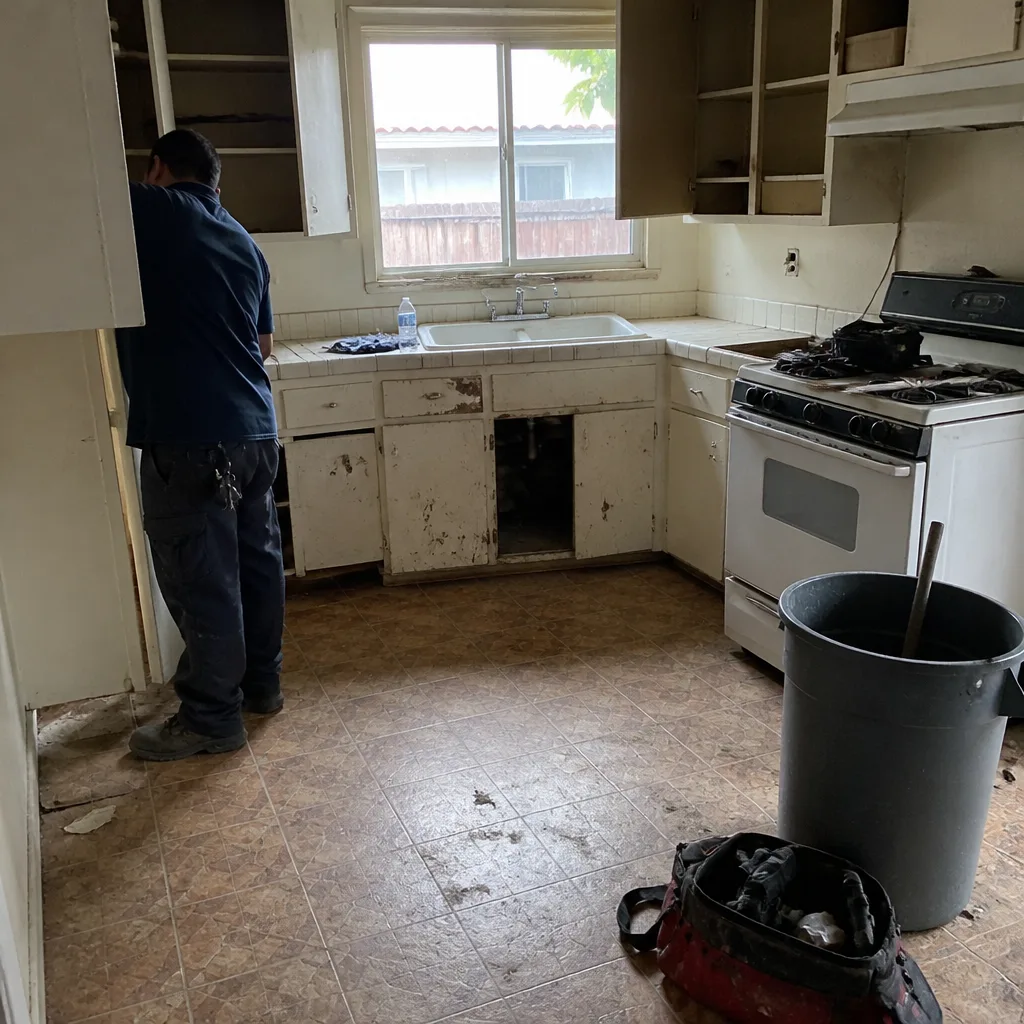 Before
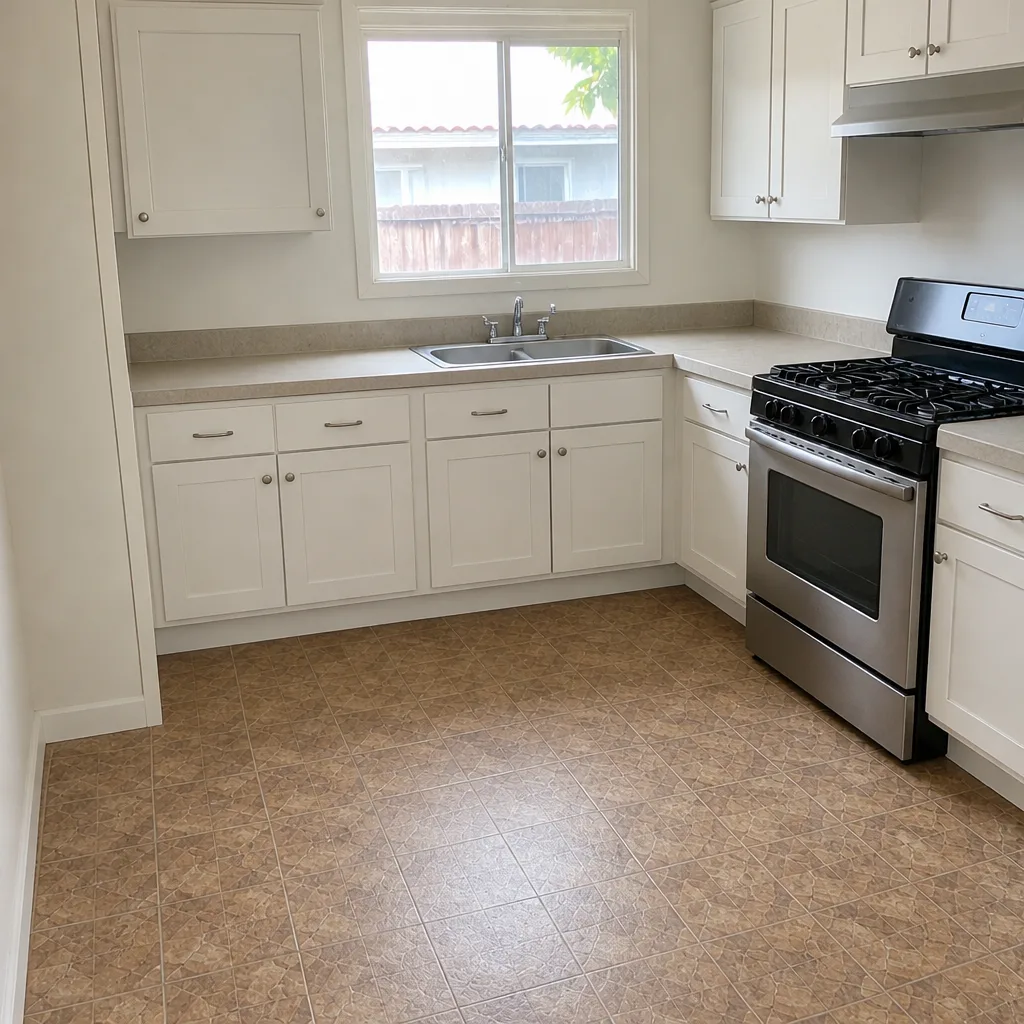 After
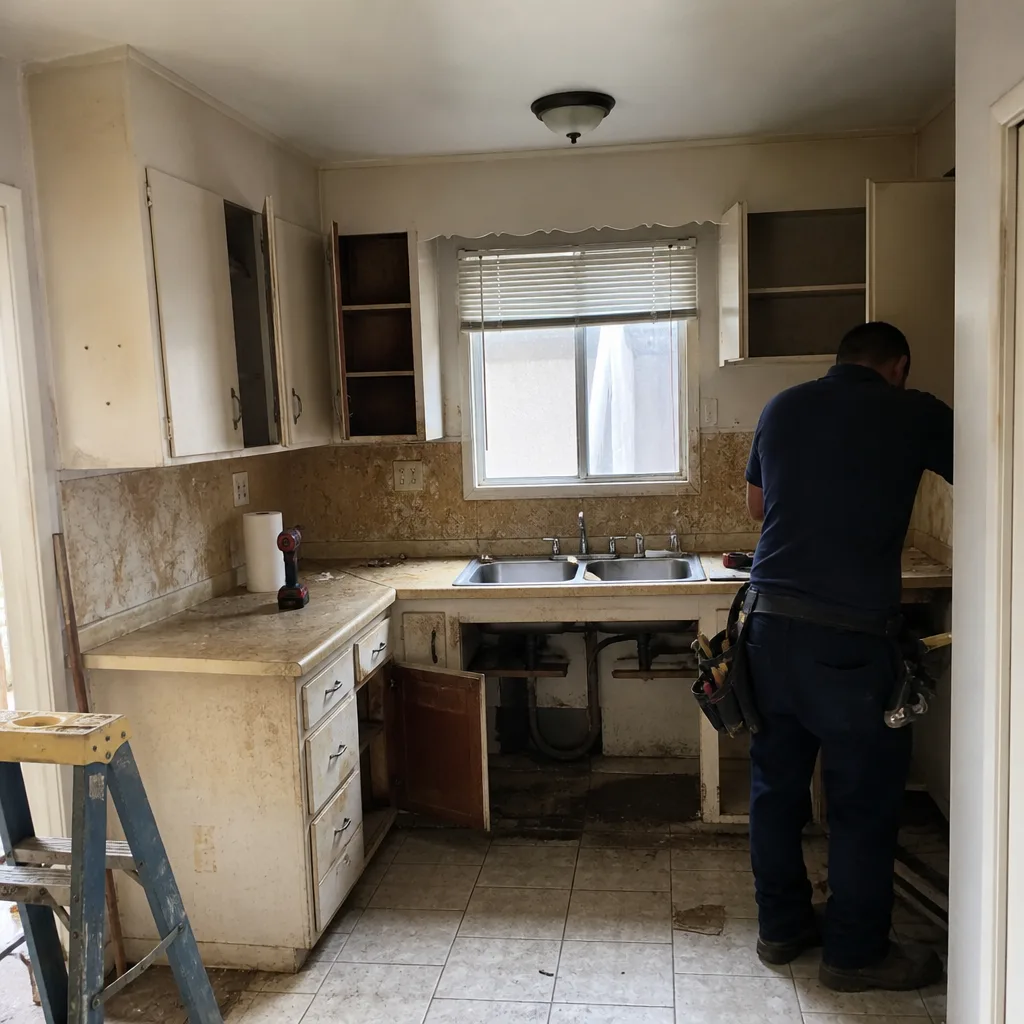 Before
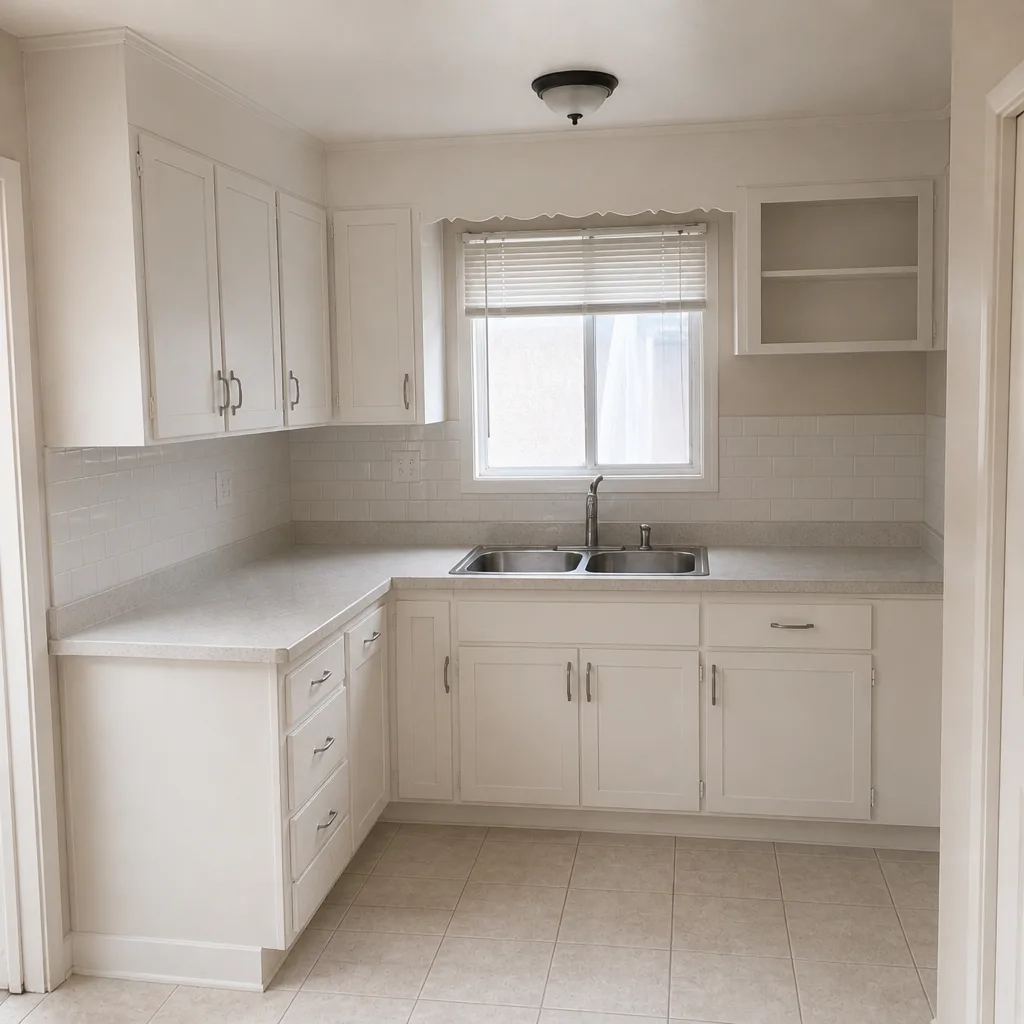 After
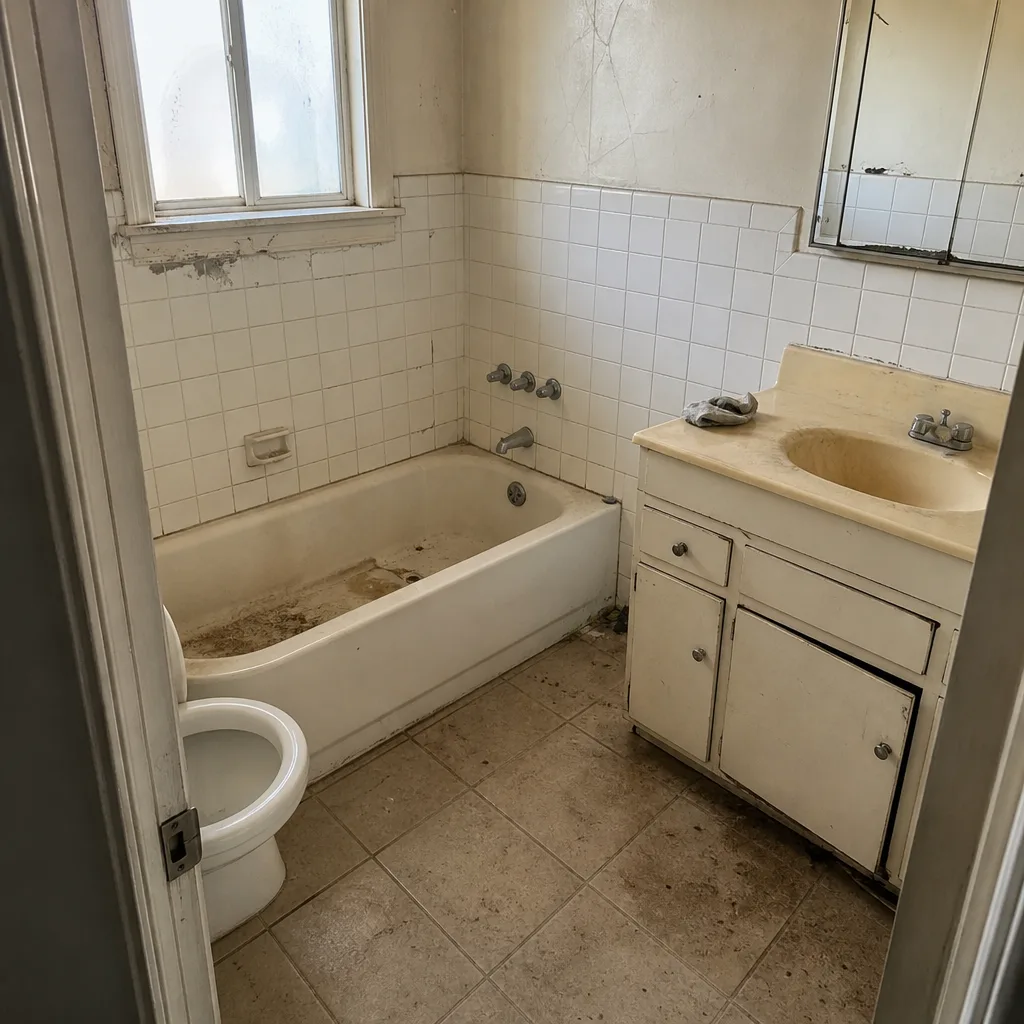 Before
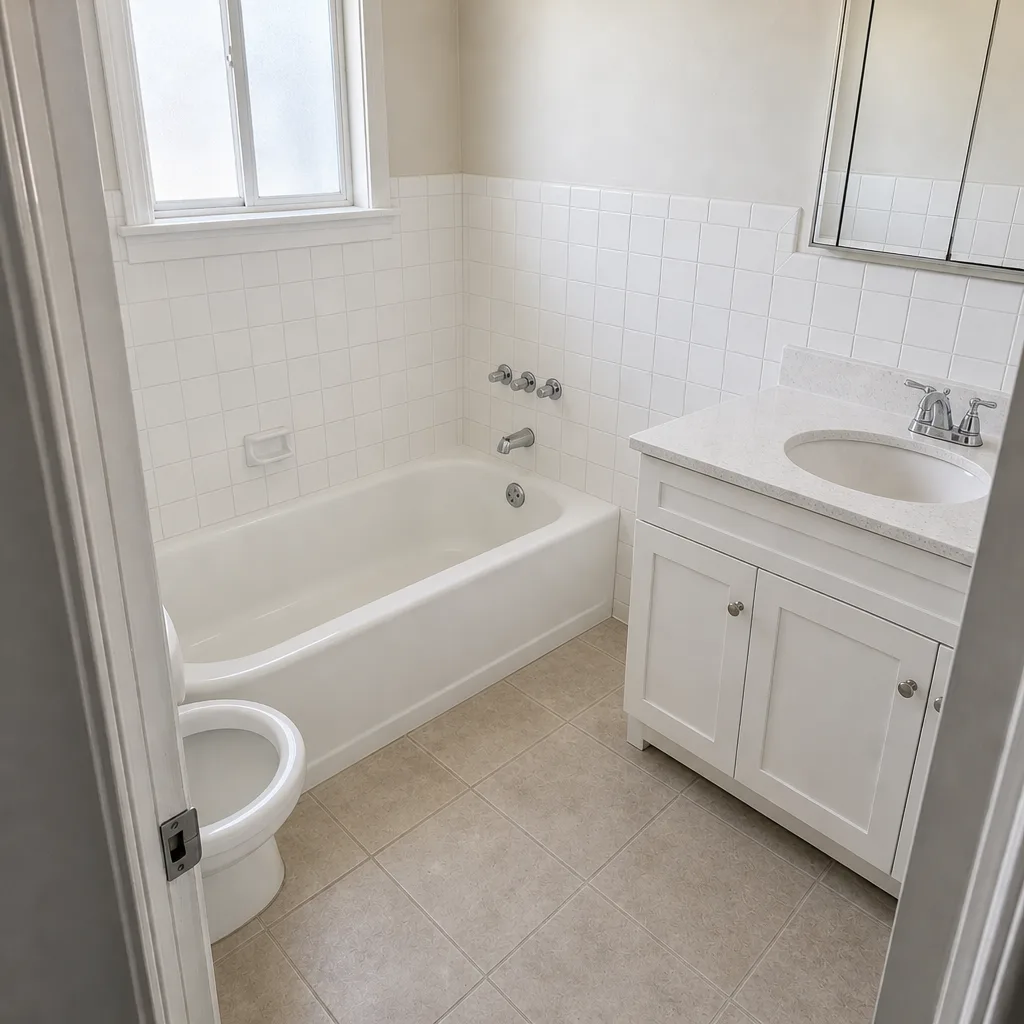 After
When to Call a Professional
Some questions are answered by a tape measure and the ordinance. Others need a licensed contractor and a structural engineer. Call a professional if your lot has an easement or a rear alley, if the existing home is on a 100-amp panel, if the plans need a second review, or if you’re adding a separate kitchen and bath that require plumbing and electrical capacity you haven’t measured. Those are the conditions where a mistake is expensive. Background-checked, uniformed technicians and a written price before work starts are the difference between a documented build and a guess. If you’re unsure which category your project falls into, that’s a question for the free estimate. Rowan Construction Group Garden Grove offers free estimates in Garden Grove, and we’ll walk your lot and your plans before anyone draws a line. You can reach us at (888) 303-8980.
Frequently Asked Questions
A detached or attached ADU can generally go up to 1,200 square feet on a single-family lot that can support it, with a JADU capped at 500 square feet inside the main home’s walls. The practical limit is often the lot’s buildable area after setbacks and easements, not the square-footage ceiling. Call (888) 303-8980 for a free estimate that measures your lot and answers the question for your address.
A detached ADU in Garden Grove typically runs $250 to $400 per square foot all-in, so a 900-square-foot unit lands around $225,000 to $360,000, plus $25,000 to $60,000 in design, permit, and utility fees. The utility connection is the line that moves the most. Call (888) 303-8980 for an exact quote, and we’ll review any written estimate you already have at no charge.
A detached ADU usually needs its own water, sewer, and electrical meter, while an attached ADU and a JADU can share the main service. That single distinction can swing the utility cost by $5,000 to $18,000. Confirm the connection fee with the utility before the design is final. Call (888) 303-8980 for a free estimate.
A JADU is a conversion inside the existing home’s footprint, capped at 500 square feet, with no new parking and no separate utility connection, and it requires the owner to live on site under a recorded covenant. A detached ADU is a freestanding rentable structure with its own utilities and no owner-occupancy requirement. Call (888) 303-8980 to talk through which one fits your lot and your goals.
Not without a signed change order. Under the Haven Standard, no work proceeds on a change until the change order is signed, which is why our projects land within a few percent of the agreed cost. The written price and written scope come before any work starts. Call (888) 303-8980 for a written estimate on your Garden Grove project.
Yes, and the permit sequence is part of the written scope. Garden Grove plan check runs six to twelve weeks for a first review, and inspections run through rough and final, ending with the certificate of occupancy. We pull the permits and manage the inspection schedule. You can read more about our Home Additions & ADU in Garden Grove, or call (888) 303-8980 for a free estimate.
The Bottom Line
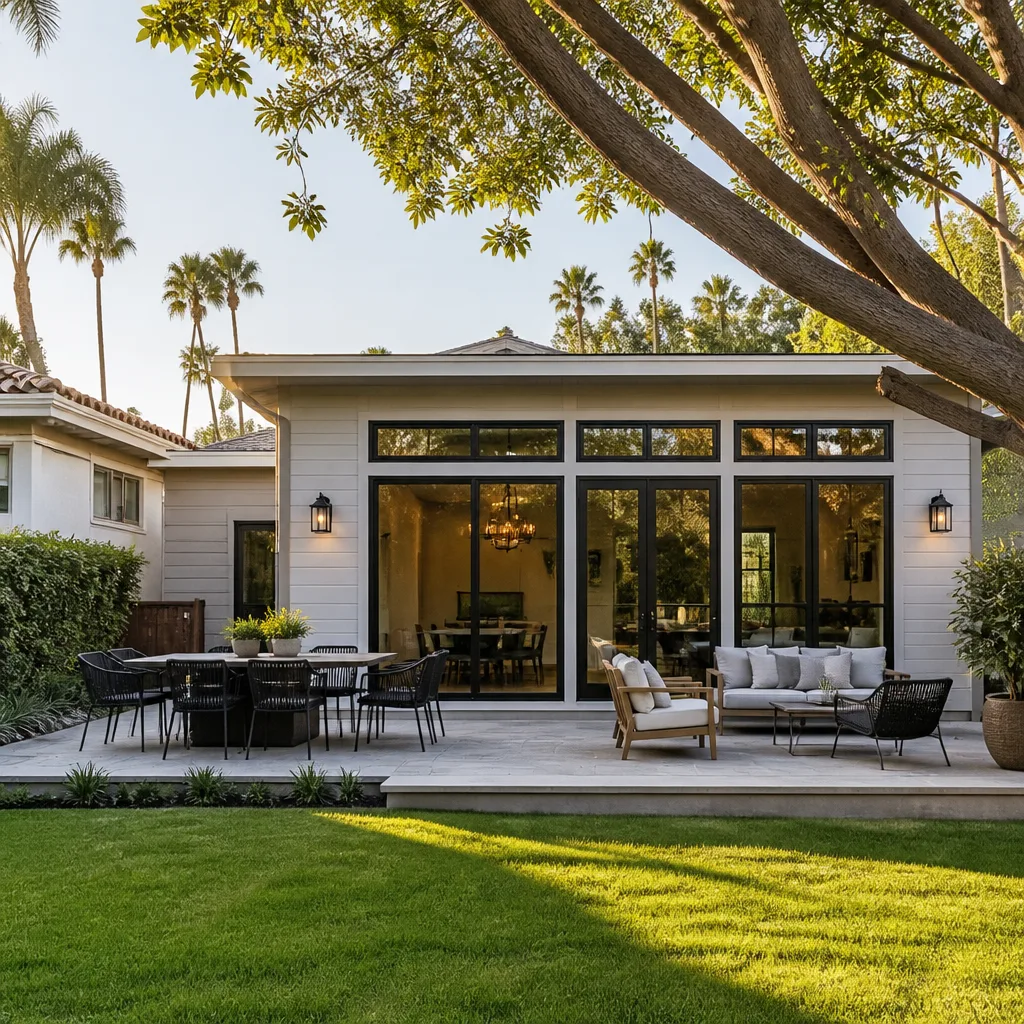
The Garden Grove ADU rules come down to a handful of numbers: the 1,200-square-foot ceiling, the four-foot setback, the 16-foot height limit, the 500-square-foot JADU, and the utility connection that can swing $15,000 to $40,000. Get those numbers right before you hire an architect, and the project stays on budget. Get them wrong, and the redesign costs more than the design did. Every project at Rowan gets a written price before work starts, a signed change order for any change, and a documented photo record when the crew leaves. Free second opinion on any written estimate. For a project this size, that’s the cheapest insurance you’ll buy.
Start with the main home and work outward. The Rowan Construction Group Garden Grove home page shows how the ADU and additions trade fits with Fence Installation in Garden Grove and the rest of the seven trades, and the driveway, addition, and fence pages will matter once the unit is standing. Call (888) 303-8980 for a free estimate, and we’ll walk the lot and the rules together before anyone draws a line. Estimates are free.
Written by the team at Rowan Construction Group Garden Grove.