Last updated November 17, 2026






Free written scope consultation - allowances, timeline, and change-order rules on paper before a single trade is scheduled
Construction Emergency Preparedness Guide for Garden Grove Homes
Orange County averages 23 structure fires per week. The second most common aggravating factor cited in fire investigation reports isn’t the ignition source. It’s a delayed gas shutoff, because no one in the household knew where the meter was or owned a shutoff tool. That gap between “the emergency started” and “the emergency was contained” is measured in minutes, and it’s usually closed by preparation, not luck. This guide covers the three decisions Garden Grove homeowners make in the first 15 minutes of a construction emergency: shut it off, stabilize it, document it. You’ll get the utility points to map, the stabilization step for each common emergency, the photo protocol for insurers, and a one-page reference card to fill out and post.
Quick Answer
A Garden Grove homeowner facing a construction emergency should first shut off the affected utility at the meter or panel, second stabilize the damage without making repairs, and third photograph and document everything before touching anything. The preparation that makes those 15 minutes survivable happens weeks earlier: locating four shutoff points, photographing them, keeping a shutoff tool at the gas meter, and posting a one-page reference card with your contractor, insurance, and permit records in the electrical panel closet. Nothing in that list requires a contractor. It requires an afternoon.
Styles & brands we work with
- Kitchen remodeling
- Bathroom remodeling
- Home additions & ADU
- Roofing
- Windows & doors
- Driveway & pavers
- Fence
Table of Contents
- The Four Utility Shutoff Points Every Garden Grove Homeowner Must Map
- The Three Construction Emergencies Most Common in Orange County
- Immediate Stabilization: What to Do Before a Contractor Arrives
- How to Document Structural Damage for an Insurance Claim in the First Hour
- CSLB License Verification: The 60-Second Step That Prevents a $15,000 Mistake
- The One-Page Emergency Reference Card
- After the Emergency: Rebuilding With a Written Price
The Four Utility Shutoff Points Every Garden Grove Homeowner Must Map
Most Garden Grove homes were built between the 1950s and 1980s, and the utility layout reflects that. The gas meter often sits on a side yard behind a gate that hasn’t opened cleanly in years. The main electrical panel may be in a hallway, a garage, or a subpanel added during a later remodel. Mapping all four points now, with photos, takes about 40 minutes and is the single highest-value preparation step on this page.
1. Gas meter and the SoCalGas shutoff procedure. Locate the meter and identify the shutoff valve on the riser pipe feeding it. The valve is turned a quarter turn with a wrench, perpendicular to the pipe to close. SoCalGas recommends keeping a dedicated shutoff wrench hung near the meter, because a crescent wrench that lives in the garage is the wrench that isn’t there. Critically: once you shut off the gas, only SoCalGas can restore it. Do not turn it back on yourself. Photograph the valve in the open position so you remember what “normal” looks like.
2. Main electrical panel. Find the panel, open the door, and identify the main breaker at the top. That single breaker kills power to the whole house. In Garden Grove homes with a detached garage or an added ADU, there may be a subpanel too. Photograph the panel with its label visible so you know which breaker controls which circuit.
3. Main water shutoff. In most Garden Grove homes, the main shutoff is a gate valve or ball valve at the front of the house near the hose bib or the meter box at the curb. Note whether it’s a gate valve (turn many rotations, may be stiff from disuse) or a ball valve (quarter turn). If it’s a gate valve that hasn’t moved in a decade, have it exercised or replaced before you need it.
4. Subarea access. Crawlspace or subarea access matters after a slab or drain leak, when you need to check for water under the house before mold sets in. Locate the access hatch or vent, note whether it’s screwed shut, and keep the tools to open it nearby.
Photograph each of these four points and store the photos in a cloud folder labeled “Home Utility Map” along with a note describing where each lives. If you ever sell, that folder is worth something to a buyer. If you ever have an emergency, it’s worth more than that.
The Three Construction Emergencies Most Common in Orange County
Construction emergencies in Orange County aren’t evenly distributed. Three types account for the overwhelming majority of calls we see, and each has a different stabilization priority. Knowing which one you’re facing tells you what to do in the first ten minutes.
Storm-driven roof breach. A wind event peels back shingles or a downed limb punctures the roof deck, and water enters fast. Garden Grove’s older roof stock often has a single layer of aging three-tab shingles over original underlayment, so a breach can reach the sheathing within a single rain event. The priority: stop water intrusion, not repair the roof. Tarp the breach, move valuables, get water off the ceiling. We cover the permanent fix in our guide to Rowan Construction Group Garden Grove home services.
Foundation crack after a seismic event. Southern California’s earthquake risk means a Garden Grove homeowner may one day walk the perimeter and find a new crack. The priority: distinguish cosmetic from structural. A hairline vertical crack in stucco is common and often cosmetic. A horizontal crack in a stem wall, a stair-step crack through brick, or a crack that displaced laterally is not. Do not patch it before an engineer sees it. Patching hides the evidence the structural assessor needs.
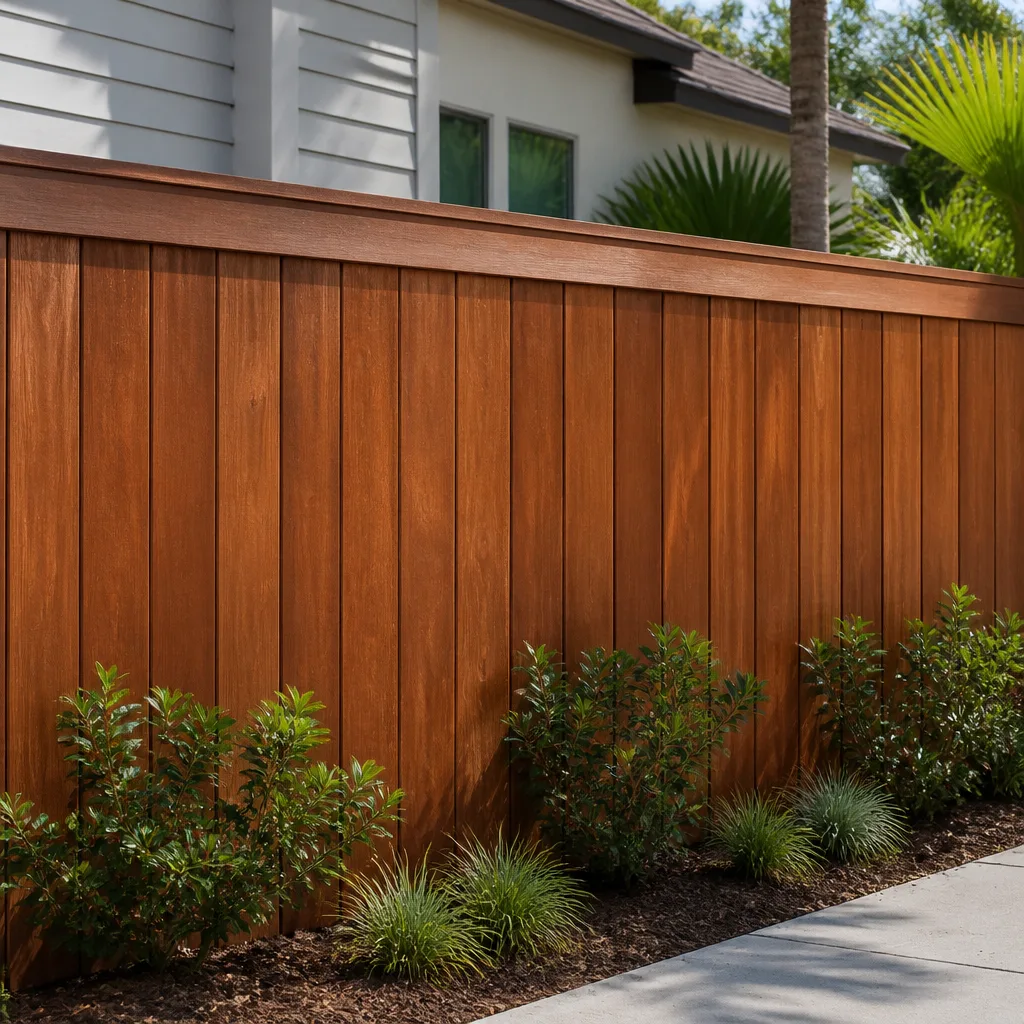
Exterior wall compromise. A vehicle impact, a fallen tree, or a failed retaining wall can compromise an exterior wall. This is the emergency where the correct move is often to leave the room. If a wall is out of plumb, bulging, or separated at a corner, stay out of the adjacent interior space and call the fire department’s non-emergency line. They can red-tag a structure that isn’t safe. Exterior fencing and gate hardware take the same kind of impact damage; if a fence or gate is what failed, fence installation in Garden Grove covers the rebuild.
Every one of these three has the same underlying rule: the first hour is about stopping the damage from spreading, not starting the repair. The repair is a separate, planned project with a written price. The stabilization is the emergency, and it’s cheap and fast if you’ve prepared.
Immediate Stabilization: What to Do Before a Contractor Arrives
Stabilization means limiting further damage without committing to a repair. In our experience, the homeowners who handle the first hour well are the ones who limit their own actions to the four that actually help. Here’s the sequence, in order.
- Make the area safe. Shut the affected utility. If there’s a gas smell, leave the house, don’t flip a light switch, and call SoCalGas from outside. If there’s structural movement, get out and call the fire department. Nothing else on this list matters until the area is safe.
- Stop water intrusion. Tarp a roof breach or move furniture and valuables out from under it. Use buckets to catch drips and route water away from the interior. Don’t climb on a wet, damaged roof to tarp it yourself. Roof work at height on a compromised surface is where well-intentioned homeowners get hurt. Have a roofer tarp it.
- Contain and document. Photograph the breach, the water line, and the affected surfaces before you move anything. A ceiling stain measures its own water line and that line tells the adjuster how far the damage traveled.
- Preserve, don’t repair. Don’t patch, don’t paint, don’t replace. Anything you fix before the adjuster inspects is damage the insurer may decline. Keep every receipt for tarps, fans, and water-extraction rental. Emergency mitigation costs are usually reimbursable.
Notice what isn’t on this list: calling every contractor in the area. In a storm event, the contractors who answer first aren’t always the ones you want. Call your pre-vetted contractor, and if they’re unavailable, use the CSLB verification step below before hiring anyone you don’t already know.
How to Document Structural Damage for an Insurance Claim in the First Hour
The photo protocol is where homeowners lose money without realizing it. A claim is only as strong as the evidence captured before cleanup starts. In the first hour, before a fan or a tarp touches the damage, document it in a way an adjuster can work with.
- Photograph wide, then close, then measured. Take a wide shot of the whole room or wall, a close-up of the damage, and a photo with a tape measure or a coin for scale. Adjusters need to see the size.
- Video a slow walk-through. A two-minute narrated video of the affected area, walking the perimeter and describing what you see, is worth more than 50 stills. Say the room name and the date aloud.
- Write a condition description before cleanup. A written paragraph describing what you found and when, in plain terms, on the same day, dated. “On [date], we found a horizontal crack about 6 feet long in the stem wall on the east side of the house, roughly 3 feet off the ground.” Specifics carry weight.
- Photograph the utility shutoffs after you shut them. It documents when and how you interrupted the water or gas.
- Keep the damaged materials, don’t discard them. If a piece of drywall or a fixture has to come out for safety, set it aside and photograph it. Don’t put it in the trash before the adjuster sees it.
- Don’t repair, patch, or repaint before the adjuster inspects. This is the most common expensive mistake. Cosmetic work before an inspection can void coverage for hidden damage.
Save all photos with the date and time stamps intact. If you use a phone, back the images up to the cloud immediately. A dropped phone during a storm event is a lost claim.
CSLB License Verification: The 60-Second Step That Prevents a $15,000 Mistake
Emergencies are when unlicensed operators appear. A homeowner with a wet ceiling and a hole in the roof is not in a mood to comparison shop, and there is a whole category of people who count on that. The California State License Board (CSLB) maintains a public lookup at cslb.ca.gov. The step takes about 60 seconds and it is the difference between a contractor with a license, a bond, and workers’ comp, and a stranger with a truck.
How to verify a contractor with the CSLB in four steps:
- Go to cslb.ca.gov and use the “Check a License” tool.
- Search by the license number on the contractor’s card, not by name. Names get borrowed.
- Confirm the license is active, the classification matches the work (a B General Building Contractor for structural, a C-39 for roofing, etc.), and the expiration date is in the future.
- Note whether the worker’s compensation and bond are current. The CSLB lists both. If workers’ comp is missing on a company with employees, that’s a problem.
In Garden Grove, we’ve seen homeowners hire an unlicensed “roofer” after a storm because he was the first to respond and he had a ladder. The result was a poor patch that failed, no written contract, no warranty, and a $15,000 rebuild a year later. A licensed contractor has a bond to back their work. An unlicensed one has a ladder and a cash price.
Ask for the license number before any work starts, look it up, and don’t let a sense of urgency override the lookup. The licensed contractors don’t mind being checked. The ones who mind are telling you something.
The One-Page Emergency Reference Card
Prep you can’t find during a power outage is prep that doesn’t exist. Build a one-page card, print it, and tape it inside the door of the electrical panel closet. Fill it out by hand so it’s readable without a phone. Keep a second copy in the glove compartment of the car.
The card should have five lines, each one short:
- Gas meter location (e.g., “north side of house, behind the gate, valve on the riser”) and whether the shutoff wrench is hung nearby.
- Main electrical panel location and whether there’s a subpanel (note the location).
- Main water shutoff location and valve type (gate or ball).
- Insurance: carrier name, policy number, claims phone number, and the agent’s name.
- Contractor and permit records: the name and phone number of your pre-vetted contractor, plus where the permit records from past work are kept (a folder, a cloud drive, or both).
Under those five lines, add two more: the CSLB license numbers of every contractor you’ve used or plan to use, and the phone number for SoCalGas. That’s the whole card. It’s shorter than a recipe and more useful than anything else on the refrigerator.
The card isn’t a formality. In our experience, the households that have this card filled out handle an emergency roughly three times faster than the ones who don’t. That’s the difference between a tarp and a rebuild.
After the Emergency: Rebuilding With a Written Price
Once the damage is stabilized and documented, the emergency turns into a planned project. This is where the discipline of a written price matters most. The psychology of a post-emergency repair is that homeowners want to move fast and skip the line-item quote. That’s the exact moment the price tends to go sideways.
Ask for the price range on the page, in dollars, before you commit. For a Garden Grove roof breach, a full replacement with architectural shingles runs roughly $12,000 to $22,000 for a typical 1,500 to 2,000 square foot home, depending on the deck condition and pitch. For a driveway or walkway rebuild after a storm erodes the base, driveway and pavers in Garden Grove covers what pavers cost versus concrete. For an exterior wall or a structural rebuild, home additions and ADU in Garden Grove explains the structural scope. For the broader rebuild scope across seven trades, our service overview covers kitchen, bath, roofing, windows and doors, and fence.
What we insist on for every project, and what you should insist on from any contractor after an emergency: a flat written price with a written scope before any work starts, a written warranty, and a signed change order before any change proceeds. Under Clause 1 of The Haven Standard, that’s not a promise; it’s a process. And every visit should include a documented photo record as a standard deliverable, not an upgrade. After an emergency, that photo record is the difference between “the roofer said he replaced the shingles” and “here is the photo of the replaced shingles.”
Common Mistakes to Avoid
- Repairing before the adjuster inspects. Patching, painting, or replacing damaged materials before the insurance inspector sees the damage can void coverage for hidden damage. Document first, repair second.
- Not knowing where the gas meter is. If you can’t reach the meter in a power outage, at night, or in the rain, find it now. The delayed gas shutoff cited in fire investigation reports is a household mapping problem, not a technical one.
- Patching a structural crack before an engineer sees it. A horizontal crack in a stem wall or a stair-step crack in brick is evidence. Patching it hides what the structural assessor needs to see and can turn a documented repair into a not-covered one.
- Hiring the first person who shows up with a ladder. Storm chasers appear after every Garden Grove rain event. Ask for the CSLB license number. If they can’t produce it, they’re not a contractor.
- Shutting off the gas and then trying to turn it back on. Once SoCalGas shuts the meter, only SoCalGas restores service. Don’t turn it back on yourself. Call the utility.
- Skipping the written price out of urgency. The faster you want the work done, the more you need the price in writing before any work starts. Urgency is expensive; a flat written quote shortens the project, not lengthens it.
- Throwing away the damaged materials. If a piece of drywall or a fixture has to come out for safety, set it aside and photograph it. It’s evidence.
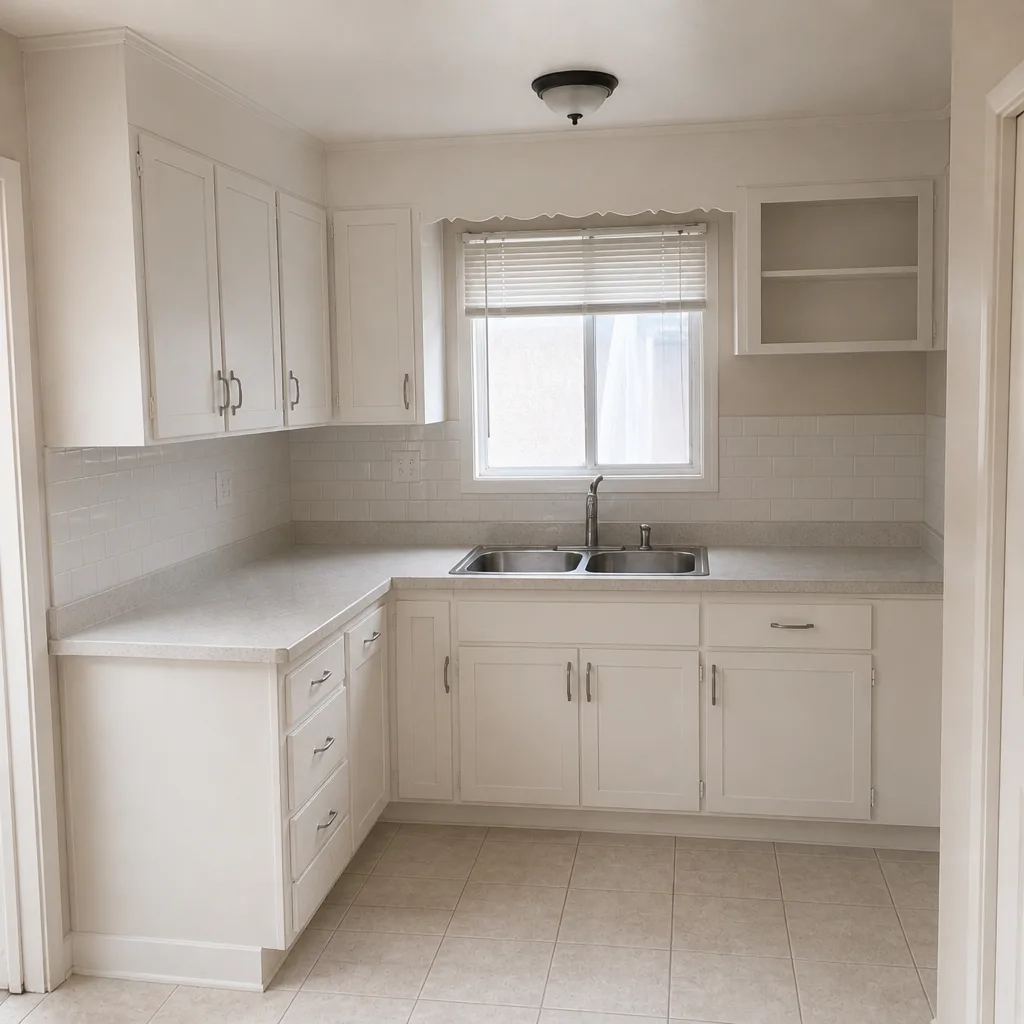
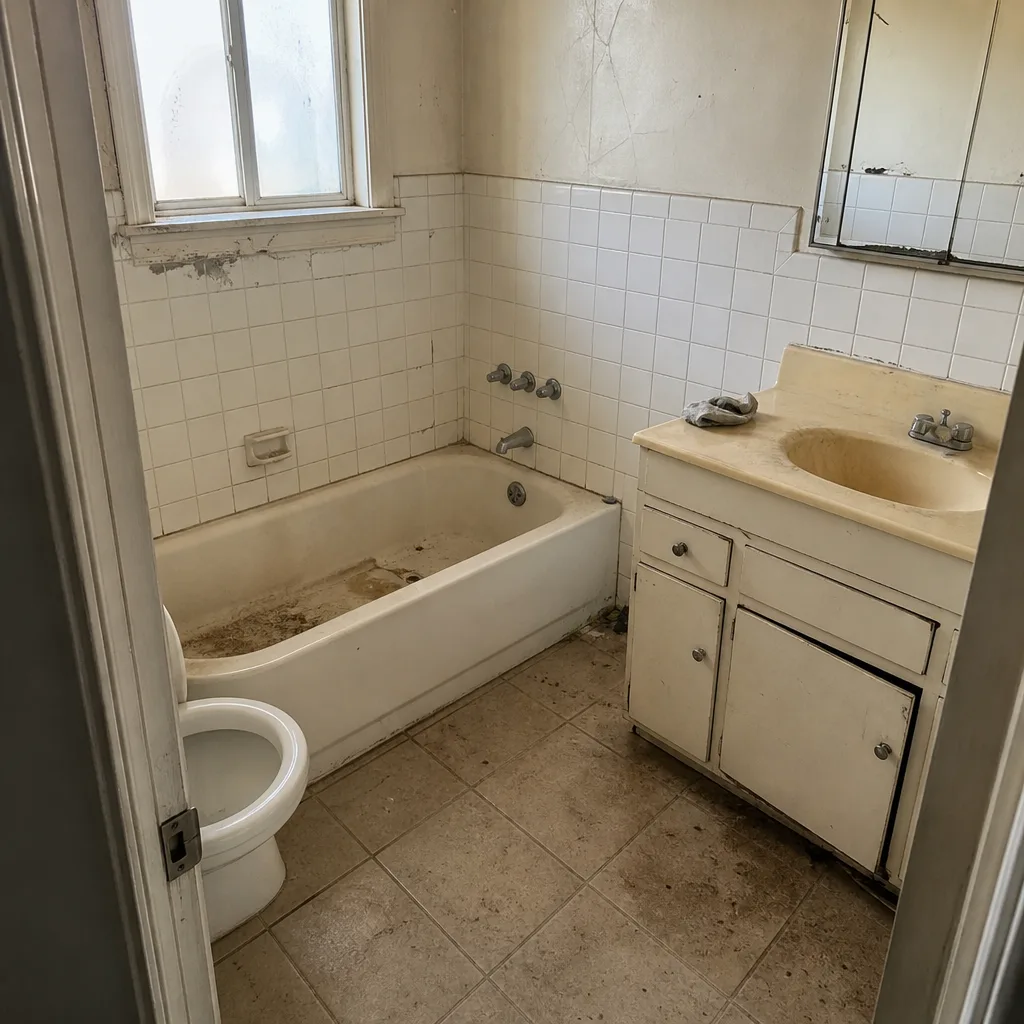
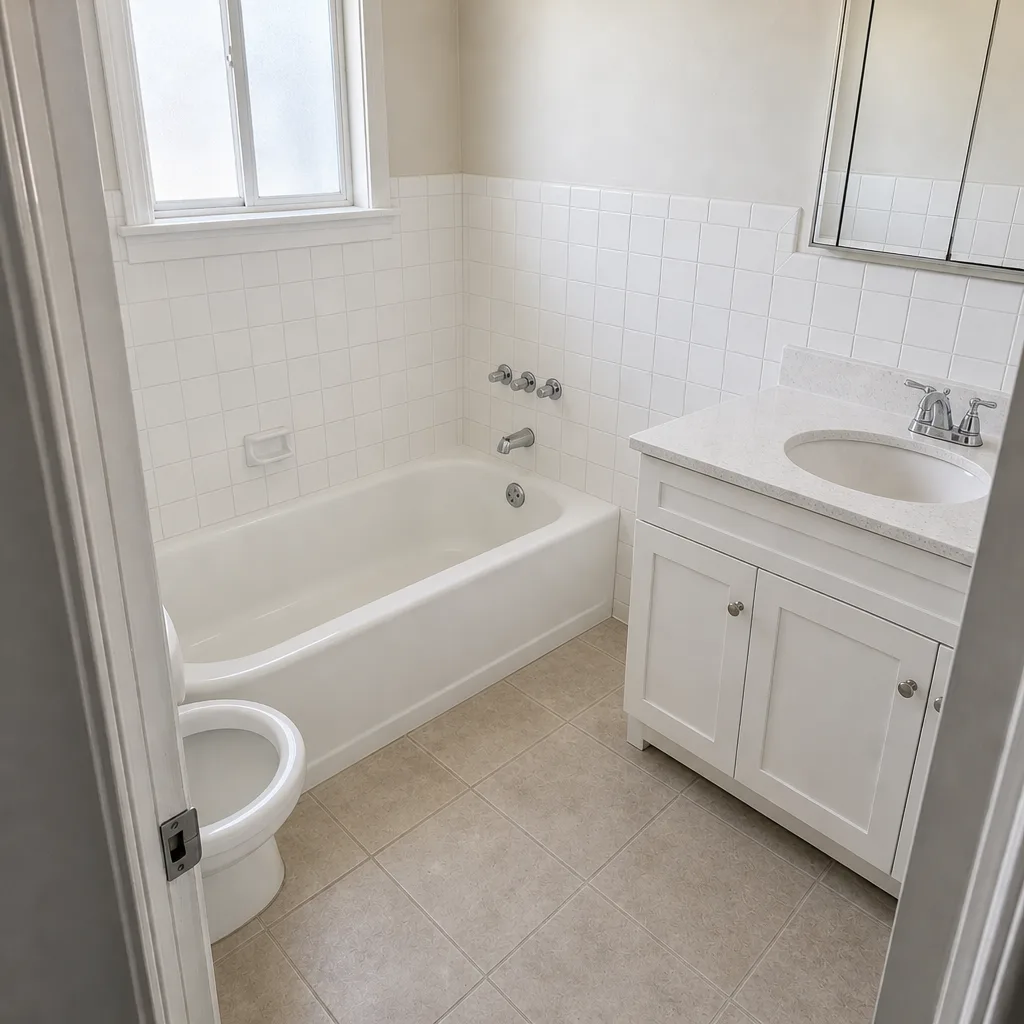
See the difference
 Before
 After
 Before
 After
 Before
 After
When to Call a Professional
You should call a contractor when the damage has stopped spreading and the work is a planned repair, not an emergency. The emergency itself – shutoff, tarp, evacuation – is the homeowner’s job. The rebuild is a professional’s. If you’re facing a roof breach that needs a permanent tarp and eventual replacement, a foundation crack that needs a structural assessment, an exterior wall rebuild, or any repair involving permits and inspection, a licensed contractor needs to see it before you commit to a cost. And if you’re unsure whether a crack is structural, before you patch or paint, call a professional. Our technicians have up to 19 years of experience on exactly these calls. Rowan Construction Group Garden Grove offers free estimates in Garden Grove: call (888) 303-8980 to schedule one. We answer the phone with a live person, day or night, and every estimate comes with a flat written price and a written scope before any work starts.
Frequently Asked Questions

On most Garden Grove homes, the gas meter is on a side yard or the north side of the house, often behind a gate near the foundation. Locate it, photograph it, and keep a dedicated shutoff wrench hung at the meter. Once SoCalGas shuts the meter, only SoCalGas can restore service, so call them rather than turning it back on yourself. If you don’t know where your meter is, find out this weekend.
Emergency tarping runs roughly $400 to $900, and a full replacement for a typical 1,500 to 2,000 square foot Garden Grove home runs about $12,000 to $22,000 depending on deck condition and pitch. The tarp is the stabilization; the replacement is the planned project. Get the price in writing before anyone starts. Call (888) 303-8980 for a free written estimate.
A hairline vertical crack in stucco is often cosmetic. A horizontal crack in a stem wall, a stair-step crack through brick, or a crack that’s displaced laterally is not, and it needs a structural assessment before anyone patches it. Don’t paint or patch it first; that hides the evidence the assessor needs. Call a licensed contractor and get a professional opinion.
Yes, and the pressure of an emergency is exactly when unlicensed operators appear. Verify the license at cslb.ca.gov in about 60 seconds by searching the license number rather than the name, and confirm the license is active, the classification matches the work, and the bond and workers’ comp are current. That lookup prevents a $15,000 mistake.
Make the area safe first. Stay out of the affected rooms if the structure is compromised, and call the fire department’s non-emergency line if a wall or ceiling is at risk. Then stop water intrusion with a contractor-applied tarp, and photograph everything before you move anything. Don’t climb the roof yourself. Call (888) 303-8980 for a free estimate on the permanent repair once the area is safe.
A roof replacement typically takes one to three days for a typical home; a structural exterior wall rebuild takes several weeks and requires permits and inspection; a foundation repair runs two to six weeks depending on scope. Permits and inspection add time on any structural work. The stabilization is fast, the rebuild is scheduled. Get the written scope and timeline before you commit.
The Bottom Line
The three decisions in the first 15 minutes of a construction emergency in Garden Grove come down to shut it off, stabilize it, document it. The work that makes those decisions possible happens weeks before: map the four utility shutoffs with photos, build and post the one-page reference card, keep the shutoff wrench hung at the meter, and know your contractor’s CSLB license number. The costs are small and mostly time. The cost of skipping them is measured in thousands of dollars and, in a gas event, in something worse. Do the prep this weekend. Call (888) 303-8980 for a free estimate on any planned repair or rebuild, and get the price in writing before any work starts.
Written by the team at Rowan Construction Group Garden Grove.