Last updated November 17, 2026
Free written scope consultation - allowances, timeline, and change-order rules on paper before a single trade is scheduled
Home Additions & ADU Maintenance Schedule: What to Do and When
The flashing joint where a new addition roof meets an existing wall is the highest-probability water-entry point in any home addition we’ve inspected in Garden Grove. It is also the single item most absent from generic maintenance checklists, because those lists were written for houses that were never added to. A new structure grafted onto an old one creates four permanent seams – in roofing, at the foundation line, through shared framing, and across spliced utility circuits – and those seams are where deferred maintenance bites first. This guide is built around those connection points, organized by time interval, and written for the specific climate and code reality of Garden Grove.
Quick Answer
The short version: at 30 days after completion, do a documentation-and-settle inspection (touch up caulk, confirm the permit final, file your as-built drawings). At 6 months, inspect roof flashing at the old-to-new joint, check foundation transitions for settlement cracks, and clean your HVAC filters. Annually, descale a tankless water heater, clean mini-split coils, re-seal penetrating joints, and walk the foundation perimeter. Every 5 years, budget for re-flashing, deck coating renewal, and a formal inspection of spliced electrical and plumbing runs. Garden Grove’s UV load and irrigation habits accelerate exterior wear on the south and west exposures faster than most owners expect.
Styles & brands we work with
- Kitchen remodeling
- Bathroom remodeling
- Home additions & ADU
- Roofing
- Windows & doors
- Driveway & pavers
- Fence
Table of Contents
- The 30-Day Post-Completion Inspection
- The 6-Month Check: Flashing, Transitions, Filters
- The Annual Maintenance Calendar
- The 5-Year Deep Cycle
- What Maintenance Voids a Manufacturer Warranty
- Sub-Metering: What Drift in Readings Means
- The Garden Grove Exterior Cycle: UV, Overspray, Pests
- The Documentation File That Protects Resale and Insurance
The 30-Day Post-Completion Inspection
The first month after an addition or ADU is when a building still moves. Lumber finishes drying and shrinking, stucco and drywall finish curing, weatherstripping compresses, and doors that closed perfectly on day one may now show a gap you can see light through. This is not a defect report; it is the natural settling of a freshly grafted structure. What matters is that you look at the right places and write down what you find.
Here is the 30-day walkthrough we recommend, in order:
- Walk the exterior foundation line where the new slab or stem wall meets the original house. Photograph the joint. Pencil-thin lines are normal; anything you can slide a coin into is a visit.
- From a safe ladder distance, inspect the roof flashing where the addition roof ties into the existing wall. Look for lifted caulk lines, rusted fasteners, or daylight visible under the step flashing.
- Test every interior door and window in the new space. Note latches that no longer align and jambs that contact the strike plate.
- Run every fixture in the new bathroom and kitchen. Check the cabinet toe-kick for moisture; look under the sink and behind the toilet for weeping fittings.
- Cycle both the heating and cooling system through a full cycle. Record the filter size and model number for later reordering.
- Confirm your building permit has received its final inspection and file the signed permit card with your closing documents.
If we were the contractor who built the addition, this walk occurs on our dime under the 365-Day Done Right Promise. If someone else built it, this is still the right month to catch anything before the contractor’s punch window closes. Homeowners in Garden Grove who bought a 1950s ranch and added an ADU in the back get double value from this pass, because the existing walls of a mid-century home expose their true condition once a new load transfers into them.
The 6-Month Check: Flashing, Transitions, Filters
Six months in, the building has stopped moving and started weathering. This is the check that separates additions that age well from ones that quietly rot. Focus on the four connection points, not the whole property.
Roof flashing. The step flashing and counter-flashing where the new roof plane meets the original wall is your single highest risk. Depending on the material set, GAF or Owens Corning systems have specific caulk-and-sealant requirements; using the wrong sealant (a non-approved silicone over a modified-bitumen system) breaks the manufacturer warranty and traps moisture. Read the spec sheet before you touch the joint.
Foundation transition. A hairline crack in the pour strip between old and new slab is normal. A crack wider than a dime, a step in the slab, or a vertical crack in a stem wall is not. Photograph both ends and compare over time. This is the same inspection logic our crew applies on Home Additions & ADU projects in Garden Grove when we hand the owner the file.
Shared wall framing. Behind drywall you cannot see the joint, but you can hear it settle. A soft, hollow popping at the tie-in during Santa Ana wind events, or seasonal door-sticking along the shared wall, is worth a look with a level against the doorframe.
HVAC filters. Replace or clean every filter on the addition’s system. In Garden Grove, we consistently pull visibly loaded filters at the 6-month mark on homes within a mile of the 22 or the 5, because street dust and pollen settle faster than the manufacturer’s schedule assumes.
The Annual Maintenance Calendar
Once a year, put an actual afternoon on the calendar and work through this list. Annual is the interval most warranties are built around, and it is also the only time most owners will notice a slow leak at the flashing joint before it reaches drywall.
- Tankless water heater descaling. Vinegar or a dedicated descaler through a flush kit; 60 to 90 minutes per unit. Skip it and you void the manufacturer warranty on every major brand. In hard-water areas around Garden Grove, we often recommend every 8 to 10 months rather than 12.
- Mini-split coil cleaning. Remove and wash the indoor filter, then check the coil behind it for dust matting. Coil buildup cuts efficiency by 10 to 20 percent and stresses the compressor.
- Roof flashing re-pointing. Inspect and re-caulk any deteriorated sealant at the addition-to-original flashing line. This is a 30-minute job done well and a $4,000 drywall-and-insulation job if it waits.
- Foundation perimeter walk. Clear soil and mulch 6 inches below the siding or stucco weep screed. If you cannot see the weep screed, moisture has no way out.
- Gutter and downspout clear. A back-built addition often adds a new gutter run with a different pitch than the original; the lower run clogs first.
- Composite deck cleaning. Mild dish soap and a soft brush only. No pressure washer above 1,500 PSI, no bleach concentration above manufacturer spec, no acetone. These are warranty-voiding cleaners on most composite brands.
- Smoke and CO detectors. Test each unit in the addition. Replace batteries annually as a set.
Set the calendar reminder for a dry month. In Garden Grove, that usually means May through September.
The 5-Year Deep Cycle
The 5-year mark is when deferred maintenance stops being a nuisance and starts being a repair bill. Budget for these once every five years, whether or not you see a problem yet.
- Strip and re-flash the old-to-new roof joint. Even the best installed step flashing has a 10-to-15-year sealant life; the caulk over it is closer to 5. Remove the old sealant, inspect the flashing itself, re-bed and re-point.
- Re-seal the foundation transition if visible. Reapply the movement-joint sealant on the pour strip. Inspect the stem wall for any new vertical crack and document measurements.
- Composite deck coating renewal. Some composite lines (and most capped composites) hold finish indefinitely; others want a refresh. Read your specific brand’s literature. Pressure-wash at low PSI and re-coat only if the manufacturer permits it.
- Formal electrical splice inspection. The electrical run from the original panel to the addition subpanel deserves a professional look every 5 years: torque checks on lugs, IR scan for hot spots, and a review of any added breakers. We do not recommend owners open panels themselves, and we want to be direct about why: an energized panel can kill you in a fraction of a second, and the tools that would help you spot a loose neutral cost more than the inspection. Call a licensed electrician.
- Plumbing camera scope. If your addition shares a drain stack with the original house, a camera inspection at 5 years catches root intrusion and joint creep before you have a slab leak.
- Pest entry point audit. See the climate section below; the 5-year interval is when a full perimeter walk with a ladder and a flashlight pays for itself.
What Maintenance Voids a Manufacturer Warranty
Most home-construction and appliance warranties share a single trap: they require documented maintenance at the manufacturer’s interval, and they explicitly disclaim damage caused by failure to perform it. In practice, three categories catch ADU owners in Garden Grove most often.
Tankless water heaters. Every major brand requires annual descaling when water hardness exceeds a certain threshold – and most of Orange County sits above it. No flush log means no warranty coverage on a scale-caused failure, and scale damage is the most common failure.
Mini-split HVAC systems. The indoor unit filter must be cleaned per the manual – typically every 2 to 3 months in a dusty environment – and the coil inspected annually. Skipping filters is the easiest way to void coverage, because the manufacturer can prove it by opening the unit.
Composite decking. Every major brand maintains an approved-cleaners list. Acetone, aggressive bleach concentration, oil-based cleaners, and high-PSI pressure washing can all void the fade-and-stain warranty. Use only what the brand’s owner manual approves.
The fix is simple: keep a maintenance log. A notebook page per appliance, with the date and what you did, is enough. Photograph the descale fitting before you screw it back on. When you need the 365-Day Done Right Promise or a manufacturer warranty to perform, that log is what makes it perform.
Sub-Metering: What Drift in Readings Means
Some ADUs are separately sub-metered for water or electricity; others share the house meter and the owner splits the bill. If yours is sub-metered, that little meter is doing double duty as a diagnostic tool, and almost nobody reads it that way.
Water sub-meter. Read the meter monthly and photograph the reading. If your ADU is empty and the meter is still ticking up, you have a leak. A slow drift – 100 to 300 gallons a month on an empty ADU – often means a weeping toilet fill valve, an irrigation zone back-feeding through a bad valve, or a pinhole in a supply line. Fix a toilet fill valve now; fix a slab leak later.
Electrical sub-meter. Compare the ADU’s kWh reading to your known baseline. A 15-to-20 percent jump on the same usage pattern points to a failing compressor, a water heater element degrading, or a spliced circuit in the addition pulling more than it should. A steady monthly creep over a year can mean an overloaded circuit that is hot somewhere in the wall.
Neither pattern is a repair-in-your-own-hands signal. Both are a call-a-professional signal, because the diagnostic step requires a meter and a licensed set of eyes. The point of reading the sub-meter is catching the problem before it becomes an insurance claim.
The Garden Grove Exterior Cycle: UV, Overspray, Pests
Garden Grove sits close enough to the coast to get marine layer mornings and far enough inland to get real summer heat. That combination has the specific wear effects we plan every exterior maintenance cycle around.
UV degradation on south and west stucco. South-facing stucco in Garden Grove fades and chalks noticeably faster than north-facing. Our interior-valley and Garden Grove jobs on Boral and similar pre-finished exterior trims show visible color shift at 6 to 8 years on the south face, versus 10 to 12 on north. Re-coating or repainting on a 7-year interval on the south exposure is realistic; painting the whole house on the north-facing interval wastes money.
Irrigation overspray on wood siding. Most ADUs sit in a back yard, and most back yards have a sprinkler head pointed somewhere near the new structure. Overspray on wood or fiber-cement siding drives moisture behind the trim and invites rot. Adjust the head, add a drip line, or install a small splash guard. This is a 15-minute fix that prevents a $2,000 repair.
Seasonal pest entry. Orange County’s climate keeps pests active most of the year. The entry points specific to an addition are different from a base house: the new vent stack through the roof, the utility penetrations at the foundation, the gap between the new siding and the original wall, and any screened vent on the ADU crawlspace or attic. Walk these four spots every fall and spring with a flashlight and a tube of expandable foam.
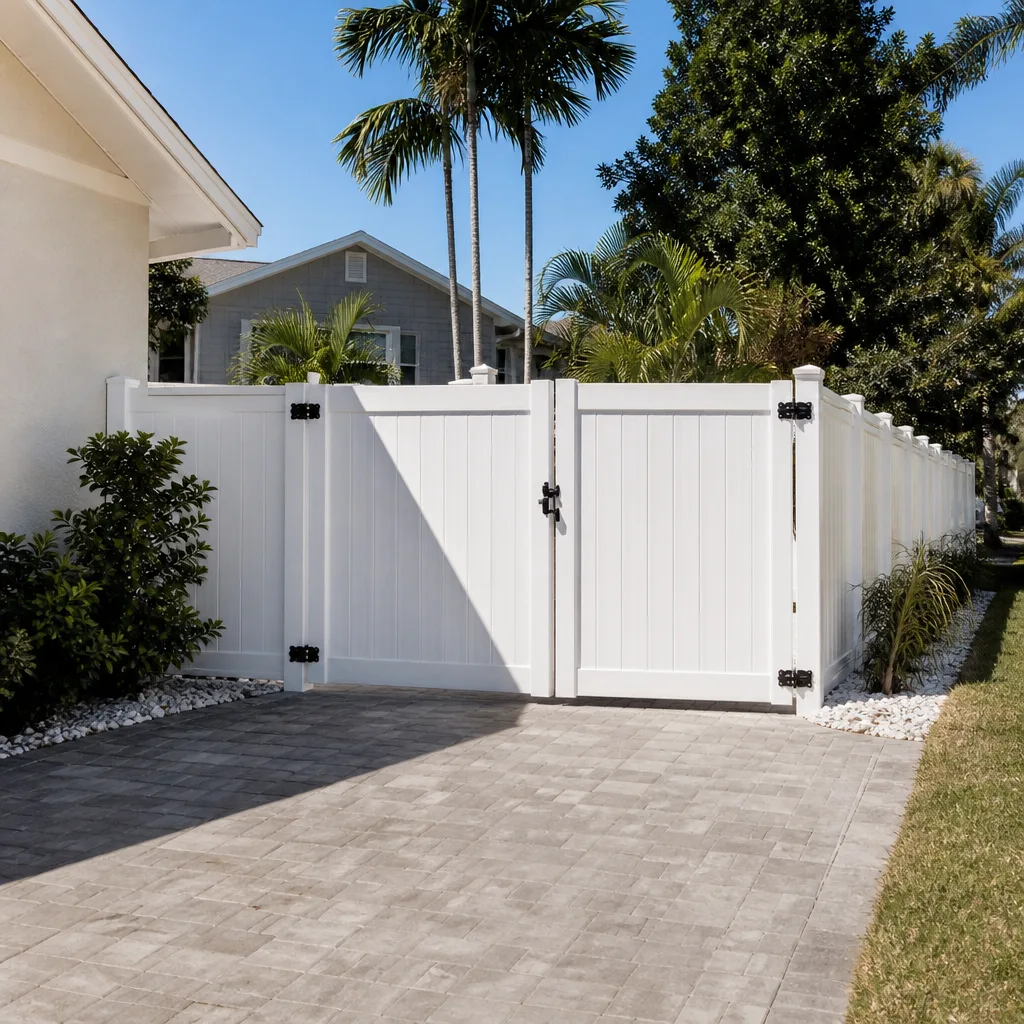
For the broader property perimeter, our crew treats Fence Installation in Garden Grove as a pest-prevention item specifically: a continuous fence line without gaps removes a harborage band. The related cost detail lives in our Driveway & Pavers in Garden Grove guide, where we also cover how a paver apron handles the drainage that would otherwise run against an addition wall.
The Documentation File That Protects Resale and Insurance
The single most valuable maintenance habit you can adopt is document keeping. When you sell the house or file an insurance claim, that file is the difference between a quick settlement and a slow argument.
Keep the following in one place – a physical folder or a shared cloud drive, whichever you will actually open:
- As-built drawings. The dimension-accurate plans for the addition, signed off during construction. Not the marketing plan; the as-built.
- Permit card and final inspection sign-off. Pulled and passed permits are a resale disclosure requirement in California. An unpermitted ADU is a liability the buyer’s lender will find.
- Warranty cards and manufacturer documents. Every appliance serial number, filter model, and cleaner-approved list.
- Maintenance log. A page per system, dated, with a photo.
- Contractor’s written scope and warranty. The signed change orders and the written warranty page from your builder.
- Photo record from each service visit. Every visit from Rowan Construction Group Garden Grove arrives with this already done – it is included as standard, not an upgrade.
- Insurance rider and policy additions. Your homeowner’s policy needs to reflect the added square footage. Many owners forget this, and find out during a claim.
If you are wondering what the addition side of this documentation looks like from the start, our Rowan Construction Group Garden Grove home page lays out the written-price and written-scope discipline that makes the resale file clean years later.
Common Mistakes to Avoid
- Treating a generic annual checklist as sufficient. The checklist that came with your last house did not anticipate a flashed roof joint to an old wall. Every item on it that assumes a single-timeline structure misses the highest-risk spot on yours.
- Power-washing composite decking like it’s wood. A 3,000 PSI wand lifts the cap layer off capped composite and voids the fade warranty on most brands. Mild soap, soft brush, under 1,500 PSI.
- Skipping the annual tankless descale. In hard-water Garden Grove, scale builds faster than the manufacturer’s 12-month interval assumes. The descale kit costs less than $60; the heat exchanger it protects costs more than $1,000.
- Sealing the flashing joint with any caulk you have on the shelf. Sealant compatibility is a real spec. Silicone over a modified bitumen flashing breaks the manufacturer warranty and can trap moisture under the lap. Read the flashing manufacturer’s spec first.
- Ignoring a slow rise on the sub-meter. A toilet fill valve drifting 200 gallons a month reads as nothing on the utility bill but signals a plumbing problem inside the addition well before you see water.
- Not filing the permit card after final inspection. Garden Grove’s building department issues a final sign-off; the file is yours to keep. Buyers’ agents will ask for it, and a re-pull on an added structure is a slow, expensive discovery.
- Painting the whole house on the south-facing schedule. The UV load on south and west faces runs 2 to 4 years ahead of the shaded elevations. Spot-coat the exposure that needs it, not the whole stucco envelope.
See the difference
 Before
 After
 Before
 After
 Before
 After
When to Call a Professional
Some maintenance is a homeowner’s job. Some is genuinely dangerous, and we’d rather you call than read a how-to. Call a licensed professional for: any roof flashing work above a single-story ladder reach, any foundation transition crack wider than a dime, any work inside an electrical panel or subpanel, any gas appliance service, and any diagnosis of a sub-meter drift. High-tension garage springs and roof-height work are also not DIY; a fall from a two-story roof is a life-changing event and the tools and fall protection to do the work safely cost more than the service call.
Rowan Construction Group Garden Grove offers free estimates in Garden Grove – call (888) 303-8980 to schedule a written, line-item review of any leaking joint, cracked transition, or appliance service you have been putting off. Our technicians have up to 19 years of experience, every project starts with a flat written price, and no change proceeds without a signed change order. If you have a competitor’s written estimate, we will review it line by line at no charge as a free second opinion.
Frequently Asked Questions

Inspect the old-to-new flashing joint every 6 months and re-seal it every year. The step flashing itself has a 10-to-15 year service life, but the sealant over it is closer to a 5-year cycle. In Garden Grove’s UV load, we see caulk lines crack on the south-facing joint first.
Yes, on most major brands. Warranty language typically requires documented annual descaling and disclaims scale damage to the heat exchanger. In hard-water areas around Garden Grove, an 8-to-10-month interval is more realistic than an annual one. Call (888) 303-8980 for a written flat-price descale and inspection.
It can mean a degrading water heater element, a failing compressor, or a spliced circuit pulling more load than it should. A 15-to-20 percent rise on the same usage pattern warrants a licensed electrician’s look. Do not open the panel yourself.
South and west stucco, and any wood or fiber-cement siding under irrigation overspray. In our experience, south-facing stucco fades and chalks 2 to 4 years ahead of the shaded elevations, and a sprinkler head aimed at the new ADU wall does visible damage within a single summer. Adjust the head, then repaint on the shorter cycle only for the exposed faces.
The as-built drawings, the signed permit card with final inspection sign-off, all warranty cards and serial numbers, your maintenance log, and the contractor’s signed scope and change orders. That file is what makes a resale disclosure clean and an insurance claim fast. Call (888) 303-8980 and we will review any missing documentation on a past project at no charge.
In Garden Grove, most attached or structural additions require a permit, and an unpermitted structure is a resale problem regardless of size. The safe answer is to check with the building department before you build. If you want the item quoted with a written flat price, call (888) 303-8980 for a free estimate.
The Bottom Line
An addition or ADU ages well or badly based on four joints: the roof flashing tie-in, the foundation transition, the shared framing, and the spliced utilities. Build a maintenance calendar around those joints, and the rest of the property’s checklist mostly takes care of itself. The 30-day inspection catches settling. The 6-month check catches weather intrusion. The annual cycle satisfies your warranties and cleans the systems. The 5-year cycle pays for the deep work that avoids a repair down the road. Keep the documentation file current, read your sub-meters, and get on the roof-side flashing joint before the rain does.
If you want a written inspection of the flashing and foundation transitions on your Garden Grove addition or ADU, with a flat price and the photo record included, call Rowan Construction Group Garden Grove at (888) 303-8980 to schedule your free estimate.
Written by the team at Rowan Construction Group Garden Grove.