Last updated November 17, 2026


Free written scope consultation - allowances, timeline, and change-order rules on paper before a single trade is scheduled
DIY vs Professional Bathroom Remodeling: What’s Safe to Do Yourself
A Garden Grove homeowner who installs a water heater without a permit can be ordered to tear it out and lose insurance coverage on a related claim, even if the install was done correctly. That’s the part most DIY guides skip. The real decision in bathroom remodeling isn’t “am I handy enough” but “am I legally allowed to do this, and what’s on the line if it goes wrong.” This guide draws a plain line between the work Garden Grove homeowners can legally do themselves, the work that needs a permit but not a contractor, and the work California says requires a licensed trade professional. You’ll get dollar figures, code references, and the failure points we actually see on tear-outs.
Quick Answer
In Garden Grove and across California, you can legally do most cosmetic bathroom work yourself without a permit: swapping a toilet or vanity in the same location, replacing a mirror, painting, regrouting, or changing a faucet. Anything that moves, adds, or alters plumbing, electrical, or structural elements requires a permit, and some of it (new circuits, gas, structural changes) legally requires a licensed contractor. The tasks that most often cost homeowners more than they save are shower pan construction, cement board taping, and exhaust fan ducting.
Styles & brands we work with
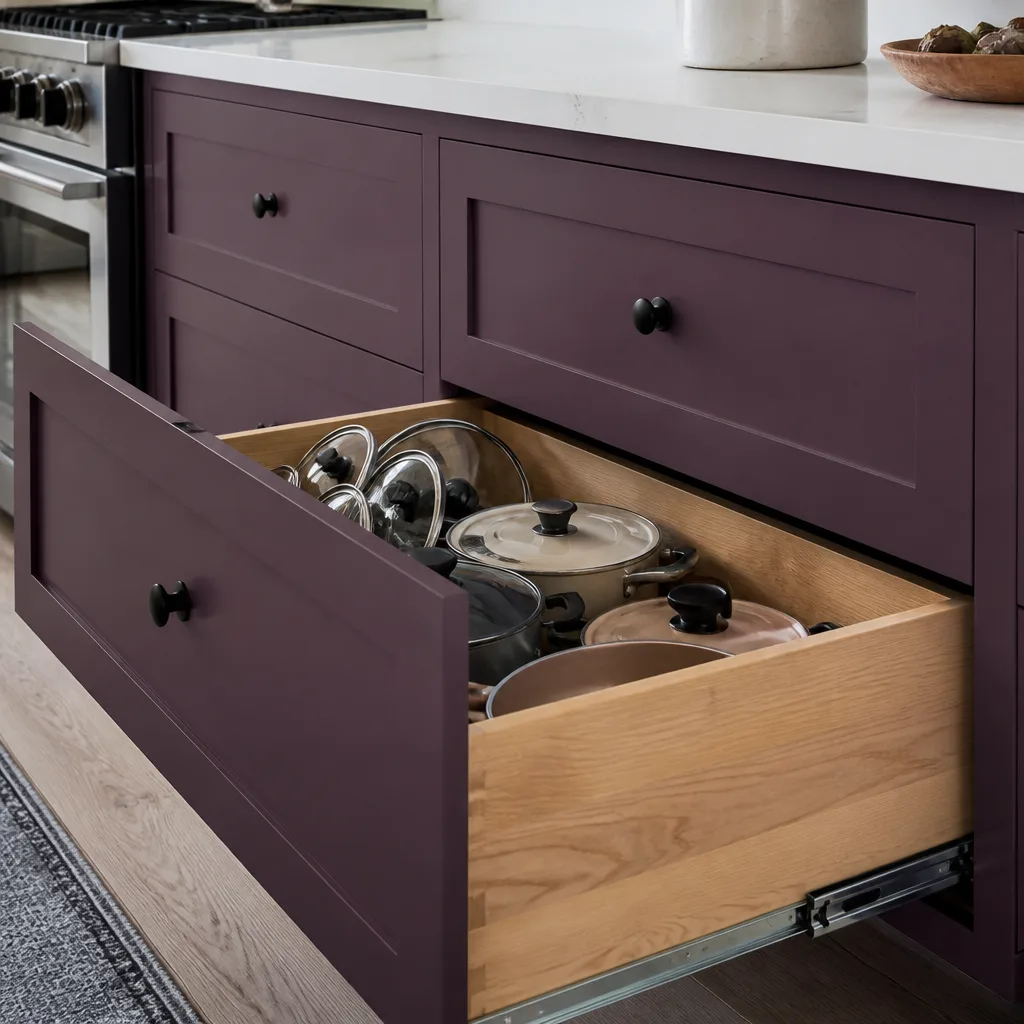
- Kitchen remodeling
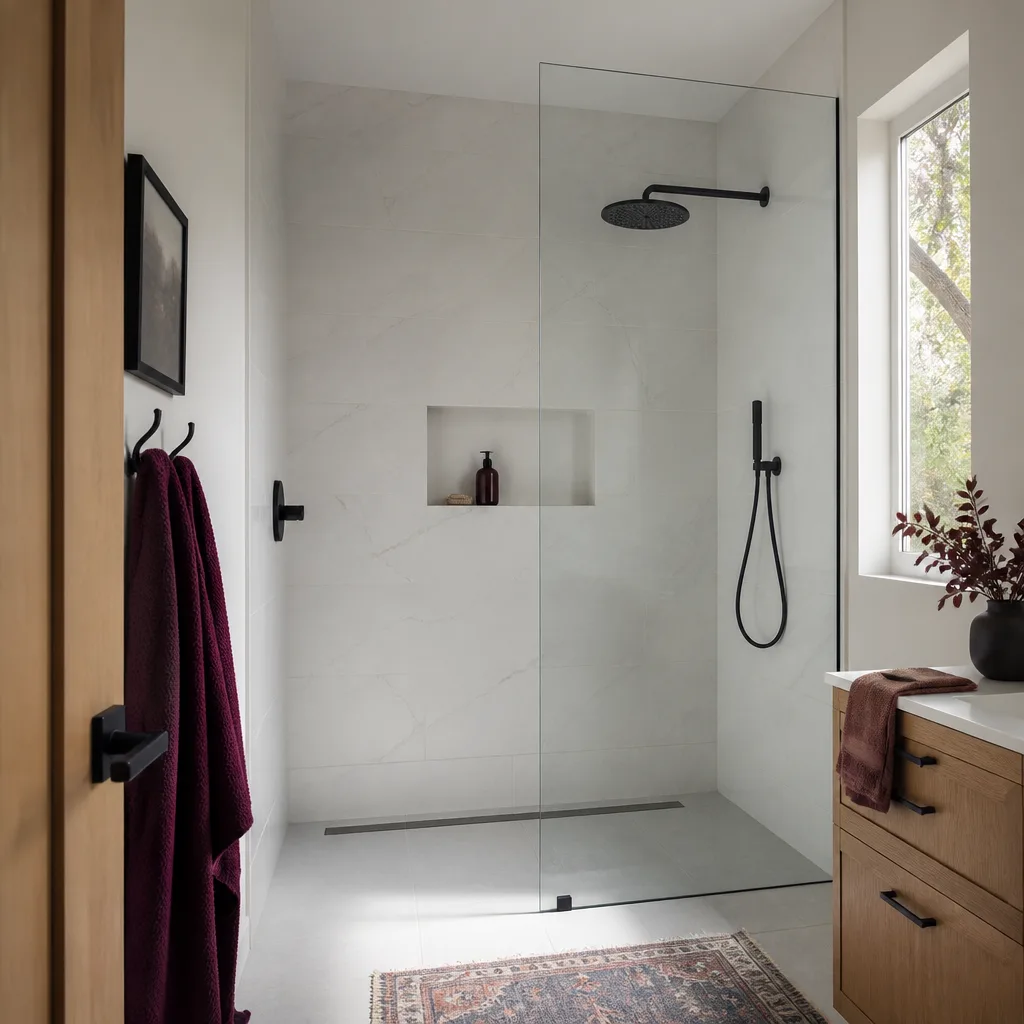
- Bathroom remodeling
- Home additions & ADU
- Roofing
- Windows & doors
- Driveway & pavers
- Fence
Table of Contents
- The Three-Category Framework
- What Triggers a Permit in Garden Grove
- DIY Tile vs Hiring a Tile Subcontractor
- Insurance, Liability, and Resale Disclosure
- Where DIY Creates Expensive Remediation
- California Code: What Legally Requires a License
- Common Mistakes to Avoid
- When to Call a Professional
The Three-Category Framework
The fastest way to sort bathroom tasks is into three buckets. Most arguments about DIY disappear once you know which bucket a job falls into.
- No permit required, owner-eligible. Direct swaps in the same location: replace a toilet, swap a vanity of the same size, change a faucet or showerhead, replace a mirror, repaint, regrout tile, install a new vanity top, replace cabinet hardware. These are the safest DIY tasks in a bathroom.
- Permit required, owner-builder eligible. In California, a homeowner can pull an owner-builder permit for work on their own primary residence, provided they intend to live there at least 12 months after completion. This covers things like relocating a shower valve a few inches, changing a tub to a walk-in shower in the same footprint, or adding a new floor drain. The tradeoff: you become responsible for inspections, and you assume the liability of doing the work correctly.
- Licensed contractor required. Per California Business and Professions Code Section 7042, any project over $500 in labor and materials (combined) requires a licensed contractor. New electrical circuits, gas lines, and any structural modification require licensed trades regardless of the $500 threshold. This is not a soft rule: unlicensed contracting is a misdemeanor, and the homeowner can be left holding the bag if something fails.
The category that surprises people is number three. A $900 shower valve replacement falls under BPC 7042 because the labor-and-materials total exceeds $500. That’s the line. It doesn’t care how confident you are with a torch.
What Triggers a Permit in Garden Grove
The city of Garden Grove requires a building permit for any work that moves, adds, or alters plumbing, electrical, or structural elements in a bathroom. Here’s what that looks like in practice.
Permit required in Garden Grove:
- Relocating a toilet drain or supply line
- Adding a new electrical outlet, GFCI circuit, or dedicated lighting circuit
- Converting a tub to a shower with a new drain location
- Removing or altering a load-bearing wall
- Installing a new exhaust fan that requires a new duct run through a wall or roof
- Anything involving gas (rare in a bathroom, but common in adjacent laundry rooms)
No permit required in Garden Grove:
- Direct swap of a toilet in the same location (same rough-in dimensions)
- Replacing a vanity of the same size and in the same spot
- Replacing a mirror, light fixture of equal amperage, faucet, or showerhead
- Regrouting, recaulking, painting, or refinishing tile
One Garden Grove reality: the city has a lot of 1950s and 1960s tract homes where bathrooms were originally built with galvanized supply lines and cast iron drains. When a homeowner pulls a toilet to replace it and finds a crumbling closet flange, that “direct swap” can turn into a permit job in about ten minutes. Older housing stock means the permit line gets crossed more often than people expect, especially in neighborhoods around Garden Grove Boulevard and the historic downtown area.
DIY Tile vs Hiring a Tile Subcontractor
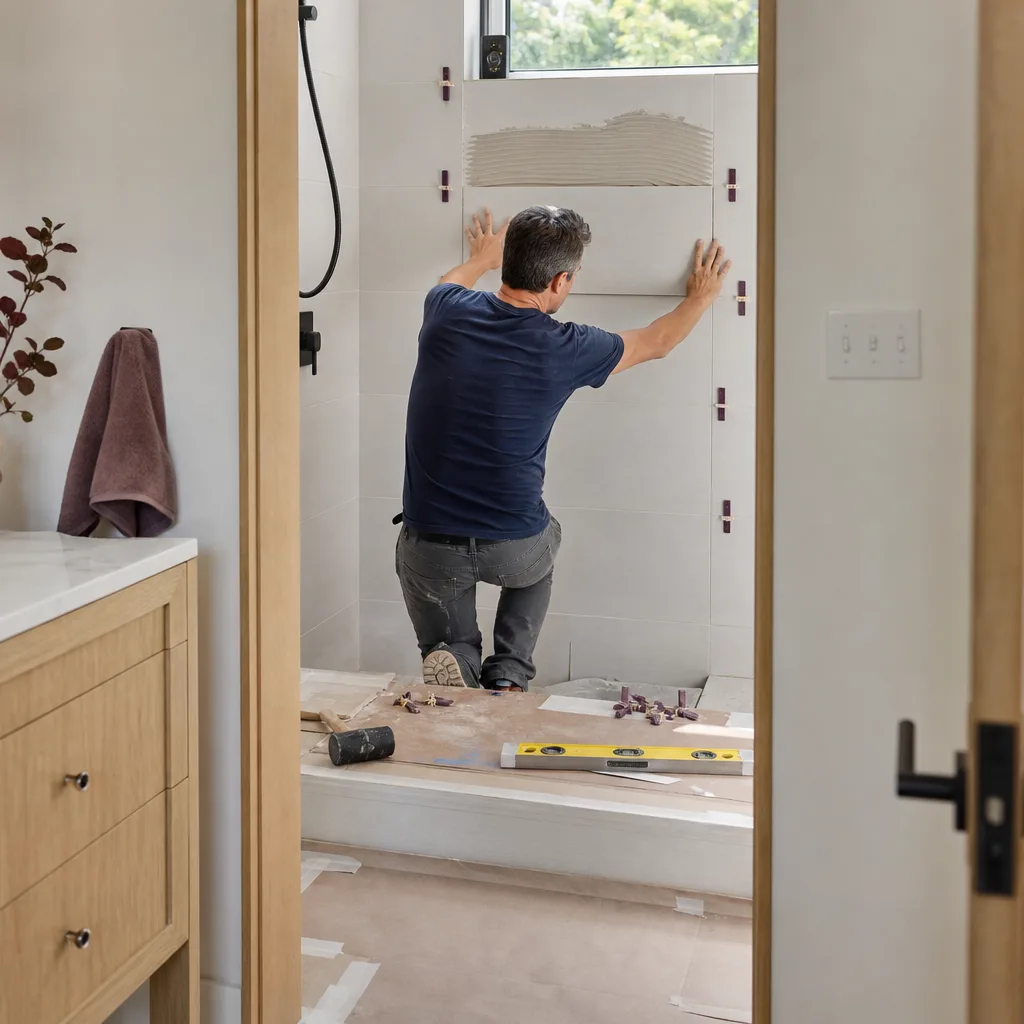
Tile is where the DIY math gets closest, so let’s put real numbers on it. A standard 5-by-8 bathroom floor is about 40 square feet, plus shower walls that commonly add 60 to 80 square feet. Call it 120 square feet of tile total for a tub-to-shower conversion.
The DIY tile budget
- Tile: $4 to $9 per square foot, so $480 to $1,080
- Thinset, grout, cement board, waterproofing membrane: $250 to $400
- Wet saw rental (or purchase): $80 to $250
- Trowels, spacers, float, notched trowel, mixing paddle: $100 to $180
- Time: 20 to 30 hours for a first-timer, spread over a week or more
- Total: roughly $900 to $1,900 plus a week of your evenings
The subcontractor comparison
A tile subcontractor in Garden Grove typically charges $12 to $18 per square foot installed, which includes setting materials and labor. At 120 square feet, that’s $1,440 to $2,160. That range is why tile is one of the only bathroom tasks where DIY can save real money – provided the job goes well.
What a bad tile job costs to fix
When the membrane wasn’t sloped, the cement board wasn’t taped with thinset and mesh tape, or the shower pan pooled water, the fix is demolition. Tearing out a failed shower and re-tiling runs $3,000 to $6,000 in the Garden Grove market, because it includes disposal and rough-in repair. A first-timer who redoes a 40-square-foot floor three times has spent more in materials and weekends than a subcontractor would have charged on day one.
Insurance, Liability, and Resale Disclosure
Unpermitted bathroom work in California has three consequences that homeowners rarely consider before they pick up a trowel: insurance exposure, resale disclosure, and liability if someone is injured on the job.
Insurance. If a bathroom leak starts in a shower pan you built without a permit, most California homeowner policies will still cover the resulting water damage – but they may deny or reduce coverage if the claim traces back to unpermitted, non-compliant work. The deeper issue is disclosure. Some insurers ask on renewal whether the home has had unpermitted work, and a “yes” can affect eligibility or pricing.
Resale disclosure. California Civil Code Section 1102 requires sellers to disclose known material defects and any work done without the required permits on the Transfer Disclosure Statement. That means a homeowner who pulls their own vanity and relocates the sink line without a permit has to write “unpermitted plumbing” on the form at resale. Buyers read that line, and it usually costs more at negotiation than the permit would have cost to pull in the first place.
Liability. If a friend helping you demo a shower gets hurt, your homeowner’s policy may or may not cover it depending on how the claim is characterized. If you hire an unlicensed “handyman” for a $4,000 bathroom job and something goes wrong, you generally have no contractor license bond to recover against. That’s why we push the BPC 7042 threshold hard: it protects the homeowner, not just the trade.
Where DIY Creates Expensive Remediation
Three bathroom tasks show up on our tear-out schedule more than any others, and all three are tasks where the mistake looks fine cosmetically for six to eighteen months.
- Cement board installation errors. The most common: cement board screwed tight to the studs with no thinset behind it, joints not taped with alkali-resistant mesh and thinset, and corners butted instead of gapped. The board feels solid and looks right – then the first winter rain season in Garden Grove pushes the shower into daily use and the movement cracks the grout lines. Water gets behind the tile, the board wicks, and mold establishes in the stud cavity. The fix is full demolition.
- Improperly sloped shower pans. A pre-sloped pan needs a 1/4-inch fall per foot toward the drain, and the waterproofing membrane below the mud bed has to be continuous with the curb and the drain flange. Curbs built from green board or regular drywall, or pans built with a single layer of mud over the subfloor, will leak. There’s no cosmetic fix for a bad pan; the shower comes out.
- Fan ducting terminated in the attic. This is the one we see most often on 1960s Garden Grove homes. The installer runs flex duct 4 feet into the attic and stops. The fan “works” – it pulls air out of the bathroom – but that moisture now condenses on attic framing and roof sheathing instead of leaving the house. Over two or three winters it can rot the roof deck and stain the ceiling. Terminating the duct through the roof or gable is a small job; repairing the damage four years later isn’t.
California Code: What Legally Requires a License
California draws a harder line than most homeowners realize. Business and Professions Code Section 7042 requires a licensed contractor for any project over $500 in combined labor and materials. There’s no “small job” exception for a bathroom remodel once you start moving anything.
The tasks that clearly require a licensed trade:
- Any new electrical circuit, GFCI, or panel work – requires a licensed C-10 electrician and a permit
- Any gas line work – requires a licensed contractor and a permit
- Structural changes to walls, floors, or ceiling framing – requires a licensed contractor and engineering as appropriate
- Water heater installation – requires a licensed contractor and a permit in Garden Grove
- Moving a drain or supply line more than a direct swap – requires a licensed C-36 plumbing contractor and a permit
The tasks homeowners can do themselves (with or without a Garden Grove permit) are the direct swaps, cosmetic work, and finish work that don’t touch the systems above. If a task requires a permit for plumbing or electrical, the work itself needs a licensed trade; the owner-builder exception applies to the structural scope, not to displacing the licensed-trade requirement. Pulling an owner-builder permit for a job that legally requires electrician or plumber sign-off doesn’t change the requirement.
If your bathroom scope is starting to overlap with a larger project – moving walls, converting a bedroom, or adding a bathroom to the home’s footprint – that’s an Home Additions & ADU in Garden Grove conversation, not a bathroom one. The permit process and the insurance requirements are different.
Common Mistakes to Avoid
- Skipping the permit because “it’s just a swap.” A direct vanity swap is fine, but if you run a new P-trap or move the supply stub-outs to fit a wider cabinet, the job needs a permit. Inspectors in Garden Grove look for evidence of altered rough-in behind the cabinet.
- Buying tile before measuring the substrate. A 1960s Garden Grove home often has a 1-inch-thick mortar bed under the existing floor tile. Demo brings you to the subfloor in one long afternoon, and then you’re committed to a rebuild you didn’t budget for. Measure first.
- Treating waterproofing as optional. RedGard or Schluter Kerdi isn’t a “nice to have.” It’s what stands between the tile and the studs. We see showers where the previous owner used cement board and no membrane at all, and they always fail.
- Running the fan duct into the attic. Attic termination is the single most common bathroom venting error in older Garden Grove homes. Check where your current fan terminates before you install a new one.
- Forgetting the GFCI. Any outlet within 6 feet of the sink needs GFCI protection. If your bathroom has a 1970s install, it probably doesn’t, and an inspection will catch it during the next permit regardless of what the job is.
- Doing your own electrical on a “small” job. A new under-cabinet light sounds like a five-minute job, but a new circuit tripping into the panel is a licensed-electrician scope. Don’t cross that line.
- Hiring an unlicensed handyman for the parts you don’t want to do. Under BPC 7042, using an unlicensed contractor on a project over $500 leaves you with no bond to recover against, no insurance, and no worker’s comp if someone is injured in your home.
When to Call a Professional
Call a licensed contractor when the job crosses any of these lines: the scope requires a permit for plumbing, electrical, or structural; the total project value exceeds $500 for anyone other than you as the owner-builder; the shower pan, pan waterproofing, or drain relocation is part of the work; the bathroom is in a 1950s to 1970s Garden Grove home where galvanized plumbing or cast-iron drains may need replacement; you find water damage, mold, or a rotted subfloor during demo; or the job overlaps with a larger addition. Those are the moments where the honest dollars-and-cents answer is that hiring out costs less than the failure cost.
Rowan Construction Group Garden Grove offers written flat-price estimates on bathroom remodeling, with the scope and warranty in writing before any work starts. Call (888) 303-8980 for a free estimate, and if you’ve already got a competitor’s quote, we’ll review it line by line at no charge under our Free Second Opinion standard.
See the difference
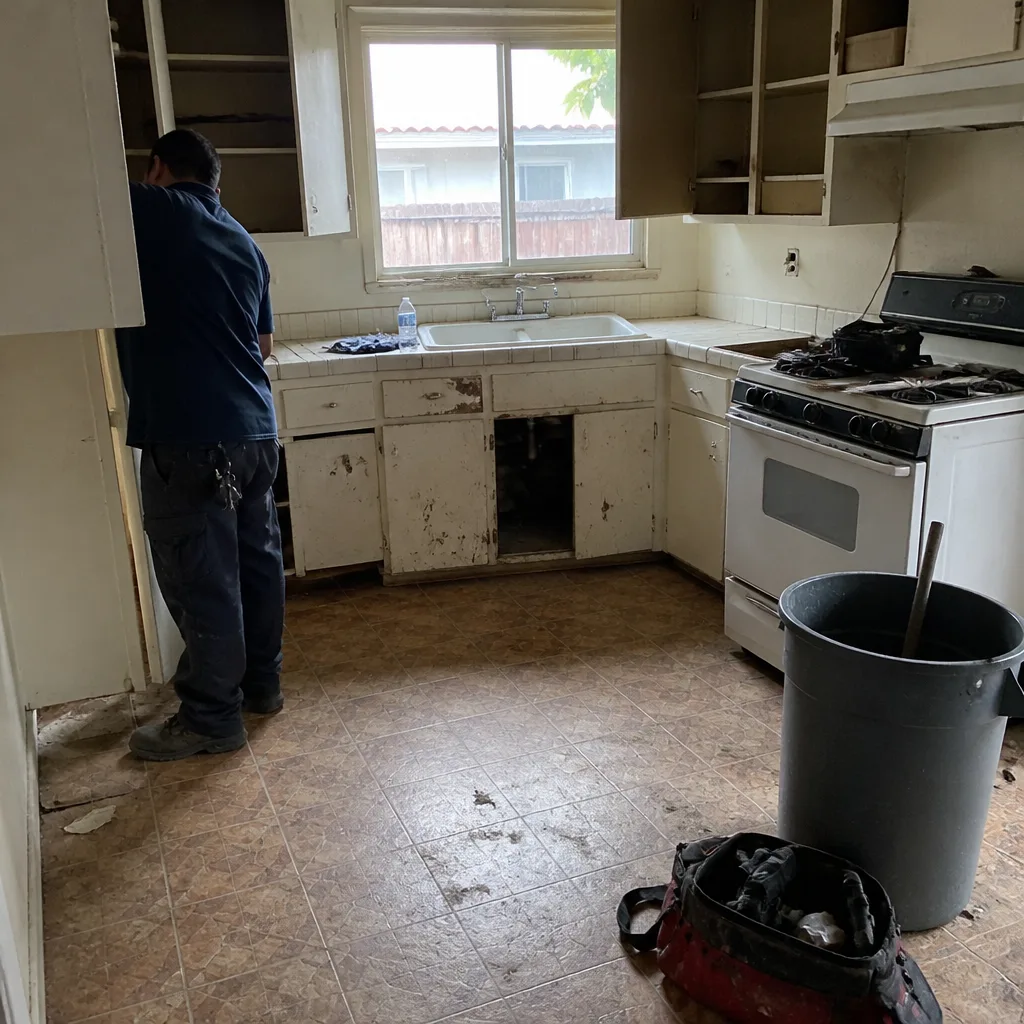 Before
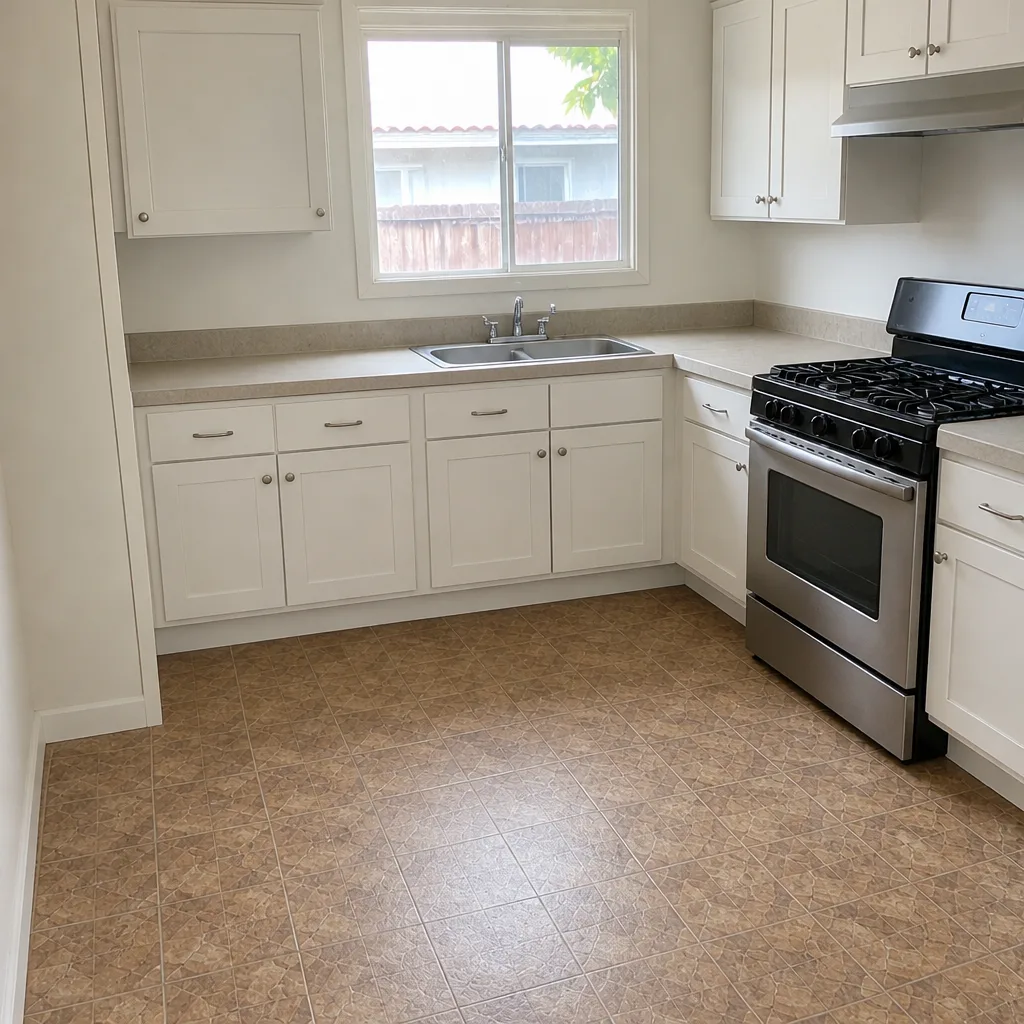 After
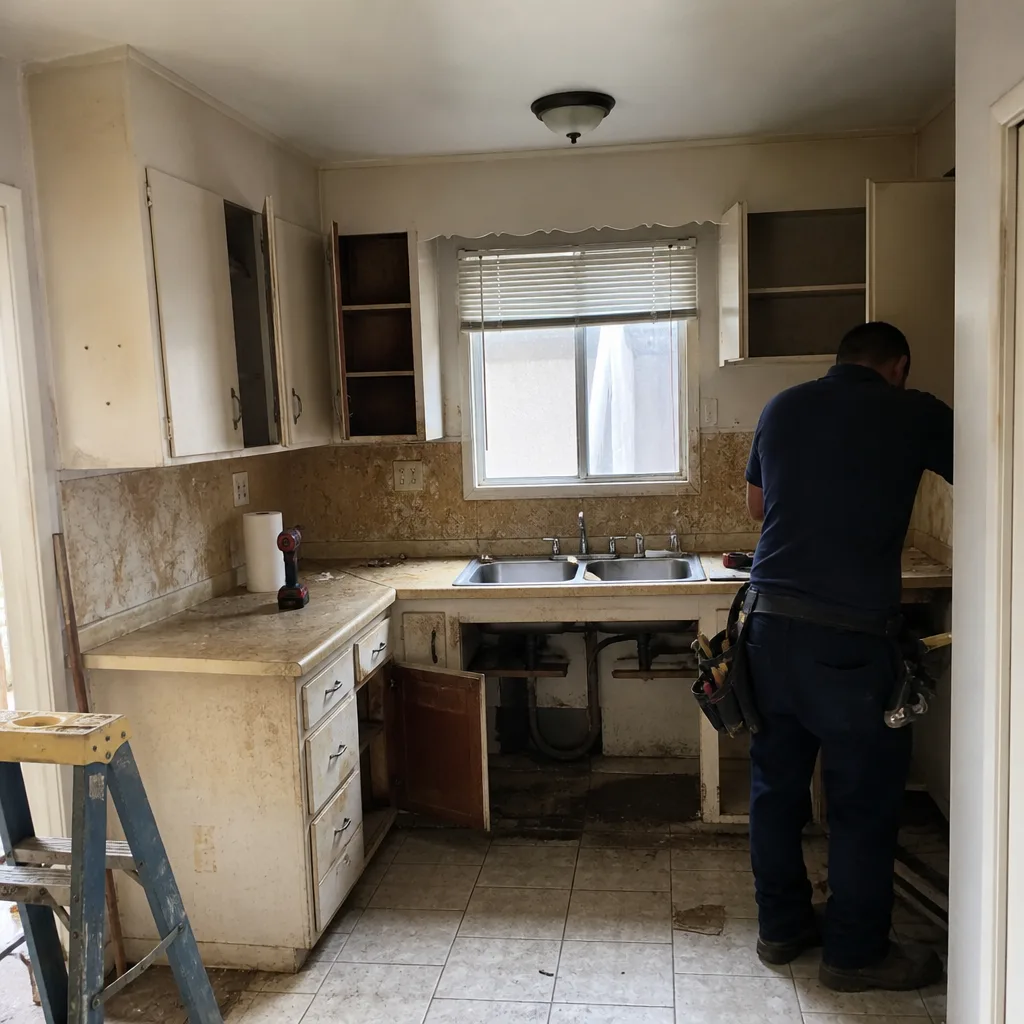 Before
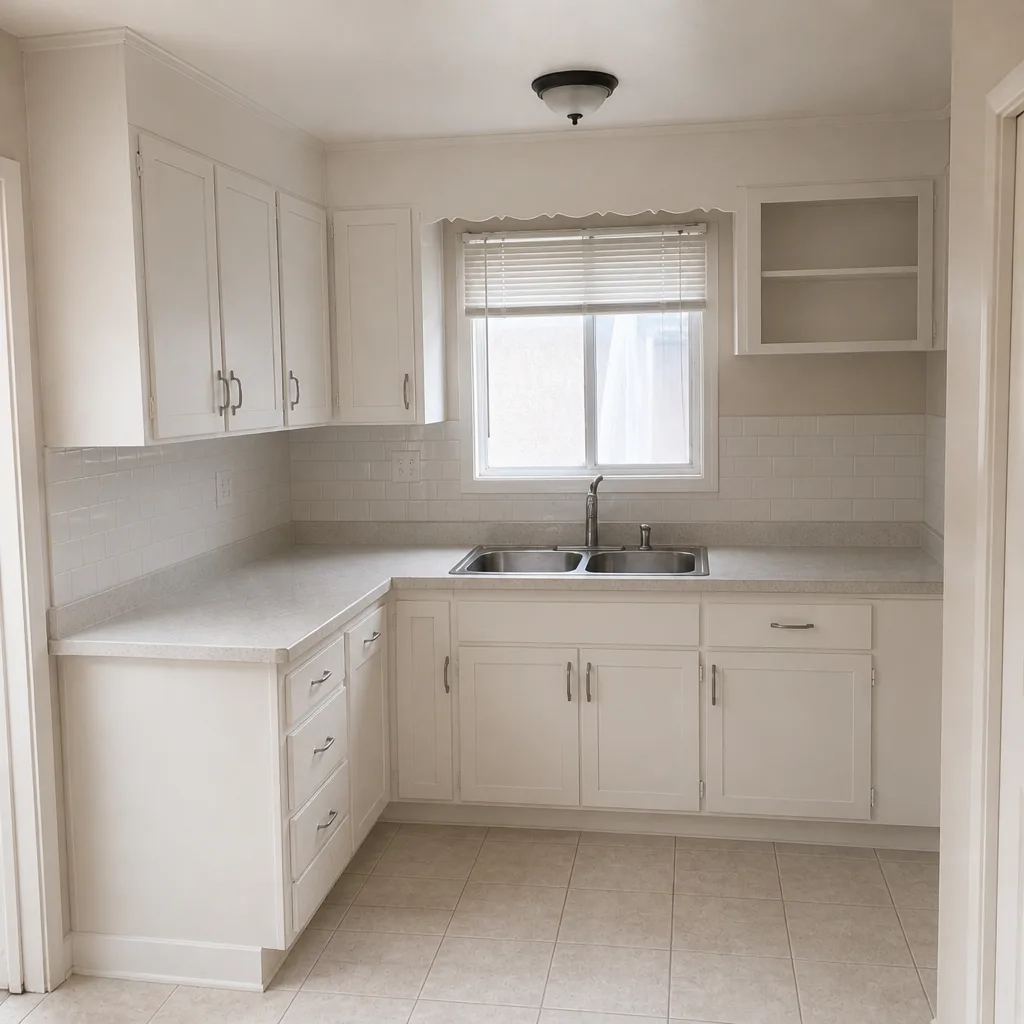 After
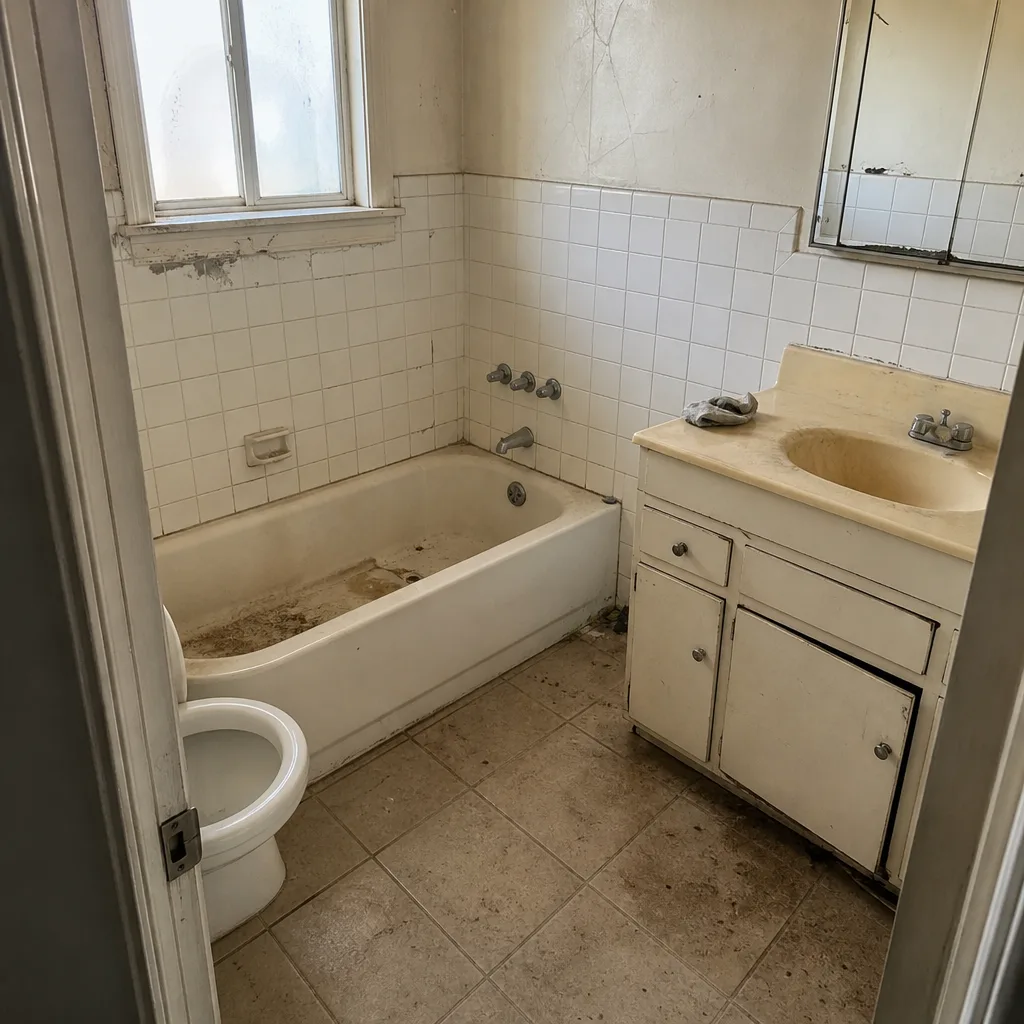 Before
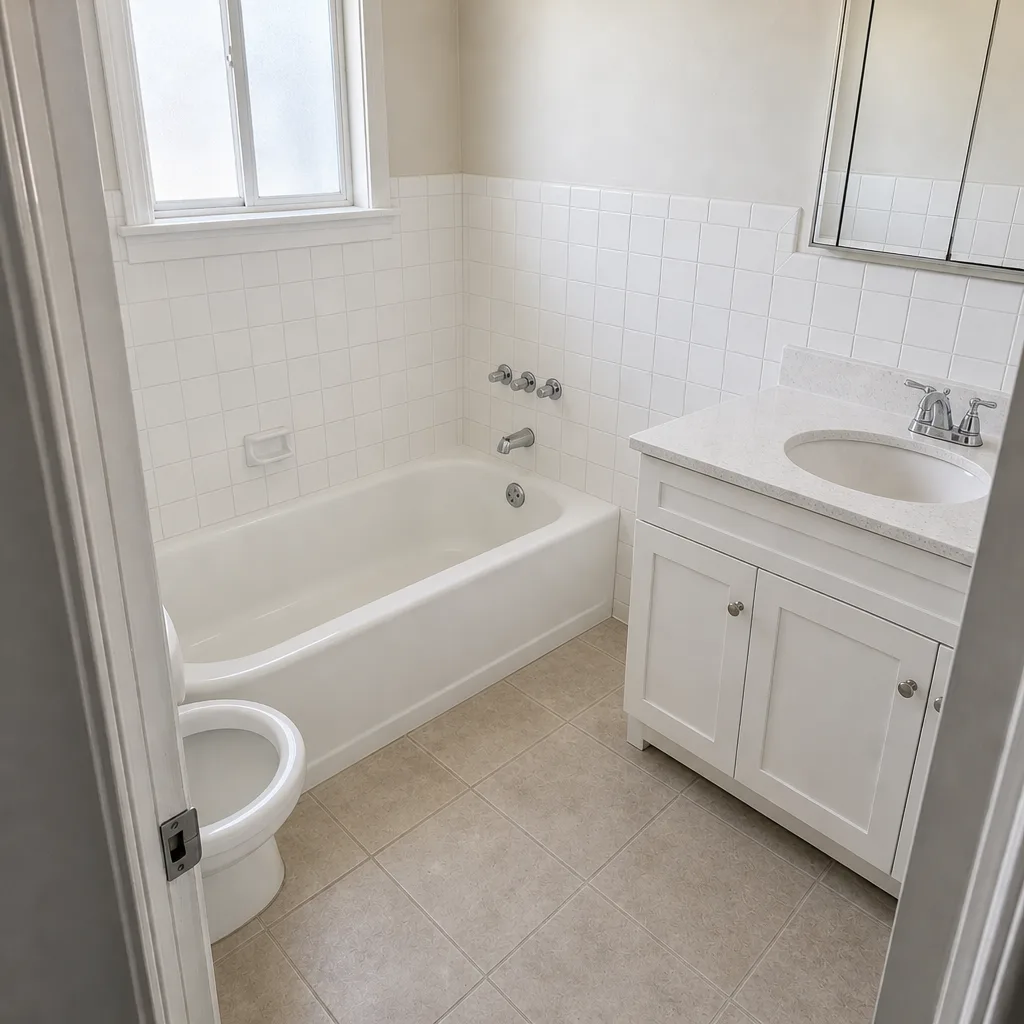 After
Frequently Asked Questions
You can legally do cosmetic work and direct swaps without a permit in Garden Grove: replacing a toilet, vanity, mirror, or faucet in the same location; regrouting; painting; replacing a showerhead. Anything that moves, adds, or alters plumbing, electrical, or structural elements requires a permit. If you’re unsure, the safest call is to a licensed contractor who can tell you in five minutes what scope pulls permits.
Yes, in nearly all cases. A shower pan replacement involves the drain assembly and waterproofing membrane, which is plumbing and waterproofing work that falls under California Business and Professions Code Section 7042 once the labor and materials exceed $500 (which they will). It also requires a permit in Garden Grove. This is one of the tasks where DIY becomes a tear-out within two years if the pan isn’t sloped and waterproofed correctly.
You can be ordered to remove or correct the work at your own cost, and the unpermitted work has to be disclosed on the Transfer Disclosure Statement at resale under California Civil Code Section 1102. Insurance coverage on a related claim may be denied or reduced. The correction cost typically exceeds the permit fee by a factor of ten or more, which is why we push the permit step hard even on small jobs.
A cosmetic bathroom refresh in Garden Grove typically runs $8,000 to $15,000. A mid-range full remodel with new tile, vanity, shower, and fixtures runs $18,000 to $32,000. A full gut with layout changes, new plumbing rough-in, and structural work runs $35,000 to $60,000 or more. The range depends on the age of the home and what’s found behind the tile. Call (888) 303-8980 for a written flat-price quote – estimates are free.
It can be, if the substrate is sound, the waterproofing is done correctly, and you have the budget for tools and time. A tile subcontractor in Garden Grove charges $12 to $18 per square foot installed, so a 120-square-foot job runs $1,440 to $2,160 in labor. A first-timer’s DIY materials and tool budget is $900 to $1,900. The math flips when a job needs redoing – a failed shower tear-out and rebuild is $3,000 to $6,000. Call (888) 303-8980 for a line-item quote comparison if you’re on the fence.
It can. The claim itself is often covered, but insurers may deny, reduce, or rescind coverage if the claim traces back to unpermitted work, and some policies ask about unpermitted work on renewal. The bigger exposure for a homeowner is at resale, where Civil Code Section 1102 requires disclosure. Insurers and buyers both price that risk. Call (888) 303-8980 and we’ll walk you through what a permitted scope looks like for your bathroom.
The Bottom Line
DIY in a bathroom makes sense on direct swaps, cosmetic work, and finish work where a mistake is recoverable in a weekend. It stops making sense the moment the job touches plumbing rough-in, new electrical circuits, structural elements, or the shower pan. Those tasks trigger permits in Garden Grove, fall under California’s licensed-contractor line, and have failure costs that exceed the labor savings by a factor of two to three. The tasks worth hiring out are the ones where the mistake shows up eighteen months later: shower pans, cement board, and fan ducting. If your project crosses those lines, the call to a licensed contractor is the cost-saving move, not the expensive one. Rowan Construction Group Garden Grove publishes the written price before work starts, uses background-checked uniformed technicians, and hands you a documented photo record of every visit. Call (888) 303-8980 for a free estimate.
Written by the team at Rowan Construction Group Garden Grove.