Last updated November 17, 2026


Free written scope consultation - allowances, timeline, and change-order rules on paper before a single trade is scheduled
DIY vs Professional Construction: The Garden Grove Homeowner’s Decision Guide
Here’s the part of the DIY conversation most homeowners never hear: in California, the real dividing line isn’t whether you can do the work. It’s whether you’re legally allowed to, and whether your insurance still covers the house afterward. A Garden Grove homeowner who installs their own water heater without a permit isn’t just risking a small fine. If a water damage claim ever traces back to that unpermitted install, the carrier can point to it and deny coverage on a policy protecting a home worth several hundred thousand dollars. This guide draws the legal and financial lines first, then talks skill and cost, so you can decide any project with clear eyes.
Quick Answer
For most Garden Grove homeowners, the DIY decision comes down to four variables, not one: project value, permit requirement, trade licensure requirement, and insurance impact. California law bars unlicensed contractors from jobs over $500 in combined labor and materials, and the owner-builder exemption lets you work on your own residence, but it still requires permits and inspections, and it does not protect your insurance coverage or your ability to sell. Painting, non-structural demo, and landscaping are realistic DIY. Electrical panels, gas lines, and structural framing are not.
Styles & brands we work with
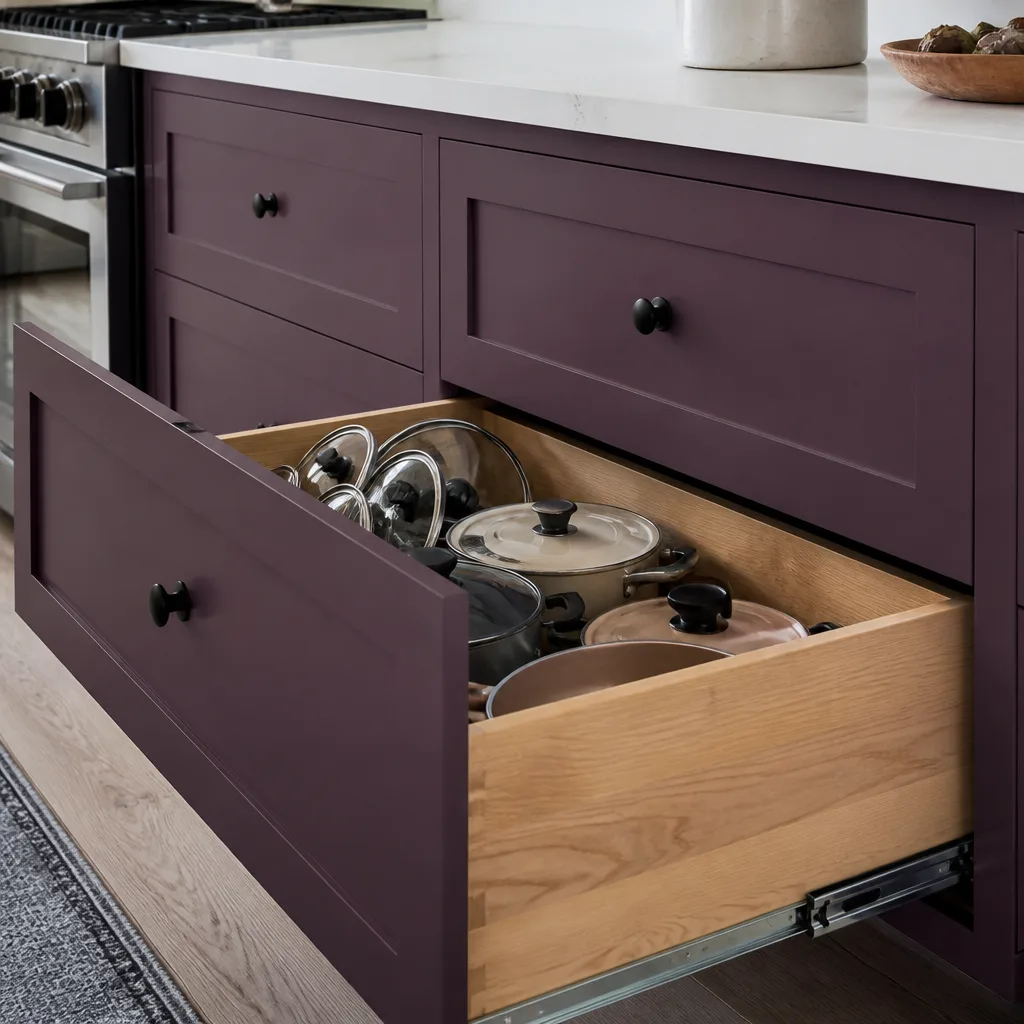
- Kitchen remodeling
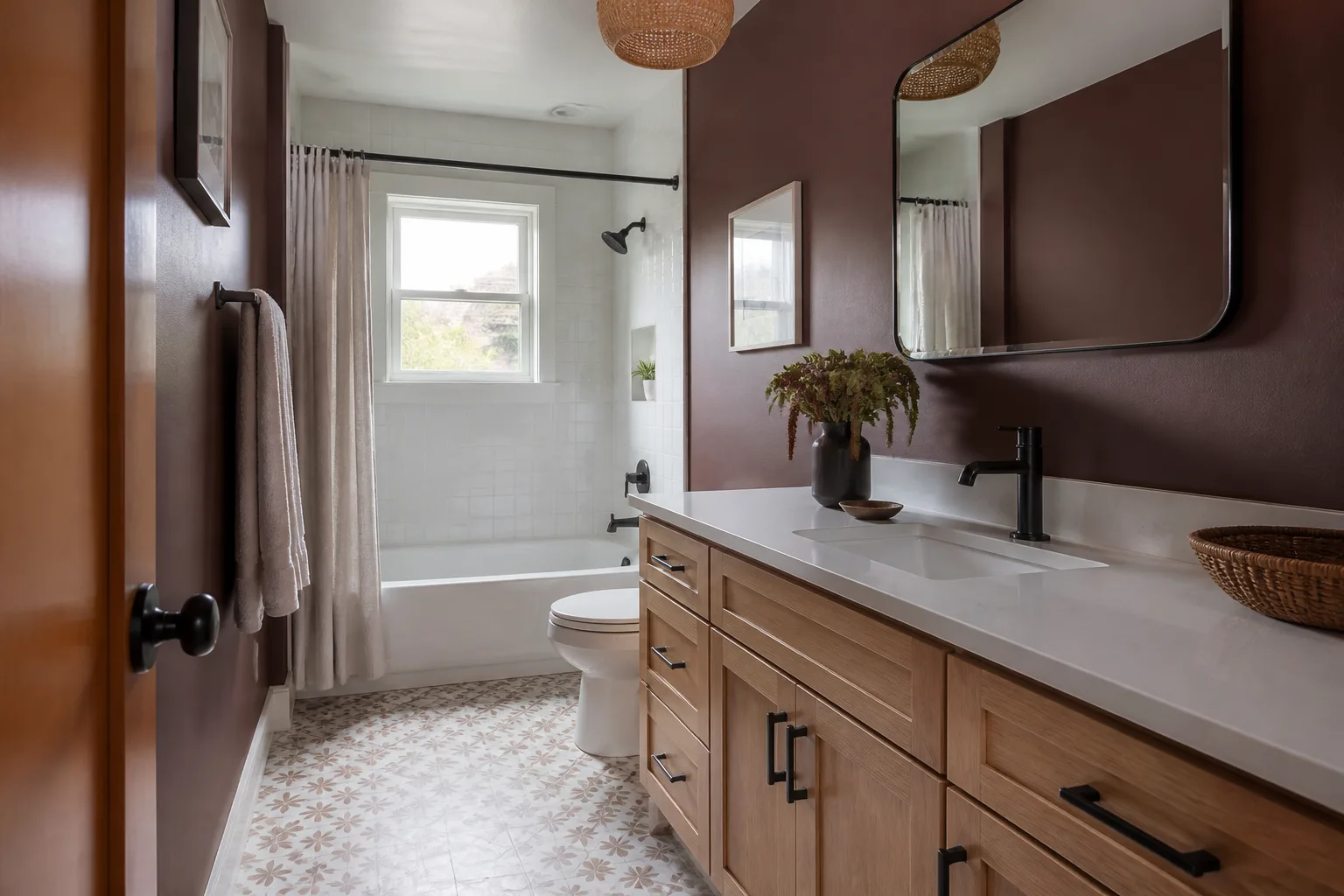
- Bathroom remodeling
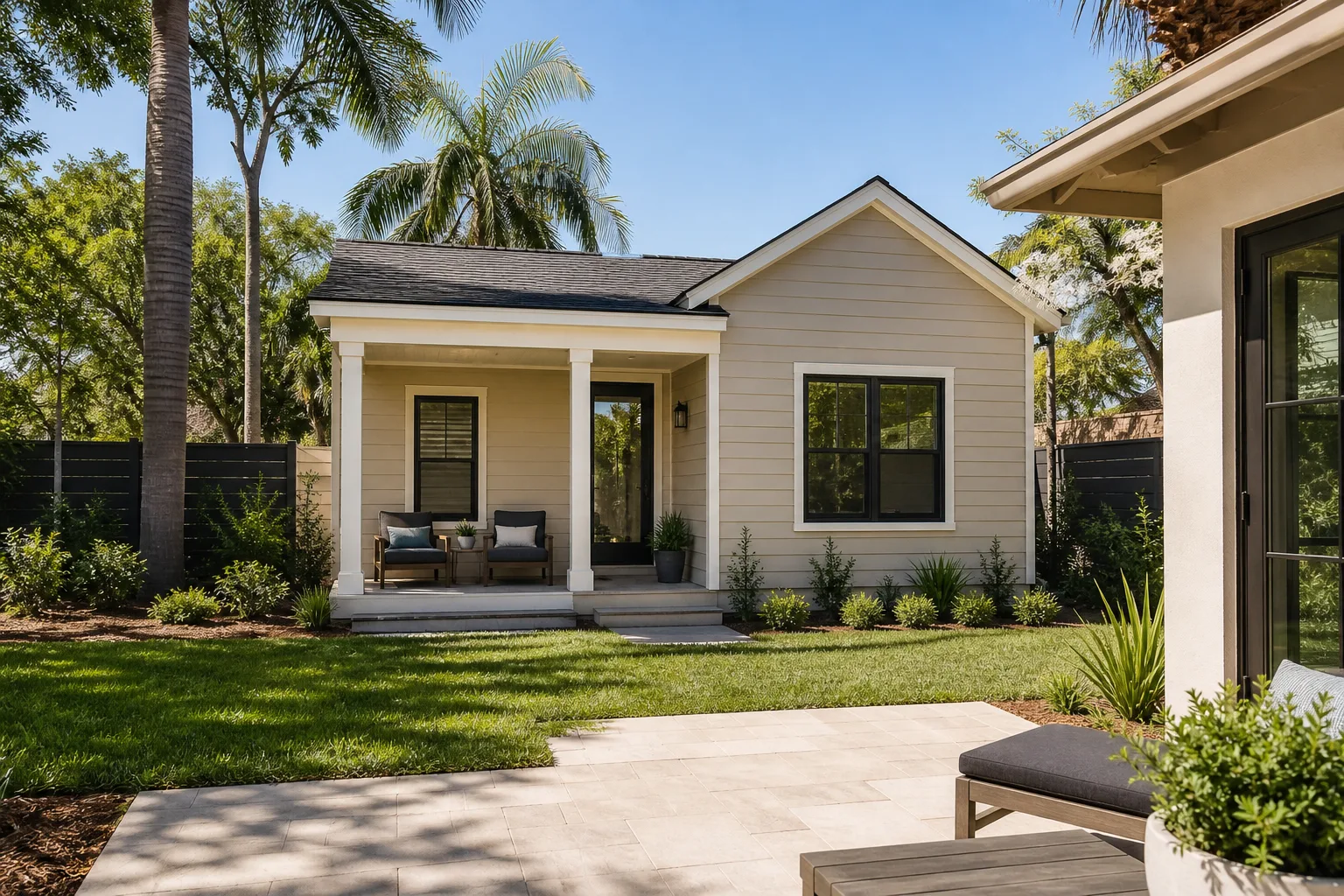
- Home additions & ADU
- Roofing
- Windows & doors
- Driveway & pavers
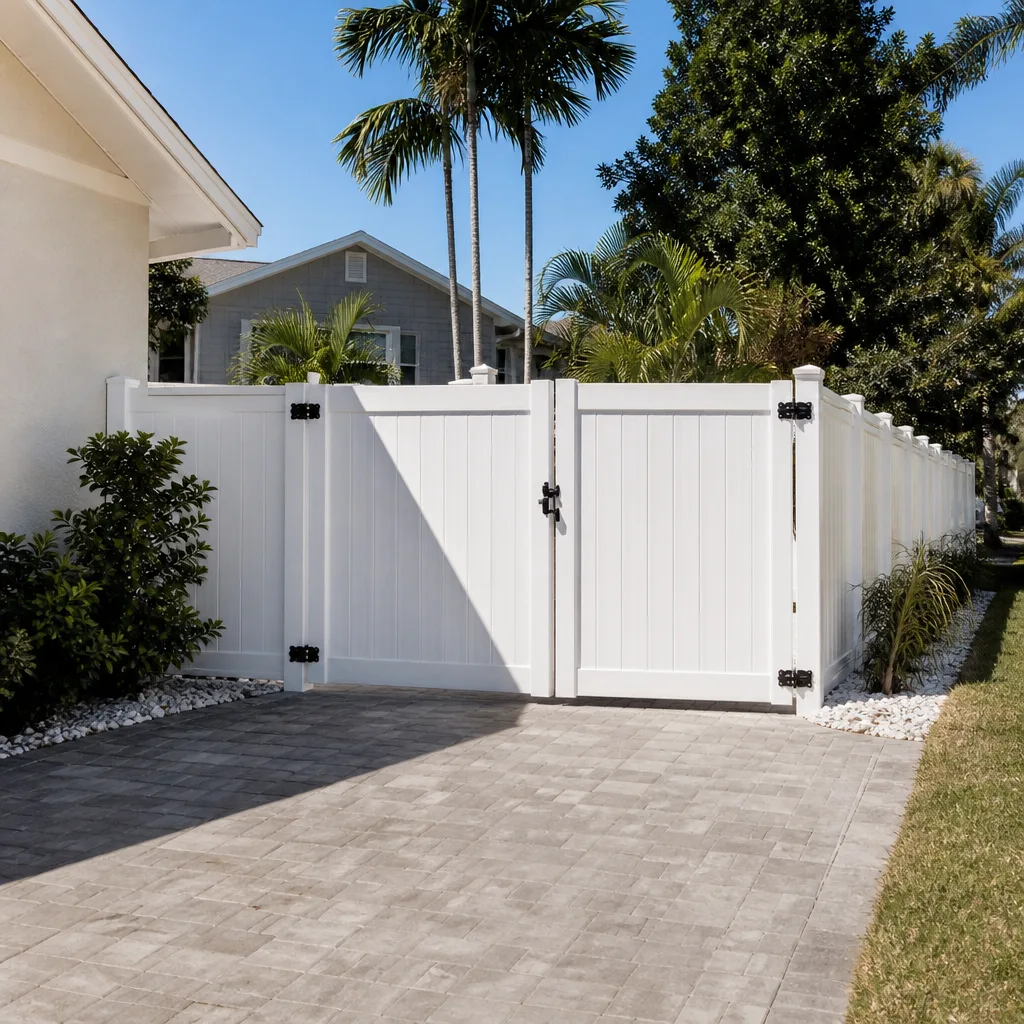
- Fence
Table of Contents
- What California law actually says: the $500 rule and the owner-builder exemption
- Which projects are legally straightforward for a Garden Grove homeowner
- Which trades require a licensed professional, no exceptions
- The hidden costs that make DIY more expensive than its material list
- How unpermitted work affects a home sale in California
- The four-variable decision matrix: score any project in five minutes
- Garden Grove-specific factors: climate, housing stock, and code
- When to call a professional
What California law actually says: the $500 rule and the owner-builder exemption
The rule people quote and rarely explain is Business and Professions Code §7048. It makes it a misdemeanor to act as a contractor without a license, and the threshold that defines “contractor” is a job of $500 or more in combined labor and materials. That’s the number that governs whether the person swinging the hammer needs a state license, not whether the job feels big.
The owner-builder exemption is the other half. It lets a homeowner perform work on their own residence, but most people miss what it still requires. Under the exemption you can:
- Pull permits in your own name as the owner-builder
- Perform the work yourself on a residence you occupy
- Act as your own “contractor” for the project
And you still have to:
- Obtain the permits the work requires from the city
- Pass every inspection, including rough-in and final
- Disclose unpermitted work when you sell the home
- Carry the full legal liability if the work fails or injures someone
What the exemption does not do is protect your insurance coverage. If work done under the owner-builder exemption causes a loss, the carrier can treat it as outside the policy’s expectations. That’s the gap this guide keeps coming back to. The owner-builder exemption is a permission slip, not a safety net.
Which projects are legally straightforward for a Garden Grove homeowner
Some work in Garden Grove is genuinely fine to do yourself, both legally and practically. These are the categories where the owner-builder exemption does its job and the insurance exposure stays low:
- Interior painting – no permit, low risk, and the failure mode is cosmetic. A repaint in a 1960s ranch home near Garden Grove Boulevard is a weekend job, not a permit event.
- Non-structural demolition – removing cabinets, pulling carpet, tearing out a non-load-bearing partition after confirming it isn’t structural. Never assume a wall is decorative; verify first.
- Landscaping and planting – sod, garden beds, drip irrigation lines, small planting walls under the height the city requires for a permit.
- Cosmetic fixture swaps – replacing a light fixture on an existing circuit, swapping a faucet, changing a toilet (Kohler and Toto make this about as plug-and-play as plumbing gets).
- Fence repair and minor fence replacement on interior lot lines, within height limits and setback rules the city enforces.
What ties these together: none require a licensed trade to sign off, none trigger structural or gas or high-voltage inspection, and none typically wipe out an insurance claim if they fail. The moment a project crosses into one of those three zones, the calculus changes and it changes fast.
Which trades require a licensed professional, no exceptions
There is a short list of trades where even the most capable DIY homeowner should not touch the work. Not because the code forbids owner-builders from doing it, but because the failure mode is injury, death, or a voided policy, and the inspection record is the only thing that protects you later.
- Electrical panel work and new circuits. A 200-amp panel upgrade in Garden Grove runs $2,800 to $5,500 licensed, permitted, and inspected. Doing it unpermitted saves the permit fee and risks the entire electrical system’s coverage. A panel fire is not a claim you want denied.
- Gas line work. Any new gas run, relocated appliance connection, or gas appliance install. The permit and the pressure test are the whole point. A slow leak in a wall cavity is a carbon monoxide story waiting to happen.
- Structural framing and load-bearing changes. Removing a bearing wall, adding a beam, cutting a new opening. These require stamped plans from a structural engineer, a permit, and inspections at rough framing. No exceptions, no shortcuts.
- Roofing. Steep-pitch and height work, especially on the two-story 1970s builds common in west Garden Grove, is a fall risk before it’s a code risk. Roofing also ties into the underlayment and flashing details that a later buyer will inspect.
- Water heater replacement. This is the sleeper on the list. It requires a permit in nearly every California jurisdiction, including Garden Grove, because of the seismic strapping, the pressure-relief line, and the venting. Skip the permit and a leak can be traced to an unpermitted install.
If a project falls on this list, the question isn’t “can I do it” but “who is licensed, insured, and willing to put a written price on it before starting.”
The hidden costs that make DIY more expensive than its material list
The material list is the number the DIY homeowner sees. The true cost is larger, and a few line items make the difference:
- Permit fees you pay yourself. A homeowner pulling their own permit pays the same fee a contractor would, and often more because the contractor’s volume pricing and familiarity with the process avoids a re-submittal. A kitchen remodel permit in Garden Grove typically runs $400 to $1,200 depending on scope, and that’s before you’ve done any work.
- Re-inspection fees for failed inspections. The first inspection is included; the third isn’t. Failed rough-in inspections on framing, electrical, or plumbing can each add $100 to $300 in re-inspection fees, and each one also costs you a week of standing still.
- Correction premium. When a Garden Grove homeowner decides halfway through to hire a professional to fix what they started, the price is never the same as if the pro had done it from the start. A contractor quoting a fix-it job prices in the unknown. A contractor quoting a full scope prices in efficiency. That gap is routinely 20% to 40% of the project.
- Lost weekends and lost wages. A kitchen remodel that takes a professional crew three weeks takes a working homeowner three months. For a homeowner billing their time at any meaningful rate, the labor math doesn’t work.
- Insurance exposure. The truly hidden cost. A water damage claim traced to a botched owner-built shower pan can be denied in full. That’s the line item that turns a $2,000 DIY bathroom into a $15,000 claim gone sideways.
How unpermitted work affects a home sale in California
When you sell a home in California, the seller’s Transfer Disclosure Statement requires you to disclose known unpermitted work. That’s not a loophole question; it’s a signature. Garden Grove homes move through escrow constantly with disclosed unpermitted work, and the outcome is predictable in one of three shapes:
- Buyer demands a credit. The most common result. The buyer’s agent prices the cost of retroactive permitting and correction, adds a cushion, and asks for it off the top. Credits of $5,000 to $25,000 are common on a home with unpermitted additions or converted garages.
- Buyer requires retroactive permits before closing. The seller has to go back to the city, pull the permit, and get through the inspection cycle. On a converted garage, that can mean opening up walls to show framing and electrical that was never inspected.
- Buyer walks. Less common in a competitive market, but it happens when the unpermitted work is significant and the buyer is financing. Lenders will pass on a home with an unpermitted ADU or an unpermitted addition that doesn’t match the assessor’s record.
The takeaway is straightforward. The $500 you saved skipping the permit on a water heater can cost you a $10,000 credit at escrow. The real decision on any project in Garden Grove is whether the paperwork will follow you to the closing table.
The four-variable decision matrix: score any project in five minutes
Here’s the structure we use when a Garden Grove homeowner calls to ask whether they should do the job themselves. Score each variable and the recommendation falls out cleanly:
- Project value. Under $500 in materials and labor combined, DIY is legally straightforward from the licensing angle. Between $500 and $2,500, DIY remains legal under the owner-builder exemption, but permitting and inspection enter. Over $2,500, the paperwork burden is unlikely to be worth it for a working homeowner.
- Permit requirement. If the city requires a permit, the DIY path involves you pulling it, you passing inspection, and you holding the liability. If it doesn’t, the path is cleaner.
- Trade licensure requirement. Electrical, gas, and structural always require a licensed sub for inspection sign-off, whether you built it or not. Painting, landscaping, and non-structural demo don’t.
- Insurance implication. Ask the direct question: if this work fails and causes damage, will the carrier pay? If the answer involves any hesitation, the project should be professional.
The recommendation: all four green, DIY. Any one red, professional. Two or more red, professional and don’t debate it. Most Garden Grove homes that run this matrix find three or four projects a year land in genuine DIY territory and the rest land in licensed-trade territory.
For projects that touch structure, additions, or ADU conversion, we’ve seen the same pattern in Garden Grove: the permit path designed by a licensed contractor keeps the project inside its budget and the sale of the home cleaner. If you’re weighing an addition or ADU in Garden Grove, that conversation is worth having before any design dollars get spent.
Garden Grove-specific factors: climate, housing stock, and code
Garden Grove isn’t a generic Southern California city. The housing stock and the climate create specific DIY friction:
- 1960s and 1970s tract homes. Much of the city, particularly the neighborhoods around Chapman Avenue and Brookhurst Street, was built with aluminum wiring or early copper romex, cast-iron drain lines, and single-pane aluminum windows. A homeowner swapping a light fixture can trip over 50-year-old wiring in a wall. That’s not a DIY surprise; it’s the professional’s job to check first.
- Clay soil movement. Garden Grove sits on expansive clay. Exterior hardscape, driveway, and paver work fails faster here than in sandy-soil cities because the base prep has to be deeper. An unpermitted homeowner-installed driveway that cracks in year two is a correction. A properly sub-based Driveway & Pavers in Garden Grove install has the depth to resist the movement.
- Coastal marine layer. The morning marine layer that creeps into Garden Grove keeps the roof and fence envelope wetter longer than inland cities. Fence posts rot faster; roof underlayment traps moisture more readily. A homeowner-repaired fence in Garden Grove is a homeowner re-repairing the same fence in three years.
- ADU demand. Garden Grove has seen a surge in ADU applications. The build itself is permitted work requiring a licensed contractor under the owner-builder exemption rules for rental ADUs. Owner-builders can build a primary-residence ADU, but the moment it’s rented or sold separately, the exemption stops applying.
For exterior enclosure work, the local trades know the weather pattern. A fence installation in Garden Grove done right starts with concrete set 24 inches below grade to hold against clay movement, not the 12-inch depth you’d use inland. That’s the kind of Garden Grove-specific decision a licensed installer makes without thinking and a homeowner learns the hard way.
Common Mistakes to Avoid
- Skipping the permit to “save time.” The permit adds a week upfront. The correction adds months at resale. In Garden Grove, an unpermitted water heater or bathroom can surface at escrow and turn into a buyer credit two years later.
- Assuming a wall is non-structural. A Garden Grove ranch house has bearing walls that don’t look like bearing walls. Verify in the framing plan or with a structural engineer before demo, not after.
- Pulling the owner-builder permit and then hiring day labor. That’s a violation of the owner-builder exemption. If someone is working for you on a permit you pulled as owner-builder, the exemption is void and the job is unlicensed contracting.
- Buying materials before the permit is approved. Cambria and Caesarstone slabs cut to the wrong dimensions because the layout changed during permitting are non-returnable. Fix the plan first.
- Using the cheapest available electrician because the total is under $500. The $500 threshold is not a DIY license. It’s the line past which a contractor needs a state license, and it applies to the total combined labor and materials, not the labor alone.
- Assuming the insurance policy doesn’t care. It does. Work done without a permit can void the claim on the affected system, and the burden is on the homeowner to prove the cause was unrelated to the unpermitted work.
- Selling without disclosure. The Transfer Disclosure Statement is signed under penalty of perjury. “I didn’t know” is not a defense when the assessor’s record shows the room.
See the difference
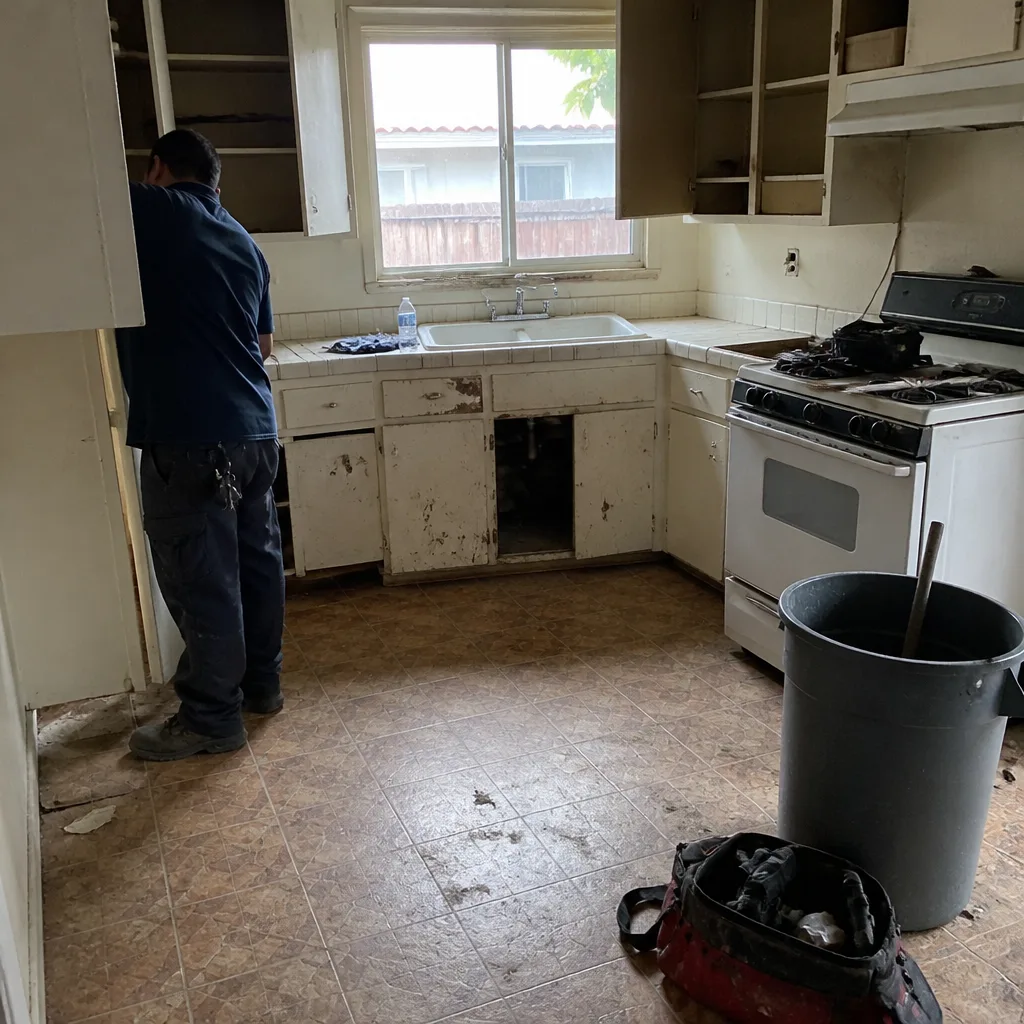 Before
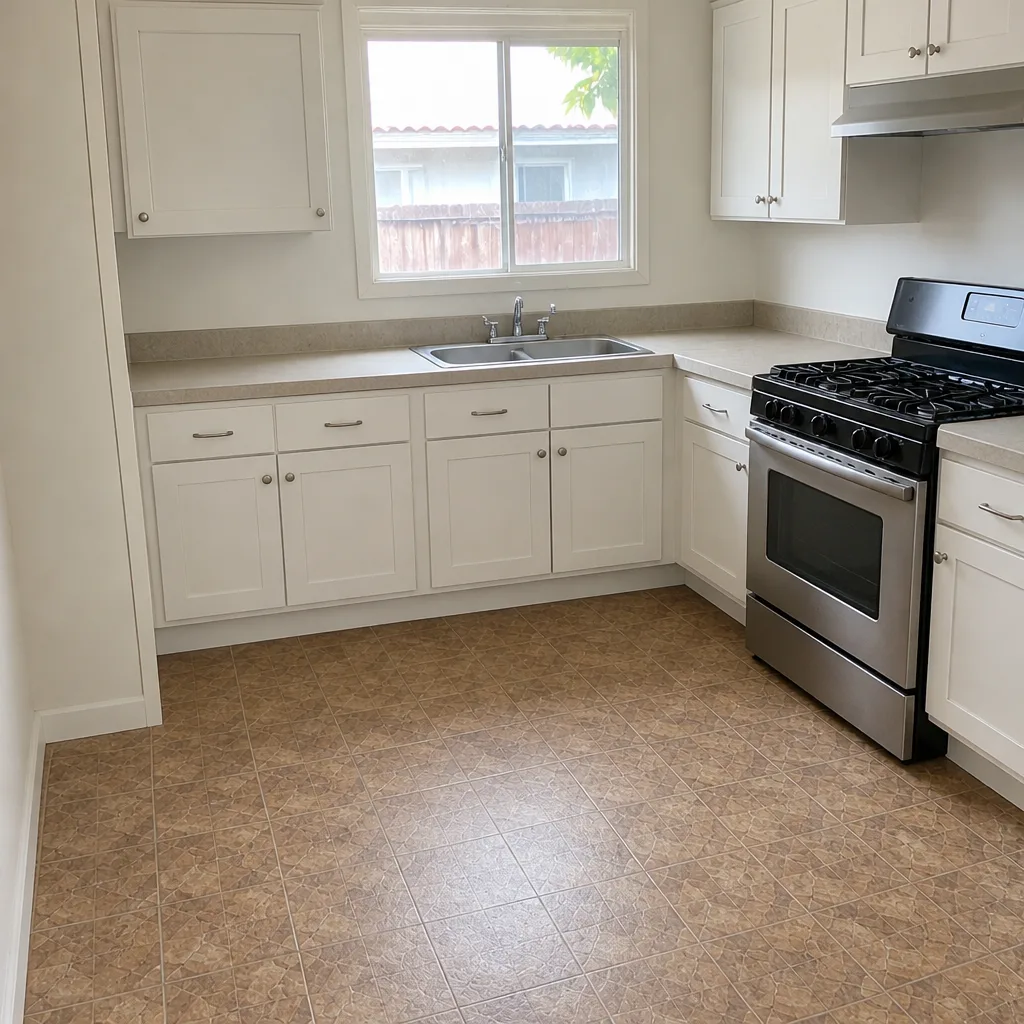 After
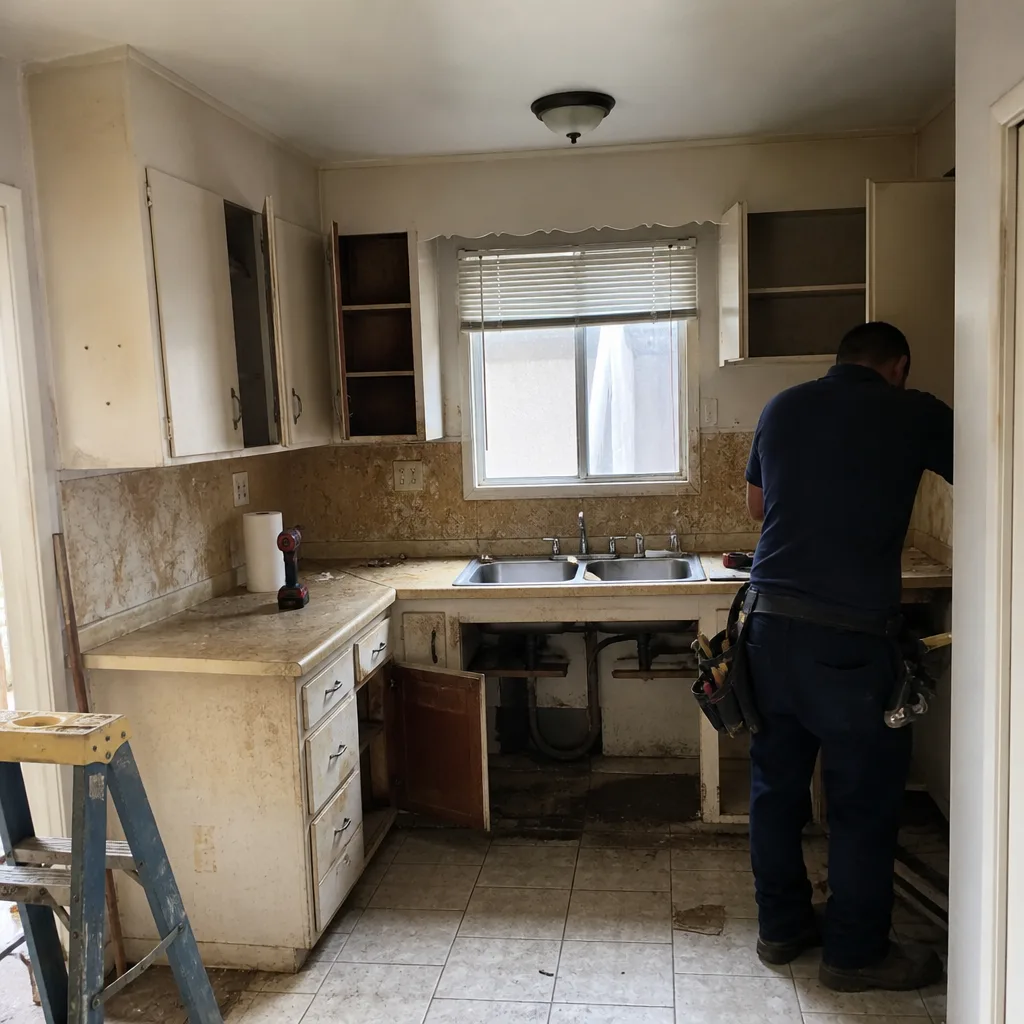 Before
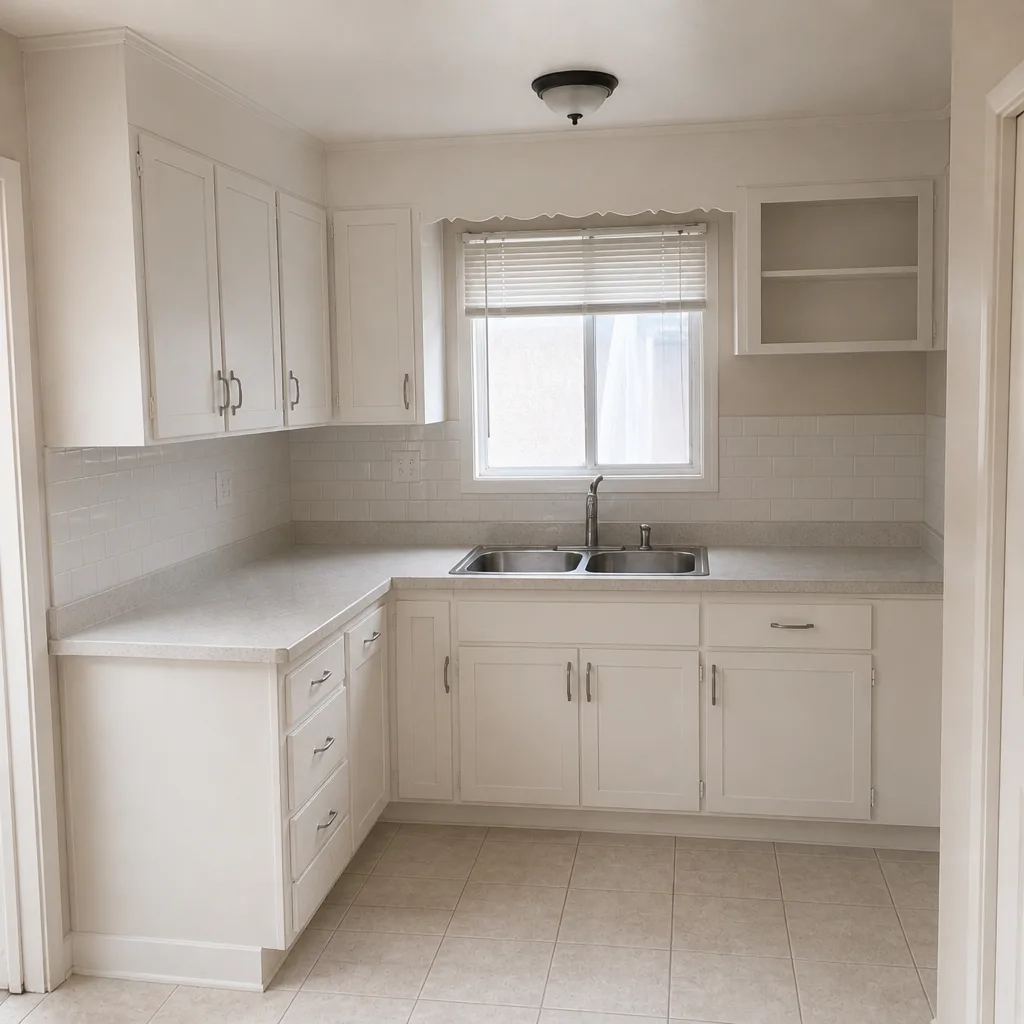 After
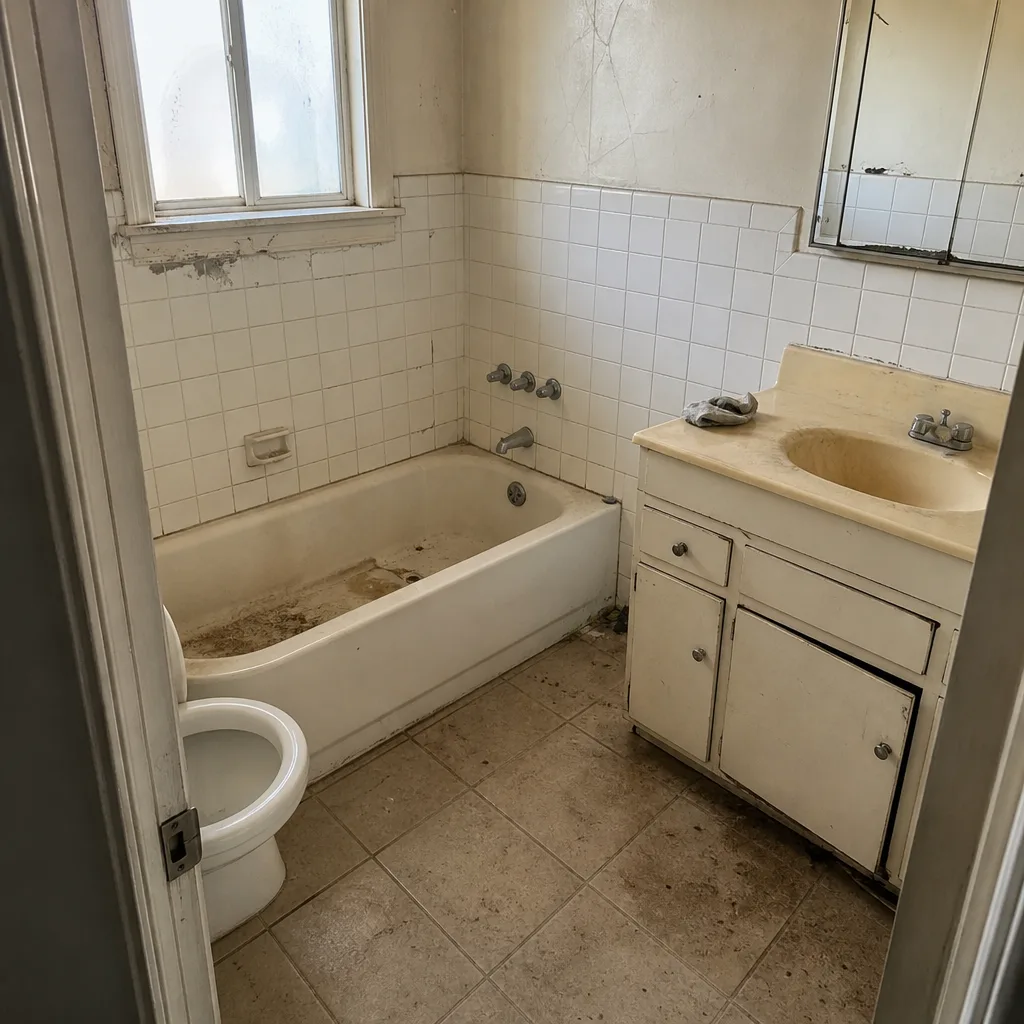 Before
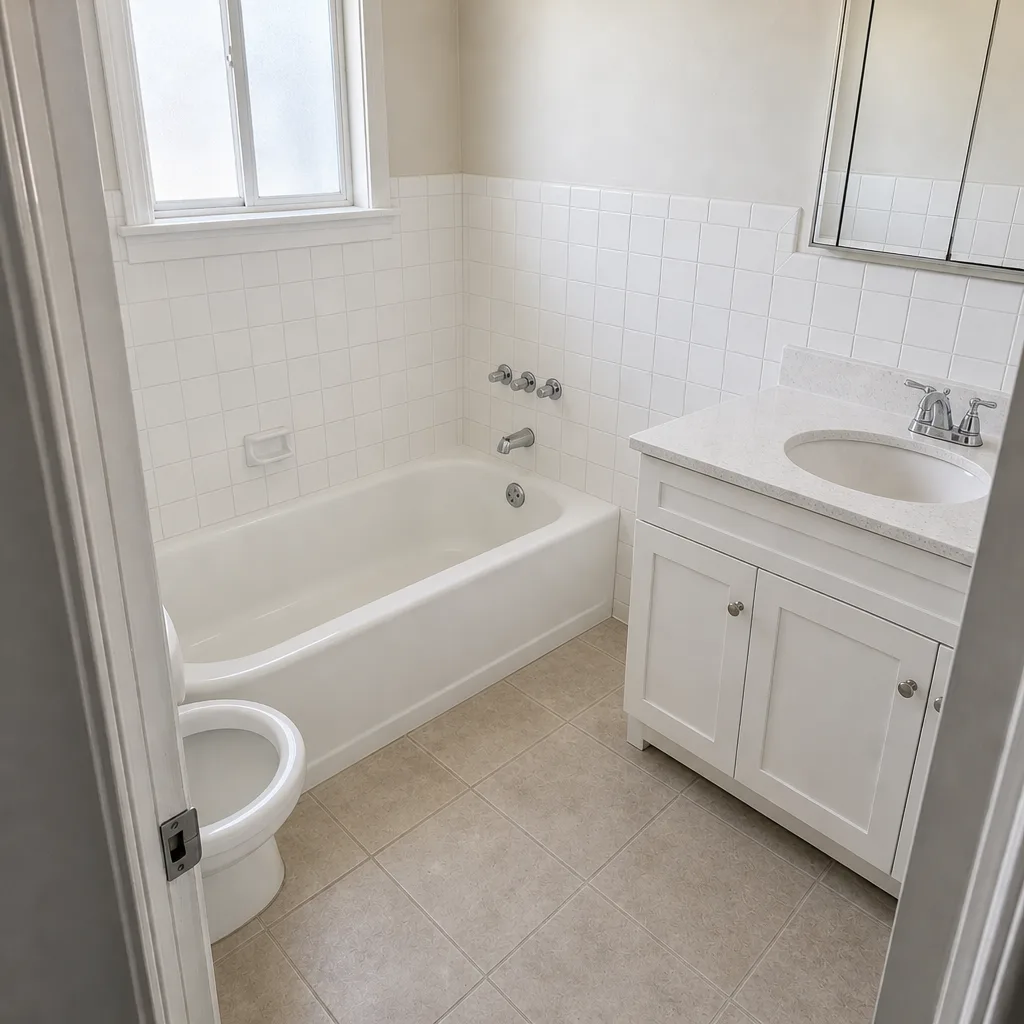 After
When to Call a Professional
Call a licensed professional when a project touches electricity past a light fixture swap, when it involves gas, when it changes structure, when it’s on a roof or at height, when the permit is required and the inspection will matter at resale, or when the insurance exposure is more than you’d be comfortable absorbing in cash. That’s most of what Garden Grove homeowners actually want to build. Rowan Construction Group Garden Grove offers free estimates in Garden Grove and a free second opinion on any written quote you already have, reviewed line by line. We work across seven trades and put the price in writing before work starts. Call (888) 303-8980 to schedule your free estimate.
Frequently Asked Questions
Yes, under California’s owner-builder exemption, a homeowner can perform work on a residence they occupy without a contractor’s license. The exemption does not waive permits or inspections, and it does not protect your insurance coverage. If the project involves gas, electrical panels, structural framing, or a separate rental unit, licensed trades are required regardless. Call (888) 303-8980 for a free second opinion on whether a specific project stays inside the exemption.
Business and Professions Code §7048 says a contractor performing a job of $500 or more in combined labor and materials must hold a state contractor’s license. That $500 figure is combined, not labor alone. So a project with $300 in materials and $300 in hired labor is over the threshold and requires a licensed contractor, not an unlicensed helper.
Yes. California’s Transfer Disclosure Statement requires sellers to disclose known unpermitted work, signed under penalty of perjury. In practice, disclosure in a Garden Grove home sale most often produces a buyer credit request or a requirement to pull retroactive permits and pass inspection before closing. Hiding it is not a viable path; the assessor’s record and the city permit history will show the gap.
Often no, especially if the work required a permit that wasn’t pulled. A water damage claim traced to an unpermitted water heater or shower installation can be denied in full, and the burden falls on the homeowner to prove the loss was unrelated to the unpermitted work. Check with your carrier before starting any project that touches plumbing, electrical, or gas, and expect the answer to depend on the permit record.
Interior painting, non-structural demolition after confirming a wall isn’t load-bearing, landscaping and planting, cosmetic fixture swaps on existing circuits, and fence repair on interior lot lines within city height and setback limits. These share three traits: no permit, no licensed trade sign-off, and low insurance exposure. Anything that touches a panel, a gas line, a bearing wall, a roof, or an ADU sits outside this list.
Correction typically runs 20% to 40% above the cost of doing the work correctly the first time, because a contractor quoting a fix prices in unknowns the original scope didn’t have. A converted garage brought up to code with retroactive permits often lands between $8,000 and $25,000 depending on what was missed. A full Rowan Construction Group Garden Grove home walkthrough can map what’s already permitted and what isn’t. Call (888) 303-8980 for the free estimate.
The Bottom Line
The DIY-versus-professional question in Garden Grove is settled by paperwork and liability more often than by skill. The $500 threshold under §7048, the owner-builder exemption, the permit and inspection chain, and the insurance consequence of doing it wrong are the variables that actually decide a project. Our technicians have up to 19 years of experience across seven trades, and the projects we see go wrong are almost never the ones where the homeowner lacked ability. They’re the ones where the paperwork wasn’t there. Score the project on four variables. When any one comes up red, call us.
Ready for a written price before any work starts? Rowan Construction Group Garden Grove delivers a flat written quote with a written scope and a written warranty, reviewed line by line at no charge if you already have a competitor’s estimate in hand. Call (888) 303-8980 to schedule your free estimate.
Written by the team at Rowan Construction Group Garden Grove.