
Last updated November 17, 2026




Free written scope consultation - allowances, timeline, and change-order rules on paper before a single trade is scheduled
Construction Warning Signs: A Garden Grove Homeowner’s Reference Guide
A diagonal crack above a door frame is one of the most Googled home concerns in Southern California, and one of the most misdiagnosed. In Garden Grove, where a large share of lots sit on expansive clay soil, that crack usually signals foundation movement rather than ordinary settling. The distinction matters because the repair behind it can run from roughly $600 for crack stitching and cosmetic patching to well past $60,000 for a full foundation underpinning. This guide pairs each visible warning sign with the underlying cause it most likely indicates, the measurement that separates cosmetic from structural, and the diagnostic step that confirms or rules it out.
Quick Answer
Most construction warning signs on a Garden Grove home are visible months before they become structurally serious, but homeowners routinely misread the surface symptom. A crack wider than 1/4 inch, a horizontal crack in a foundation wall, floor slope of more than 1 inch over 20 feet, or any displacement across a crack face points to a structural or moisture condition underneath and warrants a licensed professional. Hairline cracks under 1/16 inch that have not changed in a year are usually cosmetic and can be monitored.
Styles & brands we work with
- Kitchen remodeling
- Bathroom remodeling
- Home additions & ADU
- Roofing
- Windows & doors
- Driveway & pavers
- Fence
Table of Contents
- The Visual Sign-to-Cause Matrix
- Why Garden Grove Soil Produces These Crack Patterns
- Cosmetic vs. Structural: The Measurable Line
- Three Professionals and Which Sign Triggers Which Call
- The Documentation Protocol: Photo, Measure, Date
- Moisture Warning Signs Most Homeowners Miss
- Roofline and Exterior Envelope Signs
- What the Repairs Actually Cost in Garden Grove
The Visual Sign-to-Cause Matrix
Every warning sign on this list is a surface expression. The table below pairs the symptom you can see with the condition it most often indicates, based on what we’ve found on Garden Grove homes across seven trades. Read the cause column before you call anyone, because it changes which trade you actually need.
- Stair-step cracks in brick or stucco – diagonal cracks that follow the mortar joints in a zigzag pattern usually indicate differential settlement, where one part of the foundation has dropped relative to another. In Garden Grove these appear most often along the north or shaded side of a home.
- Diagonal cracks at door or window corners – a crack running from the top corner of a door frame at roughly 45 degrees typically signals foundation movement or a header that has lost bearing. The corner is where stress concentrates, which is why it shows there first.
- Floor slope – a floor that drops toward one wall usually means a footing has settled or a subfloor joist has sagged. Measure with a 4-foot level before assuming it’s cosmetic.
- Efflorescence on concrete – the white, powdery salt deposit on a foundation or garage slab is evidence that water is moving through the concrete and evaporating at the surface. It doesn’t mean the concrete is failing; it means moisture has a path.
- Bubbling or blistering paint – paint that bubbles on interior walls or exterior stucco usually indicates moisture trapped behind the surface. On a Garden Grove stucco wall, that often points to a failed weep screed or a roof leak traveling down inside the cavity.
- Rust staining at fasteners – rust bleeding from nails, screws, or hangers means those fasteners are wet, which means water is reaching them. On a roof, rusted fasteners are one of the earliest signs that flashing has failed.
- Standing water at the foundation – water pooling within 5 feet of the foundation after rain indicates a grading or drainage problem. Over a season of wet winters on clay soil, that water drives the movement behind most of the cracks above.
- Sagging roofline – a ridge line that dips or a roof plane that bows signals a structural problem with rafters, trusses, or a bearing wall, not a roofing-material problem. This one warrants a call before the next rain.
Why Garden Grove Soil Produces These Crack Patterns
Garden Grove sits on soils that include the Myford and Hanford series, and much of the city’s residential footprint was developed on expansive clay. Expansive clay is not an insult to the dirt; it’s a description. The clay minerals in it absorb water and swell, then shrink as they dry. A slab or footing poured onto that clay moves with the seasons, and the pattern of movement shows up in the house above it.
The seasonal cycle here runs wet winters and dry summers. A foundation poured in 1965 has gone through roughly 60 of those cycles. The damage accumulates at the edges of the slab, where moisture changes are most extreme, and along the side of the house that gets the least sun. That’s why the crack patterns on a Garden Grove home tend to cluster on the shaded side and near downspouts that discharge close to the foundation. It’s also why a downspout that dumps water at the base of a wall, which seems like a small maintenance item, is a serious one on clay soil.
If you’re planning a hardscape change, how that surface sheds water matters as much as how it looks. Driveway & Pavers in Garden Grove is worth reading before you replace a concrete slab with pavers, because the base preparation and grading under the pavers decide where the water goes for the next 30 years.
Cosmetic vs. Structural: The Measurable Line
The line between a crack you can paint over and a crack that needs a structural engineer is measurable. Use these thresholds:
- Under 1/16 inch wide – hairline. Usually cosmetic shrinkage, common in stucco and drywall. Monitor it; don’t repair it until you know it’s stable.
- 1/16 inch to 1/4 inch wide – the gray zone. Repairable as cosmetic if the crack is stable and vertical, but a trained eye should look at a diagonal crack in this range near a door or window.
- Over 1/4 inch wide – structural concern, especially if it’s horizontal in a foundation wall or if the two sides of the crack are no longer level with each other.
- Orientation – vertical cracks are usually shrinkage. Diagonal cracks (stair-step or 45 degree) suggest movement. Horizontal cracks in a foundation wall or retaining wall are the most serious and point to lateral pressure or soil pushing against the wall.
- Displacement – run a finger across the crack. If one side sits proud of the other, that’s displacement, and displacement means the two sides have moved relative to each other. This is the single clearest structural indicator, regardless of width.
One more distinction: a crack on an interior wall panel is not the same as a crack at a structural element. Drywall cracks near a door jamb are common and often cosmetic. A crack that runs through the stucco on the exterior and continues through the interior wall at the same location is a different animal, because it means the crack passes through the actual wall assembly. If you see the same crack on both sides of a wall, that’s your signal to call.
Three Professionals and Which Sign Triggers Which Call
When a warning sign appears, most homeowners call a general contractor first. That’s sometimes right and sometimes a detour. Here’s how the responsibility splits:
- Structural engineer – call this person when you have a horizontal foundation crack, displacement across a crack face, floor slope over 1 inch in 20 feet, or a sagging roofline. A structural engineer is a licensed professional who can tell you whether the house is safe and what the fix is; a contractor cannot make that determination. Cost is typically $400 to $900 for a residential evaluation in Orange County, and it’s the most valuable money you’ll spend on a foundation question.
- Licensed home inspector – call this person when you have several warning signs at once and want the whole house put in context, or when you’re buying in Garden Grove and want a baseline record of the current condition. Look for a CREIA-certified inspector. A good inspection report is a dated document you can compare against in five years.
- Waterproofing or drainage specialist – call this person when the signs are moisture-driven: efflorescence, bubbling paint, standing water at the foundation, or damp crawlspace conditions. The fix is often grading, drainage, and downspout extension, not foundation work, and a specialist keeps you from paying for concrete you don’t need.
If the diagnosis calls for new construction rather than repair, the conversation changes. Structural repair and new construction are different jobs, and the contractor you call for a foundation crack is not always the one for a room addition. For that work, Home Additions & ADU in Garden Grove covers how scope and price get documented before ground breaks.
The Documentation Protocol: Photo, Measure, Date
The most important thing you can do after spotting a warning sign is establish whether it’s active or historical. A crack that appeared 20 years ago and hasn’t moved is a cosmetic problem. A crack that grew 1/8 inch in the last six months is a live process, and the repair decision is completely different. Here’s the protocol:
- Photograph with a scale. Place a ruler or a coin across the crack and shoot a close, well-lit photo. A photo without a reference object can’t be measured later.
- Photograph the field. Step back and take a wider photo that shows where the crack sits relative to the door, window, or roofline. The location is diagnostic.
- Measure the width and record it. Note the width in fractions of an inch and the date you measured.
- Apply crack monitors if you’re monitoring one. Inexpensive plastic crack monitors, available at any hardware store, glue across the crack and show you if it moves. Check them monthly for the first year.
- Repeat the photo and measurement every three months for a year. After four data points, you have a trend. A trend is what any professional will ask for.
- Keep the record with your home documents. If you sell, a documented, stable crack is a manageable disclosure. An undocumented crack is a negotiation problem.
This protocol is also what we deliver as standard on every visit. Under our documentation practice, the customer receives a photo record of what was found and what was done, which means any future inspection starts from evidence rather than memory. Under Clause 1 of the Haven Standard, the price is written before anyone starts, and the written estimate references the specific conditions documented in the photos.
Moisture Warning Signs Most Homeowners Miss
Water is the quiet destroyer in Garden Grove homes, largely because the moisture arrives slowly and the damage appears somewhere else. The signs below are worth checking after every rainy season:
- Efflorescence on the garage slab or foundation stem wall – the white powder is salt left behind as water evaporates. It usually traces to a grading issue on the exterior.
- Bubbling paint on interior walls at the baseboard – water wicking up from a wet foundation shows up as paint that bubbles or peels near the floor.
- Musty smell in a closet on an exterior wall – a closet on an exterior wall is the room most likely to develop a wall-cavity moisture problem without showing obvious paint damage, because nobody looks at it.
- Dark staining at the weep screed – the weep screed is the metal lip at the bottom of a stucco wall that lets water drain out. If it’s clogged or installed too low against the ground, water backs up into the wall.
- Rust streaks below a window – a failing window flashing lets water into the wall, and the rust shows up on the fasteners or stucco below it before any interior damage appears.
Rust stains at window fasteners are also worth considering at the boundary lines of a property, because moisture problems at the fence posts are equally diagnostic of grading. See Fence Installation in Garden Grove for how post footings handle our clay soil and winter drainage.
Roofline and Exterior Envelope Signs
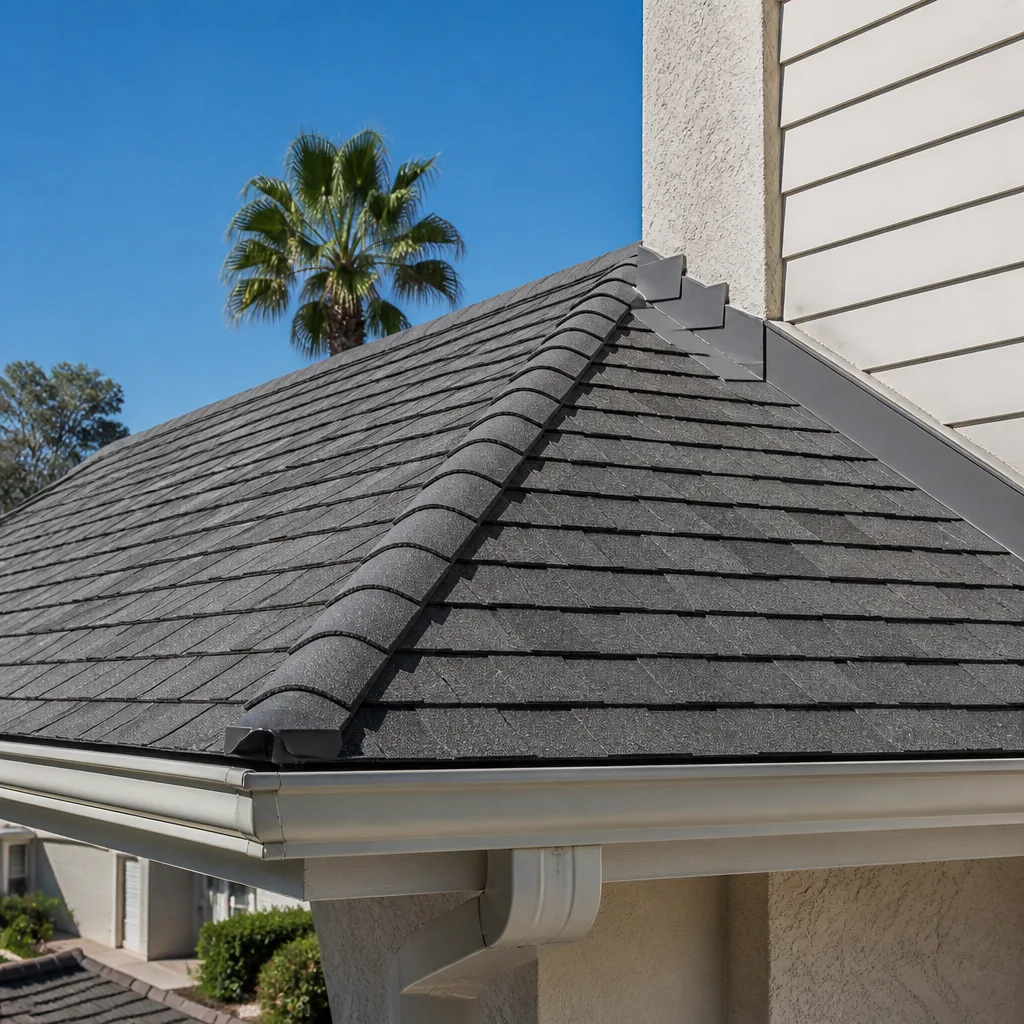
A sagging roofline is the one warning sign we’d ask you to treat with the most urgency. If you can see a dip in the ridge line or a bow in a roof plane from the street, the framing underneath is under more load than it was designed for, or has lost bearing. That’s a structural question, and it needs an engineer or a licensed framer, not a roofer. Similarly, a roof with rusted fasteners visible from the attic is a roof with a moisture problem, and the fix depends on finding where the water is entering.
Our technicians have up to 19 years of experience across these trades, and the recurring pattern in Garden Grove is a slow roof leak that shows up first as a rusted fastener, then as a ceiling stain, then as a sag. Catching it at the fastener stage is the difference between a flashing repair and a full roof replacement. If you’re looking at a roof that’s reached that point, the trade vocabulary matters: soffit (the underside of the eave), fascia (the board the gutter attaches to), and valley (where two roof planes meet) are the names to know when you talk to a roofer, because those three areas are where leaks start. Our sourcing across brands like GAF and Owens Corning means the written quote reflects actual material costs rather than an inflated number that assumes the worst.
What the Repairs Actually Cost in Garden Grove
Cost ranges beat adjectives. Here’s what the repairs behind these warning signs typically run in the Garden Grove market:
- Crack stitching and cosmetic patching: $400 to $900 per crack
- Grading and drainage correction: $1,200 to $4,000 depending on the linear feet and downspout routing
- Moisture-source repair (flashing, weep screed): $600 to $2,500
- Foundation underpinning or pier replacement: $8,000 to $60,000+ depending on the number of piers and depth
- Structural engineer evaluation: $400 to $900
- Roof replacement: $9,000 to $20,000 for a typical Garden Grove single-story home
- Framing repair for a sagging roofline: $3,000 to $15,000 depending on the extent
These are ranges, not quotes. A written price before any work starts is what you should expect, and under our discipline a change order gets signed before the scope shifts. Our background-checked, uniformed technicians and the 365-Day Done Right Promise are part of the standing offer: if it’s not done right, we make it right. If you already have a written estimate from another contractor, our Free Second Opinion reviews it line by line at no charge, which is often the fastest way to see whether a foundation problem has been misdiagnosed as cosmetic. It all starts at the Rowan Construction Group Garden Grove home page.
Common Mistakes to Avoid
- Painting over a crack before you diagnose it. Paint hides the evidence a professional needs, and it tells you nothing about whether the crack is growing.
- Calling a foundation contractor first for a moisture problem. Efflorescence and bubbling paint are water problems, and the fix is usually drainage, which costs a fraction of what a foundation company would quote.
- Assuming a vertical crack is safe because it’s vertical. Vertical is the common shrinkage pattern, but a vertical crack over 1/4 inch wide with displacement is not cosmetic.
- Ignoring the shaded side of the house. Garden Grove soil movement shows up on the shaded side first, and that’s the wall nobody cleans, plants, or looks at.
- Patching a roofline sag with new roofing material. Sagging is a framing problem, and a new roof over a failing frame hides a problem you’re paying to hide.
- Not documenting. Without a dated photo and measurement, you can’t tell an active crack from a historical one, and the repair decision depends on it.
- Trusting a verbal diagnosis. A written record of what was found and what was recommended is the standard, and you should expect it from every professional who works on your home.
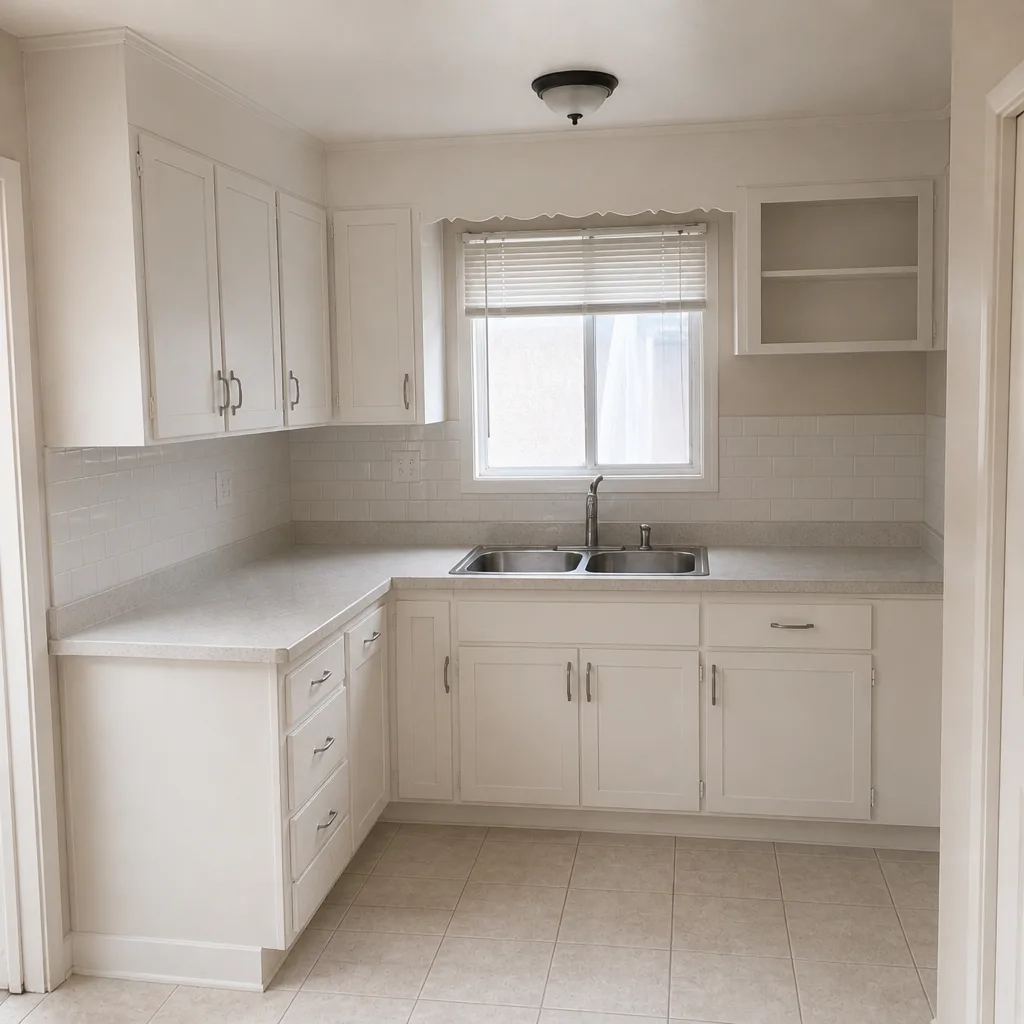
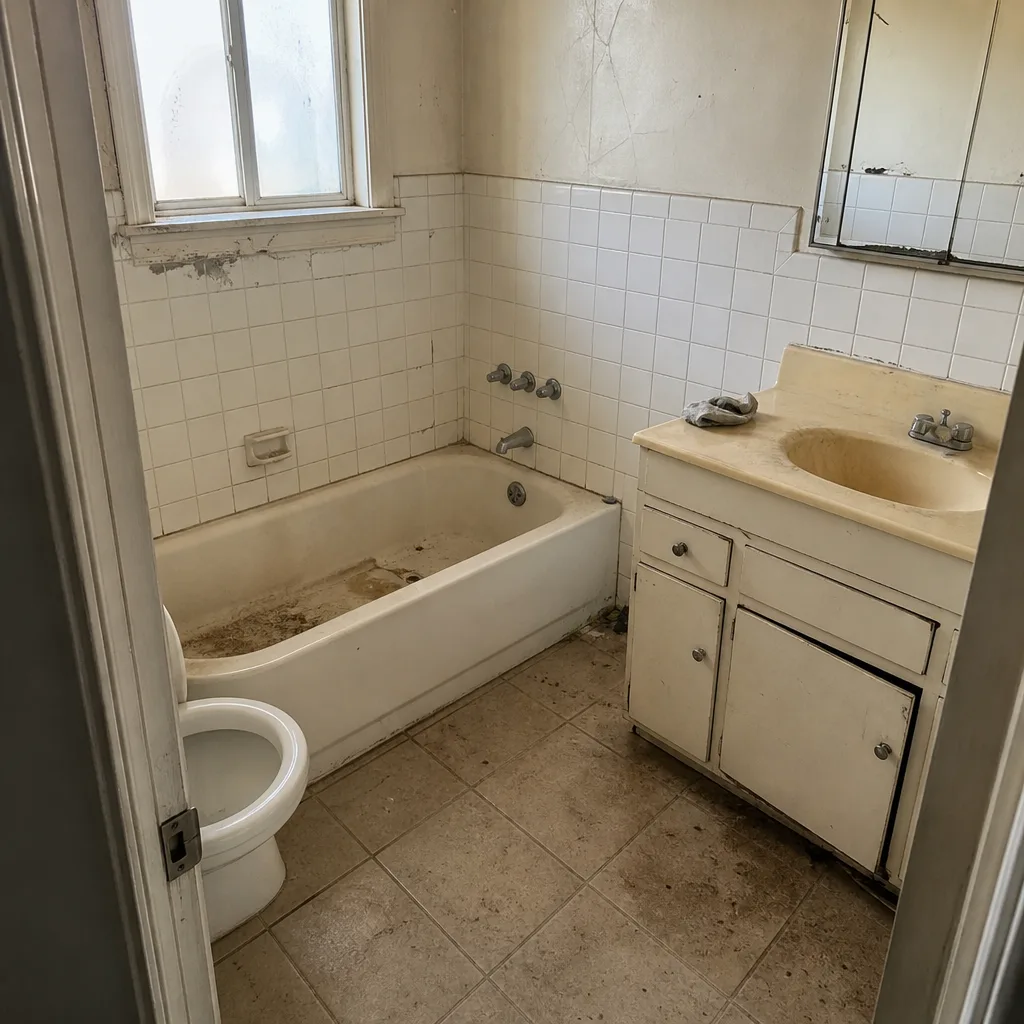
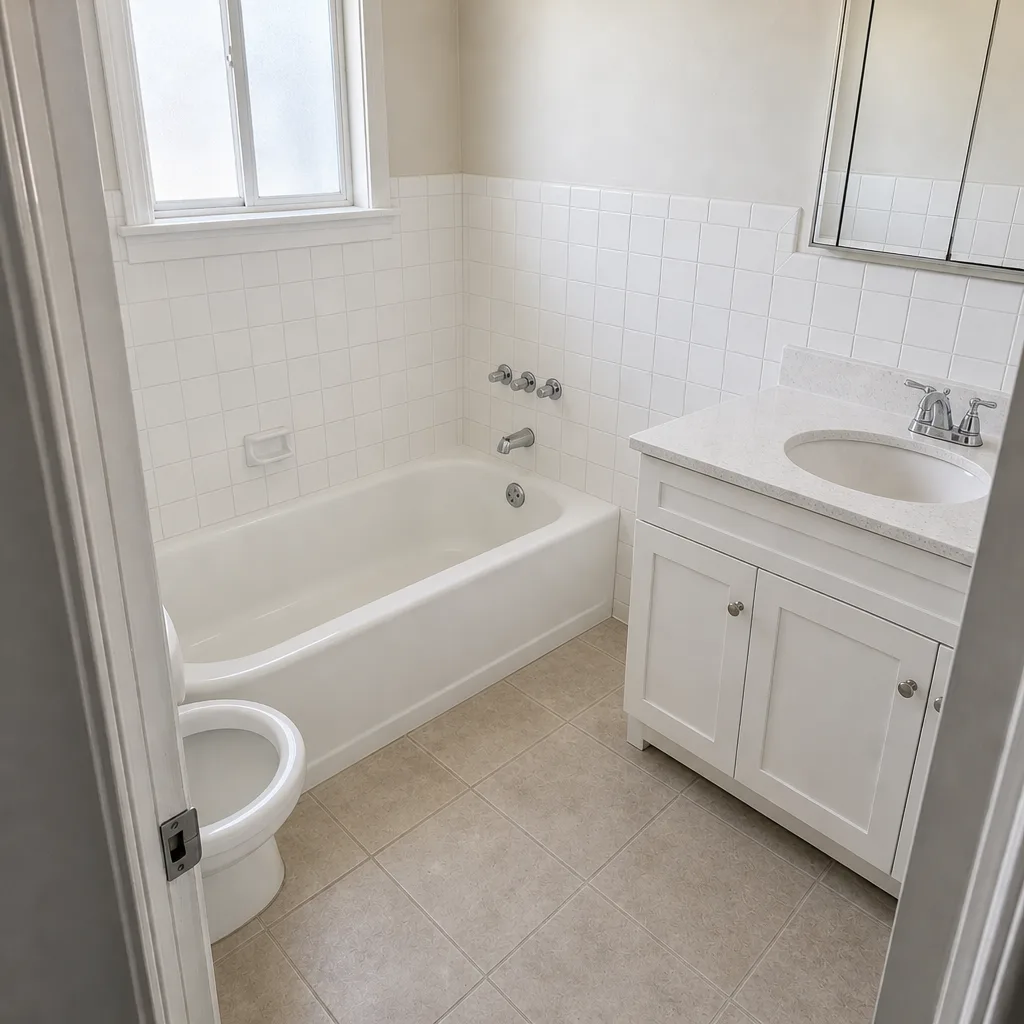
See the difference
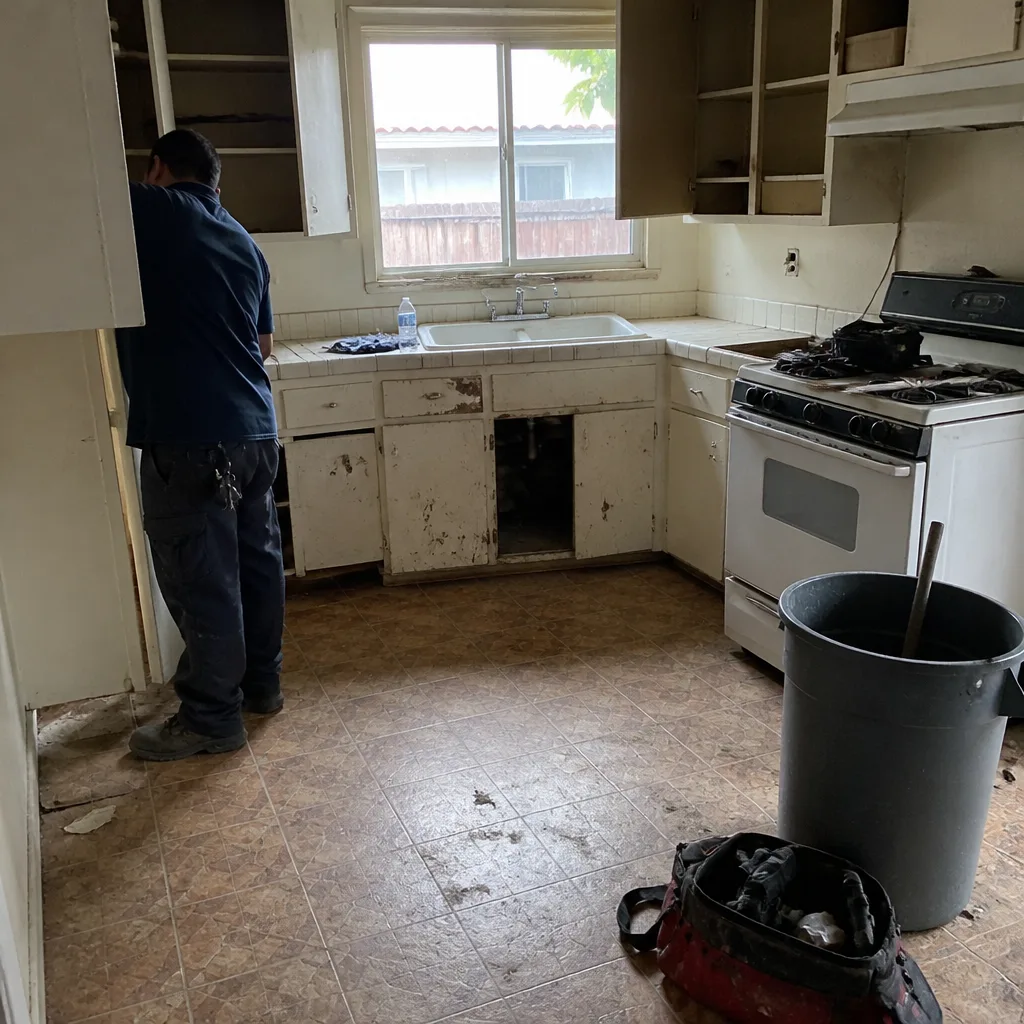 Before
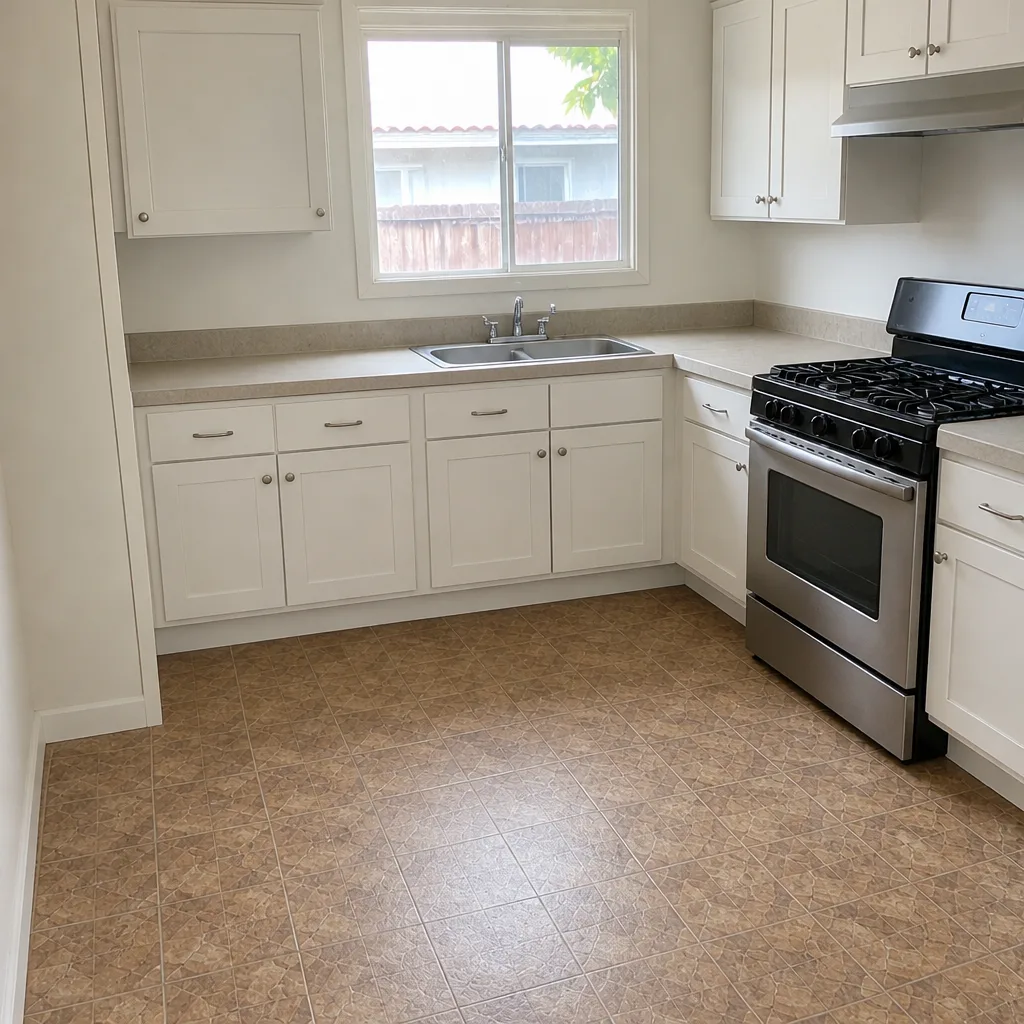 After
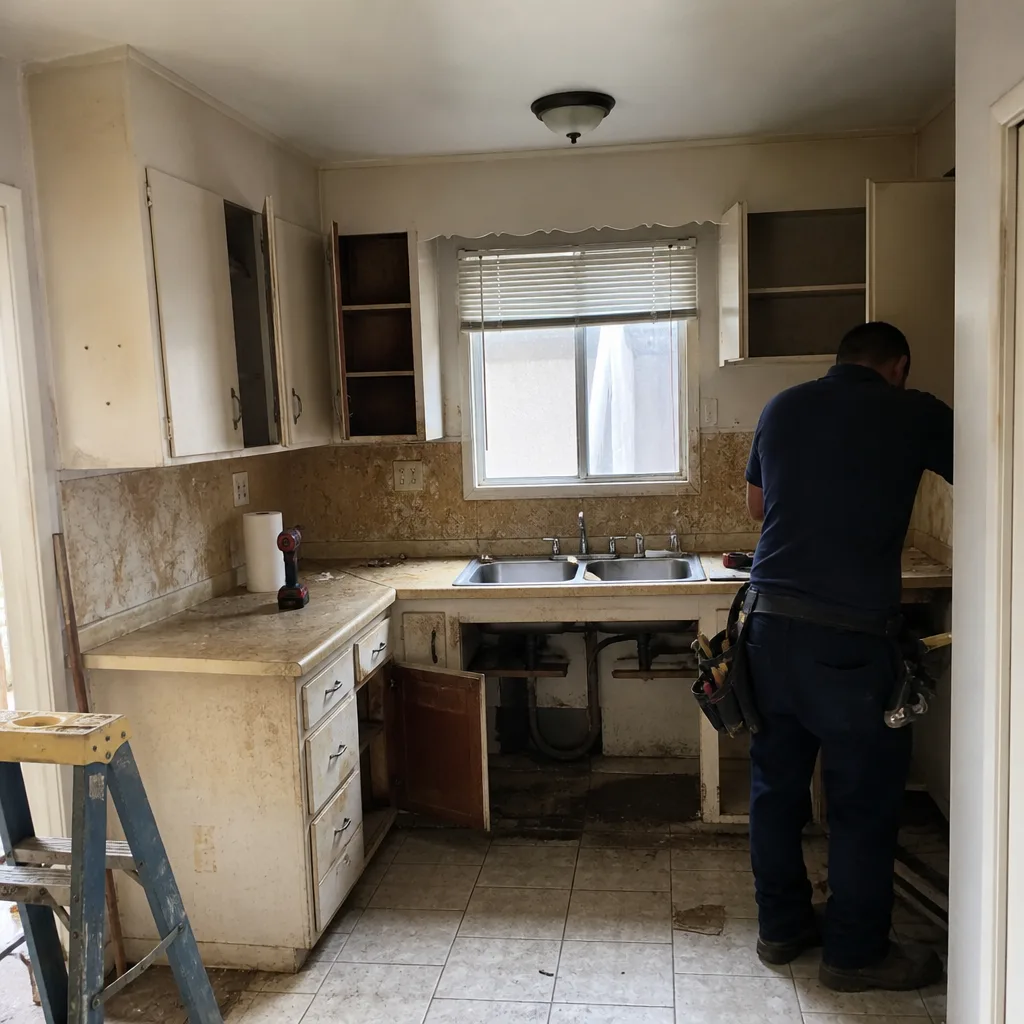 Before
 After
 Before
 After
When to Call a Professional
Call for help rather than waiting if any of the following is true: a crack is wider than 1/4 inch; a crack is horizontal in a foundation or retaining wall; one side of a crack sits proud of the other; a floor slopes more than 1 inch over 20 feet; a roofline sags visibly from the street; standing water sits against the foundation after rain; or you see efflorescence or bubbling paint on an exterior wall. Each of those signs points to a condition that tends to get more expensive with time, not less, and the diagnostic call is almost always cheaper than the repair it prevents. If you’re planning a fence or a driveway replacement, put a moisture check on the same visit; anything holding water against the foundation is worth correcting at the same time. Rowan Construction Group Garden Grove offers free estimates in Garden Grove – call (888) 303-8980 to schedule yours.
Frequently Asked Questions
A crack wider than 1/4 inch is a structural concern, and any crack with displacement across the face is structural regardless of width. Hairline cracks under 1/16 inch that haven’t changed in a year are usually cosmetic shrinkage. The width alone doesn’t settle it, which is why the measurement and the orientation together are what a professional will ask for. Call (888) 303-8980 for a free estimate if you’re unsure where yours falls.
Expansive clay soil moves with the seasonal wet-dry cycle, and the movement is most extreme on the side of the house that gets the least sun and the most water. That’s why Garden Grove cracks cluster on the shaded side and near downspouts that discharge close to the foundation. Correcting the drainage on that side often stops the movement from getting worse.
Efflorescence means water is moving through the concrete and evaporating at the surface, so the concrete isn’t failing but moisture has a path. It’s a drainage problem much more often than a foundation problem, and grading correction usually resolves it. A waterproofing specialist can confirm the source before you spend anything on foundation work. Free estimates for the drainage fix are available at (888) 303-8980.
If the sign is a horizontal foundation crack, displacement across a crack, floor slope, or a sagging roofline, call a structural engineer first, because only an engineer can tell you whether the house is safe and what the fix is. For moisture signs like efflorescence or bubbling paint, call a waterproofing or drainage specialist. A general contractor comes in after the diagnosis, not before it.
About a year of quarterly measurements, or a shorter period if a crack monitor shows movement. Three to four data points establish a trend, and the trend is what any professional needs to decide between monitoring and repair. Photograph with a scale, measure in fractions of an inch, and date every entry.
Often yes, if the sag is a framing or bearing issue rather than a roof-material failure, because the fix is to the rafters or trusses and the roof covering stays in place. It needs an engineer or a licensed framer to confirm before any repair scope is committed to writing. Call (888) 303-8980 to schedule a free estimate and a documented look at the framing.
The Bottom Line
Construction warning signs on a Garden Grove home are readable, and most of them announce themselves visually long before they get serious. The work is in the pairing: match the symptom to its likely cause, measure the crack and check for displacement, and document what you find with a dated photo and a width record. Cracks over 1/4 inch, horizontal cracks, displacement, floor slope, and a sagging roofline route to a structural engineer. Moisture signs route to a drainage specialist. The documentation trail you build is what any repair decision rests on, and the diagnostic call is almost always cheaper than the repair it prevents. Rowan Construction Group Garden Grove offers free estimates and a free second opinion on any written estimate you already have.
Contact
If a warning sign on your Garden Grove home has you weighing a repair you don’t fully understand yet, the fastest way to a real number is a call. We’ll put a written price in front of you before any work starts, document what we find with photos, and back the work with the 365-Day Done Right Promise. Call (888) 303-8980 for a free estimate in Garden Grove, and bring any written estimate you already have for a free line-by-line second opinion.
Written by the team at Rowan Construction Group Garden Grove.