Last updated November 17, 2026
Free written scope consultation - allowances, timeline, and change-order rules on paper before a single trade is scheduled
DIY vs Professional Home Additions & ADU: What’s Safe to Do Yourself
Here’s the part most DIY guides leave out: under a California owner-builder permit, a homeowner can legally insulate, paint, tile, and hang cabinets in their own ADU. That same permit makes them personally responsible for every structural, electrical, and plumbing defect for ten years after the certificate of occupancy is signed. The permit doesn’t ask whether you’re handy. It asks whether you’re willing to carry the liability. This guide draws the line where the building department draws it, at the permit and inspection boundary, and shows you which finish tasks are genuinely safe to keep and what they actually save on a 400-square-foot ADU in Garden Grove.
Quick Answer
The safe DIY zone on an addition or ADU is finish work that no inspector signs off on: interior and exterior painting, cabinet installation, flooring installed after the subfloor inspection passes, and landscaping. Everything that touches structure, the electrical panel, gas lines, or the foundation requires a licensed trade contractor, because those are the items that fail rough inspection and put your owner-builder liability on the line. A hybrid project, where a licensed general contractor pulls the permits and completes all inspected work while you handle the finishes, is the structure that saves real money without transferring risk to you.
Styles & brands we work with
- Kitchen remodeling
- Bathroom remodeling
- Home additions & ADU
- Roofing
- Windows & doors
- Driveway & pavers
- Fence
Table of Contents
- What the California owner-builder permit actually allows
- The tasks that require a licensed trade contractor
- Finish tasks that are safe, cost-effective, and inspection-independent
- The real dollar savings on a 400-square-foot ADU in Garden Grove
- What a failed rough inspection costs you
- How a hybrid project structure works, step by step
- Garden Grove code, climate, and market context
What the California Owner-Builder Permit Actually Allows
An owner-builder permit is a specific legal status in California, not a casual arrangement. It lets a property owner act as their own general contractor and perform work on a residence they will occupy. The permit is issued to the owner, and the owner becomes the responsible party in the eyes of the building department. The state’s contractor licensing board is direct about the tradeoff: when you build as an owner-builder, you take on the responsibilities of a licensed contractor, including worker safety, supervision, and correction of any code violations found during or after construction.
What the permit allows:
- Pulling permits in your own name for work on your primary residence.
- Hiring licensed subcontractors for the trades you choose not to perform.
- Performing work yourself, provided it meets the same code and inspection standards a licensed contractor would meet.
What it restricts is where the exposure lands. Under California Business and Professions Code section 7044, an owner-builder who sells or offers to sell the property within one year of the certificate of occupancy must disclose in writing that the work was done without a licensed contractor. That disclosure follows the property. The structural and system liability sits with the owner for the statutory period of ten years after the certificate of occupancy, which means a framing defect or a plumbing leak traced back to owner-builder work is the homeowner’s problem to resolve, not a contractor’s warranty claim. In Garden Grove, where a lot of 1950s ranch homes are being expanded into ADUs behind the main house, that liability attaches to the most valuable asset the family owns.
If you’re weighing whether a project is worth pursuing at all, our page on Home Additions & ADU in Garden Grove covers the permit sequence and typical timeline before you reach the DIY question.
The Tasks That Require a Licensed Trade Contractor
This isn’t about skill. Plenty of homeowners can run conduit or set a form board. It’s about which tasks the inspector will not pass without a licensed contractor’s name attached, and which ones create the kind of defect that voids an insurance claim. Four categories require a licensed trade contractor to pass inspection on a California addition or ADU:
- Electrical panel work. A new or upgraded main panel, a subpanel for the ADU, and the service entrance require a licensed C-10 electrical contractor. The inspector wants to see the load calculation, the grounding and bonding, and a licensed sign-off. Any panel work performed by an unlicensed party is a red tag waiting to happen.
- Gas line connections. Running gas to an ADU kitchen range, water heater, or dryer requires a C-36 plumbing contractor. Gas is pressure-tested and leak-checked, and an unpermitted connection is the single item most likely to void a homeowner’s insurance policy after a loss.
- Structural framing beyond non-load-bearing partitions. New load-bearing walls, headers, roof framing, and shear wall connections require a B or C-5 framing contractor working to an engineer’s stamped plans. A non-load-bearing interior partition wall may be within reach, but anything carrying a structural load is not.
- Foundation work. Footings, slabs, stem walls, and anchoring to an existing foundation require a licensed C-8 concrete contractor. Foundation problems are the most expensive to correct and the most likely to affect the main house.
The ADU market in Garden Grove runs into this boundary constantly. Lots off Brookhurst and along the West Garden Grove edge often hold older slabs that need review before new square footage can sit on them. The buried risk isn’t the concrete pour. It’s the connection between new foundation and old.
Finish Tasks That Are Safe, Cost-Effective, and Inspection-Independent
Once the rough inspections pass and the drywall is signed off, a specific list of finish work is genuinely worth doing yourself. These items don’t require a licensed contractor, aren’t inspected, and are forgiving enough that a careful homeowner can produce a professional result with patience and the right tools.
- Interior painting. Walls, ceilings, trim, and doors. The one item almost any homeowner can do well, and one of the largest line items in a contractor’s finish package.
- Cabinet installation. Hanging and leveling cabinets in a kitchen or bath is finish work, provided the plumbing rough-in, electrical rough-in, and gas connections are already complete and inspected. Material brands like KraftMaid and Wellborn are available direct.
- Flooring. Luxury vinyl plank, engineered hardwood, and tile set over a subfloor that has already passed inspection. Never lay flooring before the subfloor is signed off, or you’ll be pulling it up when the inspector arrives.
- Exterior painting. Siding and trim. Southern California’s dry summers make this a spring and early-fall job in Garden Grove.
- Landscaping. Sod, plants, mulch, drip irrigation, and low retaining walls under the local height threshold. This is the safest outdoor item on the list.
What’s not on this list, and shouldn’t be: shower waterproofing (the membrane has to pass inspection), drywall (part of the inspected assembly), and anything touching the electrical or plumbing rough-in. When in doubt, check the inspection card posted at the job site. It tells you exactly what’s signed off and what isn’t.
The Real Dollar Savings on a 400-Square-Foot ADU in Garden Grove
Here’s the number that makes the DIY decision concrete. A 400-square-foot detached ADU is a common size on a Garden Grove R-1 lot behind an existing single-family home. The finish package on that footprint, if hired out, runs in the following ranges using current Garden Grove labor rates. Ranges are contractor-priced, not owner-builder; they include labor, materials, and markup.
| Finish item (400 sq ft ADU) | Hired-out cost | DIY materials cost | Approximate savings |
|---|---|---|---|
| Interior paint (walls, ceilings, trim) | $2,400 – $3,600 | $600 – $900 | $1,800 – $2,700 |
| Exterior paint (siding, trim) | $1,800 – $2,800 | $500 – $800 | $1,300 – $2,000 |
| Cabinet install (kitchenette + bath vanity) | $2,200 – $3,400 | $1,400 – $2,400 (direct purchase) | $800 – $1,000 |
| Luxury vinyl plank flooring (400 sq ft) | $3,200 – $4,800 | $1,600 – $2,600 | $1,600 – $2,200 |
| Landscaping (sod, drip, mulch) | $2,800 – $4,200 | $1,200 – $1,900 | $1,600 – $2,300 |
| Total DIY savings (realistic) | $7,100 – $10,200 |
That’s a real number worth taking seriously. Now compare it to the cost of one failed rough inspection. When an unpermitted electrical or plumbing item is caught, the correction process runs through a licensed contractor who has to open walls, redo the work to code, and re-inspect. On a 400-square-foot ADU, correcting an unpermitted subpanel or a gas line run typically lands between $4,500 and $9,000 by the time walls are patched and re-inspected. A single failed rough on the foundation or framing can erase most or all of the DIY savings on the finish package.
What a Failed Rough Inspection Costs You
A failed rough inspection isn’t a single line on a bill. It’s a sequence, and the sequence is what surprises homeowners. Here’s how it usually plays out in Garden Grove:
- The inspection fails and the corrections are issued in writing. The building department posts a correction notice at the site. Every following inspection is held until the corrections clear.
- A licensed contractor has to be brought in to perform the correction. The correcting contractor won’t take responsibility for the unpermitted work without opening it up to see it, which means cutting drywall or exposing the rough-in.
- Materials and labor are duplicated. You pay for the original work, the demolition to expose it, the corrected work, and the patch-and-repaint afterward.
- The schedule shifts. A correction on a rough inspection typically adds two to five weeks to the project because it re-queues the inspection schedule.
- Owner-builder liability attaches to whatever goes wrong after. Under the ten-year window, defects in corrected work that trace back to the original owner-builder installation stay with the owner.
We’ve seen this on Garden Grove ADUs where the homeowner handled the electrical rough-in themselves to save time. The correction cost more than the licensed contractor would have charged in the first place. That’s the pattern that makes the DIY-versus-professional question an economic one, not just a safety one.
How a Hybrid Project Structure Works, Step by Step
The structure that captures the finish savings without transferring risk is a hybrid project. A licensed general contractor holds the permits and completes and inspects all the work the building department requires; the homeowner completes the finish items after the final framing and systems inspections pass. The sequence matters:
- Design and engineering. The general contractor coordinates the plans, the structural engineering, and the submittal to the Garden Grove building department. The owner-builder permit is not pulled if the project is being run as a GC job.
- Permits issued and pre-construction. The scope, schedule, and written price for the inspected work are set. Anything the homeowner will do themselves is explicitly carved out of the written scope, so the price on paper matches what will actually be built.
- Foundation, framing, electrical, plumbing, and mechanical rough-in. All performed by licensed trade contractors and inspected. The building department signs off the roughs.
- Insulation and drywall. Inspected and signed off.
- Final inspections on systems. Electrical, plumbing, and mechanical finals pass. The building department signs the inspection card.
- Handoff to the homeowner for finishes. From here, the painting, cabinet installation, flooring over the inspected subfloor, and landscaping are the homeowner’s to complete at their own pace.
- Certificate of occupancy. The GC closes out the permit. The homeowner takes possession of a finished ADU that is permitted, inspected, and documented in writing.
Rowan Construction Group runs this exact structure on Garden Grove projects. Every project is quoted with a flat written price and written scope before work begins, and no change proceeds without a signed change order. The homeowner who wants to keep the finish package participates in the scope carve-out at step two, not in the middle of construction.
For homeowners adding a fence or hardscape at the same time, the same dividing line applies: our Fence Installation in Garden Grove and Driveway & Pavers in Garden Grove pages cover the permit and inspection requirements for those items, which are less demanding than foundation work but not zero.
Garden Grove Code, Climate, and Market Context
Garden Grove’s ADU rules follow California state law under Government Code sections 65852.2 and 65852.22, with local amendments around setback and height. Detached ADUs up to 800 square feet are generally allowed on R-1 lots regardless of lot coverage, and the local approval process is ministerial, meaning it can’t be denied for discretionary reasons if the project meets the objective standards. That’s good news for owner-builders, and it’s also why so many of the ADU permits pulled in Garden Grove each year come from individual homeowners rather than developers.
The climate matters in specific ways. Garden Grove sits in a coastal-influenced basin where the marine layer moves in overnight during May and June. Exterior paint on the new ADU should be scheduled for late summer or early fall, when the morning moisture has cleared and the siding is dry by 10 a.m. Painting into the June gloom traps moisture under the finish and creates the peel-and-fail problem that costs more to fix than hiring a painter the first time. Interior finish work is unaffected by the marine layer, which is one reason the DIY painting is a better bet than the DIY exterior painting on a schedule.
Property values matter for the liability math. A permitted ADU in Garden Grove adds real resale value today, and unpermitted work shows up in a title search at the point of sale. The ten-year liability window and the one-year resale disclosure requirement are worth understanding before you decide to be your own general contractor. The building department’s records are permanent. The savings on a finish package are real; the savings on a structural item isn’t savings, it’s deferred cost. If you’re mapping out a project and want to understand the full sequence, our Rowan Construction Group Garden Grove home page is the starting point.
Common Mistakes to Avoid
- Pulling an owner-builder permit without understanding the ten-year liability. The permit is easy to obtain and hard to unwind. Understand the liability before you sign.
- Doing the electrical rough-in to save time. A failed panel inspection, at $4,500 to $9,000 to correct, is the single most common correction on Garden Grove ADUs. Pay the C-10 contractor.
- Installing flooring before the subfloor inspection passes. Inspectors will require exposure. You’ll pull the floor up and start over.
- Painting the exterior in June. The marine layer in Garden Grove traps moisture under fresh paint. Schedule the exterior for late summer or early fall.
- Treating a non-load-bearing partition as the same thing as framing. Cutting into a wall without a structural engineer’s review is the mistake that shows up on a framing inspection and voids the insurance claim later.
- Not documenting the finish work. Photos of the inspected rough-ins and finish work are worth having when you sell the property. Keep them.
- Leaving the inspection card in the car. Keep it posted on site. It’s the map for what’s been signed off and what hasn’t.
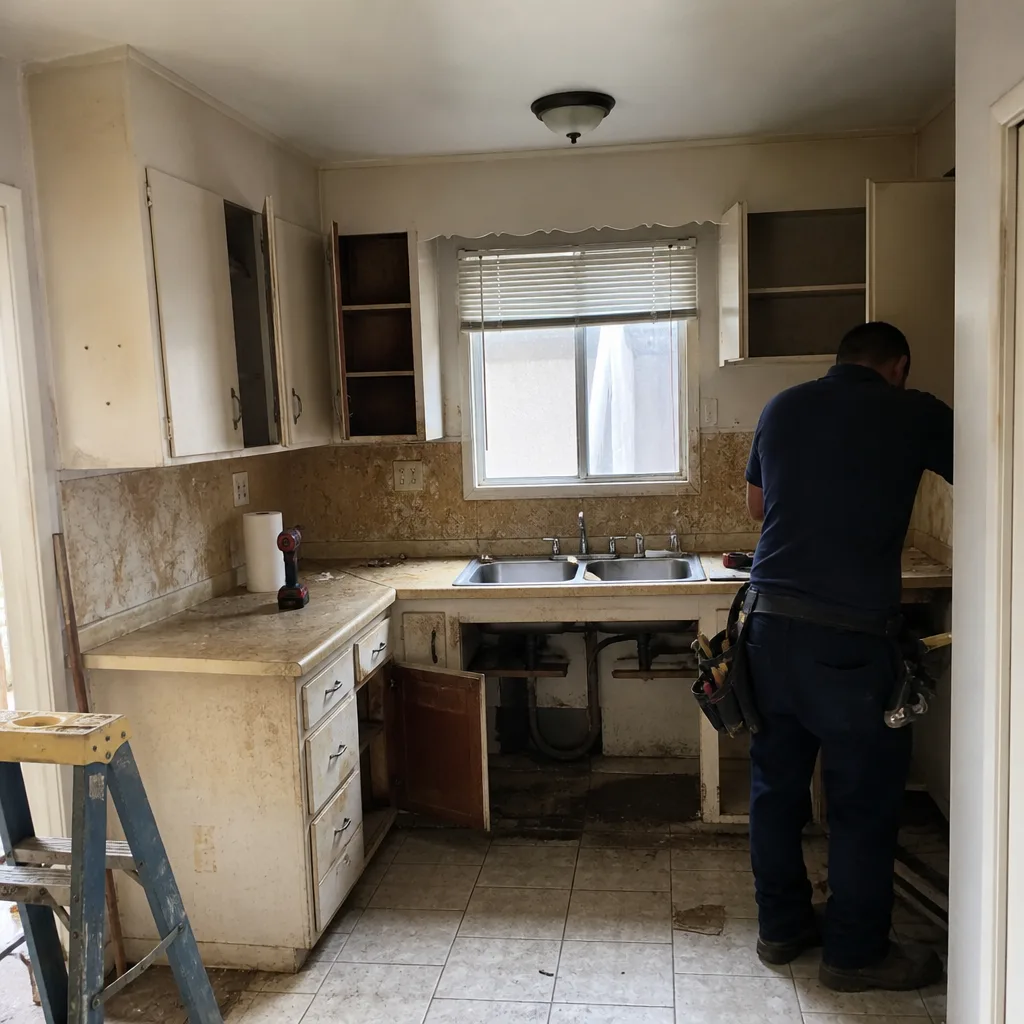
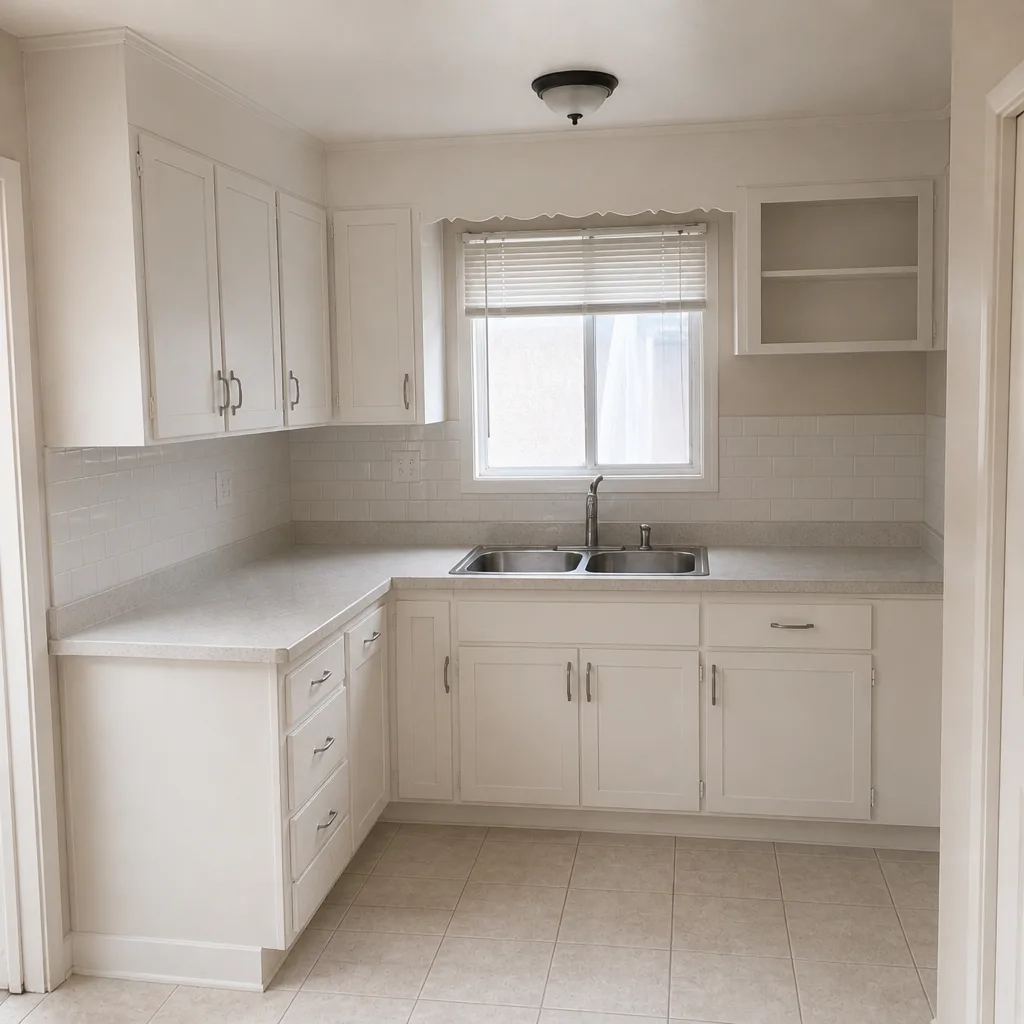
See the difference
 Before
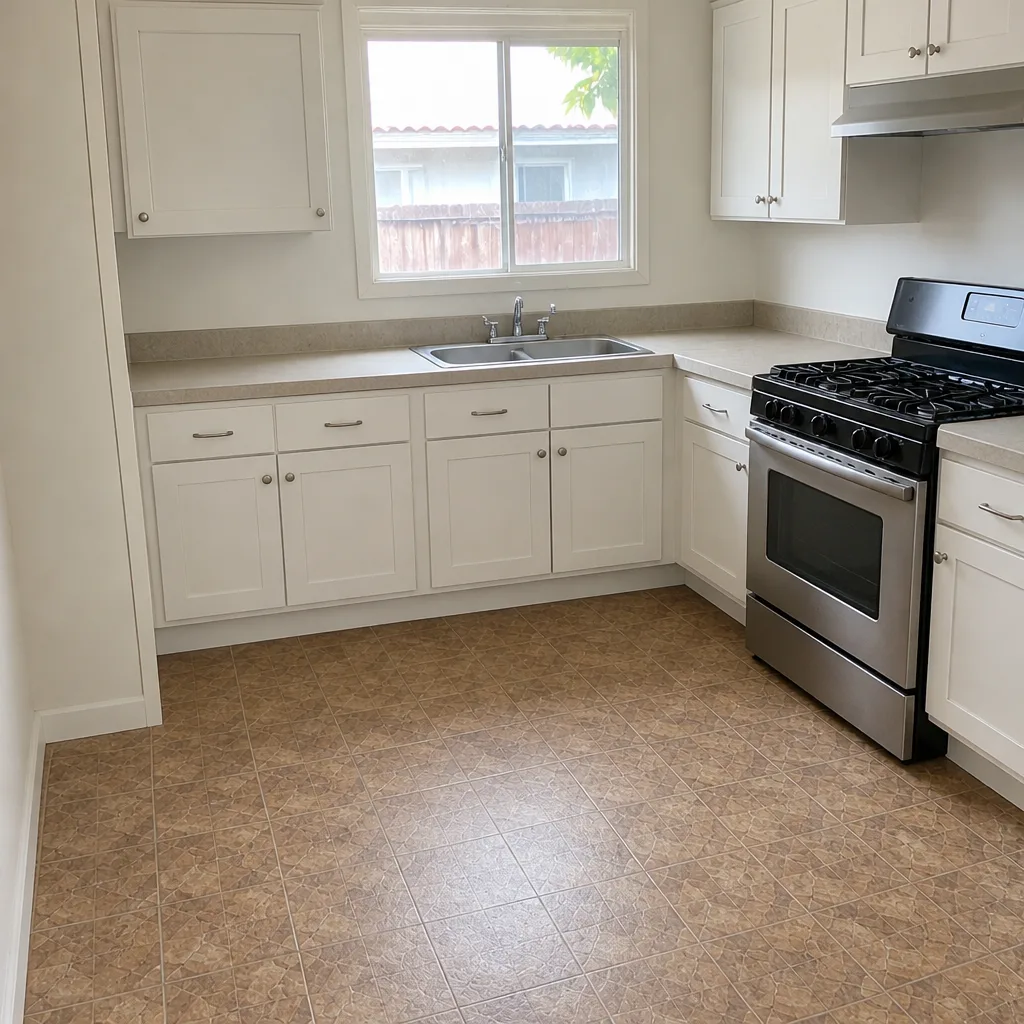 After
 Before
 After
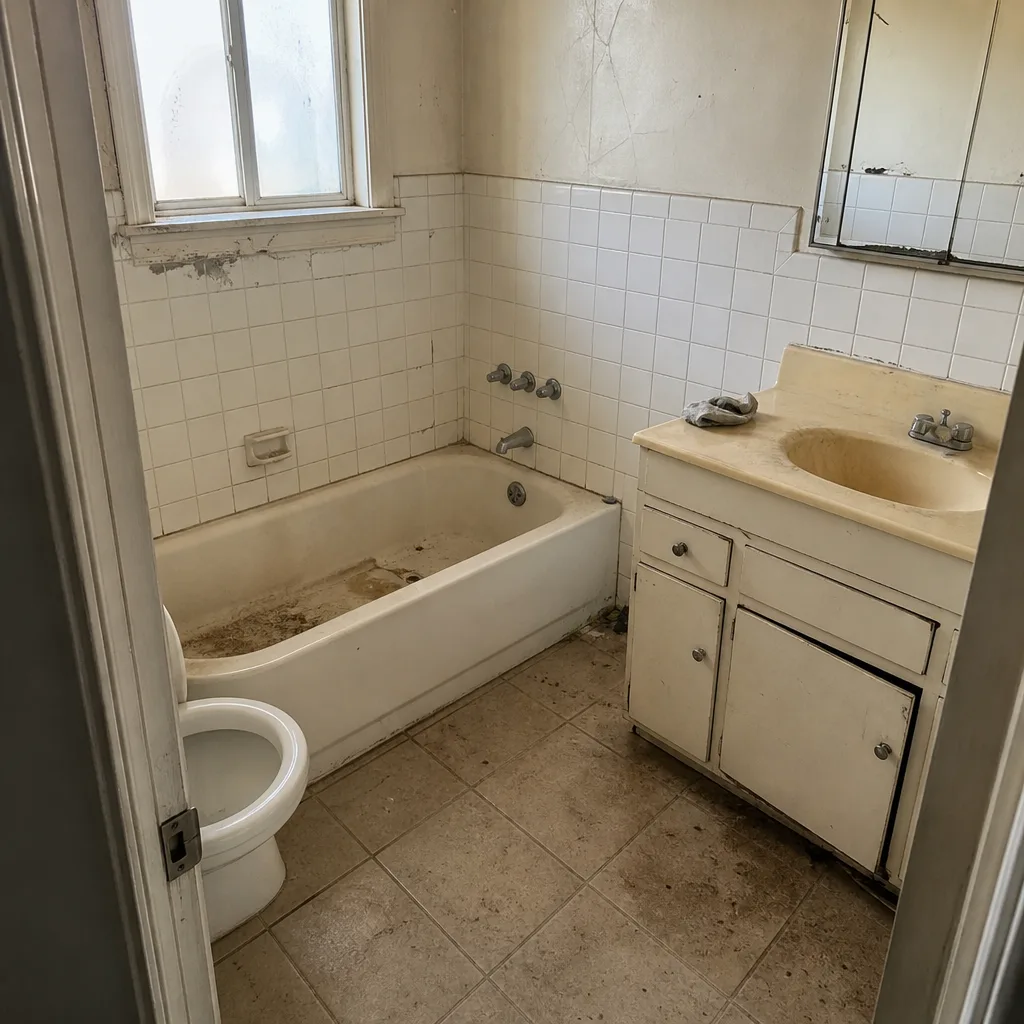 Before
 After
When to Call a Professional
Call a licensed contractor the moment your project touches any of these: the electrical service panel, gas lines, a load-bearing wall, the foundation, or a shower waterproofing membrane. Call us before you pull an owner-builder permit if you’re not sure which items belong to a licensed trade and which are yours to keep. In Garden Grove, the specific moment that matters most is during the design phase, before the plans are submitted, because that’s when the scope carve-out happens. Rowan Construction Group Garden Grove offers free estimates in Garden Grove – call (888) 303-8980. Our technicians have up to 19 years of experience, and we’ll review a competitor’s written estimate line by line at no charge if you have one in hand.
Frequently Asked Questions
You can build an ADU as an owner-builder under a California owner-builder permit, but only for a residence you will occupy, and you take on the responsibilities of a licensed contractor for the work you perform. Structural, electrical, plumbing, mechanical, and foundation work still requires a licensed trade contractor to pass inspection. The owner-builder permit transfers risk to you; it doesn’t exempt you from code. Call (888) 303-8980 for a free estimate if you’d like to review the scope before you commit.
Interior painting, exterior painting, cabinet installation, flooring over a passed subfloor inspection, and landscaping are the safe DIY items. None of them require a licensed contractor and none of them are inspected. Everything upstream of those finishes, from the foundation to the electrical panel to the shower membrane, belongs to a licensed trade. Call (888) 303-8980 to have the carve-out documented in the written scope.
Realistically, $7,100 to $10,200 on a 400-square-foot ADU in Garden Grove, based on current labor rates for paint, cabinets, flooring, and landscaping. That’s the savings after accounting for materials bought at retail. The number drops toward zero if a single rough inspection fails and requires a licensed correction. Call (888) 303-8980 for a written estimate that shows exactly what’s hired-out and what isn’t.
The building department issues a written correction, holds every following inspection until the correction clears, and requires a licensed contractor to perform the correction. Costs run $4,500 to $9,000 on a Garden Grove ADU once you account for opening the walls, correcting the work, patching, and re-inspecting. The schedule slip is usually two to five weeks. Call (888) 303-8980 before the rough-in starts, not after.
Yes. Under California Business and Professions Code section 7044, an owner-builder who sells the property within one year of the certificate of occupancy must disclose in writing that the work was done without a licensed contractor. The disclosure follows the property and shows up in a title search. The ten-year liability window for structural and system defects is the reason to keep clear records of the licensed work. Call (888) 303-8980 if you have questions about the paper trail.
Yes, and this is the hybrid structure that makes financial sense. The general contractor holds the permits and completes all inspected work; the homeowner takes over finish items after final framing and systems inspections pass. The key is documenting the carve-out in the written scope before work starts, so the price on paper matches what will actually be built. Call (888) 303-8980 to schedule a free estimate and walk through the carve-out.
The Bottom Line
The DIY-versus-professional question on a Garden Grove addition or ADU isn’t about skill. It’s about the permit and inspection boundary. Finish work, painting, cabinets, flooring over an inspected subfloor, and landscaping is genuinely safe to DIY and saves $7,100 to $10,200 on a 400-square-foot ADU. Structural, electrical, plumbing, and foundation work requires a licensed trade contractor, both to pass inspection and to keep the owner-builder liability from following the property for ten years. The hybrid structure, where a licensed GC holds the permits and completes the inspected work while the homeowner keeps the finishes, is the structure that captures the savings without transferring the risk. That’s the arrangement we build in Garden Grove every week.
Ready to put the scope and the price on paper? Call Rowan Construction Group Garden Grove at (888) 303-8980 for a free estimate. Every project gets a flat written price and written scope before work begins, no change proceeds without a signed change order, and the Free Second Opinion on any written estimate is available whenever you’re comparing quotes.
Written by the team at Rowan Construction Group Garden Grove.