Last updated November 17, 2026
Free written scope consultation - allowances, timeline, and change-order rules on paper before a single trade is scheduled
The Complete Windows & Doors Guide for Garden Grove Homeowners
California’s Title 24 energy code assigns Garden Grove to Climate Zone 8, which caps window Solar Heat Gain Coefficient at 0.25 for west- and south-facing installations. That single number eliminates roughly half the windows sold at big-box stores, and no one at the register will tell you before you buy. A window that lets in too much afternoon sun fails inspection, or you pay for a second set. This guide puts the numbers where you can screenshot them: NFRC label requirements, product lines that actually clear Zone 8, permit triggers for a Garden Grove swap, and installed cost by window type. One decision, done right.
Quick Answer
In Garden Grove, replacement windows must meet Title 24 Climate Zone 8 specs, which means an NFRC-certified label showing a maximum U-factor of 0.32 and a maximum SHGC of 0.25 for most residential applications. Installed costs run about $300 – $600 for single-hung, $400 – $750 for sliding, $500 – $900 for casement, and $800 – $2,500+ for specialty shapes like bay and bow. A like-for-like swap with no change in rough opening size usually does not trigger a permit; changing the opening, adding a window where none existed, or working in a historic district does.
Styles & brands we work with
- Kitchen remodeling
- Bathroom remodeling
- Home additions & ADU
- Roofing
- Windows & doors
- Driveway & pavers
- Fence
Table of Contents
- What Does Title 24 Climate Zone 8 Actually Require in Garden Grove?
- The NFRC Label: The One Sticker That Decides Your Inspection
- Which Window Lines Meet Zone 8 Specs in Southern California?
- Permits for Window and Door Replacement in Garden Grove
- Installed Cost by Window Type: Garden Grove Market Rates
- Doors and the Energy Envelope: U-Factor, Pre-Hung vs. Slab
- What a Correct Installation Actually Involves
What Does Title 24 Climate Zone 8 Actually Require in Garden Grove?
Title 24 is California’s building energy efficiency standard, updated on a three-year cycle, and it sets the minimum performance a window or door must hit before the building department will sign off. Garden Grove sits in Climate Zone 8, a coastal-influenced inland zone that runs warm and sunny enough that solar heat gain matters as much as insulation value. That’s why the SHGC number, not just the U-factor, becomes the deciding spec.
For most residential replacement applications in Zone 8, the requirements translate to plain numbers:
- Maximum U-factor: 0.32. This measures how fast heat escapes through the glass and frame. Lower is better in winter.
- Maximum SHGC: 0.25. This measures how much solar heat the window lets in. Lower is better against summer sun.
- West- and south-facing exposures get the strictest treatment because afternoon sun drives cooling loads in Garden Grove’s climate.
- Prescriptive vs. performance path. You can meet the code window-by-window on the prescriptive table, or model the whole house on the performance path. The performance path sometimes lets you trade a slightly weaker window in a shaded spot for a stronger one on the west wall.
Here’s what most homeowners don’t hear: a beautiful, well-reviewed window with a 0.40 SHGC can be a perfectly good product and still fail a Garden Grove inspection because it was specified for the wrong zone. The number on the label, not the showroom impression, is what the inspector reads. We’ve watched this play out on remodels where the window package was chosen from a catalog before anyone checked the zone table. The fix is to pull the spec sheet first and pick the glass package second.
The NFRC Label: The One Sticker That Decides Your Inspection
Every window and door you install in Garden Grove needs a permanent NFRC label, and that label is the evidence the inspector uses to confirm the unit meets Zone 8. NFRC stands for the National Fenestration Rating Council, the independent body that certifies and labels window performance. Without that sticker, a code-compliant window is just an unverified window.
What the label shows, in order:
- U-factor – heat loss rating. Zone 8 maximum is 0.32.
- SHGC – solar heat gain. Zone 8 maximum is 0.25 for most applications.
- Visible Transmittance (VT) – how much daylight comes through. Not a code number, but it tells you how dark the glass will look.
- Air Leakage (AL) – how much air sneaks through the assembly. Lower is better.
- Condensation Resistance – a rough guide to winter sweating on the interior glass.
Two practical rules for Garden Grove homeowners. First, ask the supplier to send the NFRC certificate number and the spec sheet in writing before you sign; that’s the same discipline behind our Rowan Construction Group Garden Grove home approach to any written scope, where the number is on paper before a tool comes out. Second, keep the label on the glass until the final inspection. Some crews peel them off at install for a clean look and the inspector then has nothing to check. Leave them on until the sign-off.
Which Window Lines Meet Zone 8 Specs in Southern California?
The good news: three mainstream product lines available through Southern California distributors can be specified to clear Zone 8, provided you choose the right glass package. The frame material and warranty terms differ enough to matter when you’re comparing quotes. Here’s how they stack up, with 2024 Garden Grove market ranges for a standard double-hung unit installed.
- Milgard Tuscany Series. Vinyl frame, narrow profile, strong local distribution across Orange County. MSRP roughly $450 – $750 per unit before installation. Milgard’s Full Lifetime Warranty covers the frame and glass for as long as you own the home, and it’s transferable once. Tuscany’s standard package can be spec’d to meet Zone 8 with the right glass; confirm the SHGC on the quote.
- Andersen 400 Series. Wood interior, vinyl-clad exterior – the hybrid many Garden Grove owners pick when they want a painted interior and a low-maintenance outside. MSRP roughly $700 – $1,200 per unit before installation. Andersen’s 20/10 warranty (20 years on glass, 10 on non-glass parts) is the shortest of the three, but the frame quality is the strongest.
- Pella 250 Series. Vinyl frame, a broader color selection than Milgard, and decent distribution in the region. MSRP roughly $500 – $850 per unit before installation. Pella’s limited lifetime warranty covers the frame and glass for as long as you own the home, with transferability on some components.
Frame material trade-off in one clause: vinyl is the cheapest and lowest-maintenance but can warp in extreme heat over decades; wood-clad holds paint better and looks warmer from the interior but costs more and needs occasional upkeep on the wood face; fiberglass sits between on price and resists heat movement best, though distribution in Orange County is thinner. On a Garden Grove west-facing wall, we lean toward the tighter SHGC glass package inside whichever frame the budget allows, because glass performance beats frame cosmetics every time.
Permits for Window and Door Replacement in Garden Grove
Whether you need a permit for window and door replacement in Garden Grove depends on one question: does the rough opening change? A true like-for-like swap – same size, same location, same operation – in a standard residential zone usually does not require a permit. Everything else does.
You need a permit in Garden Grove when any of these apply:
- The rough opening size changes – enlarging, shrinking, or shifting the opening requires framing work and a structural review.
- A new opening is created where no window or door existed before.
- The work is in a historic district or a designated historic resource, where the City of Garden Grove building department reviews design and materials against preservation standards.
- The door is a new exterior door or a change in door function, such as converting a fixed panel to a sliding door.
- Egress requirements are affected – bedroom windows that no longer open to the required clear area need a code check.
For permit issuance, the Garden Grove building department typically asks for a completed application, a scope of work, product spec sheets showing NFRC ratings, a site plan, and the contractor’s license information. Plan review timelines vary with department workload; call the department for the current turnaround before promising a start date to anyone. Pulling the permit is not optional paperwork – if a future buyer’s inspector finds unpermitted window work, the correction lands on you. Our crews pull permits and pass inspections as part of the job, and the permit number appears on the written scope before work begins.
Installed Cost by Window Type: Garden Grove Market Rates
These are 2024 Garden Grove market rates for installed replacement, meaning tear-out, disposal, new unit, flashing, and finish trim included. The ranges below assume a standard vinyl frame meeting Zone 8 glass specs and a like-for-like opening.
- Single-hung: $300 – $600 installed. The workhorse replacement window; lower sash slides up. Most Garden Grove bedrooms and secondary rooms use these.
- Sliding: $400 – $750 installed. Both sashes move sideways. Common on patios and wide openings where a swing would eat floor space.
- Casement: $500 – $900 installed. Crank-out sash, tighter seal than a slider, better on windy or west-facing walls.
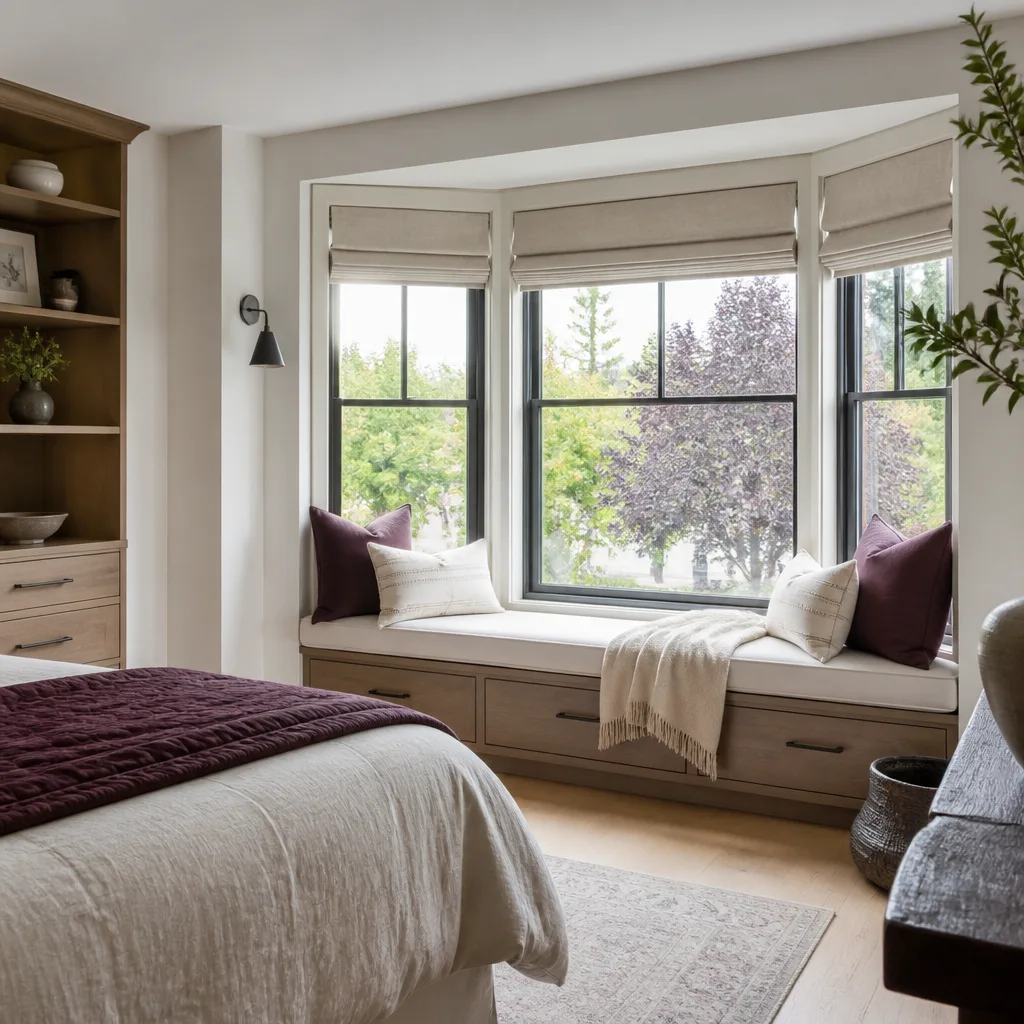
- Specialty shapes: $800 – $2,500+ installed. Bay, bow, and picture windows; bay and bow include framing and roof or soffit work that pushes the number higher.
A few things move the number within those ranges. Second-story work adds ladder or scaffold time. Stucco repair around a Garden Grove window (many homes here are stucco-over-frame) adds $150 – $400 per opening. Removing a failed glass unit to replace a broken sash is often $200 – $350. Wood interior trim restoration rather than replacement adds cost but keeps the original character on older homes near the downtown core. The written price you should expect to receive includes all of it as line items – not a lump sum that grows after the crew arrives.
Doors and the Energy Envelope: U-Factor, Pre-Hung vs. Slab
A door is a window with a hinge, and Title 24 treats it that way. Exterior doors in Climate Zone 8 carry a maximum U-factor of 0.32, same as windows, and the NFRC label applies. The difference is installation: a door is the largest moving joint in your envelope, and a badly hung frame lets in more air than a cheap window ever could.
Two installation types, with real cost and performance differences:
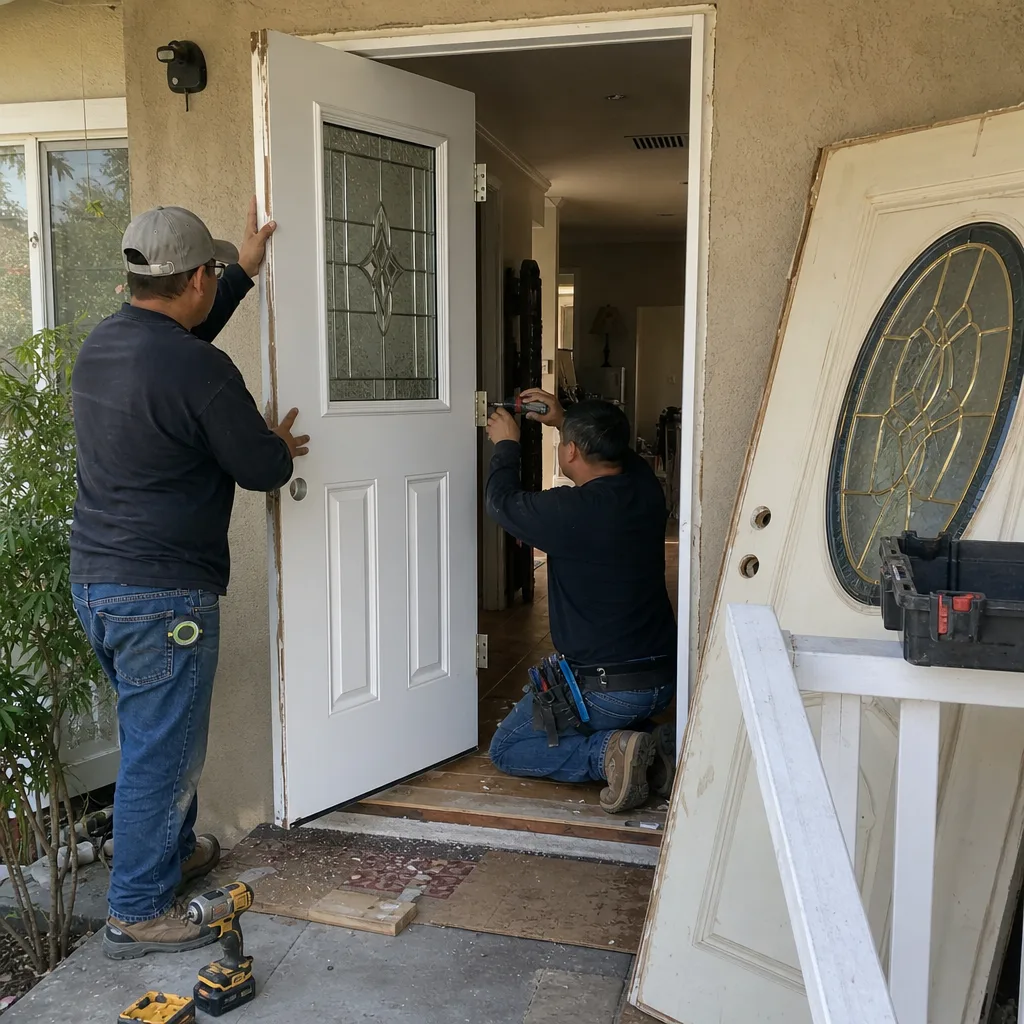
- Pre-hung door. The door slab arrives inside a factory-built frame with hinges and jamb. Installation runs $600 – $1,500 for a standard exterior door including trim and weather seal. The frame is square from the factory, seal tolerances are tighter, and the finish work is cleaner. This is what we recommend for any door exposed to weather.
- Slab door. The slab only; the existing frame is reused. Installation runs $250 – $600. Cheaper and faster, but only as good as the existing frame, which on an older Garden Grove home may be out of square or filled with a tired weather seal.
Here’s the trap: a homeowner buys a $1,200 energy-efficient fiberglass door with a 0.20 U-factor, then a slab install in a wobbly old jamb leaves a 3/16″ gap at the strike side. The air infiltration destroys the unit’s rating before the first summer. The door was fine. The frame failed it. On any exterior door in Garden Grove, pre-hung is the honest choice, and it’s worth the extra $300 – $600 over slab.
What a Correct Installation Actually Involves
The window’s rating assumes the assembly is installed correctly. Most performance failures in Garden Grove homes trace back to water intrusion at the perimeter, not to the glass. A proper install follows a sequence:
- Measure to the rough opening, not the glass. Measure width at top, middle, and bottom; height at left, center, and right. If those numbers disagree by more than 1/8″, the opening is out of square and needs correction before a new unit goes in.
- Remove the old unit without damaging the framing. Pry bars and patience. Stucco is brittle; a rushed removal means a repair bill.
- Check the substrate. Rotted framing, insect damage, or a missing water barrier is the moment to stop and address it, not paint over it. This is the “what we found” conversation, described in plain terms – the substrate condition, the flashing, the drainage plane.
- Flash and seal. Sill pan, head flashing, side flashing. The window has to drain outward, not into the wall.
- Set, shim, level, and fasten. Square within 1/8″.
- Insulate the perimeter and install trim. Low-expansion foam, not spray-everywhere foam that can bow the jamb.
- Document the install with photos – rough opening, flashing, finished unit, NFRC label in place. The photo record goes with the written warranty.
That’s the sequence under Clause 1 of the Haven Standard: the price is written before anyone starts, the photo record proves what was found, and no change proceeds without a signed change order. When you price a window package, ask to see the written scope line by line. Our Home Additions & ADU in Garden Grove work follows the same rule – the written number precedes the first nail.
Common Mistakes to Avoid
- Buying from the showroom floor without checking the NFRC label. Two units that look identical can carry different glass packages. Confirm U-factor 0.32 and SHGC 0.25 in writing before you pay.
- Cutting the label off at install. The Garden Grove inspector reads the sticker. Leave it on until final sign-off.
- Choosing a slab door for an exterior installation. Reusing a tired old frame wipes out the door’s U-factor. Pre-hung is worth the $300 – $600 premium.
- Skipping flashing on a south- or west-facing wall. Garden Grove’s rain is seasonal but intense; a window that doesn’t drain properly leaks in year two, not year ten.
- Changing rough opening size without a permit. An inspector finds unpermitted framing work at resale. The fix costs more than the permit.
- Accepting a verbal “around $X” quote. A flat written price with signed line items is the number that holds. Anything else grows.
- Ignoring egress on bedroom replacements. A window that meets Zone 8 SHGC but doesn’t open far enough fails bedroom egress – two separate checks, both required.
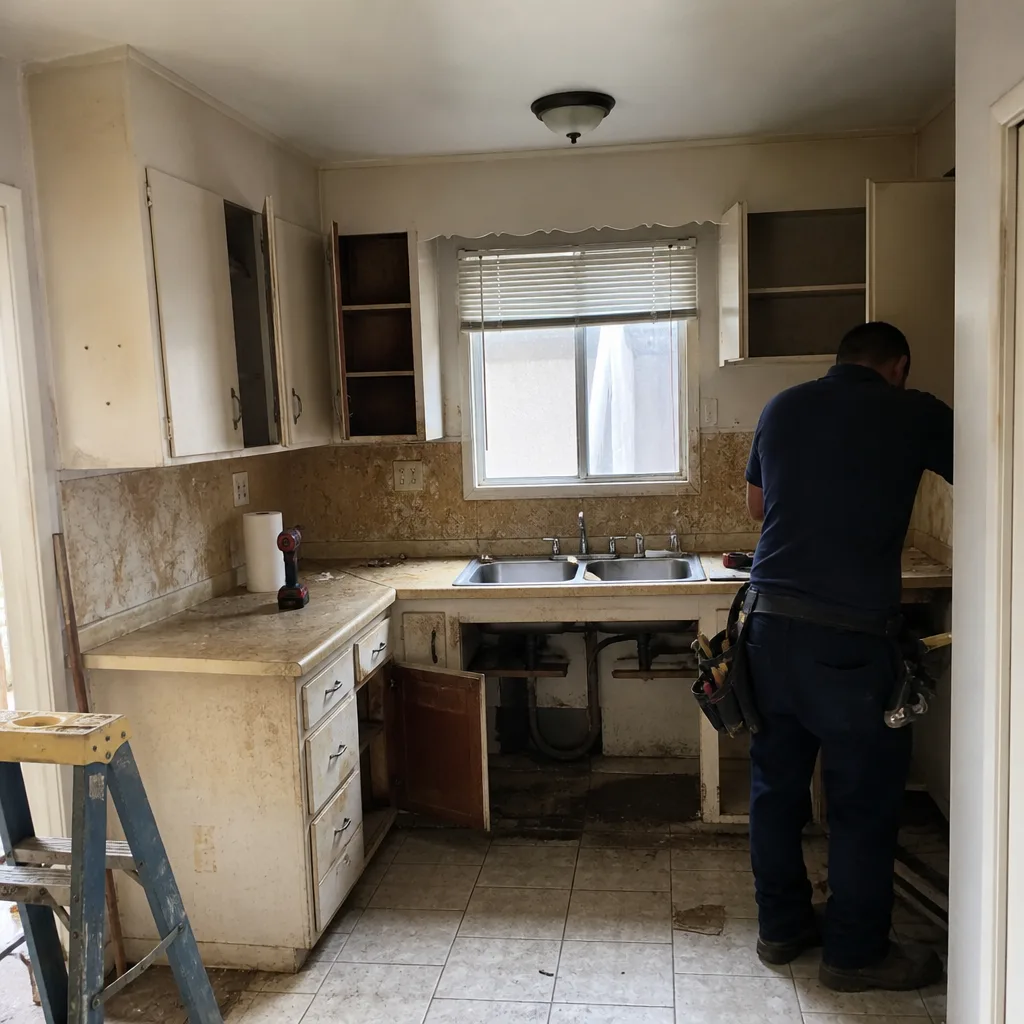
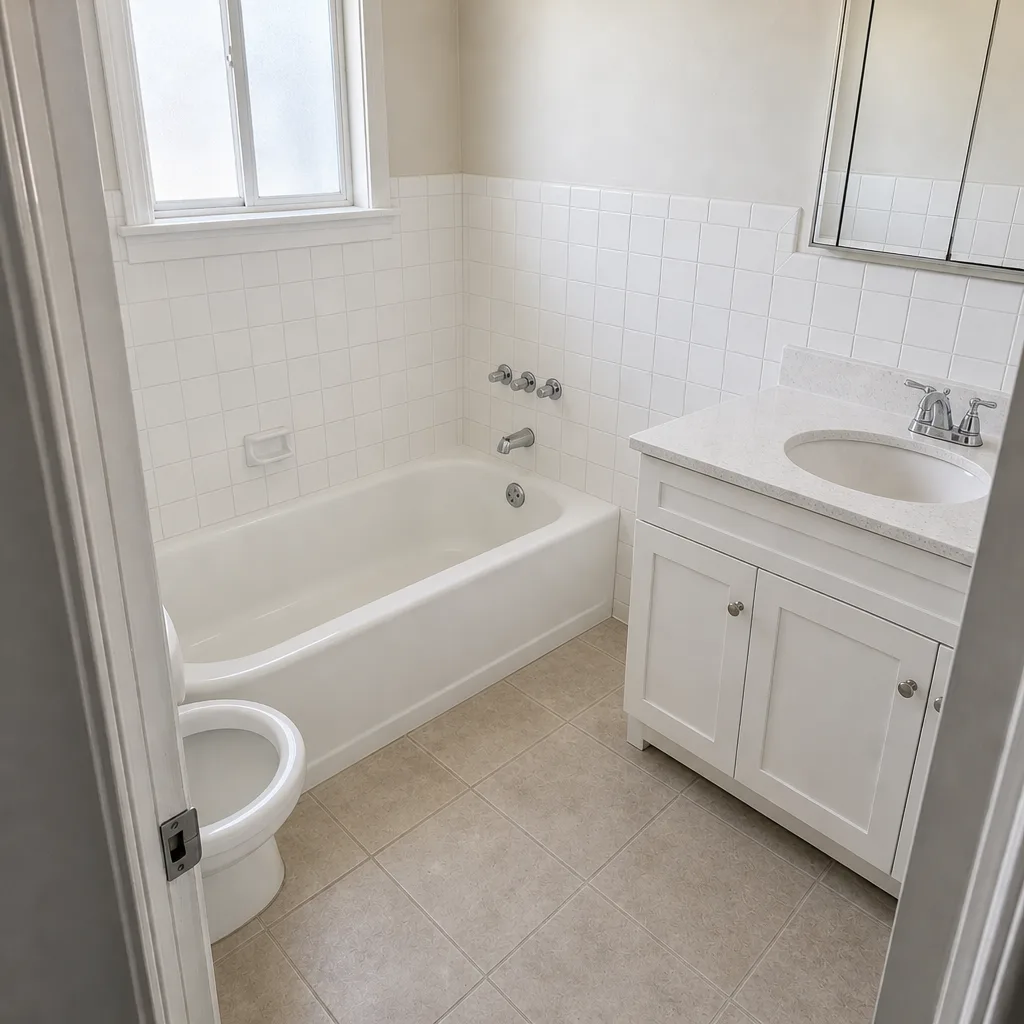
See the difference
 Before
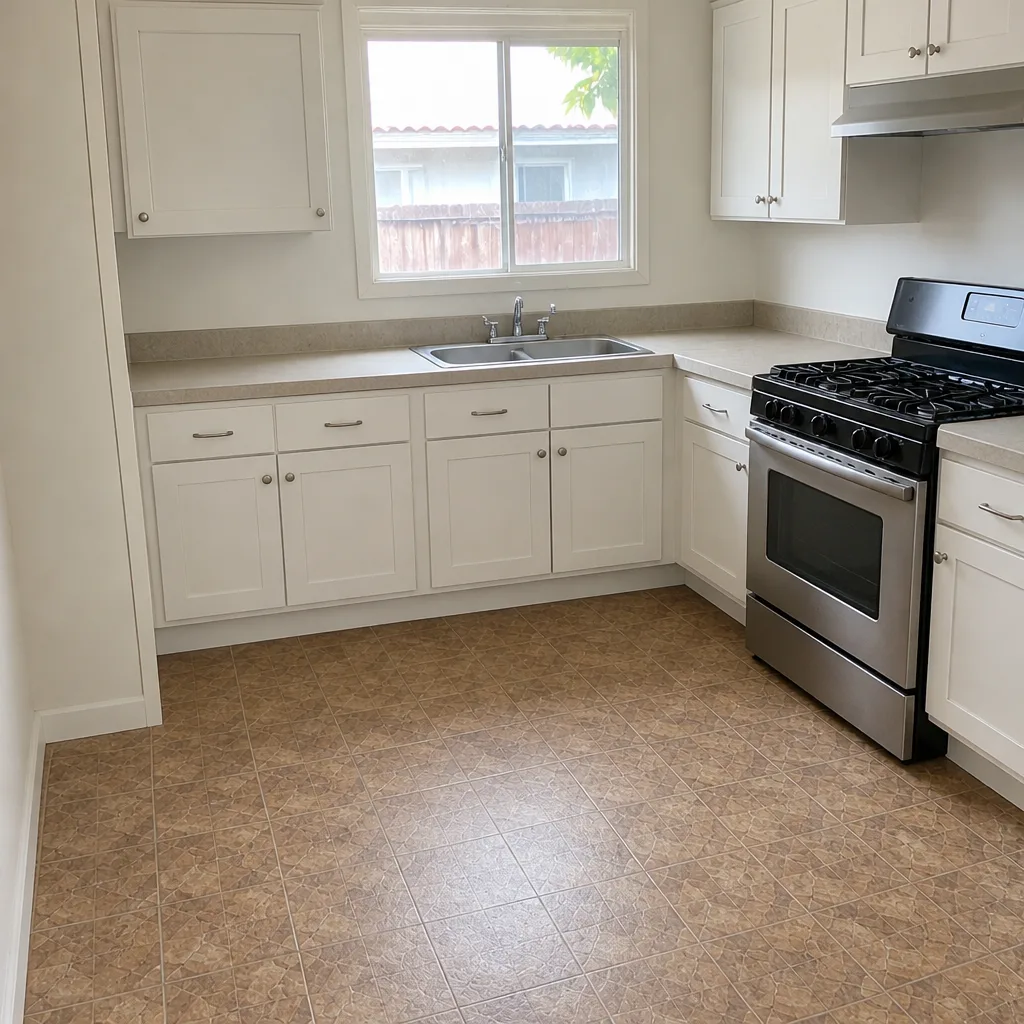 After
 Before
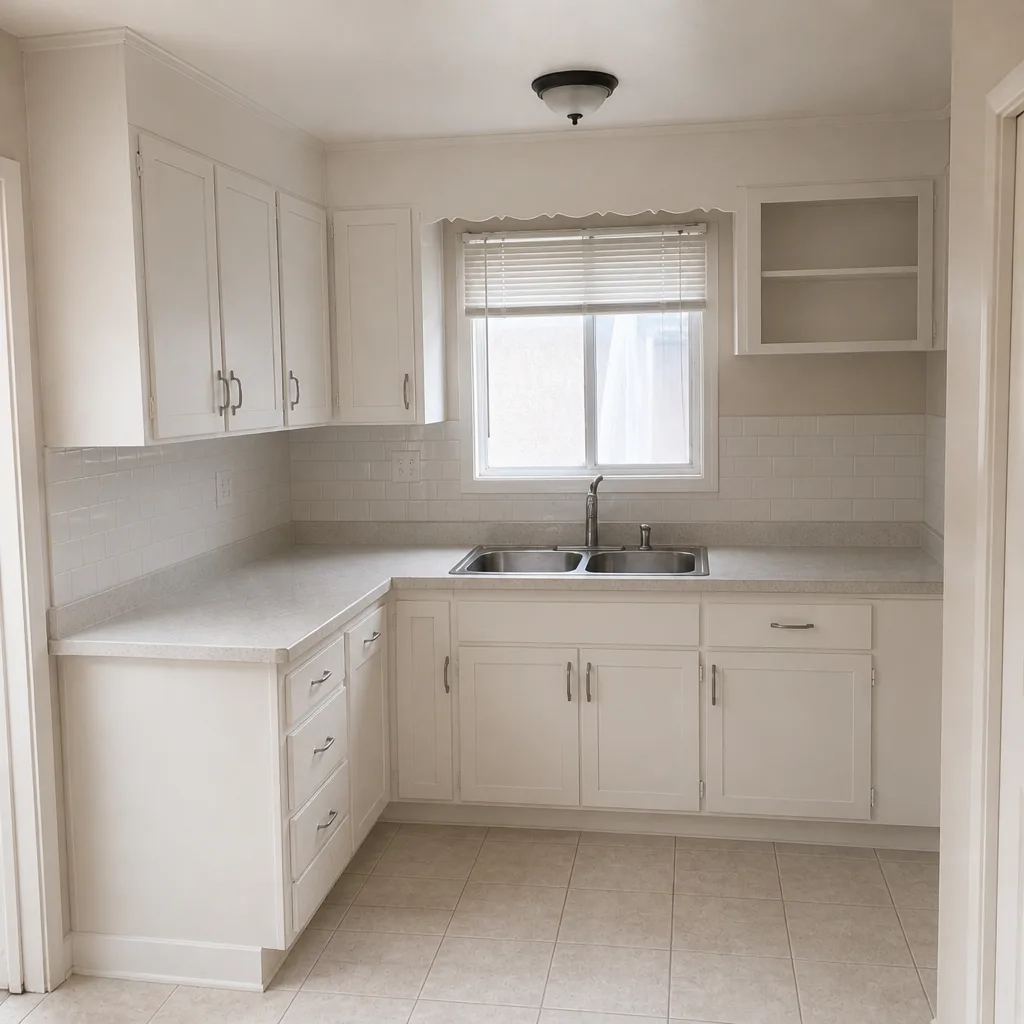 After
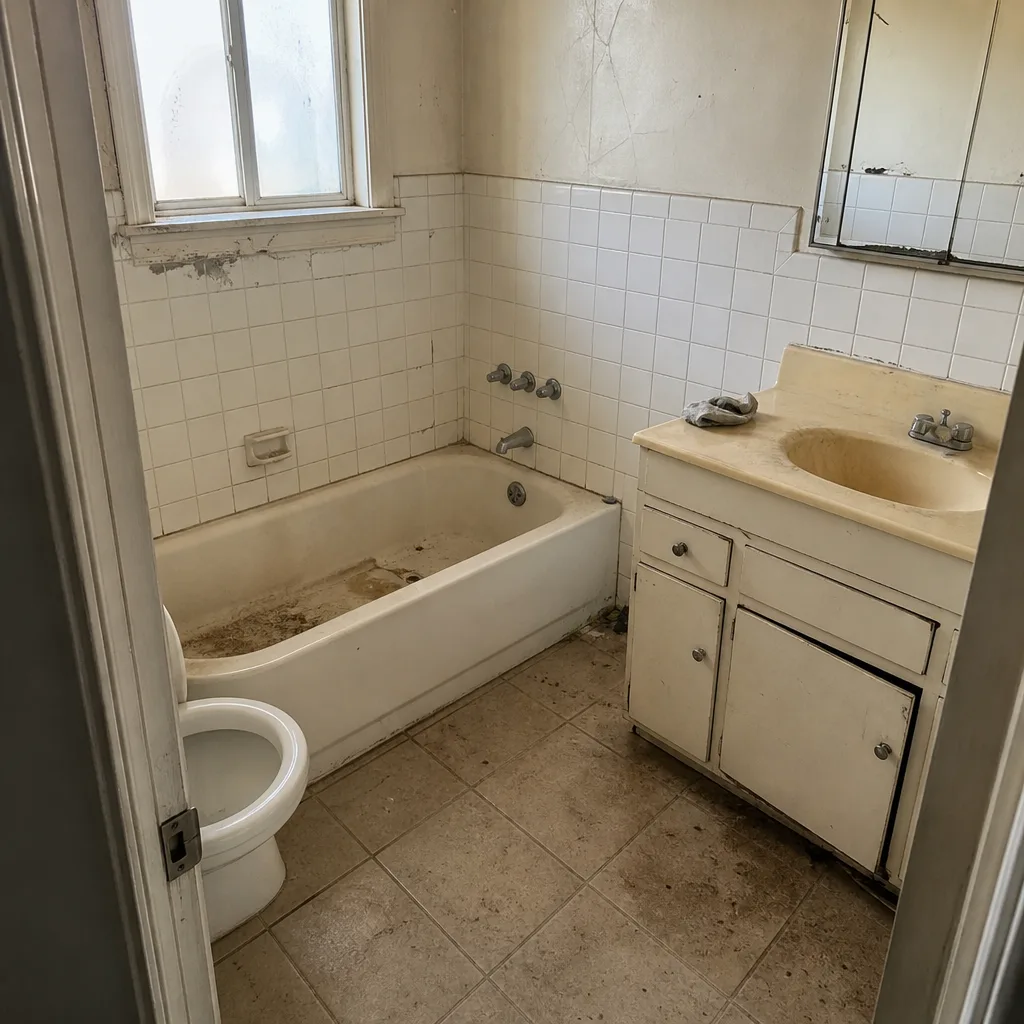 Before
 After
When to Call a Professional
Some jobs are genuinely a pro’s work. A window that’s been leaking, a door frame out of square by more than 1/8″, a change in rough opening size, a swap in a historic district, second-story installs, or any job where you’re the one choosing the glass package for a Garden Grove inspection. If you’re weighing a window-and-door package alongside other exterior work, we’ve priced window replacement next to Fence Installation in Garden Grove and Driveway & Pavers in Garden Grove on plenty of jobs, and the sequencing changes the schedule in ways worth planning for. Rowan Construction Group Garden Grove offers free estimates in Garden Grove and a free second opinion on any written quote you’ve received from another contractor. Call (888) 303-8980.
Frequently Asked Questions
Only if the rough opening changes size or location, if you add a new opening, or if the work is in a historic district. A true like-for-like swap at the same size and location in a standard residential zone usually does not require a permit. Call (888) 303-8980 for an exact read on your specific job before you order windows.
For most residential replacement in Climate Zone 8, the maximum is U-factor 0.32 and SHGC 0.25. West- and south-facing exposures carry the strictest treatment. Confirm the NFRC label on the unit matches both numbers in writing before you sign. Call (888) 303-8980 for a free second opinion on any quote you’re comparing.
Installed cost runs $300 – $600 for single-hung, $400 – $750 for sliding, $500 – $900 for casement, and $800 – $2,500+ for bay, bow, or picture windows. Stucco repair and second-story access add within that range. Call (888) 303-8980 for an exact written quote – estimates are free.
Sometimes, but you have to check the glass package. Roughly half the windows on a typical big-box rack don’t meet Zone 8’s 0.25 SHGC, so a unit that looks right can fail. The NFRC sticker on the glass, not the price tag, is the thing to verify.
A pre-hung door arrives in a factory-built frame with hinges and jamb – $600 – $1,500 installed – and seals tighter. A slab door reuses your existing frame – $250 – $600 installed – and only performs as well as that frame. On any exterior door, we recommend pre-hung.
A standard like-for-like swap on a single window usually takes 2 – 4 hours; a whole-house package of 10 – 15 windows runs two to four days depending on access, stucco repair, and whether a permit is required. Plan for a week if the work includes door frames or trim restoration. Call (888) 303-8980 to schedule your free estimate.
The Bottom Line
Window and door choices in Garden Grove are a compliance exercise before they’re an aesthetic one. The spec sheet decides first – NFRC label showing U-factor 0.32 and SHGC 0.25 – and the product follows. Milgard Tuscany, Andersen 400, and Pella 250 can all clear Zone 8 with the right glass package, so let the label narrow the field before the showroom does. Then plan the install with the same care: like-for-like swaps often skip the permit, anything changing the rough opening doesn’t, and a pre-hung door is the honest way to protect what you paid for. Written price, written scope, photo record. That’s the sequence, and it’s the reason projects finish within a few percent of the number on the page.
Call (888) 303-8980 to schedule a free estimate in Garden Grove. A live person answers, a written price follows, and nothing starts until you’ve signed off.
Written by the team at Rowan Construction Group Garden Grove.